
The city was by passed by me on several occasions in my road warrior trails; until one day, I got in in city center for a ride and having heard of the wine estates decided to take a look at the Château de Reignac, It was a pleasant experience and shows the abundance of wine choices in my belle France, I finally found me some pictures in my cd rom vault that should be in my blog for you and me, Therefore, this is my take on this is Saint Loubés in wine country !!! Hope you enjoy the post as I.
The town of Saint Loubès is located in the Gironde department no 33, in the Nouvelle-Aquitaine region of my belle France. It lies in the Entre-deux-Mers area, on the left bank of the Dordogne river, It is 20 km from Bordeaux, 19 km from Libourne, 32 km from Saint Émilion, and 480 km from my current home, I came here from our lodging in Lacanau Océan (see posts) 92 km away along the D6 road continue on N215 highway to the Bordeaux rocade beltway A630 by exit/sortie 21 continue taking the Pont François Mitterrand over the Garonne river and continue on the N230 road past Cenon bear right onto the exit/sortie 26 dir Libourne on the N89 highway then get off on exit/sortie 3 dir Montussan ,then bear left onto the D115E6 or Avenue de Verdun continue then turn rigth on Route de la Curé ,then turn left on Route de Peyron continue and turn right on Route du Taudinat continue thru Chemin de Reignac to the Château de Reignac,
The other access here are the D242 road crosses the town towards Ambarès-et-Lagrave, connecting to exit/sortie 42 of the A10 autoroute and the D911 road to Saint-Vincent-de-Paul and Cubzac-les-Ponts, Carbon-Blanc and Lormont , and, further on, to Saint-Sulpice-et-Cameyrac and Izon and beyond to Libourne. From the D242, the D115 roads leading towards Yvrac and to exit 2 and 4 of the A89 autoroute
Other things to see here are the Saint-Loup Chapel 11C, and Saint-Pierre Church, However, we came for the castle and wine estate of Reignac see below,
The origin of the town’s name is believed to date back to the 6C, after the Bishop of Troyes at the time, Saint-Loup. This name has evolved and taken on different forms throughout history, as ancient texts mention Santus-Lupus, Saint Pierre de Loubez, Sainct Loubez, etc. The existence of the village in its current location is certain from the 11C. Texts from 1097 mention two churches for Saint-Loubès: the Church of Saint Pierre and the Church of Saint Loup, respectively located on the sites of the current church and the Priory Chapel. The town also includes several villages and hamlets with ancient histories, such as the hamlet of Truch, the earliest known site of human occupation in the area. The modern era, from the 16C to the 18C, saw the construction of several noble houses such as the Château de Reignac (see below), noble house of Labatut aka the castles of Terrefort, and castles of Rafette, Chevillette, Lamothe, Malleret or Toignan.
The Château de Reignac is a wine estate located in Saint-Loubès, dates back to the 16C. Built by Lord Baude de Peyron at a time when Bordeaux wine estates were flourishing, the château served as both a residence and an agricultural center. In the 17C, viticulture was introduced to the estate, taking advantage of its diverse terroir. In the 19C, a greenhouse, attributed to the engineer Gustave Eiffel, was added to the estate, further enhancing its unique character. In 1990, Yves Vatelot, the inventor of the Silk-épil electric epilator, acquired the property with his wife. Together, they undertook major renovations to restore the historic buildings and modernize the winemaking facilities. Yves Vatelot notably patented a new type of barrel, equipped with two “knives” placed inside the oak cask and turned twice a day, allowing for simultaneous fermentation and aging. In addition to the château, architectural features include: a 19C greenhouse attributed to Gustave Eiffel; a medieval dovecote, a symbol of prestige at the time; and a private chapel, formerly used for religious ceremonies.
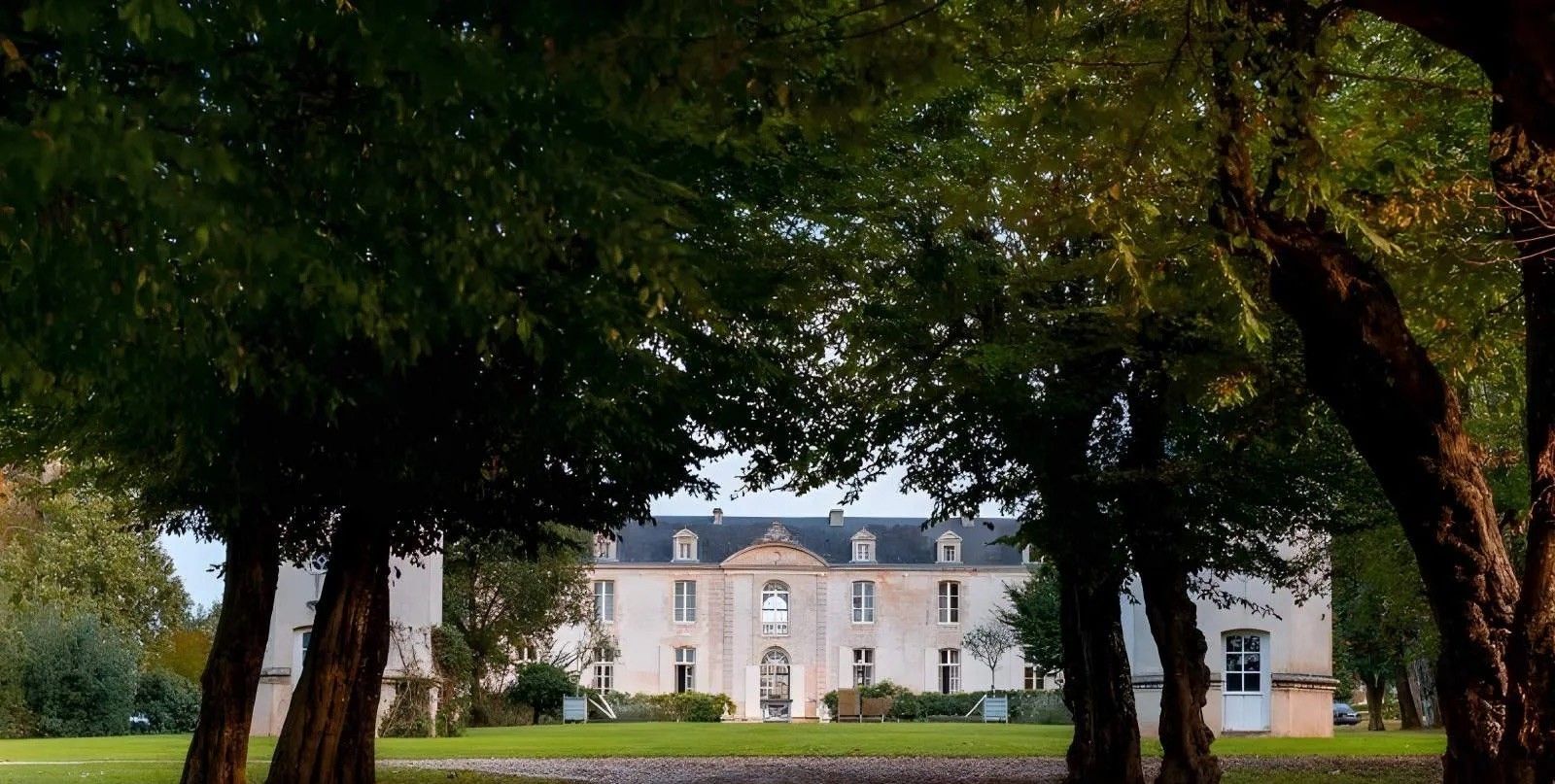
The estate covers 150 hectares, including 77 hectares of vineyards, wooded areas, a lake, and meadows. Certified High Environmental Value (HVE 4), Château de Reignac prioritizes sustainable agricultural practices, such as the elimination of herbicides and soil conservation. In 2009, Reignac’s grand vin was submitted to a blind tasting organized by the Grand Jury Européen. At this event, the 2001 vintage ranked second, behind Angélus, but ahead of Petrus, Margaux, Lafite-Rothschild, Latour, and Haut-Brion. This is a notable recognition for a wine not classified as a Grand Cru.
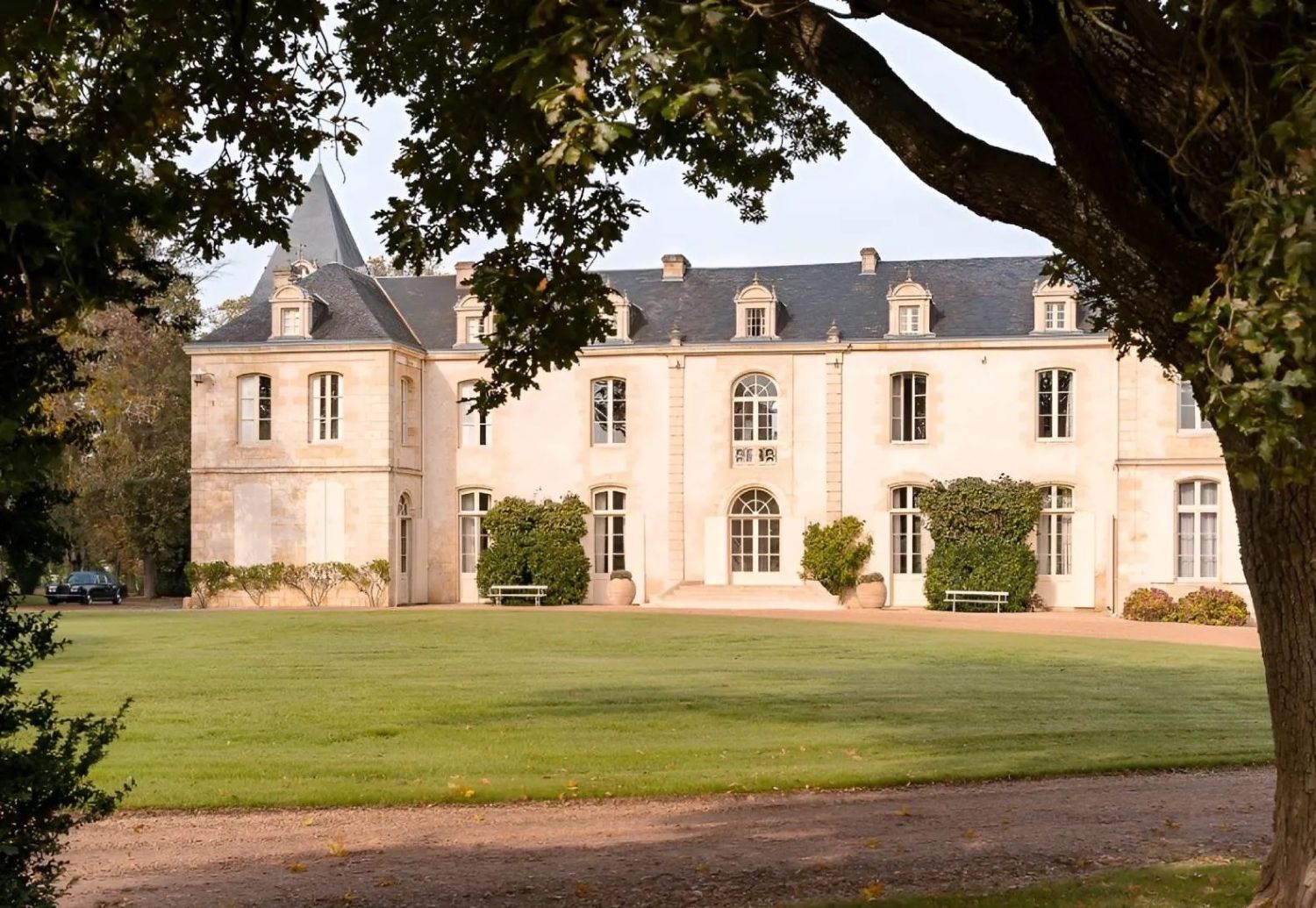
Château de Reignac Grand Vin de Reignac – Red score 92/100, if you follow this, The grape varieties used to blend the Grand Vin de Reignac are Merlot (65%), Cabernet Sauvignon (25%), and Cabernet Franc (10%). The wines are vinified under the guidance of oenologist Michel Rolland (known all over the world). After two green harvests, the grapes are hand-harvested with rigorous sorting. Vinification takes place in small, temperature-controlled stainless steel tanks, batch by batch and grape variety by grape variety, followed by aging on fine lees, 100% in French oak barrels for up to 19 months. A wine of superb substance, ripe and elegant, with aromas of ripe fruit and sweet spices. The initial taste is velvety, the texture smooth and caressing; this tactile and balanced wine seduces from beginning to end.
The history of Château de Reignac dates back to the 16C when it was built by Lord Baude de Peyron. After the creation of a courtyard and a magnificent greenhouse designed by Gustave Eiffel in the 18-19C, it was acquired by Stéphanie and Yves Vatelot in 1990. The very first Reignac vintage was produced in 1996 and ranked among the top 50 Bordeaux wines by the Grand Jury Européen. Located between Bordeaux and Saint-Émilion, Château de Reignac has the rare distinction of bringing together the finest terroirs of both the Right and Left Banks on a single estate. This is just one of the many secrets to be discovered during a visit to the property.
The official Château de Reignac : https://reignac.com/en/
The Bordeaux tourist office on the Château de Reignac : https://www.bordeaux-tourism.co.uk/tasting/chateau-reignac.html
The Local Entre Deux Mers tourist office on the Château de Reignac : https://www.entredeuxmers.com/offre/ch%C3%A2teau-de-reignac/#
The town of Saint Loubés on its history/heritage : https://www.saint-loubes.fr/mes-loisirs/culture/histoire-et-patrimoine/
There you go folks another dandy encounter in my belle France! The country is bath with wonderful towns/villages of great wines, and wonderful sights, never ending I am working on seeing more of them, eventually, Again, hope you enjoy this post on this is Saint Loubés in wine country !!! as I
And remember, happy travels, good health, and many cheers to all !!!


