
The village of Péaule is located in my beautiful Morbihan department no 56, and in my lovely Bretagne region of my belle France. Its territory is largely bordered by the Vilaine river. It is located 11 km from Muzillac, 12 km from Questembert, 26 km from Redon, 40 km from Vannes, and 72 km from my current town from which I came here along the D768 road to connect with the N165 expressway dir Vannes, then Muzillac here at exit/sortie 19 go around Muzillac to connect with the D20 road to Péaule and place de la Poste by the church, I like to tell you about this off the beaten path village not far from me as found me again new pictures in my cd rom vault that should be in my blog for you and me. Therefore, here is my take on this is Péaule !!! Hope you enjoy the post as I.
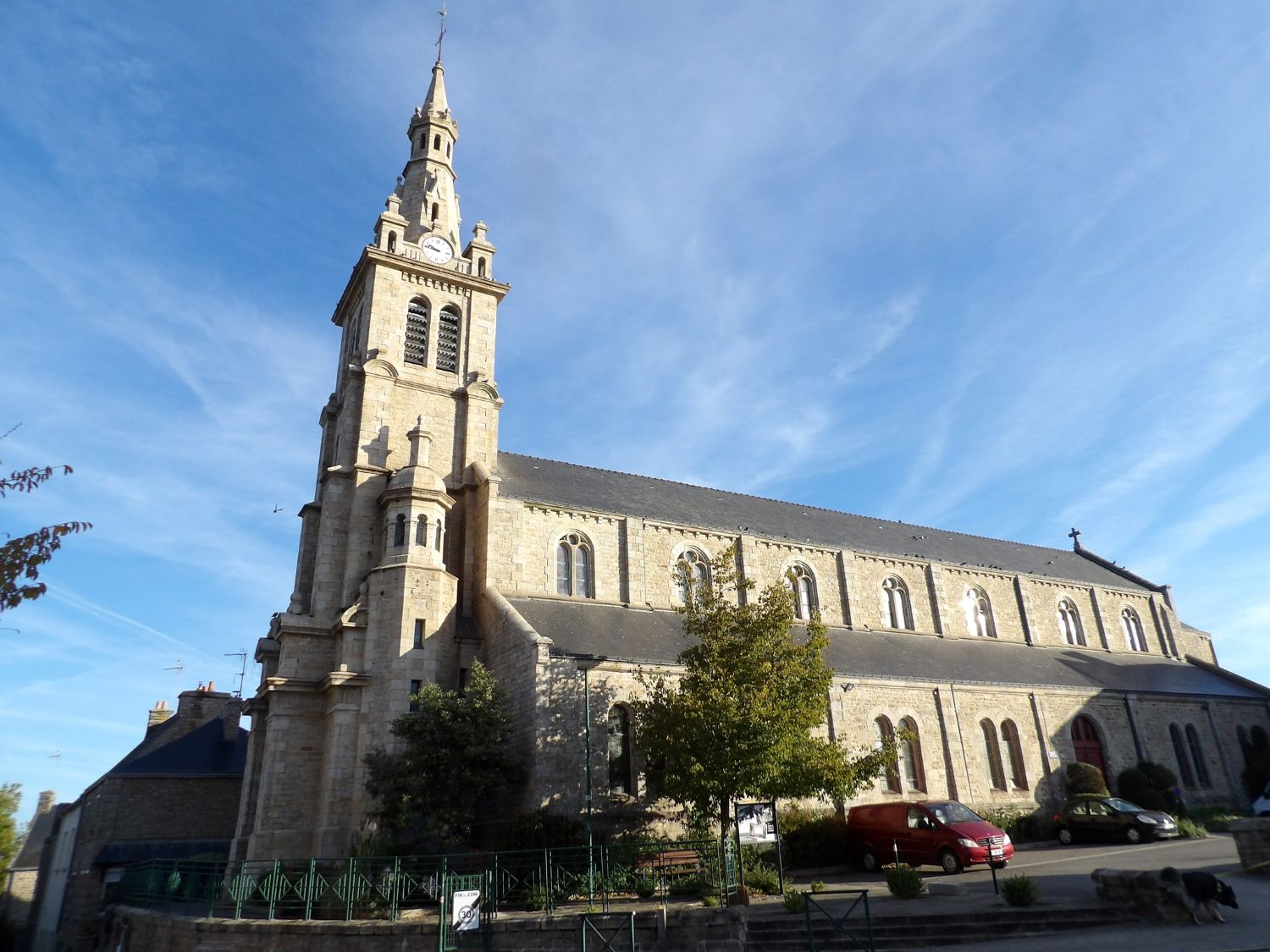
The Church Saint-Gaudence is from the 16C, then 19C to 20C, rebuilt in 1905 and consecrated by the Bishop of Vannes in 1906. The bell tower, begun before WWI, was completed in 1919. The side chapels are dedicated to the Blessed Virgin, the True Cross, and Sainte Anne. A church dedicated to Saint Gaudence (Bishop of Brescia) existed as early as 1025 and was built by the lords of Fescal, Kerthomas, and Coëtguel. They had their burial place there. The apse of the current church from the 16C. The tabernacle of the high altar, currently located in the baptismal font, is dominated by a wooden representation of Saint Gaudence. The tabernacle of the high altar, currently located in the baptismal font, is dominated by a wooden representation of Saint Gaudence.
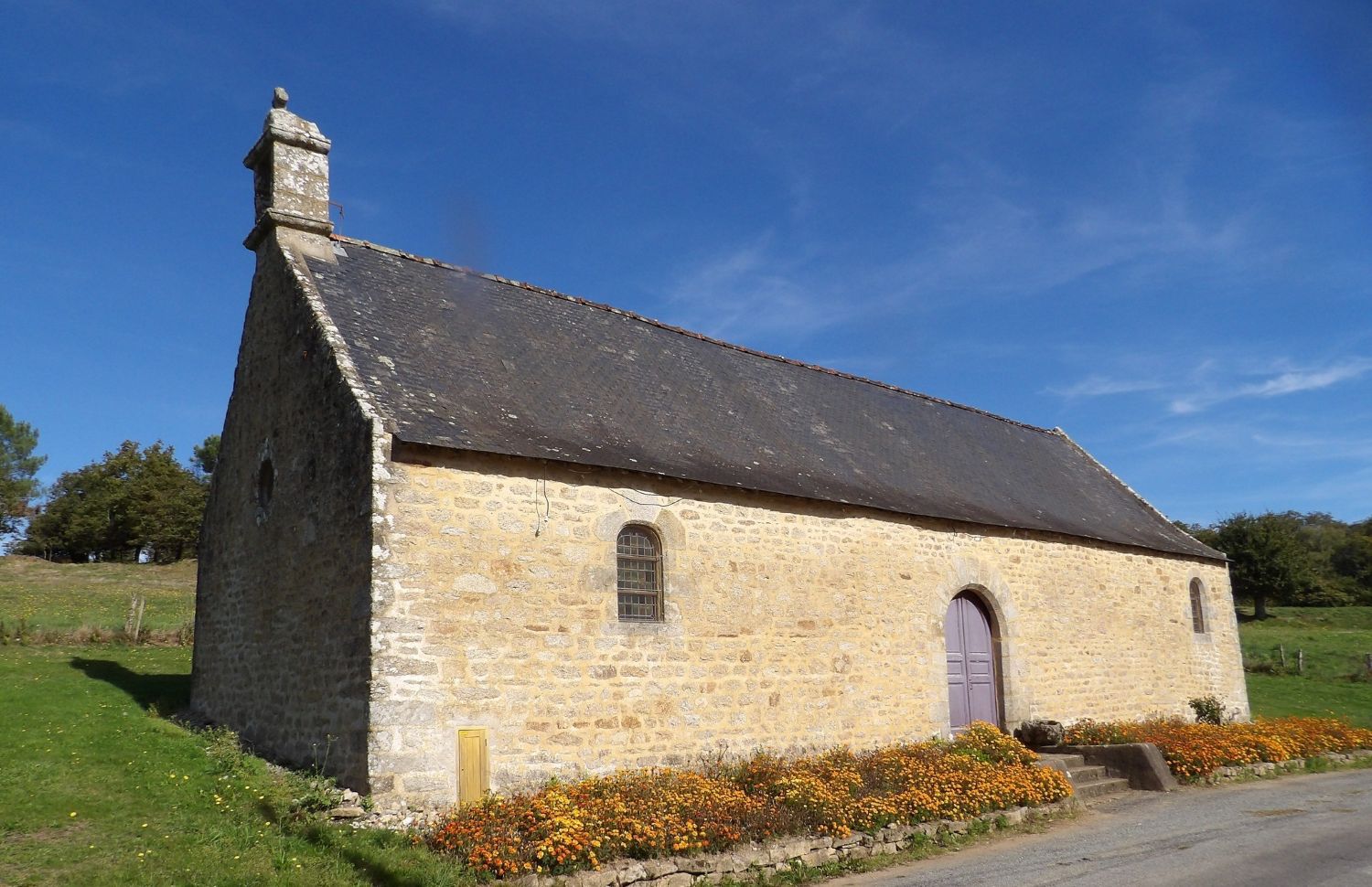
The Chapelle Saint-André or Saint Andrew’s Chapel, rebuilt in the early 19C near the Pont de l’Etier bridge, It was built using stones from the old chapel located at the Etier Bridge.
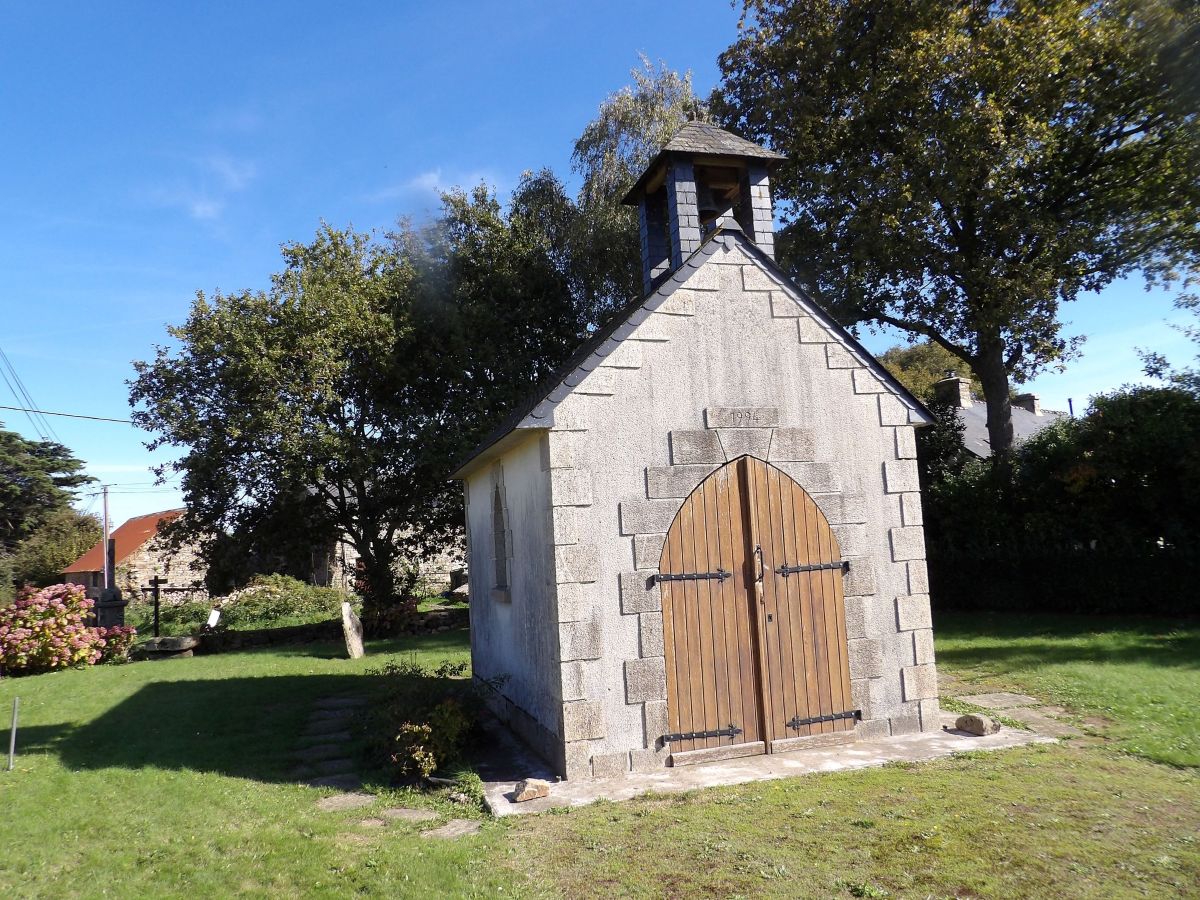
In the hamlet of Saint Leufroy see the Chapelle de Saint-Leufroy dating from the 18C tht was part of the abbey of La Croix-Saint-Leufroy gone during the French revolution.
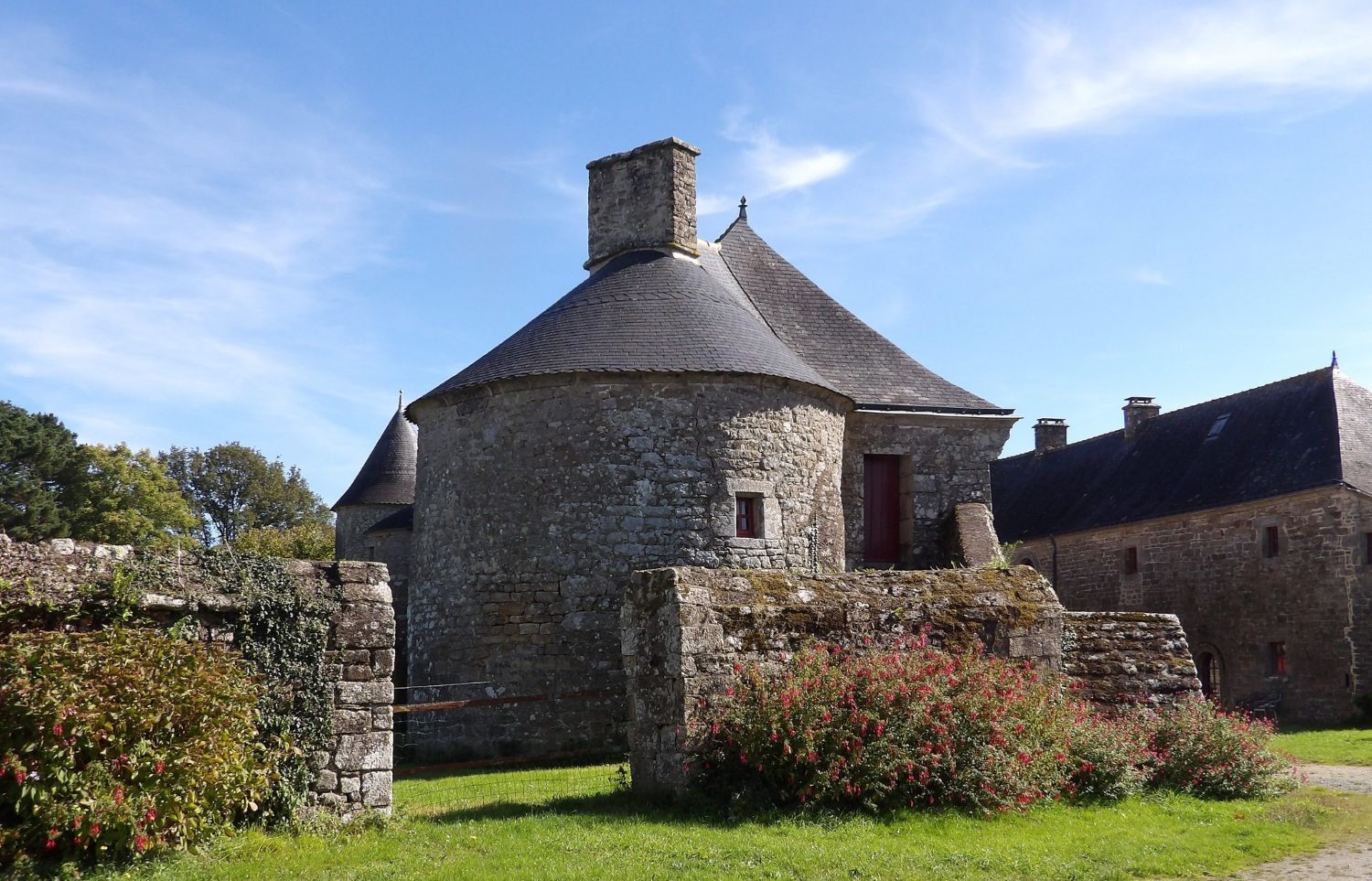
The Vieux Doyenné or Old Deanery (15-16C). This building served as a presbytery until 1912. The chimney, with an inscription from 1534, The facades and roofs of all the buildings, including the north gate of the enclosure and the dovecote, private property, are not open to the public. The dwelling house, with doors and windows decorated in the style of the Italian Renaissance, were built in 1534, when the old manor house remodeled, preserving the spiral staircase. The porch is decorated with two medallions. The turret, located at one of the interior corners, dates from the 16C. The dovecote, comprising 991 niches, dates from the 16-17C. There is also a fountain.
Other things to see here are the Saint-Cornély Chapel built in 1872 with the stones of the cursed Saint-Yves chapel, inaugurated on September 16, 1873, rebuilt by Father Briand, dean of the parish of Péaule. The castle of Fescal (1760). Father Berto set up an orphanage there from 1939 until the end of the 1950s before being able to buy the property of Pont-Callec in Cornouaille Morbihannaise. This work gave birth to the Dominican Sisters of the Holy Spirit. The Saint-Michel Chapel (1860), built on the site of a primitive chapel dedicated to Saint-Michel. At the beginning of the 20C, it was still called the chapel of the Congregation.
A bit of history tell us that this ancient parish apparently encompassed the territory of Limerzel. Until 1790, it was the seat of one of the nine deaneries of the bishopric of Vannes, which included fifteen parishes, then sixteen with the annexation of Molac in the 16C. Until at least the 17C, it also housed a leper colony, called La Corderie,directly under the control of the Bishop of Vannes. Since the 13C, Péaule has belonged to the lordship of Rochefort. However, several important fiefs were enclosed within it, directly under the control of the Duke of Brittany, and later of the king. In 1677, Péaule became part of the fiefdom of René Eustache de Lys. From 1790 to 1801, Péaule became the capital of the canton, with Noyal, Marzan, and Le Guerno as dependencies. After the failed landing of emigrants in Quiberon in July 1795,vs the French revolution, 22 Chouans from the parish of Péaule were executed.
The village of Péaule on its heritage : https://www.peaule.fr/sport_et_culture/histoire-et-patrimoine/
The local Damgan-La Roche Bernard tourist office on Péaule : https://www.damgan-larochebernard-tourisme.com/peaule-bocage-et-fleuve/
There you go folks, another dandy road warrior tour of the quant off the beaten places of my beautiful Morbihan, This is a nice stop along the way worth the detour me think. Again, hope you enjoy the post on this is Péaule !!! as I
And remember, happy travels, good health ,and many cheers to all !!!


