
I have come and enjoy this town several times with many posts ,however, as usual lately, found me older pictures in my vault not yet on my blog and they should, me think, This is Saint Gildas de Rhuys in my beautiful Morbihan , and my lovely Bretagne in my belle France. The town is on the Presqu’ïle de Rhuys peninsula. Its coasts open onto a part of the Atlantic Ocean called Mor Braz (sea from the Gulf of Morbihan to the Atlantic Ocean), but also on the Gulf of Morbihan. This is additional post on the wonderfully beautiful Abbey of Saint Gildas de Rhuys, part III !!!, Hope you enjoy the post as I.
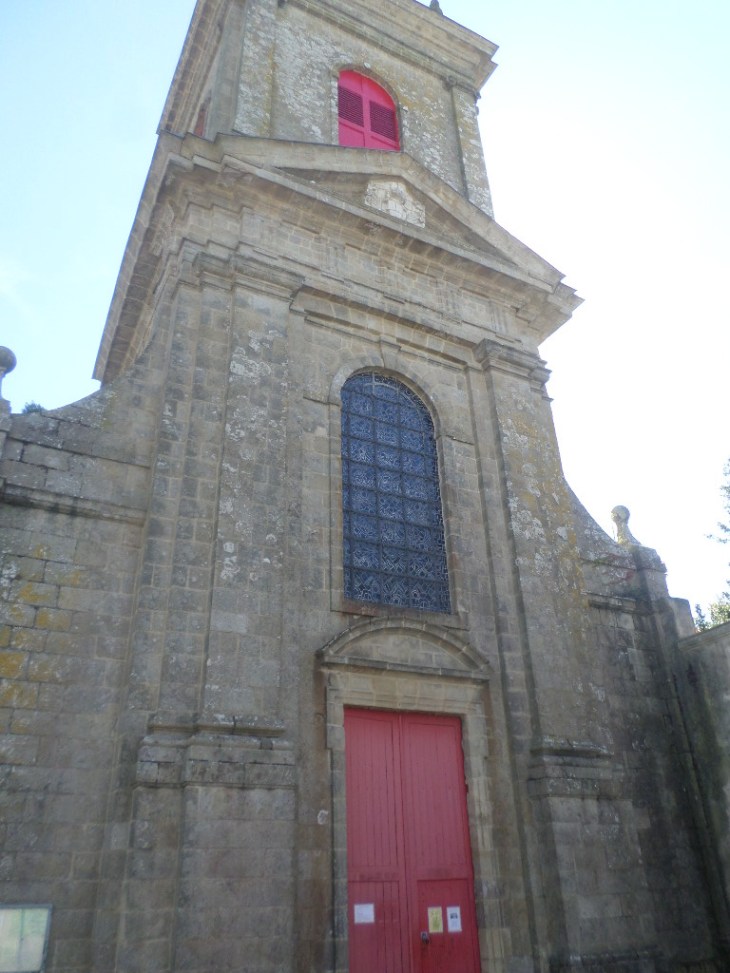
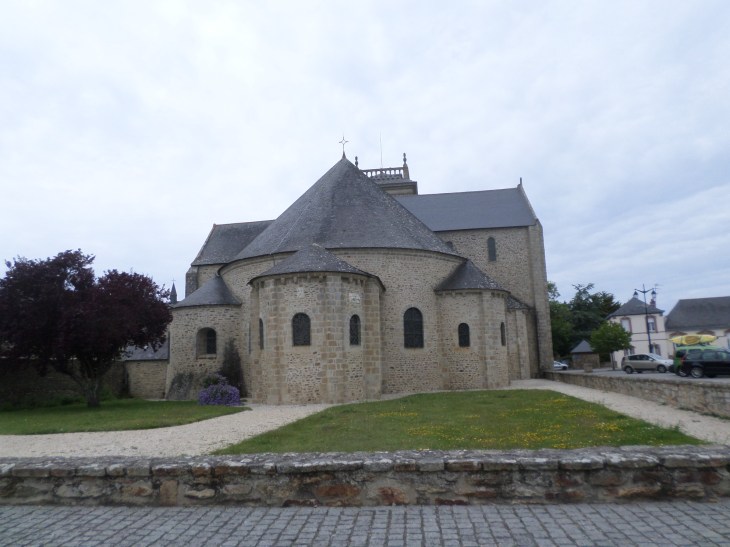
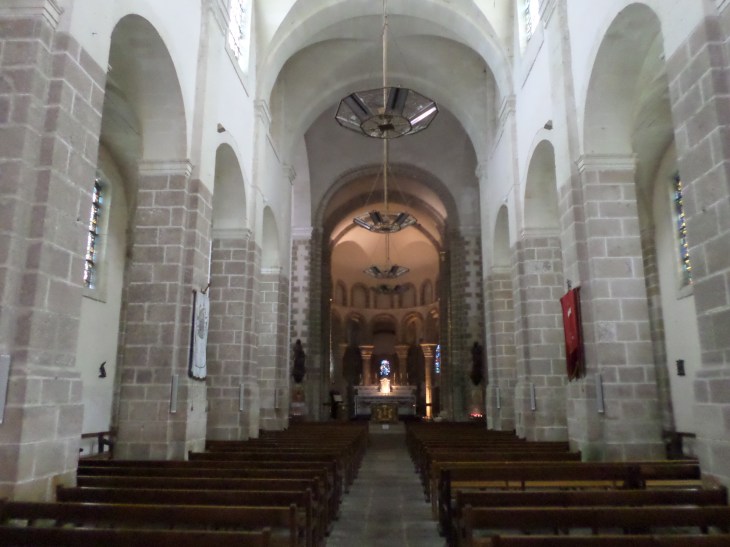
The present Saint Gildas de Rhuys Abbey still preserves beautiful elements of the Romanesque Abbey such as the Choir, north transept, 32 capitals with geometric decorations and several tombs. The abbey is nonetheless a rare testimony to Romanesque art in Brittany. The prestige of Saint Gildas in Brittany, the miracles attributed to him and the presence of his relics in the abbey church only increased the reputation of the place. Today integrated into the town, the monastery was near a large forest that covered the entire peninsula in the Middle Ages.
The treasury of the Saint Gildas Abbey, considered one of the most remarkable in Brittany, consists of works from the 14C to the 18C. During the French revolution it would have been hidden in the attics of the surrounding houses. Composed essentially of two hunts and four morphological reliquaries, as well as various objects of worship: chalices, quarter panel, reliquary cross, etc The treasure of the Abbey, saved during the French revolution by the Rector Le Duin, whose tomb is still in the cemetery of Saint Gildas.
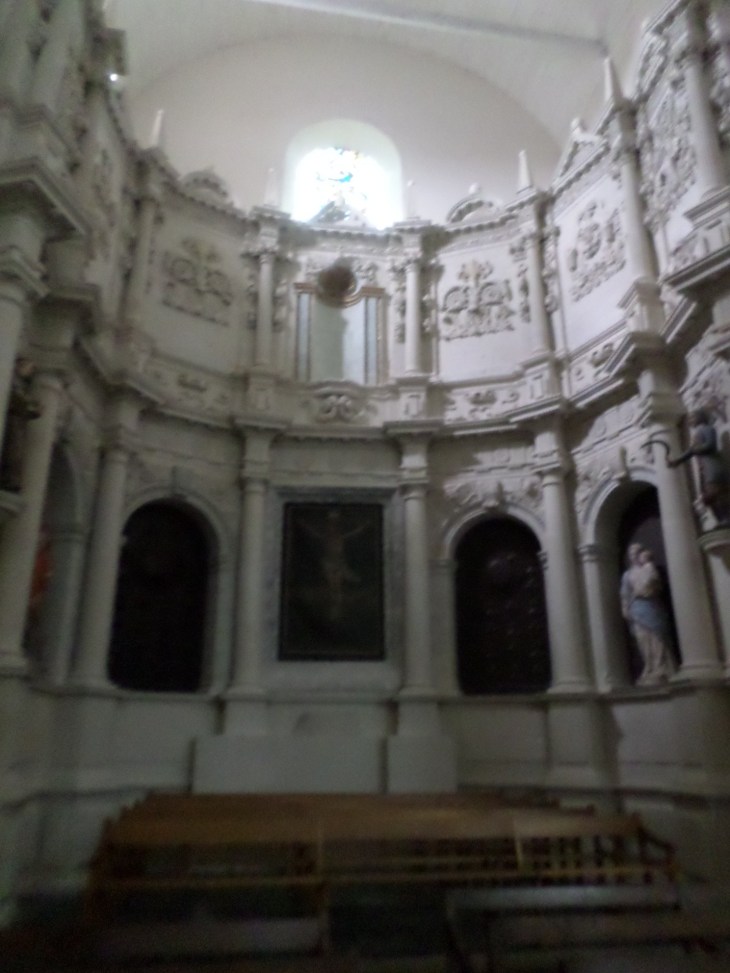
Saint Gildas was born in present day Scotland in 494, and as this year was famous for the signal victory that the Bretons won over the Saxons, near Mount Badon, he was nicknamed Badonic to distinguish him from other writers of that name. . Raised in the maxims of solitary life, he left his homeland around the year 527 to escape the fury of the Saxons and the English who desolated him. Providence leads him to the island of Houat, where he finds solitude as he desires. He then passed through the Rhuys peninsula and established his monastery there. It was in this place that he wrote the two treatises which remain of his work, and which we regard as the purest source of the ancient history of the Bretons. Having returned to Houat, he died there around the year 570. He was buried behind the main altar of the abbey piping on the sides. A beautiful white stone statue is standing near the tomb; it represents Saint Gildas with his bare head, his eyes raised to heaven, and holding a pastoral staff in his hand.
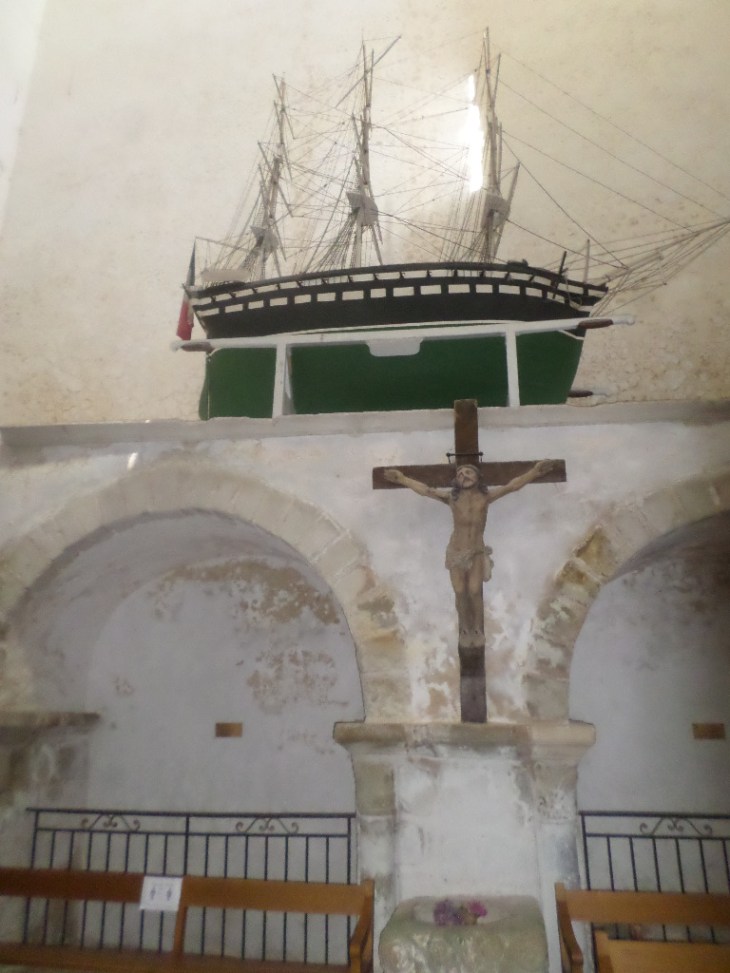
Ancient writings attribute the founding of the first monastery by 536. The abbey would then have been founded by Saint Gildas the Wise, a monk from Scotland. The beginnings of the monastery are actually known to us through historical facts dating back to the Norman invasions of the 10C. The first abbot, was destroyed during the Norman invasions, and the reliquary of Saint Gildas, according to tradition, was transferred to Bourg-Dieu-sur-l’Indre c. 919. In 1008 the Abbey of Rhuys was restored by fleury, and c. 1032 its church was consecrated. abelard was made abbot there in 1125, but had to renounce the office in 1129 By 1625, however, the abbey was in a deplorable condition; in 1649 it was incorporated into the Congregation of Saint-Maur.
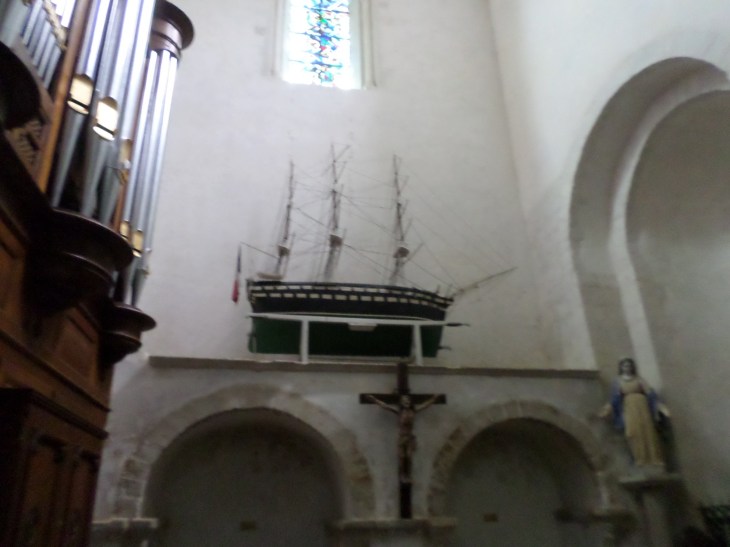
In 1768 only nine religious were left at the Saint Gildas Abbey. In 1772 the abbey’s revenues were united to the bishopric of Vannes. There were only four monks left when the abbey was suppressed during the French Revolution. The abbey church became a parish church of Sarzeau, and the cloister buildings became the mother-house of the Sisters of Charity of Saint-Louis. The Saint Gildas Abbey was sold as national property in 1796 during the French revolution, and in 1804 the town obtained the right to buy back the church which had then become parish. In 1825 the monastery was bought by Mrs. Molé de Champlâtreux who installed the nuns of the Congregation of Charity of Saint-Louis there, Jean-Joseph de Villeneuve, of Fréjus, appointed and established in 1725. He settled in Rhuys, where he died on July 2, 1772. He was the last commendatory abbot of Saint-Gildas. After him, the abbey church was united with the bishopric of Vannes, with the consent of the king and the sanction of the pope on December 10, 1772, a union which only existed until the French revolution.
The official Abbey of Saint Gildas : https://www.abbaye-de-rhuys.fr/
The Friends of the Abbey of Saint Gildas : http://amis-abbatiale.blogspot.com/p/visites-de-labbatiale.html
The town of Saint Gildas de Rhuys and its heritage : https://www.saint-gildas-de-rhuys.fr/categorie/decouvrir/patrimoine/
There you go folks, indeed an endless amount of things to see and do and this just one of them in my beautiful Morbihan dept 56, where I live now for the last 12 years of my life. Again, hope you enjoy the post on again by the Abbey Church of Saint Gildas as I.
And remember, happy travels, good health, and many cheers to all !!!

 Paris1972-Versailles2003
Merci
LikeLike