
And here I take you again,way north of me to the tip in the peninsula of my lovely Bretagne. One of the off the beaten path towns of the Finistére ,and seldom over look for its distance from the mainstream. However, it is worth a detour for its sea and Breton traditions. I took new pictures from my trip this week that should be in my blog for you and me, Therefore, let me tell you on curiosities of Landéda !!! Hope you enjoy the post as I.
The town of Landéda is in the Finistère department no 29, of my lovely Bretagne region ,and in my belle France. A coastal town on the English Channel coast, in the heart of the Côte des Légendes, Landéda forms a peninsula between two abers, Aber-Wrac’h to the north and Aber-Benoît to the south, the very jagged end of which itself forms the Sainte-Marguerite peninsula. It has 15 km of coastline, The fastest way to get here is from the N12 highway east west or the N165 highway north south Also, the D13 road going from Brest – Gouesnou – Bourg-Blanc – Lannilis and the D128 road to Landéda, The town is 245 km from Rennes 29 km from Brest ,151 km from Saint Brieuc , 68 km from Morlaix, 320 km from Nantes ,and 183 km from my current home from where I came along the D16/D33 local roads to connect with the N165 highway dir Brest here get around bearing right on the beltway N265 road going under the N12 highway continue becoming the D267 road at rondpoint des lapins or roundabout of rabbits bear left onto the D67 road on next roundabout Charles de Gaulle bear right onto the D13 dir Lannilis before entering this town on the roundabout bear left onto the D28 or Rue de Verdun continue same road into the Rue de la Libération until roundabout Avenue du Général de Gaulle bear left onto the D113 road on next roundabout Rue du Cosquer bear right onto the D128 road or Rue de la Roche continue to next roundabout on left garage Renault bear right onto the D128A road or Bon Plaisir continue same road Rue de la Mairie to around the Church Saint Gongard at place d’Europe into Rue de l’Armorique find parking on your right hand side,
The town of Landéda has several islands in its municipal territory such as Île Guénioc Island, located 2 km from the coast, it is approximately 400 meters long and 160 meters wide at its widest point. Guénioc Island is of great interest due to the numerous archaeological remains preserved in a remarkable way. The presence of cairns containing dolmens, the construction of which is estimated at 4,600 years BC (Neolithic), makes this place among the oldest monuments in Europe Île Garo, Île Roch’Avel where the remains of a galgal, a megalithic tumulus, remain Île Tariec iit bears the name of Saint Tariec and was inhabited, having its chapel and cemetery. In 1842 the island was cut in two by erosion accelerated by sand extraction, hence the Grande Tariec and Petite Tariec, the two current islets; Île Cézon is accessible at low tide and is part of a group of well-known islets. The fortifications of Fort Cézon surrounding it were built by Vauban from 1694 and then transformed over the centuries until WWII, during which 17 blockhouses were erected., and Île Stagadon , located at the entrance to Aber-Wrac’h, is administratively part of the town of Plouguerneau. The islands opposite Aber Wrac’h, also called the Lilia Islands archipelago, Île Wrac’h and its lighthouse. Île Venan, Île Vierge . Île Terc’h or Erc’h (aka Île aux Americans).Île La Croix , Île La Malouine. Île Enez Vihan. Petites îles Vrac’h, Île Leac’h Venn ,and île Valan.
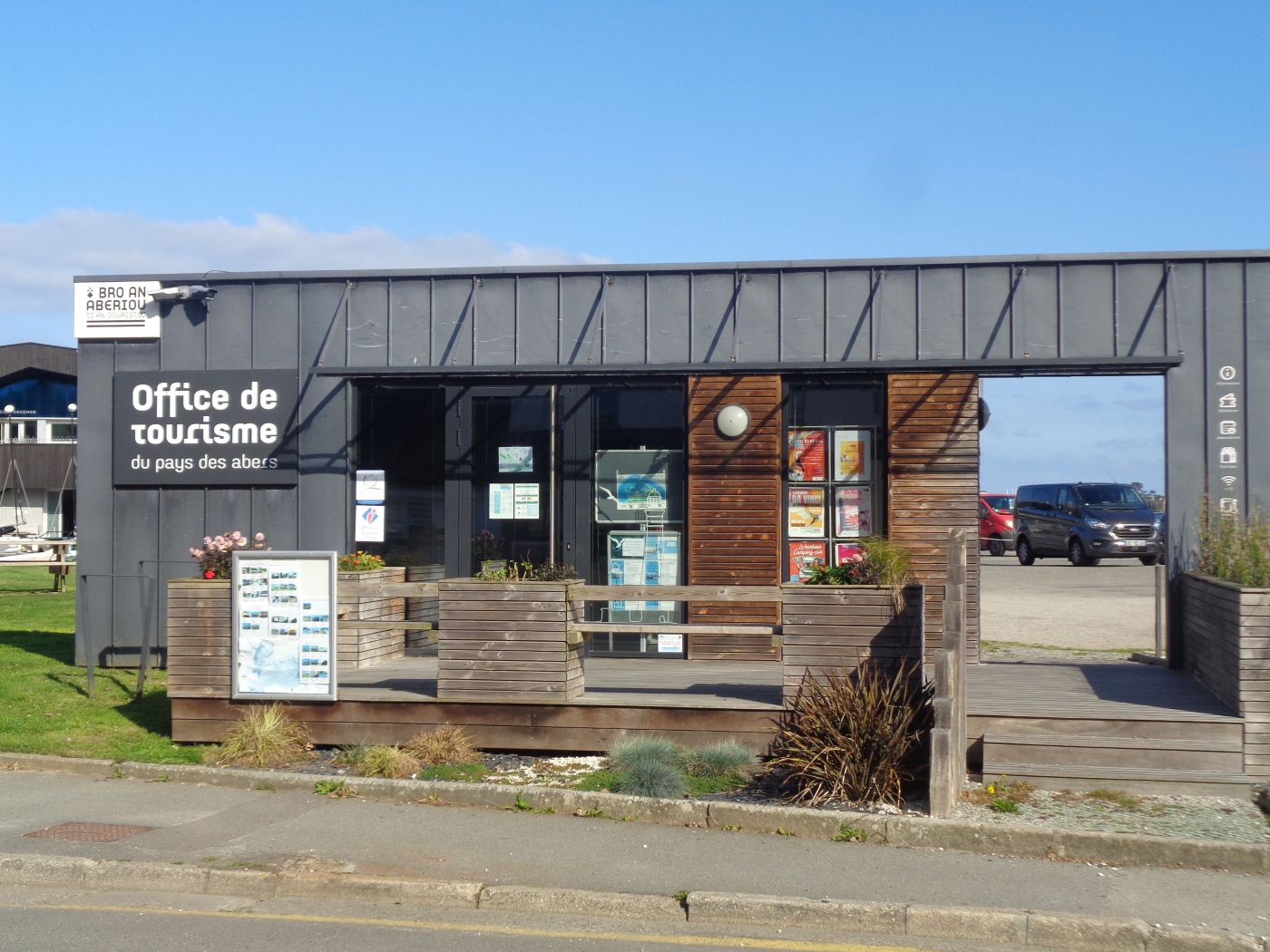
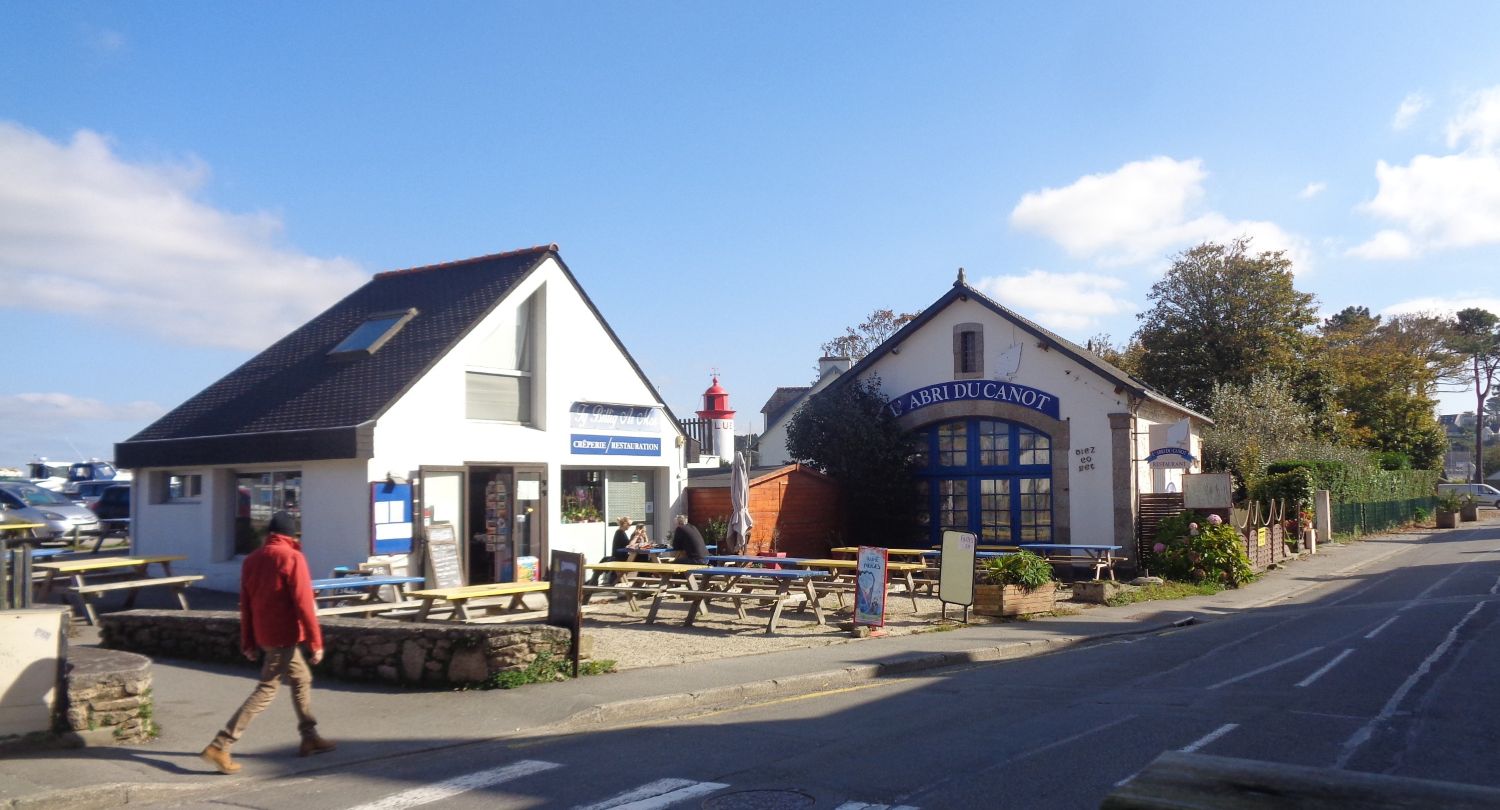
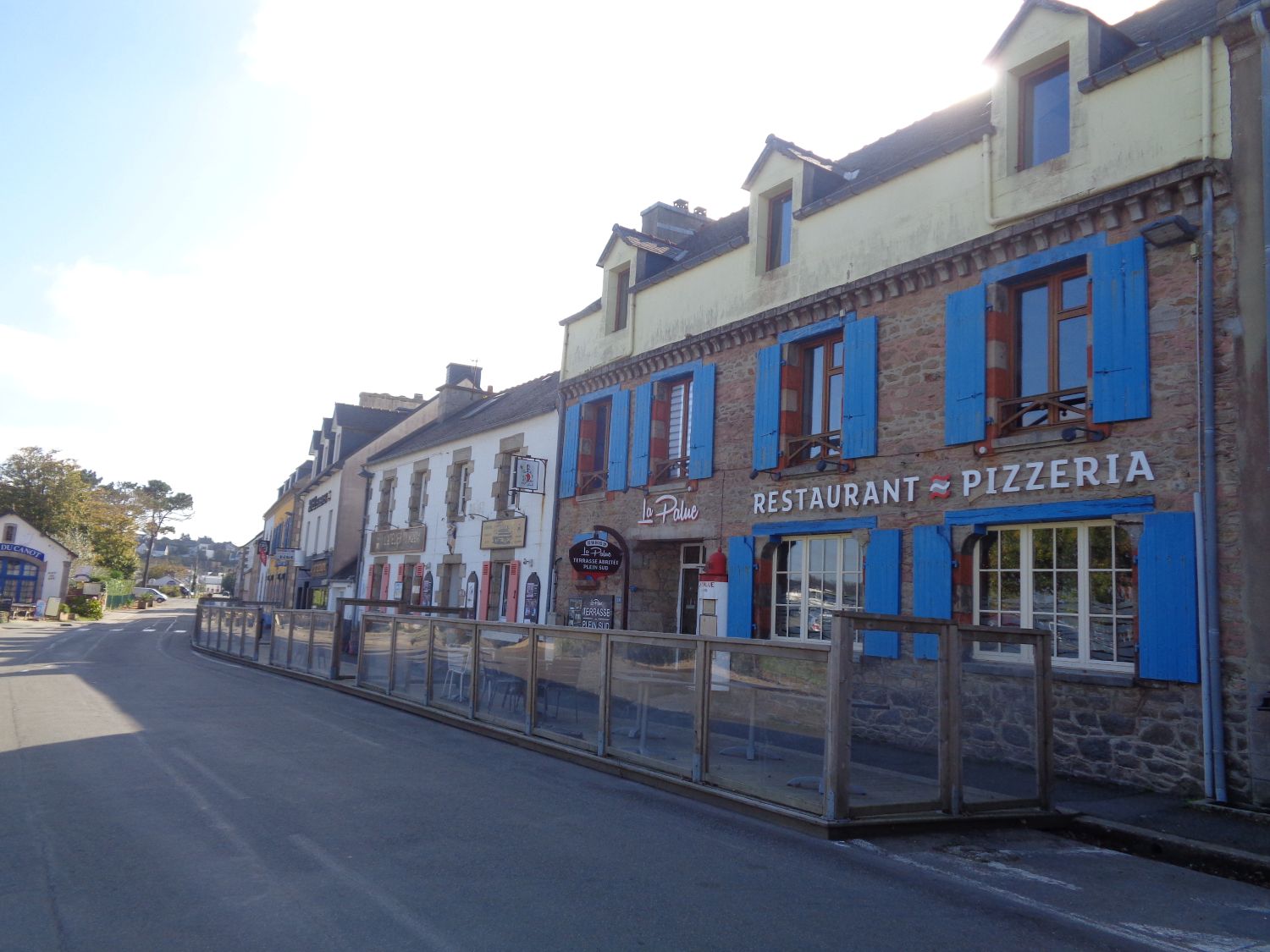
All along the port area of Aber Wrac’h you have the tourist office and several restaurants to please everyone. We did not try any this time as were on a road warrior trail visit…..And only 2h10 from home.
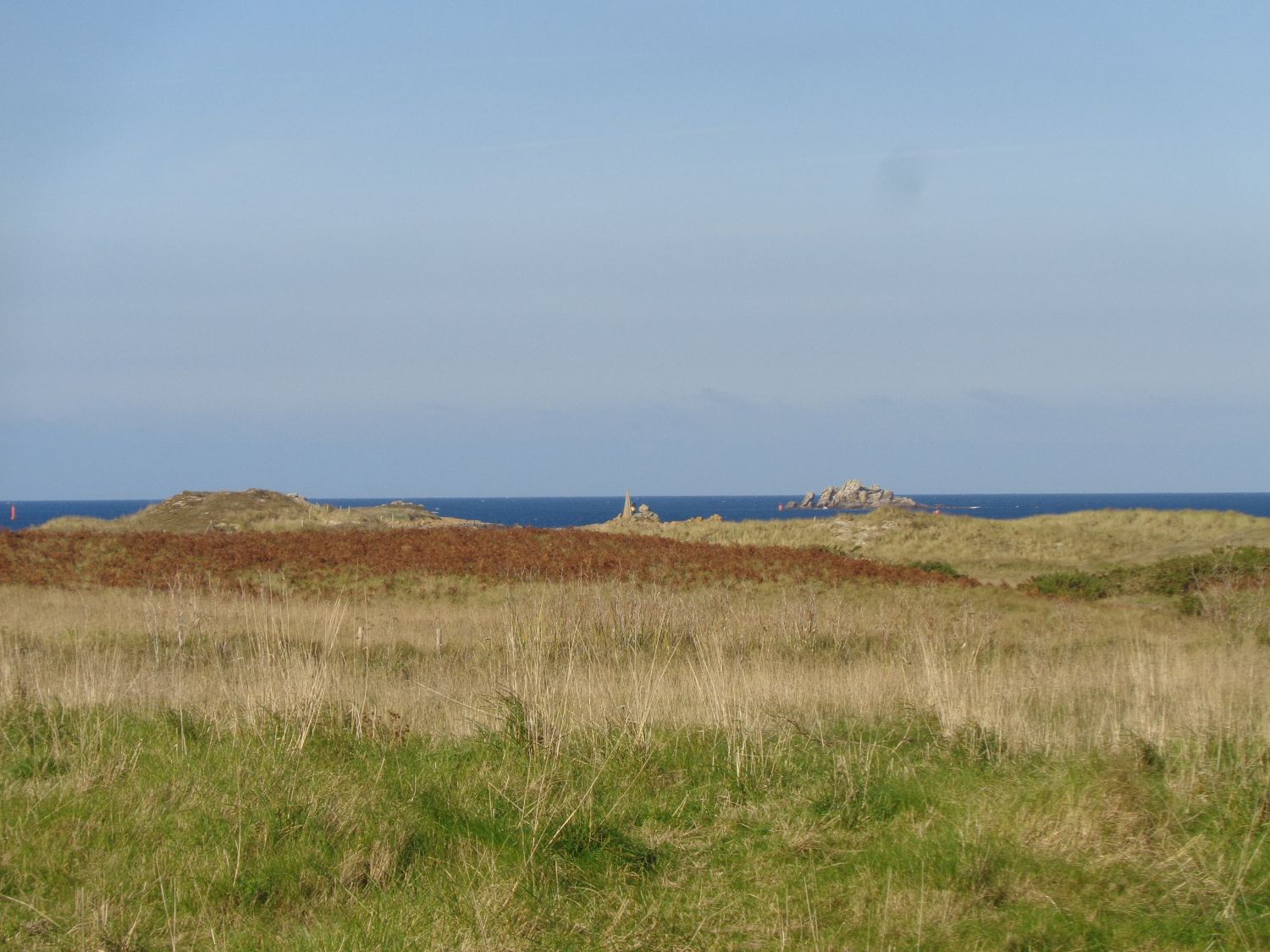
The Four à Goémon or seaweed oven was done by seaweed harvesters or fishermen of seaweed or kelp, which are brown, red, or green algae. This maritime practice is found mainly in the Léon region, between the Bay of Lannion and the harbor of Brest. The activity develops easily there, making the region the leading producer of seaweed in France since the 19C. The harvest lasts from May to October. Once collected, the seaweed is transported using baskets, stretchers, or carts. There are still about ten visible ovens, two of which are regularly maintained on the dunes of Sainte Marguerite by the town of Landéda. A furnace is a channel 10 to 15 meters long, 40 centimeters deep, and approximately 60 centimeters wide.

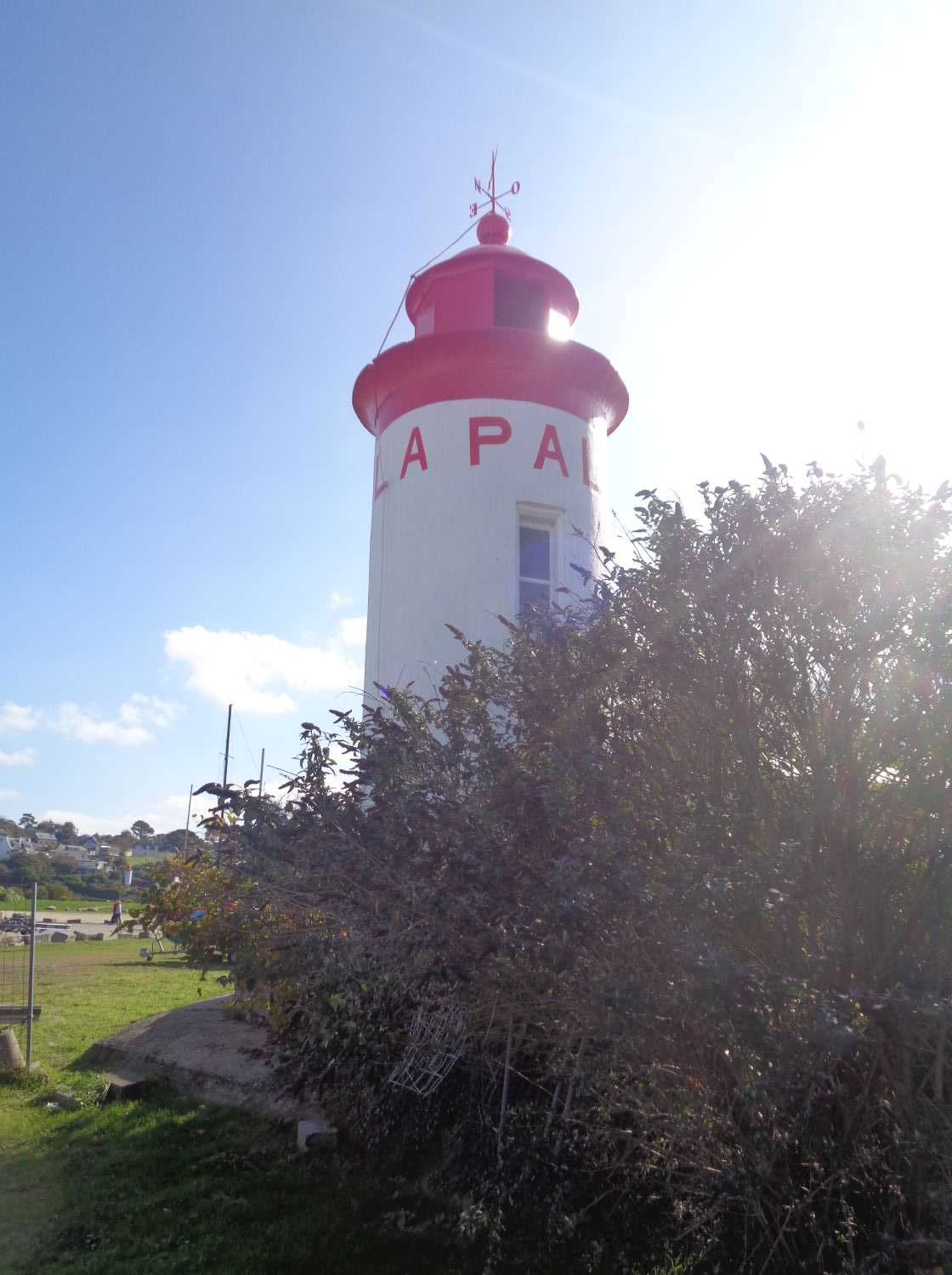
The Glaizot brothers together founded a factory opposite the La Palue lighthouse in 1874. The purpose of this factory was to industrialize the production of iodine from seaweed. This artisanal factory was able to support the area’s seaweed harvesters until the 1960s thanks to its modernization. Today, only the factory offices remain visible, having since been converted into homes. The French Iodine and Algin Company (a viscous nitrogenous substance found in seaweed) opened its doors in the coastal town in 1930. The Saint-Antoine factory began to run out of steam due to water supply difficulties and increasing foreign competition. These difficulties eventually led to the company being wound up. In order to give it a second life, the factory was transformed into a boat shelter before being requisitioned for the assembly of aircraft (which were sabotaged by the nazis) during WWII. The building of the old factory was then reused as housing for workers on the Atlantic Wall. In the late 70s, early 80s it was sold and its chimney was destroyed after 3 dynamiting attacks, and it ended for good,
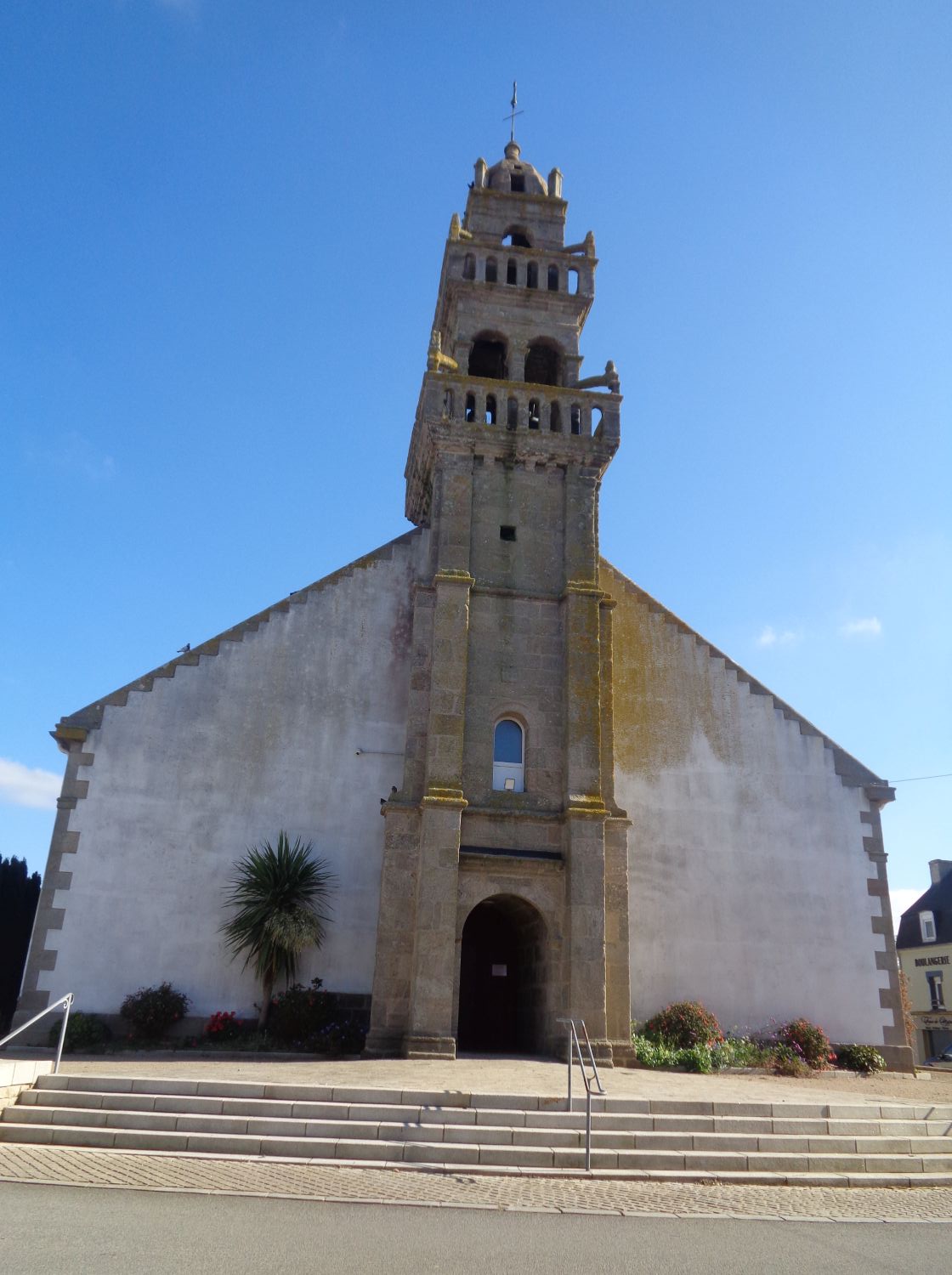
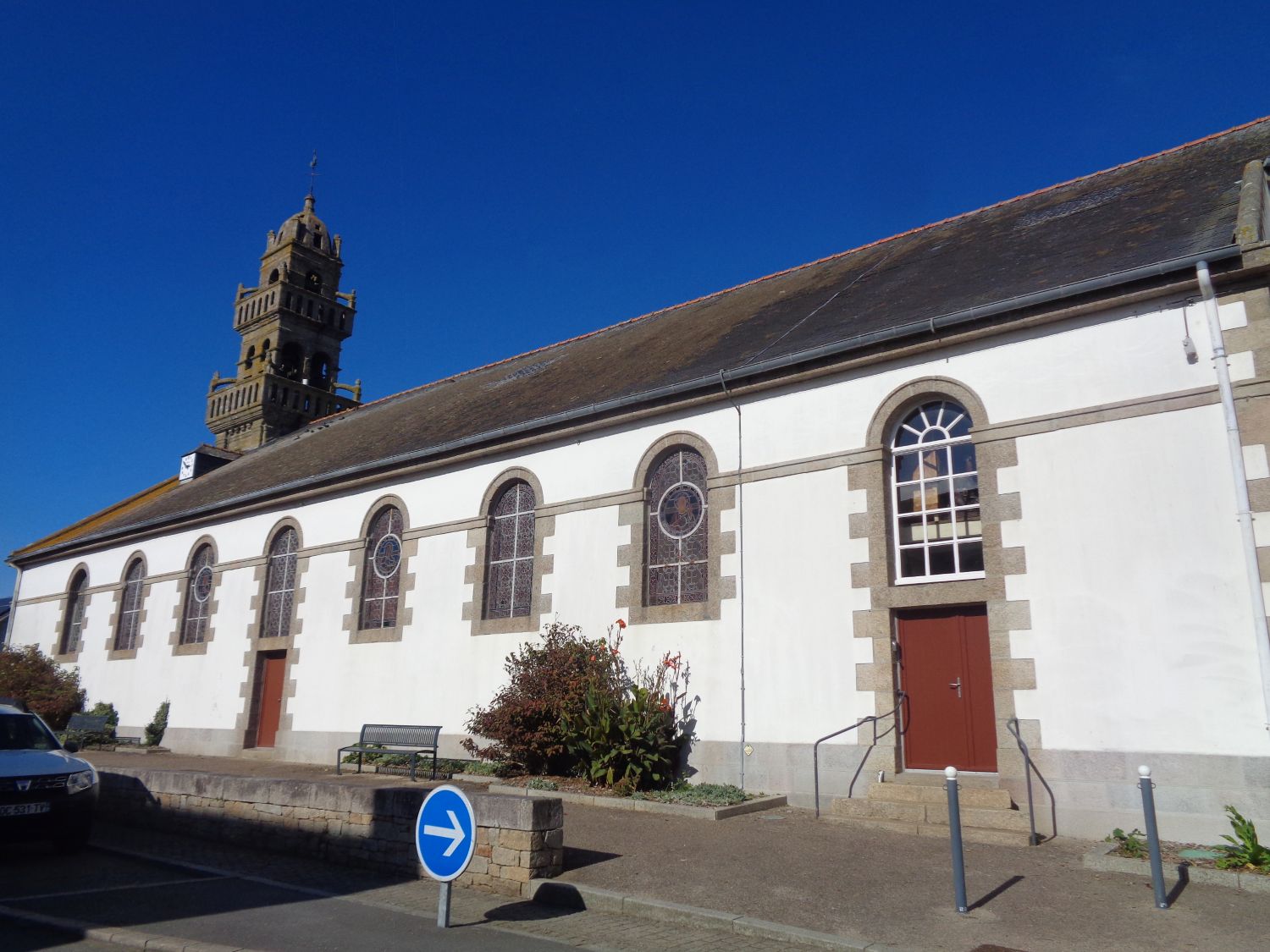
The parish Church Saint-Congard dedicated to Saint Congard by Yves-Antoine de Longueuil, Bishop of Léon between 1484 and 1500, the current church dates from 1846, but its half-embedded bell tower, preserved from the earlier church, bears the date of 1731, but was struck by lightning in 1821. The church has a nave of seven bays, semi-circular arches and painted paneling in the choir. A stone statue of the Virgin Mary, called Our Lady of the Angels, from the abbey of the same name, is located there.
Other things to see here are the Phare de l’île Vierge or Virgin Island Lighthouse from the port of Aber Wrac’h, One of the most precious jewels of the Aber region, the tallest cut stone lighthouse in Europe lights up the horizon from a small uninhabited island visible from the town. Climbing these 365 steps offers an unparalleled panorama of the surrounding area! Visits are possible from March to October, from the port of Aber Wrac’h with the Aber speedboats. The sémaphore de l’Aber-Wrac’h or the Aber-Wrac’h signal tower dating from 1861, provided surveillance and communication for ships cruising off the coast. It was decommissioned in 1986. Purchased by the town of Landéda ; it is located in an exceptional panoramic location and is primarily used for exhibitions and cultural conferences. The latest was Spectre des havres, Edgar Flauw + Les rencontres d’Abers Lab October 10-12,2025 Open Friday to Sunday, from 114h to 17h30. The Chapelle Saint Margaret, located at the highest point of the peninsula formed by Landéda, at the place called Kleger Meur (“Grand Rocher”), deteriorated in the first half of the 19C, losing its bell tower in 1821, but was rebuilt according to a simple rectangular plan with a bell tower in 1851 using stones from a chapel originally located on Tariec Island. The chapel contains polychrome wooden statues of the Virgin Mary and Saint Margaret. The Chapelle de Troménec Castle, also known as the Saint-Laurent-de-Kerviré chapel is the only remaining vestige of the former fortified manor of Troménec, founded in the 15C. Its west gable features a fine granite rose window formed of six quatrefoils surrounding a central six-leaf. It now houses the tomb of Simon de Troménec, moved from the parish church during its reconstruction, and the recumbent statue of François de Kermavan.
The Chapelle de Brouennou or Saint-Eveltoc , dates from the early 17C. It contains the relics of Saint Gouesnou and was the parish church of Brouennou. Its bell tower dates from the 18C. After its annexation by Landéda, the church fell into ruins, but was rebuilt from 1857. It has a statue of Ecce Homo and another of Saint Gouesnou. The Saint-Antoine fountain, in Gothic style, dates from the 16C ; its niche bears a statue of Saint Anthony; the chapel located nearby has disappeared: it was in this chapel that the famous preacher Michel Le Nobletz received instruction in 1587 from three priests, the Gourvennec brothers.
The local Abers tourist office on the Aber Wrac’h : https://www.abers-tourisme.com/decouvrir-les-abers/aber_wrach/#section02
The Bretagne region tourist office on the Abers and lighthouses trails : https://www.brittanytourism.com/destinations/the-10-destinations/brest-terres-oceanes/the-abers-and-the-lighthouse-trail/
The Abers country site on the port of Aber Wrac’h : https://www.paysdesabers.bzh/services-et-demarches/peche-et-nautisme/port-de-laber-wrach/
The town of Landéda on its heritage : https://www.landeda.fr/decouvrir/
There you go folks, another dandy with very nice views of the channel and beautiful secluded creeks and beaches we like it. Looking forward to be back, eventually. Again, hope you enjoy this post on curiosities of Landéda !!! as I.
And remember, happy travels , good health, and many cheers to all !!!

 Paris1972-Versailles2003