
Let me bring you to another off the beaten path town of the southwest of my belle France. We have criss cross the region in our road warrior days and really enjoy passing by these towns of much neglected history and architecture. I have other posts on the town in my blog, but this one will concentrate on telling you about the Church Sainte Foy of Morlaas !! Hope you enjoy the post as I.
Morlaàs is located in the Pyrénées-Atlantiques department 64, in the Nouvelle-Aquitaine region, just 11 km from Pau where we were based. We arrive at wonderful Morlaàs, the town is connected with the D39 and D943 roads from Pau traversing the A64 highway. The town had a commandery of the Order of St. John of Jerusalem from Carvalho and Morlaàs. There were convents of Jacobins and Cordeliers.
From the 10C to the 12C, Morlaàs was the residence of the viscounts of Béarn and capital of Béarn in place of Lescar (see post), destroyed in the 9C. Orthez (see post) will follow in the 12C. The Morlaàs charter dates from 1101. Morlaàs had been minting at the castle of Hourquie (or Fourquie, the exact location of which is unknown to us today) since the 9C; the soil morlan was used in all the south of France during all the Middle Ages. In 1690, the monetary workshop was transferred to Pau. Morlaàs’ weights and measures were used as standards throughout Béarn and as far as Soule and Basse-Navarre.
In Bourg-Mayou, vestiges of the city fortifications of the 11-12-14C, called Pousterles, bear witness to the town’s ancient past. The fountain known as Baratnau, place Sainte-Foy, dates from 1635 and the house of Jeanne d’Albret from 1451. Still on the same square, we find the old city/town hall, transformed into a police station, then into a school, built in 1832. On this same square, the Morlaàs museum can be proud of a rich collection of medieval or more recent objects, paintings, weapons, keys, furniture, sculptures, a funerary slab and various architectural elements.
Therefore, let me take you to see this nice jewel in Morlàas, the Church of Sainte Foy!
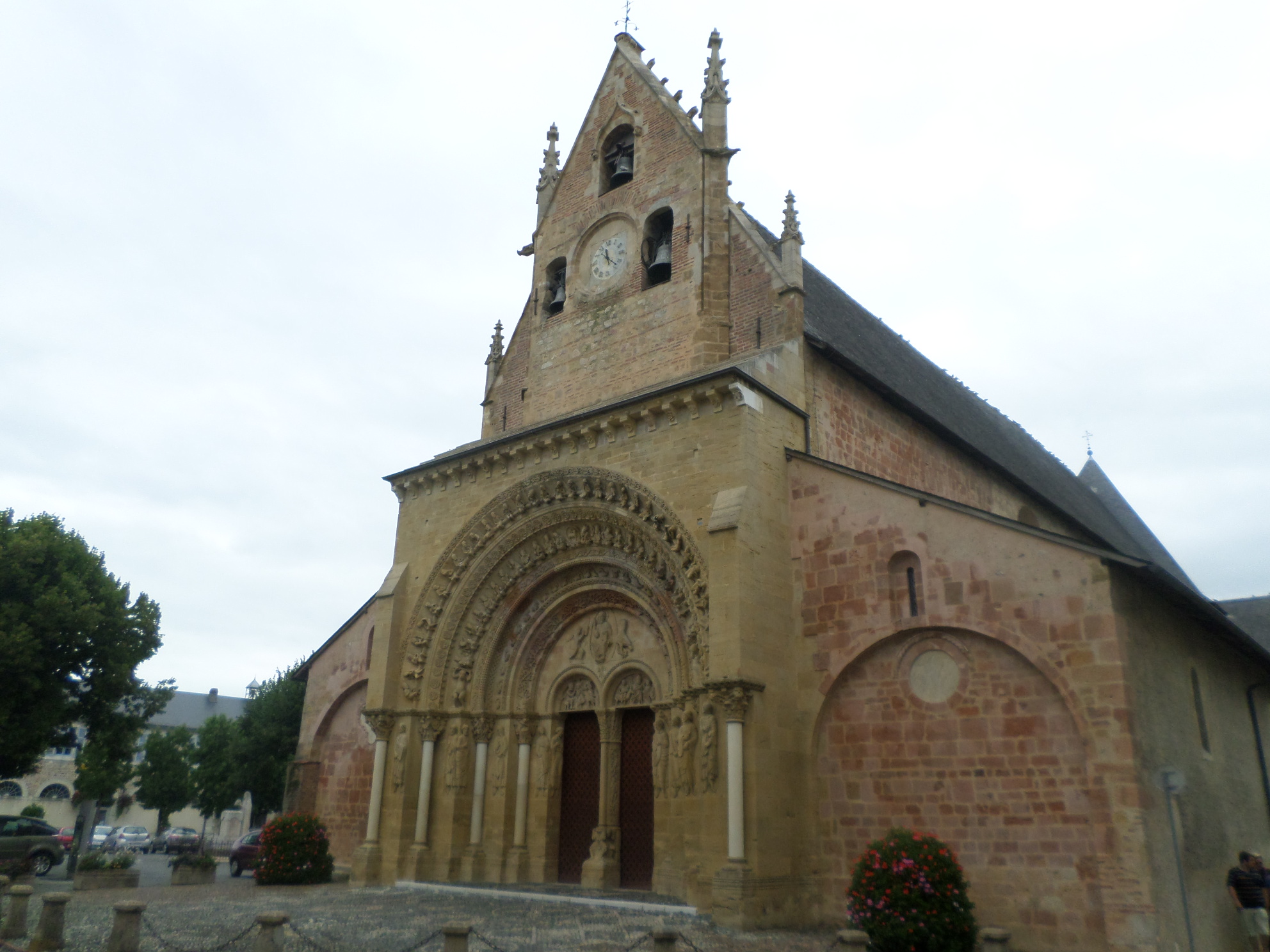
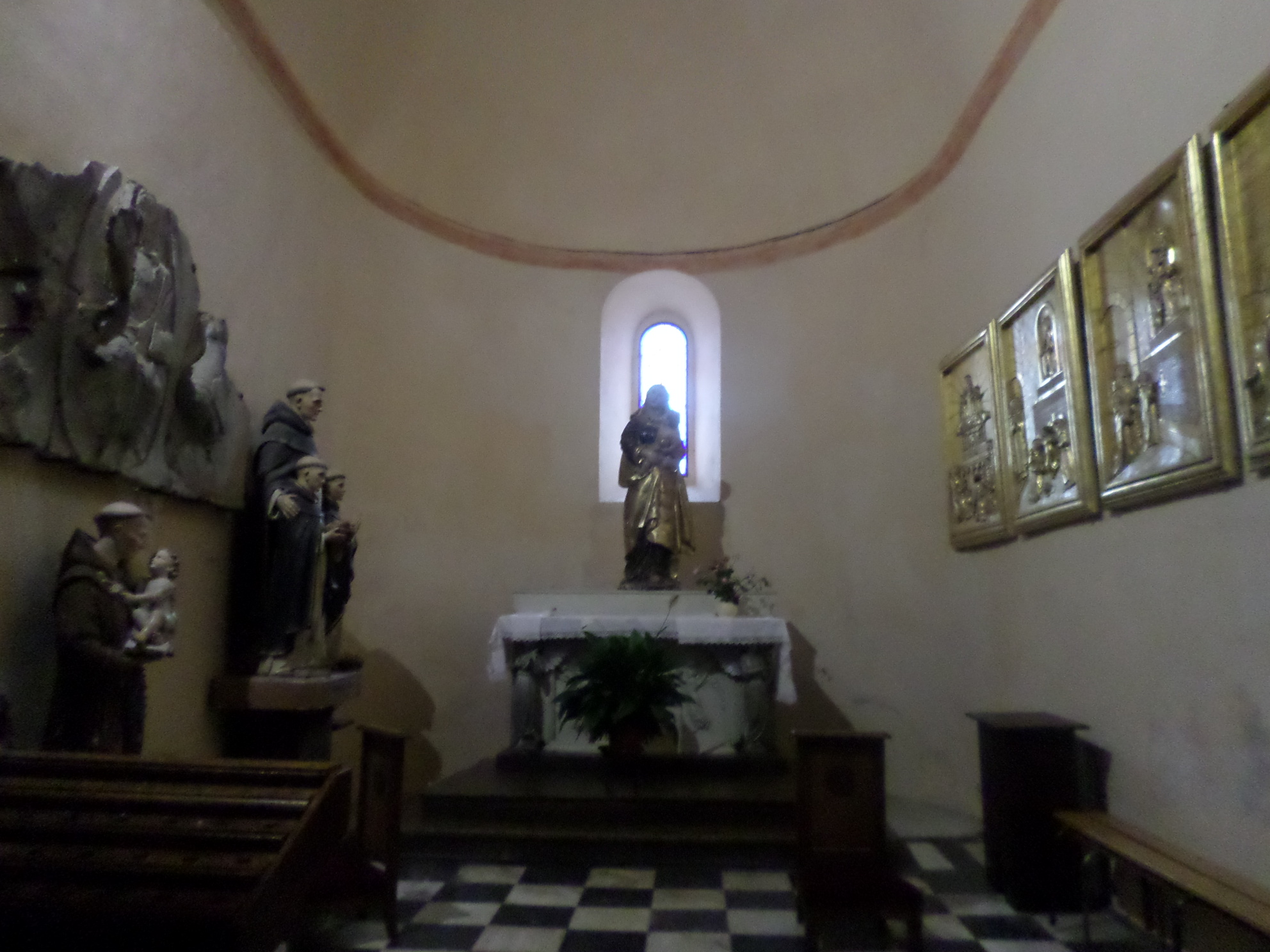
The reason of this post as other info in other posts is on the Romanesque Church Sainte. Foy which partially dates from the 11C. Its construction was begun during the reign of Centule V. The main items inside are a 19C monstrance, paintings, an altar and a commemorative plaque dated 1301. The Church is a stage on via Tolosane , Latin name of one of the four paths of France for the Pilgrimage of Santiago de Compostela; the southernmost path.
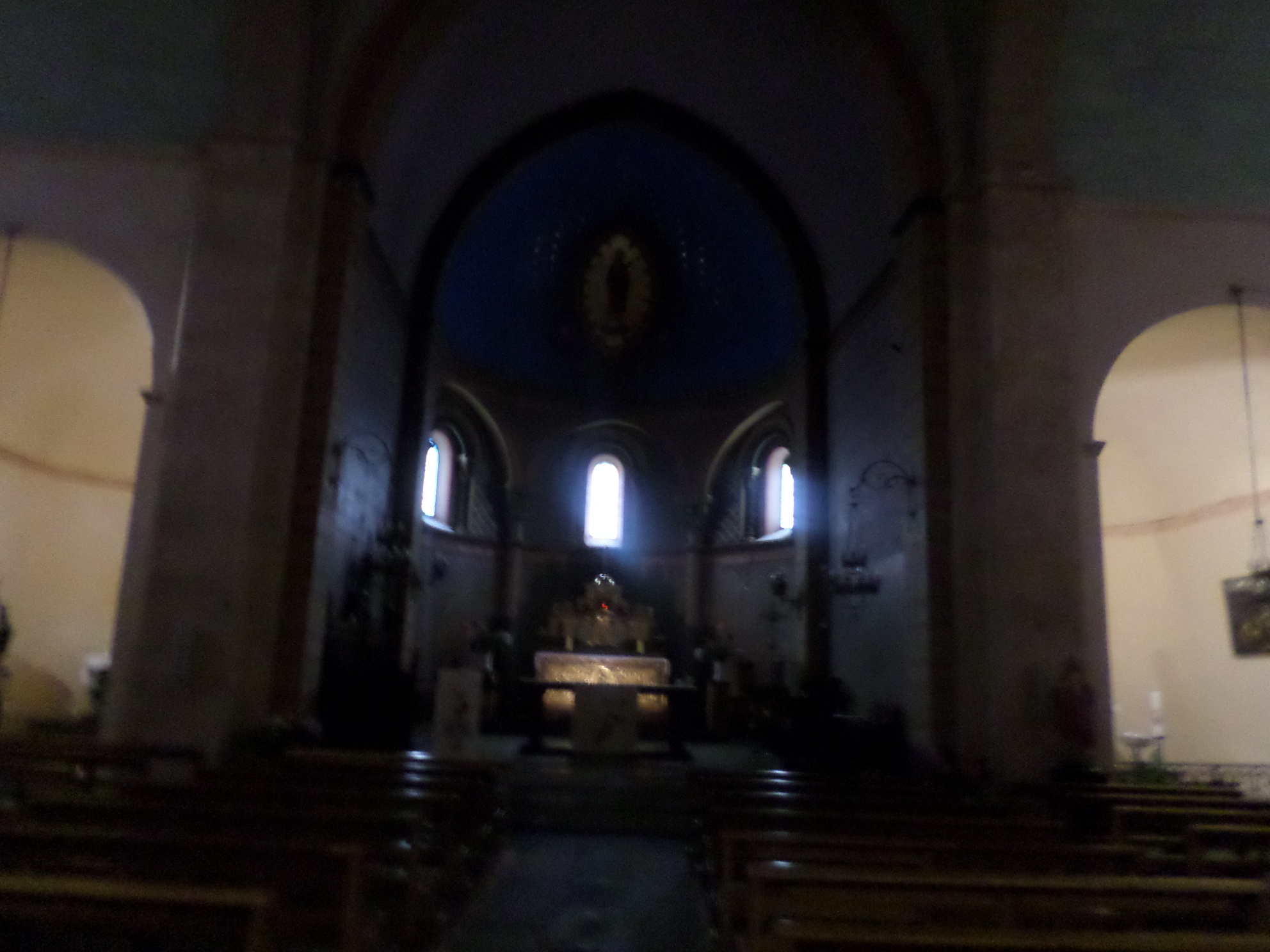
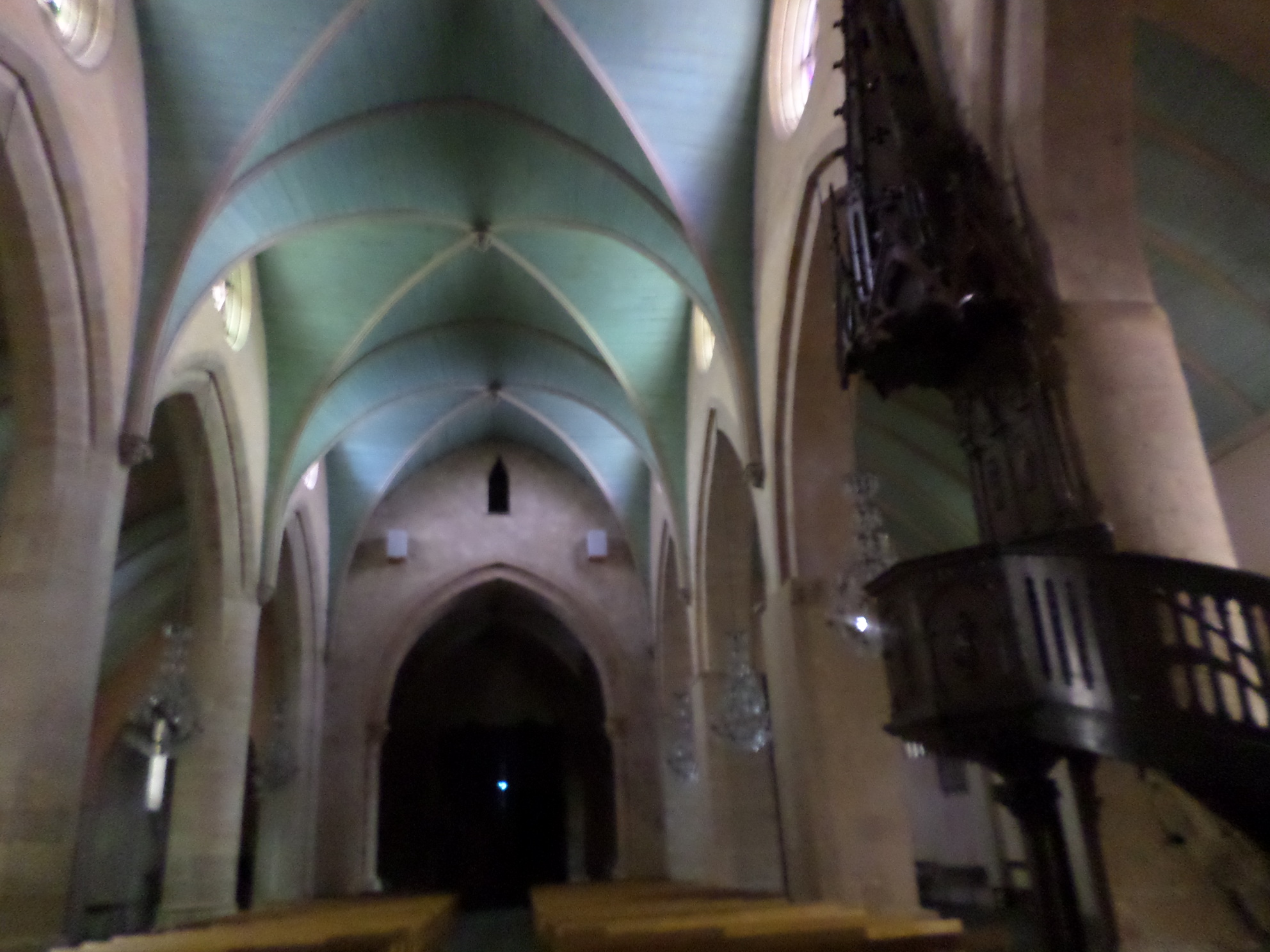
This religious building, founded in 1080, is wanted by Centule V, viscount of Béarn. Today, it testifies to the past grandeur of Morlaàs. The church is dedicated to Sainte Foy, a 3C martyr and one of the most venerated saints in the Middle Ages, The Church Sainte-Foy de Morlaàs has a portal of the greatest interest: Romanesque work with a carved tympanum of the type Languedocien. The statuary represents Christ in majesty surrounded by the 24 elders of the Apocalypse and the Apostles in the openings of the portal. The restoration by Viollet le Duc was decided in 1857 and completed in 1903. There is also a Romanesque crypt under the choir.
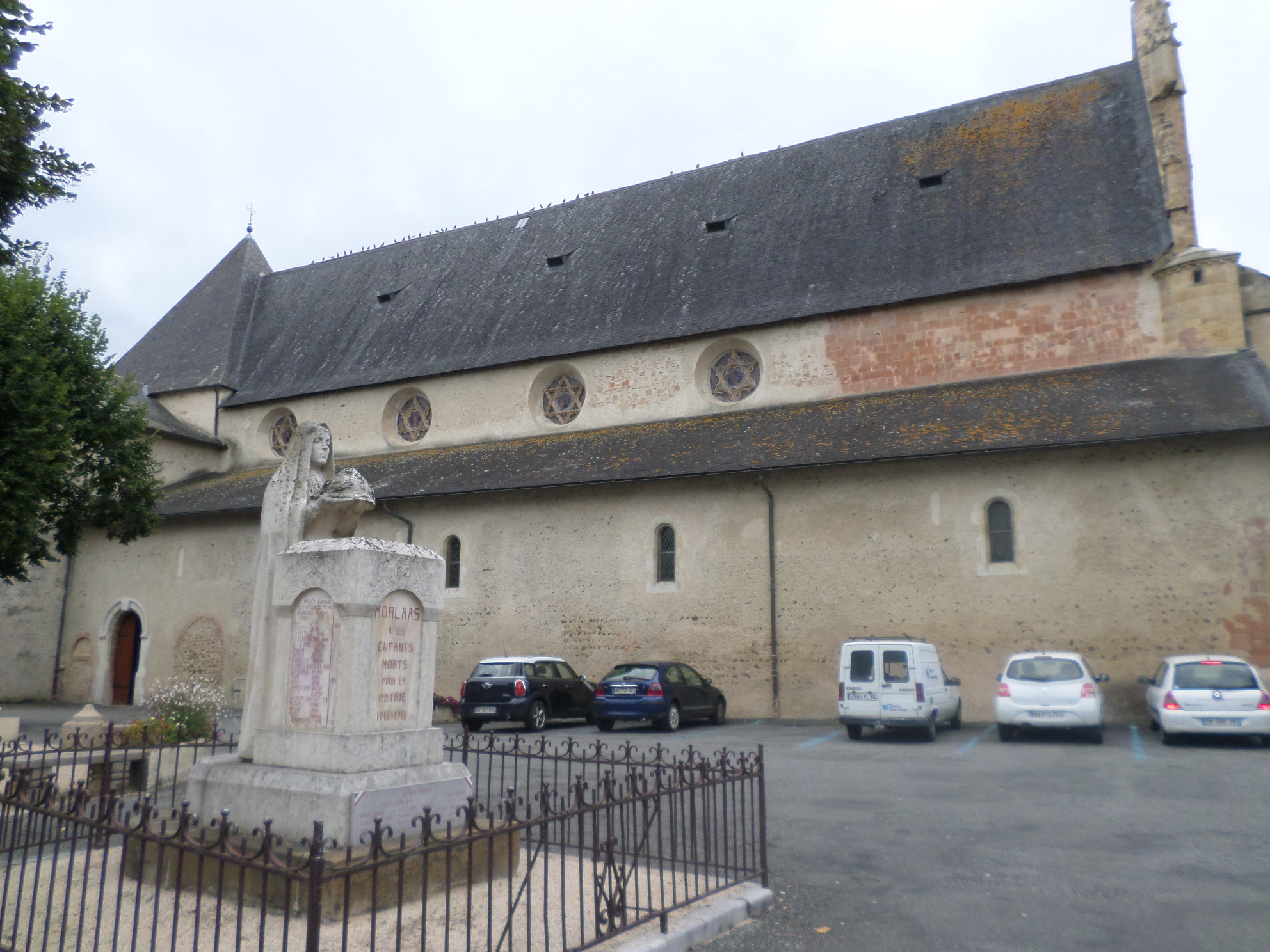
Other things to see here, me think are the fountain known as Baratnau, place Sainte-Foy, dates from 1635 ; this square also welcomed, from the 17C until 1845, a market; there is ,also the house of Jeanne Albret from 1451 as well as the Musée de Morlaàs with a rich collection of medieval or newer objects, paintings, weapons, keys, furniture, sculptures, a funerary slab and various architectural elements. The Château de Baratnau (at Place-dit Grange de Baratnau) was built around 1540. The Château de Sarrabat, at the square of the same name, was built at the end of the 19C. There are eleven windmills in Morlaàs, some of which have preceded 1385. St. Andre’s Church, rue Bourg-Neuf, partially dates from the late 11C. The Cloister of the Benedictine priory of St. Faith dates in part from the 11C. A Church belonging to the Saint John Hospital Commandery of Jerusalem is reported in 1318 at the place Berlanne. Several times demolished and rebuilt (destruction by the Protestants in 1569, re-erection in 1610, demolition in the 19C, new inauguration in 1902), it is still the subject of a pilgrimage. A first Convent of Jacobins was built in 1268, north of Bourg-Mayou, then destroyed in a fire in 1569. The monks then occupied a new building, dating from the 16C. You can see five capitals of marble columns Rue Molaàs-Vielle, the Convent of Cordeliers was founded before 1290 by Gaston VII of Béarn.
A bit of history of Morlaàs I like tell us that there were convents of Jacobins and Cordeliers. Morlaàs printed money at the Château de la Hourquie (or the Fourquie, whose exact location is unknown to us today) since the 9C. The Morlan money was used throughout the south of France throughout the Middle Ages. In 1690, the monetary workshop was transferred to Pau. The weights and mesures of Morlaàs served as standards throughout the Béarn and up to Soule and lower Navarre.
The city of Morlaàs on its heritage: https://www.mairie-morlaas.fr/la-ville/histoire-et-patrimoine/
The Béarn Pyrénées guide on Morlaàs: https://www.guide-bearn-pyrenees.com/en/tourism/discover/tourist-sites/towns-villages-and-bastides/morlaas-274/morlaas-1248.html
The Pyrénées Atlantiques tourist office on the Church Sainte Foy of Morlaàs: https://www.tourisme64.com/en/activities/morlaas/PCUAQU064FS000BL-eglise-sainte-foy/
There you go folks, another dandy for you to visit this beautiful architecture and historical city of Morlaàs , And do not forget to visit the Church Sainte Foy, Again, hope you enjoy the post as I.
And remember, happy travels,good health, and many cheers to all !!!

 Paris1972-Versailles2003