
This is one of those towns we came in my local road warrior trails while living in Versailles, the choices are endless just here alone. It is worth the detour for the quant pretty real towns and villages of my belle France, I am glad to have found me these pictures in my cd rom vault that made me do it for you and me. Therefore, here is my take on this is Lévis Saint Nom !!! Hope you enjoy the post as I.
The village of Lévis-Saint-Nom is located in the Yvelines department no, 78 in the Île-de-France region of my belle France,. It is located in the Chevreuse Valley.The D 58 road, which crosses the village along a north-south axis, leading to Le Mesnil-Saint-Denis and La Verrière and to Dampierre-en-Yvelines and Chevreuse. It is 19 km from Rambouillet, 9 km from Chevreuse, 29 km from Dourdan, 22 km from Versailles, 452 km from my current home, I came here from Versailles, along passing rive gauche château train station, then around the potager du roi and parc Balbi towards connecting with the N12 highway dir Dreux, to connect with the A12 autoroute dir Trappes to connect with the N10 highway dir Rambouillet but bear right into center of Elancourt on the D58 road continue passing City center Mesnil Saint Denis continue on the D58 road and see panel on right side for the abbey, continue into city center Lévis Saint Nom.
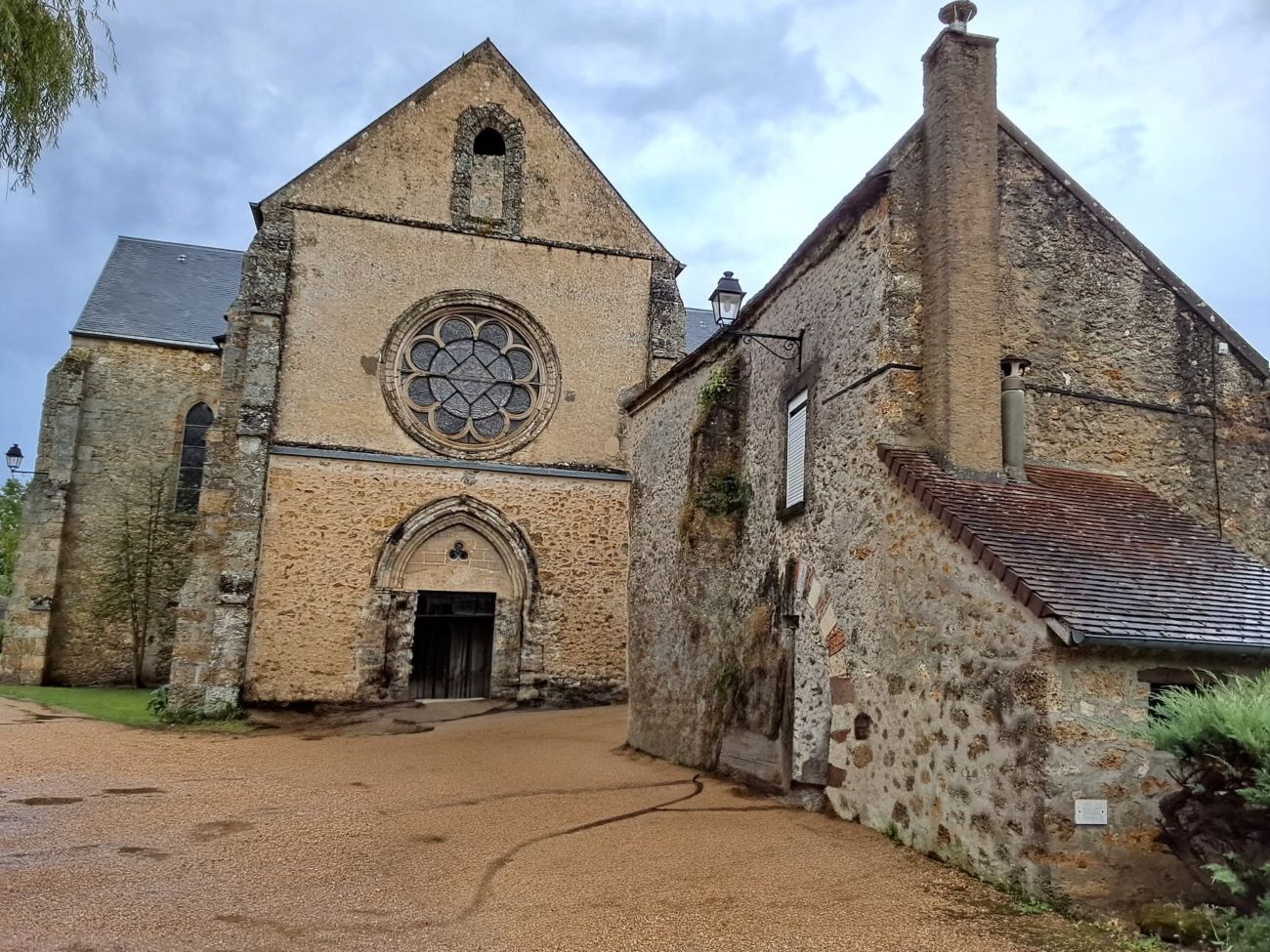
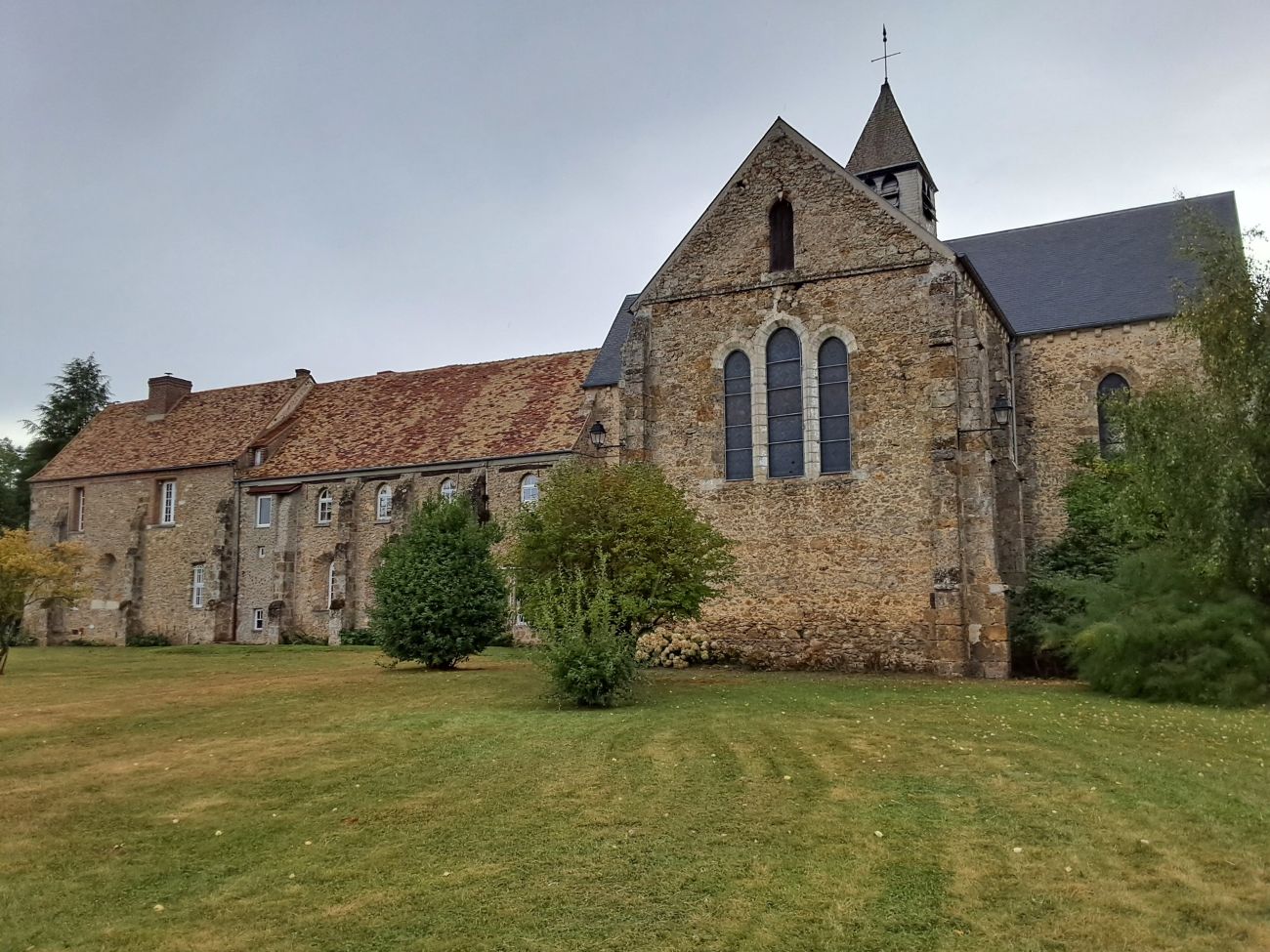
The Abbaye Notre-Dame-de-la-Roche Abbey, was founded by Guy I of Lévis around 1196, this abbey was built between 1232 and 1250; the dwellings and outbuildings date from the beginning of the 17C. The abbey still houses the burial place of the lords of Lévis, since Guy I (i.e. from the 13C to the 20C). Legend has it that the abbey was built on the site of a statue of the Virgin, dug up by a bull. It was in fact Guy de Lévis, following a victory over the Albigensians (cathars), who had the abbey constructed. Spared during the French revolution and sold as National Property, the former Augustinian abbey is now transformed into a professional horticultural center. Among the many religious objects it houses, the stalls are remarkable. Dating from the 13C, they are said to be among the oldest in France. The decorations and motifs with which they are adorned testify to the abbey’s importance and wealth.
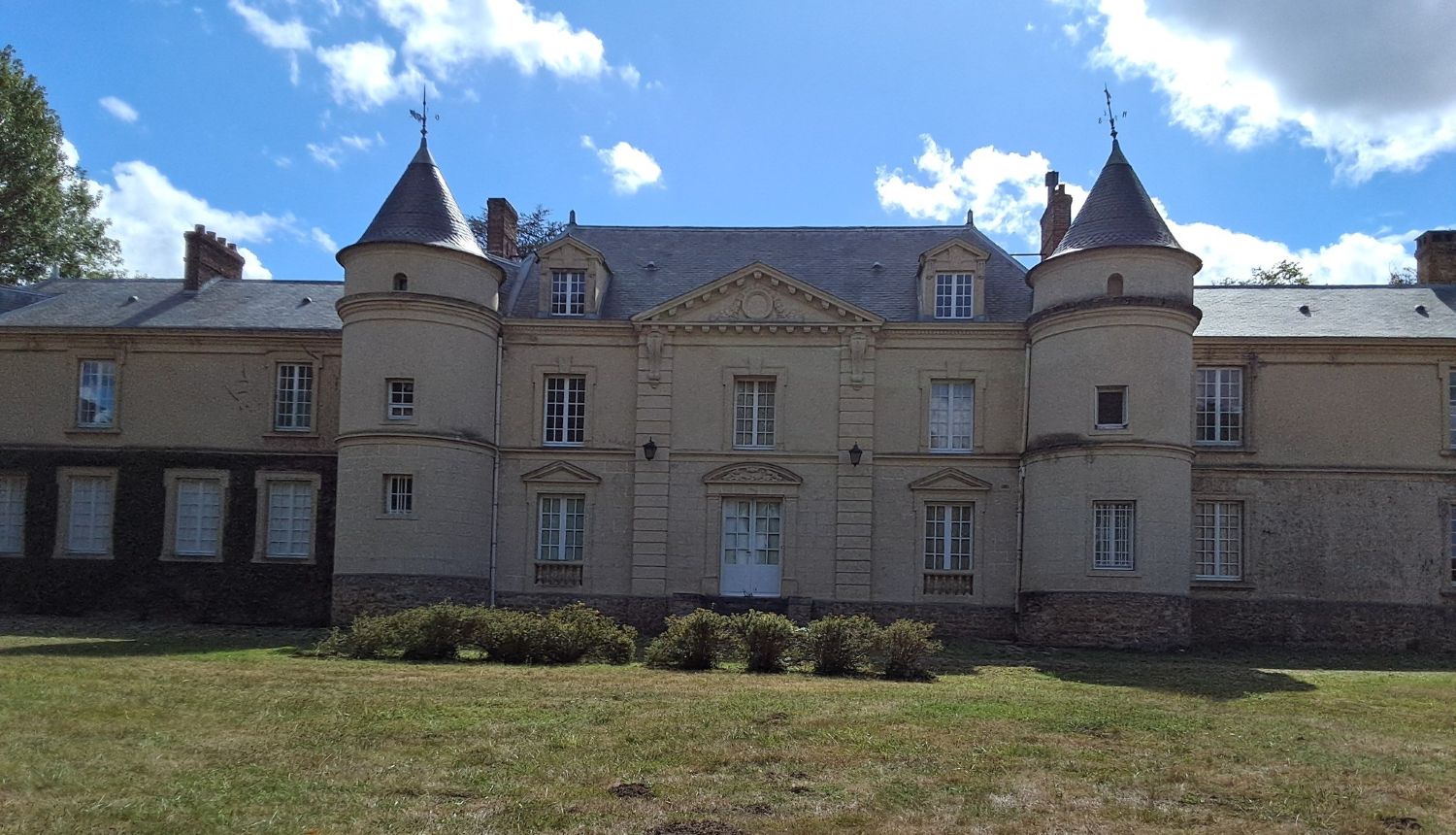
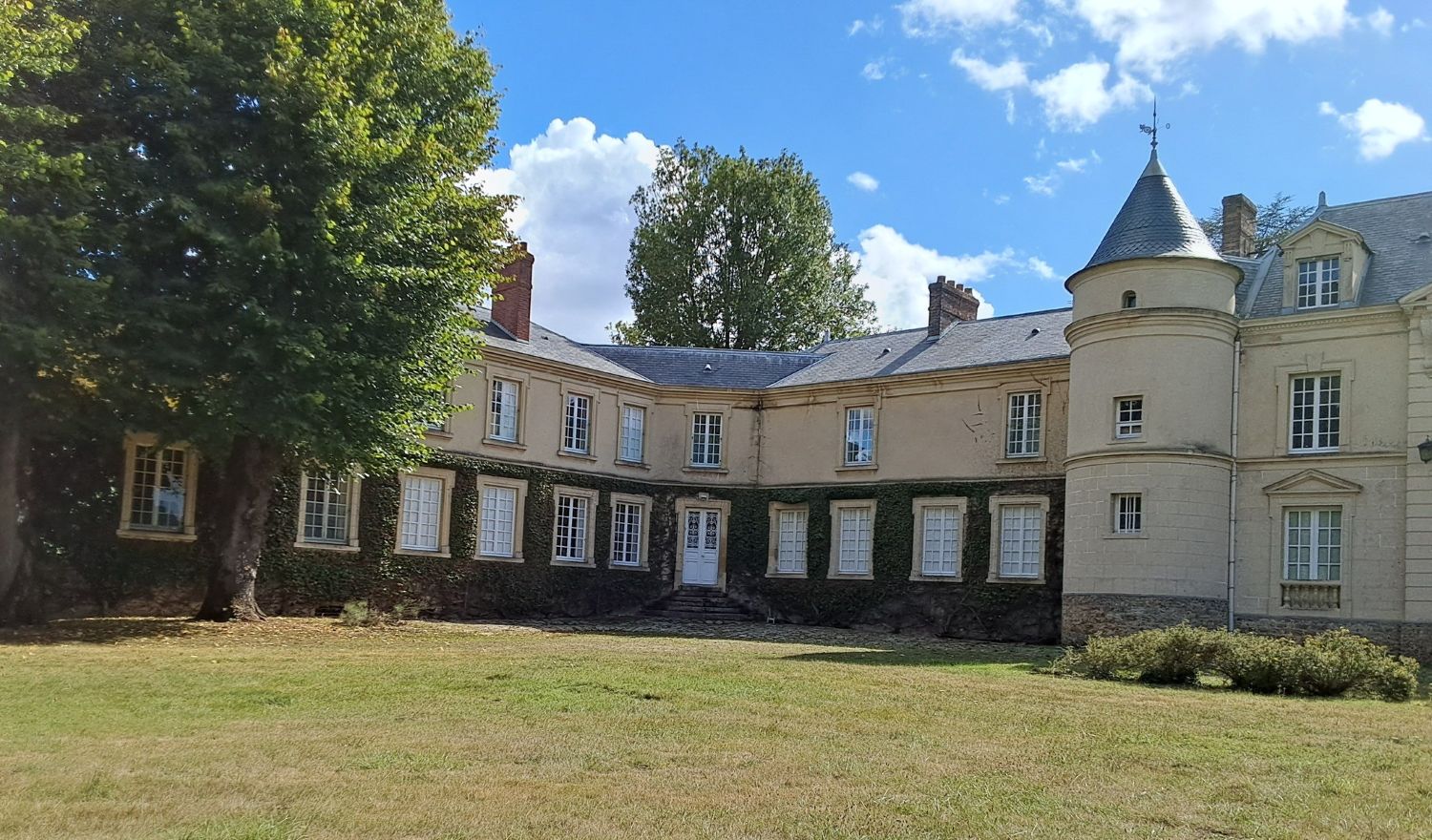
The Château de La Boissière-Beauchamp, at the place called La Boissière, was originally built at the beginning of the 18C, then destroyed to make way, towards the end of the 18C the beginning of the 19C, for the current castle. The outbuildings built in the 19C. The castle has a symmetrical layout, consisting of a basement, a square floor and an attic floor. The park has a garden, outbuildings and a dovecote. Of the 800 ha that make up the village of Lévis-Saint-Nom , 600 belong to the castle estate. In January 2020 a Parisian couple, Audrey and Xavier Alberti, bought the estate. She is the former agricultural advisor at the Élysée after having been the general delegate of Vin & Société. He is CEO of Collectionneurs (formerly Châteaux & Hôtels collection). For the time being, the castle is still in operation as a cereal farm.
Other things to see here if more time are the parish Church of Saint-Nom-et-Notre-Dame was built in the 13C and somewhat remodeled in the 18-19C; it is located outside the village, in a sort of clearing in the Saint-Benoît woods and surrounded by a few residences and the cemetery. A fortified castle was built in the 16C at the place called Le Marchais, restored and then sold in 1721 to the Count of Toulouse, Louis-Alexandre de Bourbon, who had it destroyed in 1727. The castle of La Cour Lévis, at the place called La Cour, was built at the very end of the 19C on the site of a castle from the end of the 18C which had been destroyed.The castle of Crussol, at a place called La Recette, had begun to be built in 1506 and remained unfinished. Today, only a few ruins and moats remain, and a farm has been established on the site of the former castle.
A bit of history I like tell us that the village of Lévis-Saint-Nom was first called Saint-Nom-de-Lévy, and this remained so until 1818. This is because Saint Nom had been given as the patron saint of the parish as early as the 8C. After Saint-Nom-de-Lévy, the village was called Lévy-Saint-Nom until the occupation during WWII, when it took on its current name, Lévis Saint Nom. The Lévis family appears in texts by 1181, and from this time onward, it is related to the houses of Chevreuse, Maurepas, and Bordes. This family was one of the most famous in the Hurepois region. A Lévis was apparently baptized just after Clovis, the first Christian. The full coat of arms of the Lévis, borne by Milon, eldest son of the first known Philip is found in the church, above the sacristy doors. The oldest lord of Lévis, known during the reign of Philip Augustus, is Philip of Lévis, whose son Gui I made the first donation to Notre-Dame de la Roche Abbey, which enabled the construction of the Abbey. From the 12C, the Lévis played an important role in the crusade against the Albigensians (cathars), alongside Simon de Montfort. Louis VIII nicknamed them “the Marshals of the Faith” on this occasion. Gui I was the first Marshal of the Albigensian, and received the castles of Mirepoix (1209) and Montségur (1226) as a reward for his services. He was the head of all branches of his illustrious house. The Counts of Lévis-Mirepoix, lords of Lévis-Saint-Nom, had received from the King of France the fief of the castle of Montségur occupied by the Cathars. After the capture of the castle in 1244, possession of the pog returned to Guy II de Lévis, official lord of Mirepoix since the treaty of 1229. It was his family who built the current castle of Montségur. The last lord of Lévis, Charles-Emmanuel de Crussol d’Uzès, exchanged Lévis-Saint-Nom with Louis XV in 1721. The latter did not hold this estate for long; in 1723, he sold it to Bernard du Rieu, Count of Fargis, who resold it in 1727 to the Count of Toulouse, who demolished the castle, reducing it to a simple territorial property, dependent on his vast estate of Rambouillet. Upon the death of the Count of Toulouse on December 1, 1737, his son, Louis Jean Marie de Bourbon, Duke of Penthièvre, succeeded him in all his domains and was the last Baron of Lévis. He sold his lands to King Louis XVI, at the same time as the Duchy of Rambouillet, by contract of December 29, 1783. In 1791,during the French revolution, During the French Revolution, the village provisionally bore the name of L’Yvette, These became national domain and suffered the common fate of the lands of this domain. They were sold, and passed into several hands.
The village of Lévis Saint Nom on its heritage : http://www.levis-saint-nom.fr/decouvrir-levis/patrimoine-culturel-de-levis
The Parc Naturel Régional de la Haute Vallée de Chevreuse on Lévis Saint Nom : https://www.parc-naturel-chevreuse.fr/un-territoire-preserve/le-patrimoine-dans-les-55-communes/la-carte-des-communes-du-parc/levis-saint
The Yvelines dept 78 tourist office on the Abbey Notre Dame de la Roche of Lévis Saint Nom : https://www.destination-yvelines.fr/visites-et-decouvertes/abbaye-notre-dame-de-la-roche-de-levis-saint-nom/
There you go folks, enjoy this wonderful ride into the French soul, and the countryside of the Yvelines dept 78 at quant nice off the beaten path village of Lévis Saint Nom, there is a lot more to see around here ! Again ,hope you enjoy this post on this is Lévis Saint Nom !!! as I.
And remember, happy travels, good health, and many cheers to all !!!

 Paris1972-Versailles2003