
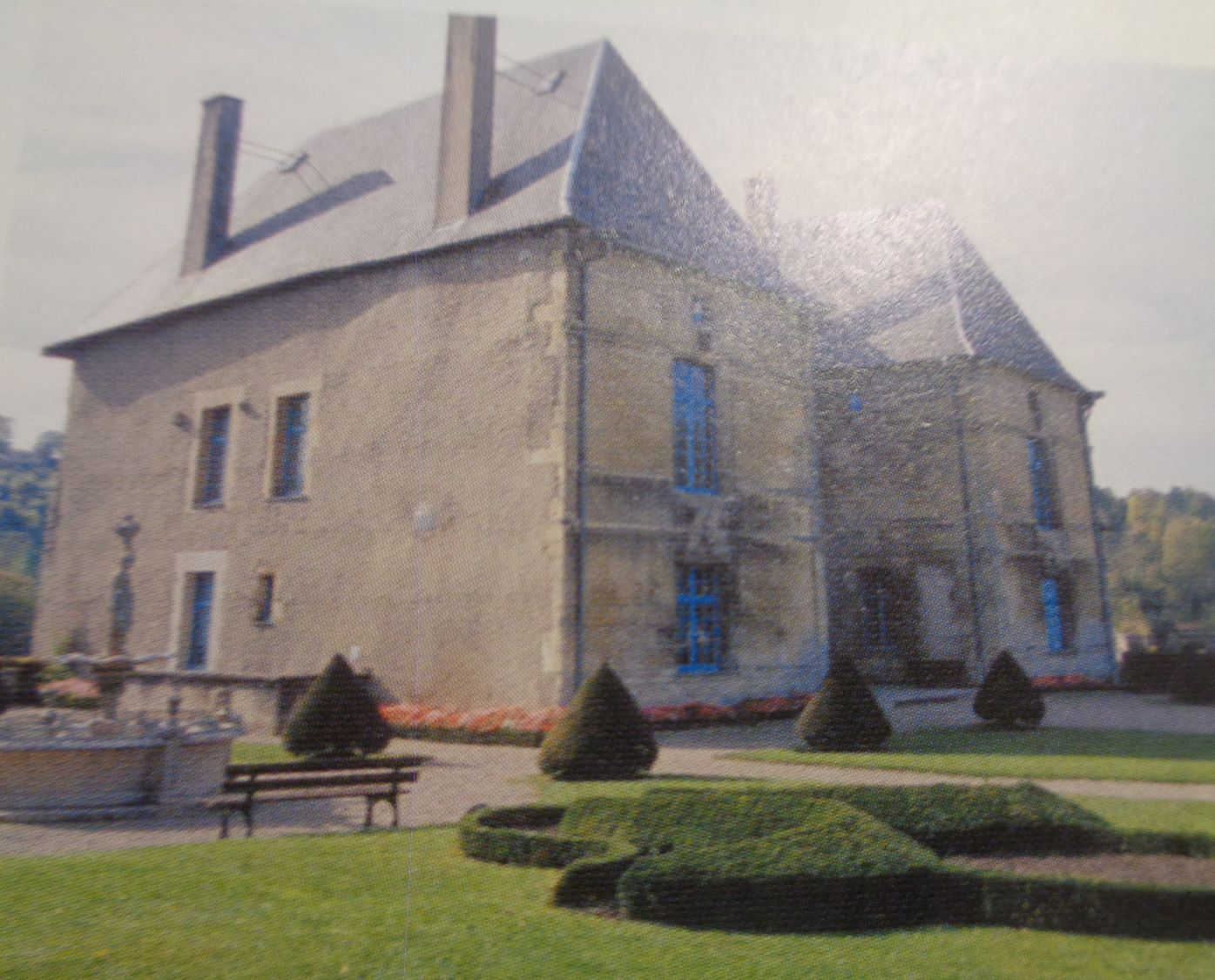
 The château des Ducs de Bar located on an esplanade south of the upper town is in fact the new Castel built in the 16C in the grounds of the castle. Composed of a main building with two wings in return, it was the headquarters of the Chamber of Accounts of the Duchy of Bar and now houses the Barrois Museum , The garden of the castle, in the French style, is a small set composed drums of boxwood and cut yew,
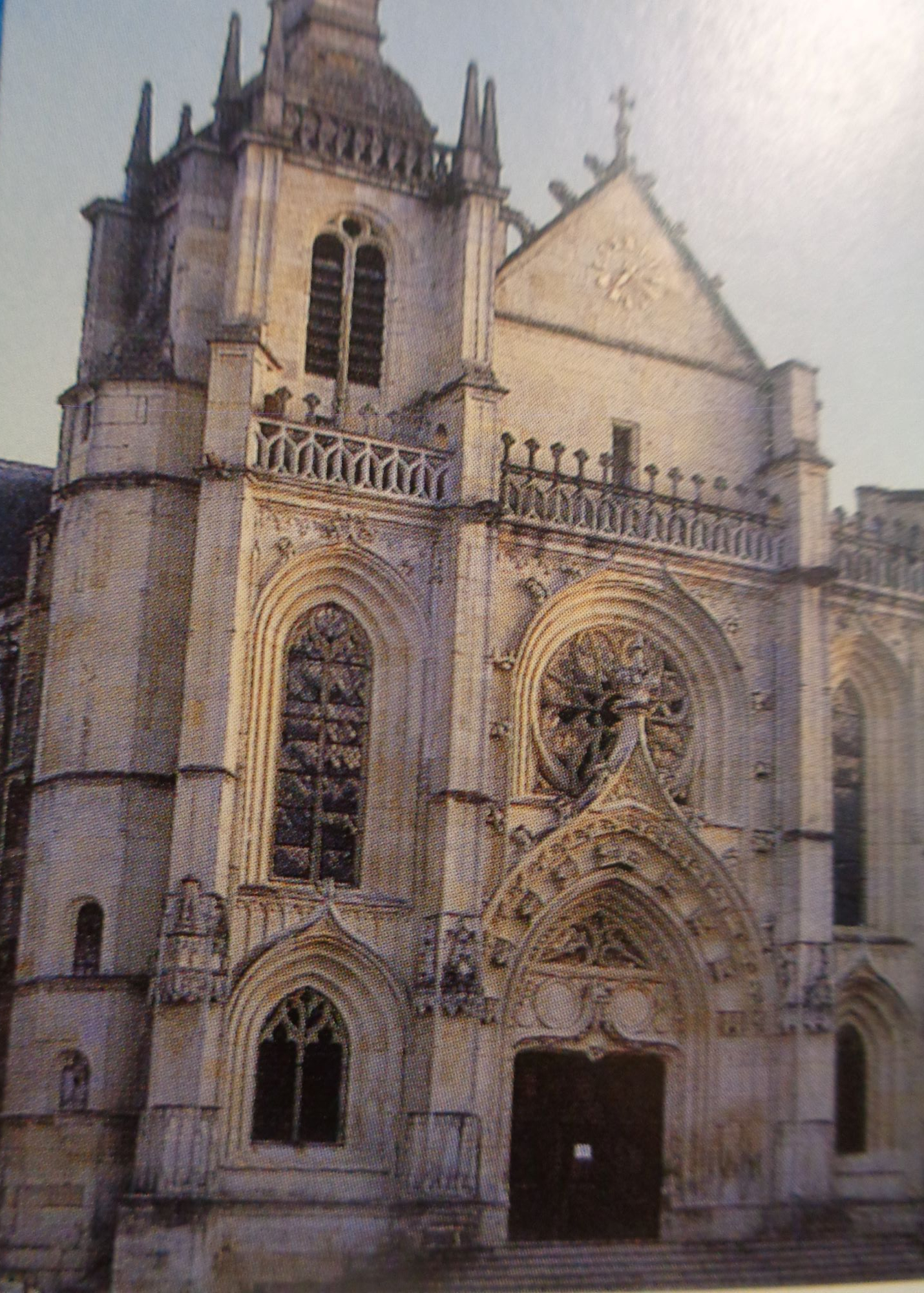
 So many things to see here , I need to be back, but right off the bat the favorites are the Notre-Dame Church, at rue Jeanne d’Arc in the lower town, is the oldest church in the city. Part of an old priory founded in 1088 by the Countess de Bar Sophie, The Parc Marbeaumont park, in the English style, surrounds the castle of Marbeaumont. It contains rare and imposing essences such as redwood, ginkgo or va fau de Verzy, the only specimen of the department, The choices here are endless indeed.
A bit of long history tell us that the existence of the agglomeration dates back to Antiquity where it is a relay along the Roman road connecting Reims to Toul. Bar-le-Duc becomes one of the main Lorraine citadels, after its rapprochement with the duchy of Lorraine at the end of the 15C, it experienced a cultural and architectural period prosperous throughout the Renaissance . But because of the anti-French positions of its Duke, the city was stripped in 1670 of part of its fortifications and its castle by the King of France Louis XIV, and the Duchy ended up being attached to the Kingdom of France in 1766. The city is also the starting point of the « Voie sacrée » or sacred way, a strategic route which, during the Great War or WWI, made it possible to supply Verdun during the battle of Verdun,1916.
Around 951/970, the dates differ according to the sources, Frédéric Ier, Duke of Haute-Lorraine, seeking to protect its territory from the Champagne, built a castle on the left bank, on the rocky spur dominating the valley, Three generations later, in 1033, Frédéric III died without children , so sister Sophie, who inherited Bar married Louis de Mousson, count of Montbéliard, who became the first count of Bar in 1038. Having become a widow around 1070, she governs the new county of bar with great wisdom and firmness. From the 13C, the name of Bar-le-Duc appeared in order to differentiate it from the towns of Bar-sur-Seine and Bar-sur-Aube, both in Champagne , In 1301, the duke was released but had to sign the Treaty of Bruges, in which he recognized himself vassal of the King of France for all his land west of the Meuse. In 1354, the county was raised in duchy, and Robert I took the title of Duke of Bar, but the context is no longer in development, part of the Barrois being now under the supervision of France, In 1420, the Duke of Bar René d’Anjou is married to Isabelle de Lorraine, daughter of the Duke of Lorraine Charles II, with the idea of the Union of the two Duchies. Sixty years later, in 1480, René II gathered his heritage and the two duchies, of Bar and Lorraine, were united.The René II of Lorraine opened in 1480 the brightest period in the history of the city. It will last almost a century and a half, In 1555, Charles III received his brother-in-law the King of France François II and his wife Marie Stuart, Queen of Scotland. In 1564, the baptism of Henri II, son and heir to Charles III, was the occasion of great celebrations in the presence of King Charles IX and the Queen Mother Catherine de Médicis , Later, 17C was a dark period for Bar-le -Duc which underwent the disastrous consequences of the Thirty Years War (1618-1648) In 1632, the King of France Louis XIII came in person to take possession of the city, on the initiative of Cardinal Richelieu. The area/city remained occupied until 1661, changing of master four times during the Fronde (1648-1653) and undergoing a seat of the royal army led by Cardinal Mazarin in December 1652 , Finally, in 1670, tired of the ducal intrigues, King Louis XIV orders the dismantling of the fortifications of the castle and the city. Only the Château-Neuf are kept, harmless, the clock tower, because it gives the time, and the Heyblot tower. In 1697, the Ryswick Treaty returned the Duchy to Léopold I, grandson of Charles IV, but the French influence remains strong. In 1737, Duke François III, son of Léopold I, agreed to give in his duchy to the former King of Poland Stanislas Leszczynski, on the orders of the King of France Louis XV. A governor will now sit at Bar-le-Duc. On the death of Stanislas Leszczynski in 1766, the duchies of Lorraine and Bar were definitively attached to France.
Under the French revolution, Bar-le-Duc, like most French cities, experienced a tumultuous political life, in particular from 1789 to 1795 , From October 1792 to July 1814, the city took the name of Bar-sur-Nain The City Hall is transferred from the upper town to the lower town. Until then, the upper town district had preserved the political, administrative, judicial and commercial power. Third, the city is secularized, which results in the disappearance of the seven religious communities present since the Middle Ages. The Place Notre Dame under the consulate (1799-1804), became the Administrative function of the city is reinforced by first consul Napoleon Bonaparte in 1800. The first empire (1804-1814) will highlight two local Bar soldiers in the service of Napoleon: Nicolas-Charles Oudinot, first Duke of Reggio and Marshal of Empire, and Rémy Joseph Isidore Exelmans, general then marshal of France , Following the Napoleonic defeats, Bar-le-Duc knows several military occupations. From January to April 1814, it was occupied by Prussian troops; Then, after the Hundred Days (1815), by Russian troops until 1818 , After the French defeat in the Franco-German war of 1870, the city was again occupied until July 23, 1873. Having become a border town with the German Empire German, The rest is longer and more modern easily known by all.
The city of Bar le Duc on its heritage: https://www.barleduc.fr/ma-ville/cadre-de-vie/a-la-decouverte-de-bar-le-duc
The local South Meuse tourist office on the heritage of Bar le Duc: https://www.tourisme-barleducsudmeuse.fr/Renaissance-heritage
The official Les Plus Beaux Detours de France on Bar le Duc: https://www.plusbeauxdetours.com/tous-les-plus-beaux-detours/detour-par-bar-le-duc-dans-la-meuse/
The official museums of the Meuse on the Château-Musée Barrois : https://musees-meuse.fr/musees/musee-barrois-bar-le-duc/
There you go folks, another spot in my world map or rather France’s map. Glad to have found the old pictures to give credit to Bar le Duc in my blog; good for the memories of always. Again, hope you enjoy the post on this is Bar le Duc as I.
And remember, happy travels, good health, and many cheers to all !!!
So many things to see here , I need to be back, but right off the bat the favorites are the Notre-Dame Church, at rue Jeanne d’Arc in the lower town, is the oldest church in the city. Part of an old priory founded in 1088 by the Countess de Bar Sophie, The Parc Marbeaumont park, in the English style, surrounds the castle of Marbeaumont. It contains rare and imposing essences such as redwood, ginkgo or va fau de Verzy, the only specimen of the department, The choices here are endless indeed.
A bit of long history tell us that the existence of the agglomeration dates back to Antiquity where it is a relay along the Roman road connecting Reims to Toul. Bar-le-Duc becomes one of the main Lorraine citadels, after its rapprochement with the duchy of Lorraine at the end of the 15C, it experienced a cultural and architectural period prosperous throughout the Renaissance . But because of the anti-French positions of its Duke, the city was stripped in 1670 of part of its fortifications and its castle by the King of France Louis XIV, and the Duchy ended up being attached to the Kingdom of France in 1766. The city is also the starting point of the « Voie sacrée » or sacred way, a strategic route which, during the Great War or WWI, made it possible to supply Verdun during the battle of Verdun,1916.
Around 951/970, the dates differ according to the sources, Frédéric Ier, Duke of Haute-Lorraine, seeking to protect its territory from the Champagne, built a castle on the left bank, on the rocky spur dominating the valley, Three generations later, in 1033, Frédéric III died without children , so sister Sophie, who inherited Bar married Louis de Mousson, count of Montbéliard, who became the first count of Bar in 1038. Having become a widow around 1070, she governs the new county of bar with great wisdom and firmness. From the 13C, the name of Bar-le-Duc appeared in order to differentiate it from the towns of Bar-sur-Seine and Bar-sur-Aube, both in Champagne , In 1301, the duke was released but had to sign the Treaty of Bruges, in which he recognized himself vassal of the King of France for all his land west of the Meuse. In 1354, the county was raised in duchy, and Robert I took the title of Duke of Bar, but the context is no longer in development, part of the Barrois being now under the supervision of France, In 1420, the Duke of Bar René d’Anjou is married to Isabelle de Lorraine, daughter of the Duke of Lorraine Charles II, with the idea of the Union of the two Duchies. Sixty years later, in 1480, René II gathered his heritage and the two duchies, of Bar and Lorraine, were united.The René II of Lorraine opened in 1480 the brightest period in the history of the city. It will last almost a century and a half, In 1555, Charles III received his brother-in-law the King of France François II and his wife Marie Stuart, Queen of Scotland. In 1564, the baptism of Henri II, son and heir to Charles III, was the occasion of great celebrations in the presence of King Charles IX and the Queen Mother Catherine de Médicis , Later, 17C was a dark period for Bar-le -Duc which underwent the disastrous consequences of the Thirty Years War (1618-1648) In 1632, the King of France Louis XIII came in person to take possession of the city, on the initiative of Cardinal Richelieu. The area/city remained occupied until 1661, changing of master four times during the Fronde (1648-1653) and undergoing a seat of the royal army led by Cardinal Mazarin in December 1652 , Finally, in 1670, tired of the ducal intrigues, King Louis XIV orders the dismantling of the fortifications of the castle and the city. Only the Château-Neuf are kept, harmless, the clock tower, because it gives the time, and the Heyblot tower. In 1697, the Ryswick Treaty returned the Duchy to Léopold I, grandson of Charles IV, but the French influence remains strong. In 1737, Duke François III, son of Léopold I, agreed to give in his duchy to the former King of Poland Stanislas Leszczynski, on the orders of the King of France Louis XV. A governor will now sit at Bar-le-Duc. On the death of Stanislas Leszczynski in 1766, the duchies of Lorraine and Bar were definitively attached to France.
Under the French revolution, Bar-le-Duc, like most French cities, experienced a tumultuous political life, in particular from 1789 to 1795 , From October 1792 to July 1814, the city took the name of Bar-sur-Nain The City Hall is transferred from the upper town to the lower town. Until then, the upper town district had preserved the political, administrative, judicial and commercial power. Third, the city is secularized, which results in the disappearance of the seven religious communities present since the Middle Ages. The Place Notre Dame under the consulate (1799-1804), became the Administrative function of the city is reinforced by first consul Napoleon Bonaparte in 1800. The first empire (1804-1814) will highlight two local Bar soldiers in the service of Napoleon: Nicolas-Charles Oudinot, first Duke of Reggio and Marshal of Empire, and Rémy Joseph Isidore Exelmans, general then marshal of France , Following the Napoleonic defeats, Bar-le-Duc knows several military occupations. From January to April 1814, it was occupied by Prussian troops; Then, after the Hundred Days (1815), by Russian troops until 1818 , After the French defeat in the Franco-German war of 1870, the city was again occupied until July 23, 1873. Having become a border town with the German Empire German, The rest is longer and more modern easily known by all.
The city of Bar le Duc on its heritage: https://www.barleduc.fr/ma-ville/cadre-de-vie/a-la-decouverte-de-bar-le-duc
The local South Meuse tourist office on the heritage of Bar le Duc: https://www.tourisme-barleducsudmeuse.fr/Renaissance-heritage
The official Les Plus Beaux Detours de France on Bar le Duc: https://www.plusbeauxdetours.com/tous-les-plus-beaux-detours/detour-par-bar-le-duc-dans-la-meuse/
The official museums of the Meuse on the Château-Musée Barrois : https://musees-meuse.fr/musees/musee-barrois-bar-le-duc/
There you go folks, another spot in my world map or rather France’s map. Glad to have found the old pictures to give credit to Bar le Duc in my blog; good for the memories of always. Again, hope you enjoy the post on this is Bar le Duc as I.
And remember, happy travels, good health, and many cheers to all !!! 
 Paris1972-Versailles2003
I recently showed photos of the upper town of Bar le Duc, and there will soon be a series on the lower town, the rear base of Verdun during the Great War, as you say.
LikeLiked by 2 people
One of my road warrior trails. However in France we say the Great War or la grande guerre when refering to WW1
LikeLiked by 2 people