
 The Coubertin Foundation is a foundation which aims to perfect the vocational, intellectual and cultural training of young people from manual trades and to transmit a certain number of values to them: concern for perfection and quality of work, sense of honesty and responsibilities. Yvonne de Coubertin, last descendant of this name with her sister Marie-Marcelle (she is the niece of Pierre de Coubertin, re-creator of the Olympic Games), Jean Bernard, artist and renovator of the companionship of the duty of the Tour de France, only son of the sculptor Joseph Bernard. In 1950 they created an association for the development of rural companionship. This association became in 1973 the Coubertin Foundation, The Foundation received from its second president, Jean Bernard, a donation of 21 sculptures and 1,500 drawings from his father, the sculptor Joseph Bernard. This donation constitutes the departure and the core of the collections of the Coubertin Foundation. In 1994, the workshop fund of the sculptor René Collamarini came to abound the collections. It holds a set of sculptures ranging from the end of the 19C to the 20C of about 116 pieces with work of Robert Wlérick, Pablo Gargallo, Carlo Sarrabezolles, Jean Chauvin, Étienne Hajdu, Marta Pan, Jean Cardot as well as an important choice of drawings sculptors. The Foundation also benefits from deposits of sculptures ,about 60 , including an important deposit of the Bourdelle museum and the pieces of Étienne Martin, Marta Pan, Parvine Curie, Karel, Dominique Labauvie, and John Kelly.
Other monuments to see in town is the Saint-Rémy Church dates from the 12C. The town was the lordship of Chevreuse in the 17C. The property of Marie Curie. Pierre and Marie Curie came to relax there, often with the family, far from their work between 1904 and 1906. The Musée Raymond-Devos, established in the house where the artist lived forty-three years. The House of Marta Pan: built in 1960 , she used Le Corbusier’s model. Other properties in the forest of Saint Rémy lés Chevreuse worth the detour for those still open are : The Château de Vaugien built from 1714 then destroyed because too small. This beautiful rectangular residence, built from 1829, with its large reception salons, its terrace roof and its atrium on the first floor, is like the great Italian residences in the spirit of the Palladian villas. The Château de Vaugien is today renowned for the organization of professional receptions and seminars. The City/town hall rises on the site of the priory successively called priory of Saint-Rémy, Beaulieu in the 13C then from Sainte-Avoye in the 17C. After the demolition of convent buildings, an imposing house was built at the end of the 19C by the secretary of the King of Egypt. The town buys the estate in 1976 and set up the new City/town hall there, The former castle of Beauplan, built from 1858, on the site of a large country house prior to the 18C. This castle had three levels surmounted by a shame at La Mansard. It was destroyed just before the WWi, with the exception of the main entrance gate and the entrance pavilion. The latter, not maintained, was finally demolished in 1999. The Château de Saint Paul création, in 1957, of an applied research center. The Domaine de Saint-Paul is now hosting a seminar center. Château de Montgomerry or Château du Claireau. , built at the end of the 19C. Destroyed in the early 1970s. The Château de Chevincourt existed in 1765. A second castle was built in 1784 then enlarged from 1856. This castle was demolished shortly after the end of the WWI. The Château de la Madeleine built at the beginning of the 11C by Thibault son of Etoupe. An important stronghold in the fierce struggles between the lords of Chevreuse and Montlhéry against the kings Philippe I and Louis VI le Big for toll questions. The Château du Petit Chevincourt is being rehabilitated, The Château de Donridon dating from the end of the 19C, The Château de Mauvières hosted Cyrano de Bergerac ,the poet in the 17C ; rebuilt in its current form in the 17C, it is the property of the Bryas family. The Château de Dampierre dates from the end of the 17C ; surrounded by a park and gardens drawn by the famous landscaper Le Nôtre. Inside, splendid woodwork adorn the dining room and the large living room. On the first floor is the superb wall painting of Ingres representing the golden age and the quarter reproduction of the Minerva statue by Simart. Finally the vestibule where the statue of Pénélope is located,
The official Coubertin foundation on the domaine : https://www.coubertin.fr/le-domaine/
The official Coubertin foundation on the museum : https://www.coubertin.fr/le-musee/
The Natural Park of the Chevreuse on the museum : https://www.parc-naturel-chevreuse.fr/musee-de-la-fondation-de-coubertin
The town of Saint Rémy lés Chevreuse on its heritage : https://www.ville-st-remy-chevreuse.fr/ma-ville/presentation/patrimoine/
There you go folks, this is quant pretty woody Saint Rémy lés Chevreuse, a nice ride in my memorable Yvelines. The castle of Coubertin is a must to see for the history of France, Europe and the Olympic spirit, I am looking forward to see it again, eventually, This is a wonderful nice area and town, that is worth the detour , me think, Again, hope you enjoy the post on the Château de Coubertin of Saint Rémy lés Chevreuse !!! as I.
And remember, happy travels, good health, and many cheers to all !!!
The Coubertin Foundation is a foundation which aims to perfect the vocational, intellectual and cultural training of young people from manual trades and to transmit a certain number of values to them: concern for perfection and quality of work, sense of honesty and responsibilities. Yvonne de Coubertin, last descendant of this name with her sister Marie-Marcelle (she is the niece of Pierre de Coubertin, re-creator of the Olympic Games), Jean Bernard, artist and renovator of the companionship of the duty of the Tour de France, only son of the sculptor Joseph Bernard. In 1950 they created an association for the development of rural companionship. This association became in 1973 the Coubertin Foundation, The Foundation received from its second president, Jean Bernard, a donation of 21 sculptures and 1,500 drawings from his father, the sculptor Joseph Bernard. This donation constitutes the departure and the core of the collections of the Coubertin Foundation. In 1994, the workshop fund of the sculptor René Collamarini came to abound the collections. It holds a set of sculptures ranging from the end of the 19C to the 20C of about 116 pieces with work of Robert Wlérick, Pablo Gargallo, Carlo Sarrabezolles, Jean Chauvin, Étienne Hajdu, Marta Pan, Jean Cardot as well as an important choice of drawings sculptors. The Foundation also benefits from deposits of sculptures ,about 60 , including an important deposit of the Bourdelle museum and the pieces of Étienne Martin, Marta Pan, Parvine Curie, Karel, Dominique Labauvie, and John Kelly.
Other monuments to see in town is the Saint-Rémy Church dates from the 12C. The town was the lordship of Chevreuse in the 17C. The property of Marie Curie. Pierre and Marie Curie came to relax there, often with the family, far from their work between 1904 and 1906. The Musée Raymond-Devos, established in the house where the artist lived forty-three years. The House of Marta Pan: built in 1960 , she used Le Corbusier’s model. Other properties in the forest of Saint Rémy lés Chevreuse worth the detour for those still open are : The Château de Vaugien built from 1714 then destroyed because too small. This beautiful rectangular residence, built from 1829, with its large reception salons, its terrace roof and its atrium on the first floor, is like the great Italian residences in the spirit of the Palladian villas. The Château de Vaugien is today renowned for the organization of professional receptions and seminars. The City/town hall rises on the site of the priory successively called priory of Saint-Rémy, Beaulieu in the 13C then from Sainte-Avoye in the 17C. After the demolition of convent buildings, an imposing house was built at the end of the 19C by the secretary of the King of Egypt. The town buys the estate in 1976 and set up the new City/town hall there, The former castle of Beauplan, built from 1858, on the site of a large country house prior to the 18C. This castle had three levels surmounted by a shame at La Mansard. It was destroyed just before the WWi, with the exception of the main entrance gate and the entrance pavilion. The latter, not maintained, was finally demolished in 1999. The Château de Saint Paul création, in 1957, of an applied research center. The Domaine de Saint-Paul is now hosting a seminar center. Château de Montgomerry or Château du Claireau. , built at the end of the 19C. Destroyed in the early 1970s. The Château de Chevincourt existed in 1765. A second castle was built in 1784 then enlarged from 1856. This castle was demolished shortly after the end of the WWI. The Château de la Madeleine built at the beginning of the 11C by Thibault son of Etoupe. An important stronghold in the fierce struggles between the lords of Chevreuse and Montlhéry against the kings Philippe I and Louis VI le Big for toll questions. The Château du Petit Chevincourt is being rehabilitated, The Château de Donridon dating from the end of the 19C, The Château de Mauvières hosted Cyrano de Bergerac ,the poet in the 17C ; rebuilt in its current form in the 17C, it is the property of the Bryas family. The Château de Dampierre dates from the end of the 17C ; surrounded by a park and gardens drawn by the famous landscaper Le Nôtre. Inside, splendid woodwork adorn the dining room and the large living room. On the first floor is the superb wall painting of Ingres representing the golden age and the quarter reproduction of the Minerva statue by Simart. Finally the vestibule where the statue of Pénélope is located,
The official Coubertin foundation on the domaine : https://www.coubertin.fr/le-domaine/
The official Coubertin foundation on the museum : https://www.coubertin.fr/le-musee/
The Natural Park of the Chevreuse on the museum : https://www.parc-naturel-chevreuse.fr/musee-de-la-fondation-de-coubertin
The town of Saint Rémy lés Chevreuse on its heritage : https://www.ville-st-remy-chevreuse.fr/ma-ville/presentation/patrimoine/
There you go folks, this is quant pretty woody Saint Rémy lés Chevreuse, a nice ride in my memorable Yvelines. The castle of Coubertin is a must to see for the history of France, Europe and the Olympic spirit, I am looking forward to see it again, eventually, This is a wonderful nice area and town, that is worth the detour , me think, Again, hope you enjoy the post on the Château de Coubertin of Saint Rémy lés Chevreuse !!! as I.
And remember, happy travels, good health, and many cheers to all !!! The Château de Coubertin in Saint Rémy lés Chevreuse !!!
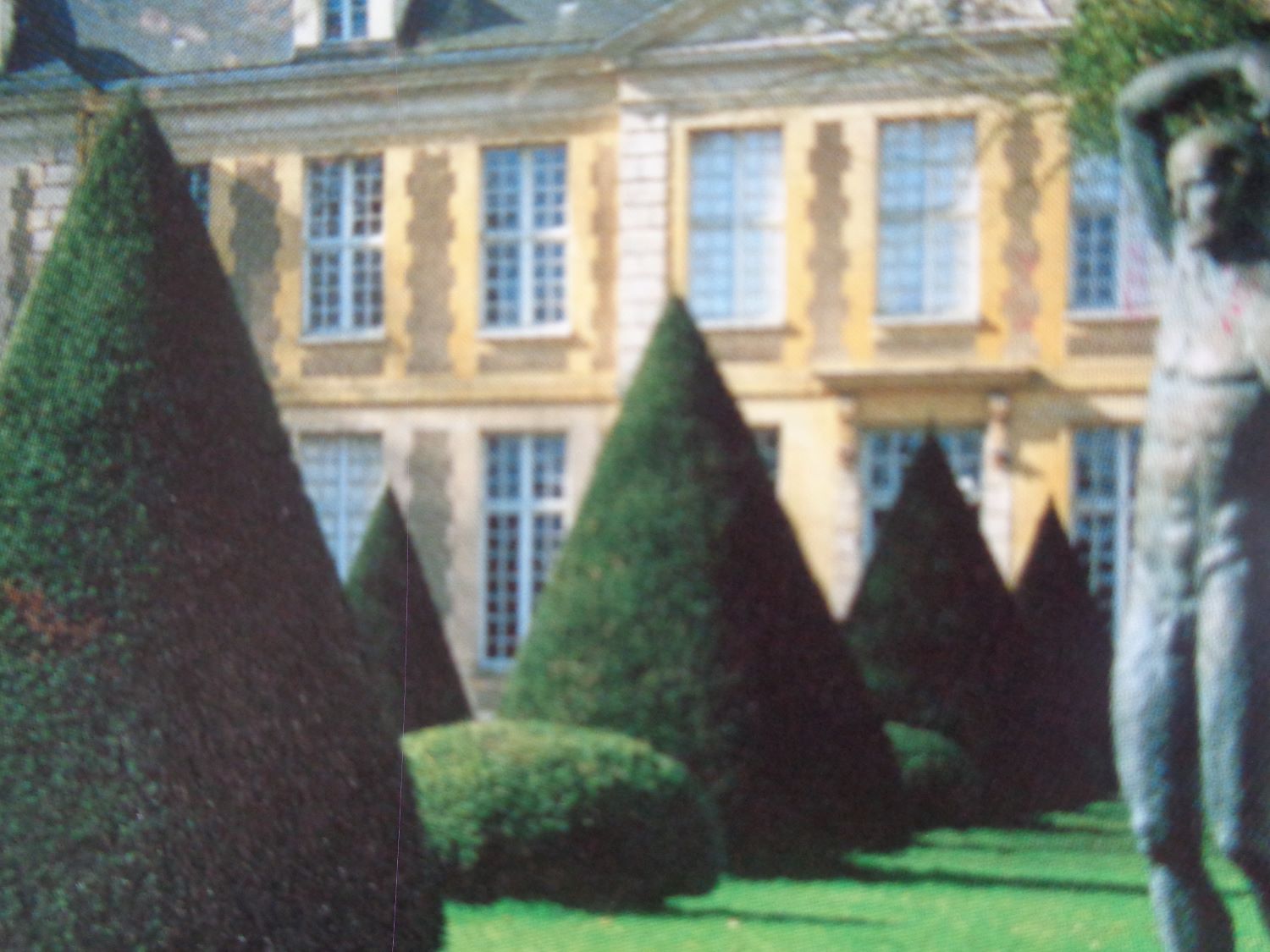
We were on our local road warrior mode a while back in my woody nice Saint Rémy lés Chevreuse , briefly do not know why did not go in more,but this is a huge park with many nice properties to be back for more, This is a property with lots of history and good museum, still off the beaten path and worth the detour, me think, I just touch base, and happy to have found me this older paper picture that needs to be in my blog. For reference, the town of Saint Rémy lés Chevreuse is in dept 78 of the Yvelines in the Île de France region of my belle France, Therefore, let me tell you a bit on the Château de Coubertin in Saint Rémy lés Chevreuse !!! Hope you enjoy the post as I
The town of Saint Rémy lés Chevreuse is within the perimeter of the regional natural park of the Haute Vallée de Chevreuse. 15 km from Versailles, and 21 km from Rambouillet. It is located 36 km from Notre-Dame Cathedral of Paris, point zero of the roads of France, and 28 km from the Porte de Saint-Cloud. The main road which crosses the town is the D 906 which leads, to Gif-sur-Yvette in the department of Essonne (91) and, in the axis of the valley of Chevreuse , The D 938 (route de Versailles) makes it possible to reach the Beauplan district then the city of Magny-les-Hameaux.
The Château de Coubertin is a castle located in Saint-Rémy-lès-Chevreuse, It houses a museum that organizes conference visits for groups of 15 to 25 people, by reservation, in the spring and fall, according to a pre-established calendar. Visits are provided by a speaker, doctor of art history. This is a visit to the park and its collection of sculptures. On the other hand, the foundry of Coubertin and the Saint-Jacques workshops cannot be visited. Coubertin is one of the beautiful rural areas of the whole region of Île de France. Built from 1696 , the family of Coubertin, illustrated thanks to Pierre, the renovator of the Olympic Games, kept the castle until the death of Yvonne de Coubertin in 1974. The Coubertin Foundation, created in 1963, then inherited it. The Coubertin foundry, created in 1963, operates on orders mainly from sculptors: Jean Cardot, Karel, Marta Pan, Philolaos, or their beneficiaries for Bourdelle, Gargallo, Etienne Hajdu, Rodin and Robert Wlérick. The techniques implemented range from the metal pushed to the sand molding by borrowing from the boilermaking of forming methods. The foundry also exercises a restoration activity for the State, local communities and museums. Note, among its most recent work, the restoration of the figures of the roof of the Opéra Garnier, the Archangel of Mont-Saint-Michel, the realization of one of the figures of the Dome of the Invalides, of a Porte de l’Enfer for the Samsung Foundation in Seoul and the pyramidion which draws the obelisk of the Place de la Concorde. Since 1985, an important donation by the sculptor Joseph Bernard, the father of Jean Bernard has been preserved in some rooms of the castle open to the public during temporary exhibitions.
The Coubertin Foundation is a foundation which aims to perfect the vocational, intellectual and cultural training of young people from manual trades and to transmit a certain number of values to them: concern for perfection and quality of work, sense of honesty and responsibilities. Yvonne de Coubertin, last descendant of this name with her sister Marie-Marcelle (she is the niece of Pierre de Coubertin, re-creator of the Olympic Games), Jean Bernard, artist and renovator of the companionship of the duty of the Tour de France, only son of the sculptor Joseph Bernard. In 1950 they created an association for the development of rural companionship. This association became in 1973 the Coubertin Foundation, The Foundation received from its second president, Jean Bernard, a donation of 21 sculptures and 1,500 drawings from his father, the sculptor Joseph Bernard. This donation constitutes the departure and the core of the collections of the Coubertin Foundation. In 1994, the workshop fund of the sculptor René Collamarini came to abound the collections. It holds a set of sculptures ranging from the end of the 19C to the 20C of about 116 pieces with work of Robert Wlérick, Pablo Gargallo, Carlo Sarrabezolles, Jean Chauvin, Étienne Hajdu, Marta Pan, Jean Cardot as well as an important choice of drawings sculptors. The Foundation also benefits from deposits of sculptures ,about 60 , including an important deposit of the Bourdelle museum and the pieces of Étienne Martin, Marta Pan, Parvine Curie, Karel, Dominique Labauvie, and John Kelly.
Other monuments to see in town is the Saint-Rémy Church dates from the 12C. The town was the lordship of Chevreuse in the 17C. The property of Marie Curie. Pierre and Marie Curie came to relax there, often with the family, far from their work between 1904 and 1906. The Musée Raymond-Devos, established in the house where the artist lived forty-three years. The House of Marta Pan: built in 1960 , she used Le Corbusier’s model. Other properties in the forest of Saint Rémy lés Chevreuse worth the detour for those still open are : The Château de Vaugien built from 1714 then destroyed because too small. This beautiful rectangular residence, built from 1829, with its large reception salons, its terrace roof and its atrium on the first floor, is like the great Italian residences in the spirit of the Palladian villas. The Château de Vaugien is today renowned for the organization of professional receptions and seminars. The City/town hall rises on the site of the priory successively called priory of Saint-Rémy, Beaulieu in the 13C then from Sainte-Avoye in the 17C. After the demolition of convent buildings, an imposing house was built at the end of the 19C by the secretary of the King of Egypt. The town buys the estate in 1976 and set up the new City/town hall there, The former castle of Beauplan, built from 1858, on the site of a large country house prior to the 18C. This castle had three levels surmounted by a shame at La Mansard. It was destroyed just before the WWi, with the exception of the main entrance gate and the entrance pavilion. The latter, not maintained, was finally demolished in 1999. The Château de Saint Paul création, in 1957, of an applied research center. The Domaine de Saint-Paul is now hosting a seminar center. Château de Montgomerry or Château du Claireau. , built at the end of the 19C. Destroyed in the early 1970s. The Château de Chevincourt existed in 1765. A second castle was built in 1784 then enlarged from 1856. This castle was demolished shortly after the end of the WWI. The Château de la Madeleine built at the beginning of the 11C by Thibault son of Etoupe. An important stronghold in the fierce struggles between the lords of Chevreuse and Montlhéry against the kings Philippe I and Louis VI le Big for toll questions. The Château du Petit Chevincourt is being rehabilitated, The Château de Donridon dating from the end of the 19C, The Château de Mauvières hosted Cyrano de Bergerac ,the poet in the 17C ; rebuilt in its current form in the 17C, it is the property of the Bryas family. The Château de Dampierre dates from the end of the 17C ; surrounded by a park and gardens drawn by the famous landscaper Le Nôtre. Inside, splendid woodwork adorn the dining room and the large living room. On the first floor is the superb wall painting of Ingres representing the golden age and the quarter reproduction of the Minerva statue by Simart. Finally the vestibule where the statue of Pénélope is located,
The official Coubertin foundation on the domaine : https://www.coubertin.fr/le-domaine/
The official Coubertin foundation on the museum : https://www.coubertin.fr/le-musee/
The Natural Park of the Chevreuse on the museum : https://www.parc-naturel-chevreuse.fr/musee-de-la-fondation-de-coubertin
The town of Saint Rémy lés Chevreuse on its heritage : https://www.ville-st-remy-chevreuse.fr/ma-ville/presentation/patrimoine/
There you go folks, this is quant pretty woody Saint Rémy lés Chevreuse, a nice ride in my memorable Yvelines. The castle of Coubertin is a must to see for the history of France, Europe and the Olympic spirit, I am looking forward to see it again, eventually, This is a wonderful nice area and town, that is worth the detour , me think, Again, hope you enjoy the post on the Château de Coubertin of Saint Rémy lés Chevreuse !!! as I.
And remember, happy travels, good health, and many cheers to all !!!
The Coubertin Foundation is a foundation which aims to perfect the vocational, intellectual and cultural training of young people from manual trades and to transmit a certain number of values to them: concern for perfection and quality of work, sense of honesty and responsibilities. Yvonne de Coubertin, last descendant of this name with her sister Marie-Marcelle (she is the niece of Pierre de Coubertin, re-creator of the Olympic Games), Jean Bernard, artist and renovator of the companionship of the duty of the Tour de France, only son of the sculptor Joseph Bernard. In 1950 they created an association for the development of rural companionship. This association became in 1973 the Coubertin Foundation, The Foundation received from its second president, Jean Bernard, a donation of 21 sculptures and 1,500 drawings from his father, the sculptor Joseph Bernard. This donation constitutes the departure and the core of the collections of the Coubertin Foundation. In 1994, the workshop fund of the sculptor René Collamarini came to abound the collections. It holds a set of sculptures ranging from the end of the 19C to the 20C of about 116 pieces with work of Robert Wlérick, Pablo Gargallo, Carlo Sarrabezolles, Jean Chauvin, Étienne Hajdu, Marta Pan, Jean Cardot as well as an important choice of drawings sculptors. The Foundation also benefits from deposits of sculptures ,about 60 , including an important deposit of the Bourdelle museum and the pieces of Étienne Martin, Marta Pan, Parvine Curie, Karel, Dominique Labauvie, and John Kelly.
Other monuments to see in town is the Saint-Rémy Church dates from the 12C. The town was the lordship of Chevreuse in the 17C. The property of Marie Curie. Pierre and Marie Curie came to relax there, often with the family, far from their work between 1904 and 1906. The Musée Raymond-Devos, established in the house where the artist lived forty-three years. The House of Marta Pan: built in 1960 , she used Le Corbusier’s model. Other properties in the forest of Saint Rémy lés Chevreuse worth the detour for those still open are : The Château de Vaugien built from 1714 then destroyed because too small. This beautiful rectangular residence, built from 1829, with its large reception salons, its terrace roof and its atrium on the first floor, is like the great Italian residences in the spirit of the Palladian villas. The Château de Vaugien is today renowned for the organization of professional receptions and seminars. The City/town hall rises on the site of the priory successively called priory of Saint-Rémy, Beaulieu in the 13C then from Sainte-Avoye in the 17C. After the demolition of convent buildings, an imposing house was built at the end of the 19C by the secretary of the King of Egypt. The town buys the estate in 1976 and set up the new City/town hall there, The former castle of Beauplan, built from 1858, on the site of a large country house prior to the 18C. This castle had three levels surmounted by a shame at La Mansard. It was destroyed just before the WWi, with the exception of the main entrance gate and the entrance pavilion. The latter, not maintained, was finally demolished in 1999. The Château de Saint Paul création, in 1957, of an applied research center. The Domaine de Saint-Paul is now hosting a seminar center. Château de Montgomerry or Château du Claireau. , built at the end of the 19C. Destroyed in the early 1970s. The Château de Chevincourt existed in 1765. A second castle was built in 1784 then enlarged from 1856. This castle was demolished shortly after the end of the WWI. The Château de la Madeleine built at the beginning of the 11C by Thibault son of Etoupe. An important stronghold in the fierce struggles between the lords of Chevreuse and Montlhéry against the kings Philippe I and Louis VI le Big for toll questions. The Château du Petit Chevincourt is being rehabilitated, The Château de Donridon dating from the end of the 19C, The Château de Mauvières hosted Cyrano de Bergerac ,the poet in the 17C ; rebuilt in its current form in the 17C, it is the property of the Bryas family. The Château de Dampierre dates from the end of the 17C ; surrounded by a park and gardens drawn by the famous landscaper Le Nôtre. Inside, splendid woodwork adorn the dining room and the large living room. On the first floor is the superb wall painting of Ingres representing the golden age and the quarter reproduction of the Minerva statue by Simart. Finally the vestibule where the statue of Pénélope is located,
The official Coubertin foundation on the domaine : https://www.coubertin.fr/le-domaine/
The official Coubertin foundation on the museum : https://www.coubertin.fr/le-musee/
The Natural Park of the Chevreuse on the museum : https://www.parc-naturel-chevreuse.fr/musee-de-la-fondation-de-coubertin
The town of Saint Rémy lés Chevreuse on its heritage : https://www.ville-st-remy-chevreuse.fr/ma-ville/presentation/patrimoine/
There you go folks, this is quant pretty woody Saint Rémy lés Chevreuse, a nice ride in my memorable Yvelines. The castle of Coubertin is a must to see for the history of France, Europe and the Olympic spirit, I am looking forward to see it again, eventually, This is a wonderful nice area and town, that is worth the detour , me think, Again, hope you enjoy the post on the Château de Coubertin of Saint Rémy lés Chevreuse !!! as I.
And remember, happy travels, good health, and many cheers to all !!! 
 Paris1972-Versailles2003