
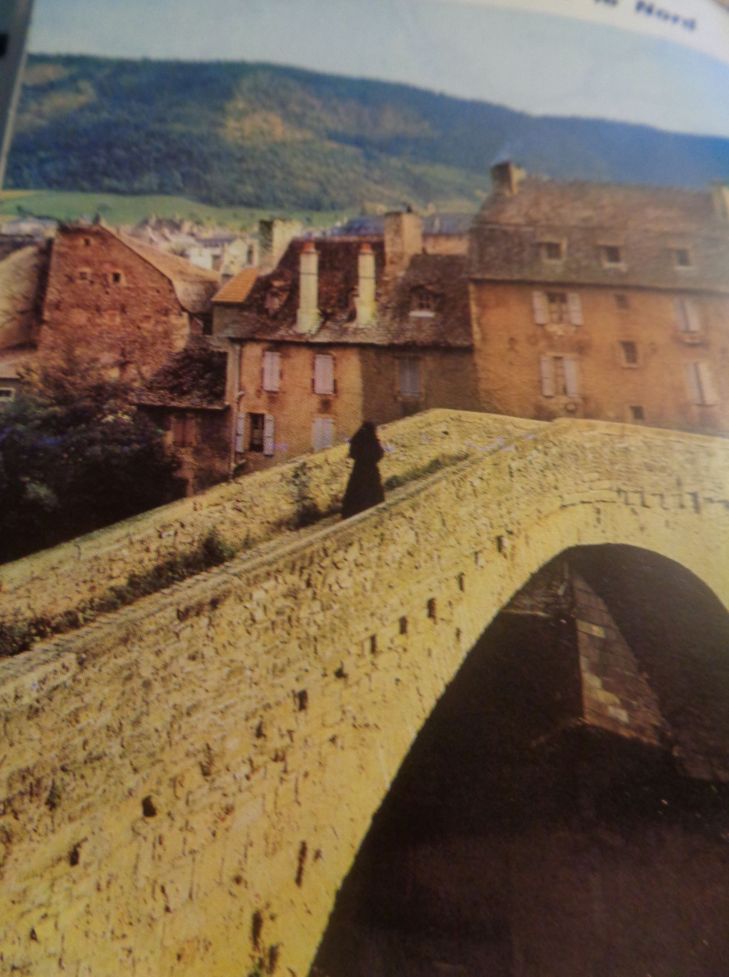
 The town of Mende on its heritage : https://mende.fr/ma-ville/histoire-et-patrimoine/patrimoine/
The town of Sainte-Enimie is located in the Lozère department no 48 in the Occitanie region. It is integrated in 2017 in the new town of Gorges du Tarn Causses. Located in the Tarn gorges, the village of Sainte-Enimie is a member of the association of the most beautiful villages in France. The town is located in the Grand Site of the Tarn Gorges, the Jonte and the Causses, In the southwest of Gévaudan. This town was ranked as the 18th favorite village of the French in 2014,
The town takes its name of Enimie,a Merovingian and Holy Princess of the 7C, The High Middle Ages is marked by the legend of Enimie, the princess suffering from leprosy. The daughter of Clotaire II, sister of Dagobert Ier, having therefore lived in the 7C. Little by little it healed the leprosy which it was reached, thanks to the waters of the source of the burle. Named Abbess, she would have founded a monastery, around which the village developed.
The Chapelle de Notre-Dame-de-Cénaret Chapel is located in the cliff side in Saint-Chély-du-Tarn, a town attach to Sainte-village of high of the cliff. It is accessible on foot from the village by a way of Enimie in the hermitage of La Roche, where Enimie lived, is a chapel which dominates the the cross. The princess’s relics were kept there until 1970, when they were stolen. The hermitage is not accessible to the public. The current chapel is semi-troglodyte. It is made up of the cave itself and several masonry elements brought to different times (between the 10C and the 15C). Next to the altar flows, through a small tap, a derivation of the resurgence of the source of Burle. Until the middle of the 20C, mothers went up with their infants, with eczema or other dermatitis, to bathe them in the small bowl dug in the rock.
The town of Mende on its heritage : https://mende.fr/ma-ville/histoire-et-patrimoine/patrimoine/
The town of Sainte-Enimie is located in the Lozère department no 48 in the Occitanie region. It is integrated in 2017 in the new town of Gorges du Tarn Causses. Located in the Tarn gorges, the village of Sainte-Enimie is a member of the association of the most beautiful villages in France. The town is located in the Grand Site of the Tarn Gorges, the Jonte and the Causses, In the southwest of Gévaudan. This town was ranked as the 18th favorite village of the French in 2014,
The town takes its name of Enimie,a Merovingian and Holy Princess of the 7C, The High Middle Ages is marked by the legend of Enimie, the princess suffering from leprosy. The daughter of Clotaire II, sister of Dagobert Ier, having therefore lived in the 7C. Little by little it healed the leprosy which it was reached, thanks to the waters of the source of the burle. Named Abbess, she would have founded a monastery, around which the village developed.
The Chapelle de Notre-Dame-de-Cénaret Chapel is located in the cliff side in Saint-Chély-du-Tarn, a town attach to Sainte-village of high of the cliff. It is accessible on foot from the village by a way of Enimie in the hermitage of La Roche, where Enimie lived, is a chapel which dominates the the cross. The princess’s relics were kept there until 1970, when they were stolen. The hermitage is not accessible to the public. The current chapel is semi-troglodyte. It is made up of the cave itself and several masonry elements brought to different times (between the 10C and the 15C). Next to the altar flows, through a small tap, a derivation of the resurgence of the source of Burle. Until the middle of the 20C, mothers went up with their infants, with eczema or other dermatitis, to bathe them in the small bowl dug in the rock.
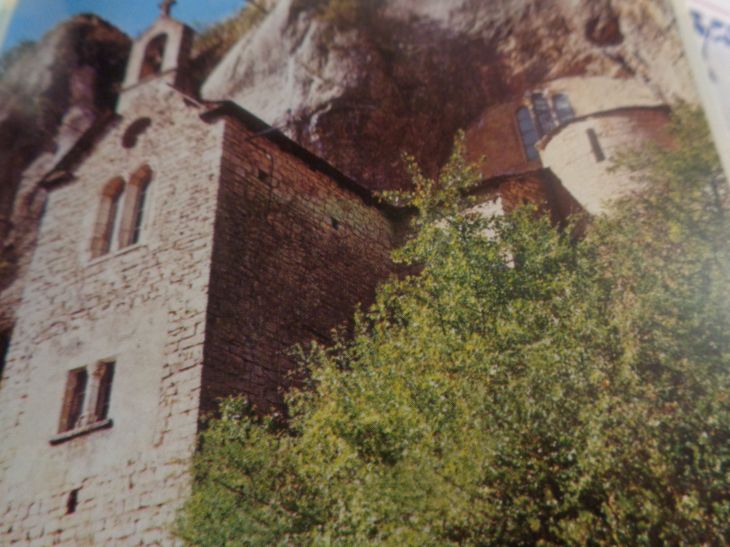 The new town of Gorges du Tarn on the chapelle Notre Dame de Cénaret : https://www.gorgesdutarn-causses.fr/saint-chely-du-tarn-48-lozere_fr.html
The town of Le Rozier is located in the southwest of the Lozère department no 48, in the Occitanie region. It is bordering on the department of Aveyron no 12, the Le Rozier is a town being part of Causse Méjean, within its southwest limit by the departmental road D 996, and 14 km from Millau. In 1075, monks of Aniane Abbey built the Saint-Sauveur church. All around they cultivated roses there. This place then took the name of Le Rozier.
From the Saint-Sauveur monastery of Rozier founded in the 11C by Benedictine monks, only the Church remains, The Monastery church was founded in 1075 by the bishop of Mendebert I of Peyre in the village of Entéygues. It was because the monks planted roses there that the village took the name of Le Rosier. The bishop places the monastery under the protection of the Benedictines of Aniane Abbey.
The new town of Gorges du Tarn on the chapelle Notre Dame de Cénaret : https://www.gorgesdutarn-causses.fr/saint-chely-du-tarn-48-lozere_fr.html
The town of Le Rozier is located in the southwest of the Lozère department no 48, in the Occitanie region. It is bordering on the department of Aveyron no 12, the Le Rozier is a town being part of Causse Méjean, within its southwest limit by the departmental road D 996, and 14 km from Millau. In 1075, monks of Aniane Abbey built the Saint-Sauveur church. All around they cultivated roses there. This place then took the name of Le Rozier.
From the Saint-Sauveur monastery of Rozier founded in the 11C by Benedictine monks, only the Church remains, The Monastery church was founded in 1075 by the bishop of Mendebert I of Peyre in the village of Entéygues. It was because the monks planted roses there that the village took the name of Le Rosier. The bishop places the monastery under the protection of the Benedictines of Aniane Abbey.
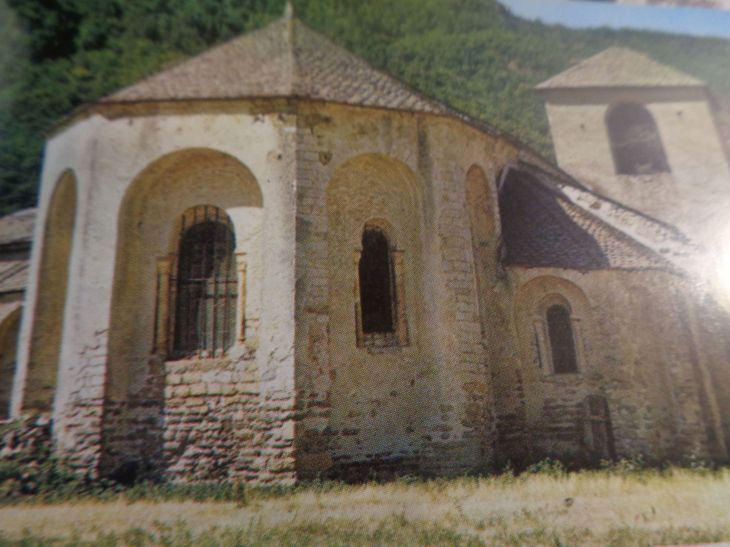 The local Aubrac Gorges du Tarn tourist office on Le Rozier : https://en.aubrac-gorgesdutarn.com/discover/gorges-du-tarn/villages-of-the-gorges-du-tarn/le-rozier/
The town of Millau is sub-prefecture of the Aveyron department no 12, in the Occitanie region. Located 49 km from Rodez, 84 km from Montpellier and 142 km from Toulouse, it is part of the former Rouergue province. In the 10-11C was born the viscounty of Millau. From the 11C, the city successively passed under domination of the counts of Provence, Barcelona then from the kings of Aragon, with in 1112 the marriage of the daughter of the viscount of Millau and Béranger III, future king of Aragon. In 1187, the king of Aragon conceded the seal and municipal freedom by consular charter. The consulate thus created is responsible for administering the city, lifting the tax and applying justice. In 1271, Millau went to the crown of the kings of France.
The Lavoir d’Ayrolle wash house was built in 1749; its roof seems to have collapsed in 1773. It is located in the Boulevard de l’Ayrolle and its worth a detour of this town of many things to see, The monumental tribute to King Louis XV and endowing the city with a new washhouse powered by the Aqueduct of Vesoubies. The eardrum of the pediment framed a shield, surrounded by trophies, where the city’s arms appeared ,which in 1793, during the French revolution, the coat of arms and inscriptions of the pediment, symbol of the old regime, were hammered, and have been almost completely illegible, The Lavoir de l’Ayrolle inherited the gates surrounding the old monument to the fallen which stood on the Place du Mandarous and which was moved to the Parch Victoire in January 1950. The wash house is today highlighted by bluish lighting.
The local Aubrac Gorges du Tarn tourist office on Le Rozier : https://en.aubrac-gorgesdutarn.com/discover/gorges-du-tarn/villages-of-the-gorges-du-tarn/le-rozier/
The town of Millau is sub-prefecture of the Aveyron department no 12, in the Occitanie region. Located 49 km from Rodez, 84 km from Montpellier and 142 km from Toulouse, it is part of the former Rouergue province. In the 10-11C was born the viscounty of Millau. From the 11C, the city successively passed under domination of the counts of Provence, Barcelona then from the kings of Aragon, with in 1112 the marriage of the daughter of the viscount of Millau and Béranger III, future king of Aragon. In 1187, the king of Aragon conceded the seal and municipal freedom by consular charter. The consulate thus created is responsible for administering the city, lifting the tax and applying justice. In 1271, Millau went to the crown of the kings of France.
The Lavoir d’Ayrolle wash house was built in 1749; its roof seems to have collapsed in 1773. It is located in the Boulevard de l’Ayrolle and its worth a detour of this town of many things to see, The monumental tribute to King Louis XV and endowing the city with a new washhouse powered by the Aqueduct of Vesoubies. The eardrum of the pediment framed a shield, surrounded by trophies, where the city’s arms appeared ,which in 1793, during the French revolution, the coat of arms and inscriptions of the pediment, symbol of the old regime, were hammered, and have been almost completely illegible, The Lavoir de l’Ayrolle inherited the gates surrounding the old monument to the fallen which stood on the Place du Mandarous and which was moved to the Parch Victoire in January 1950. The wash house is today highlighted by bluish lighting.
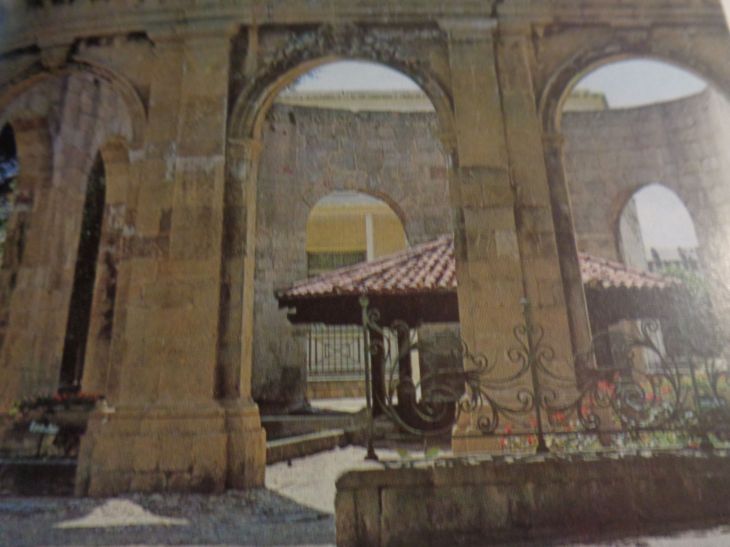 The town of Millau on its heritage : https://www.millau.fr/loisirs/culture/patrimoine-et-label-ville-dart-et-dhistoire
The Lozère dept 48 tourist office; https://www.en.lozere-tourisme.com/
The Aveyron dept 12 tourist office: https://www.tourisme-aveyron.com/en/home
The Occitanie region tourist office: https://www.visit-occitanie.com/en/
There you go folks, a dandy wonderful region of my belle France , very close to us, with many memories from visiting with the family over the years. Again, hope you enjoy the post on the curiosities of Occitanie, part III !!! as I
The town of Millau on its heritage : https://www.millau.fr/loisirs/culture/patrimoine-et-label-ville-dart-et-dhistoire
The Lozère dept 48 tourist office; https://www.en.lozere-tourisme.com/
The Aveyron dept 12 tourist office: https://www.tourisme-aveyron.com/en/home
The Occitanie region tourist office: https://www.visit-occitanie.com/en/
There you go folks, a dandy wonderful region of my belle France , very close to us, with many memories from visiting with the family over the years. Again, hope you enjoy the post on the curiosities of Occitanie, part III !!! as I
And remember, happy travels, good health, and many cheers to all !!!

 Paris1972-Versailles2003
I found Occitania to be interesting and ‘different’.
LikeLiked by 1 person
It is those occitans lol thanks for stopping by Cheers
LikeLiked by 1 person