
I was driven on the road warrior roads of Jalisco State in Mexico and we past by this picturesque town, even time for lunch there, It was a quick passing but memories lingered still of good cheers with good friends, The pictures are few but the memories are big around Tequila ! I like to tell you a bit on this is Tequila and the town !!! Hope you enjoy the post as I.
The city of Tequila is located in the State of Jalisco, Mexico. Tequila comes from the Nahuatl indian word Tequitl ‘Place of work/trade’. tlan, place’ which refers to the specific work of cutting plants , It is known for the production of the famous spirit of the same name, the city is one of the main places where it is produced. The main tequila producers found in the city are: Tequila José Cuervo, Tequila Destiladora Rubio, Tequila Orendain, Tequila Sauza, Tequila Tequileño, Tequila Ópalo Azul, Tierra de Agaves, Tequilas Finos, and Tequila Viuda de Martínez.
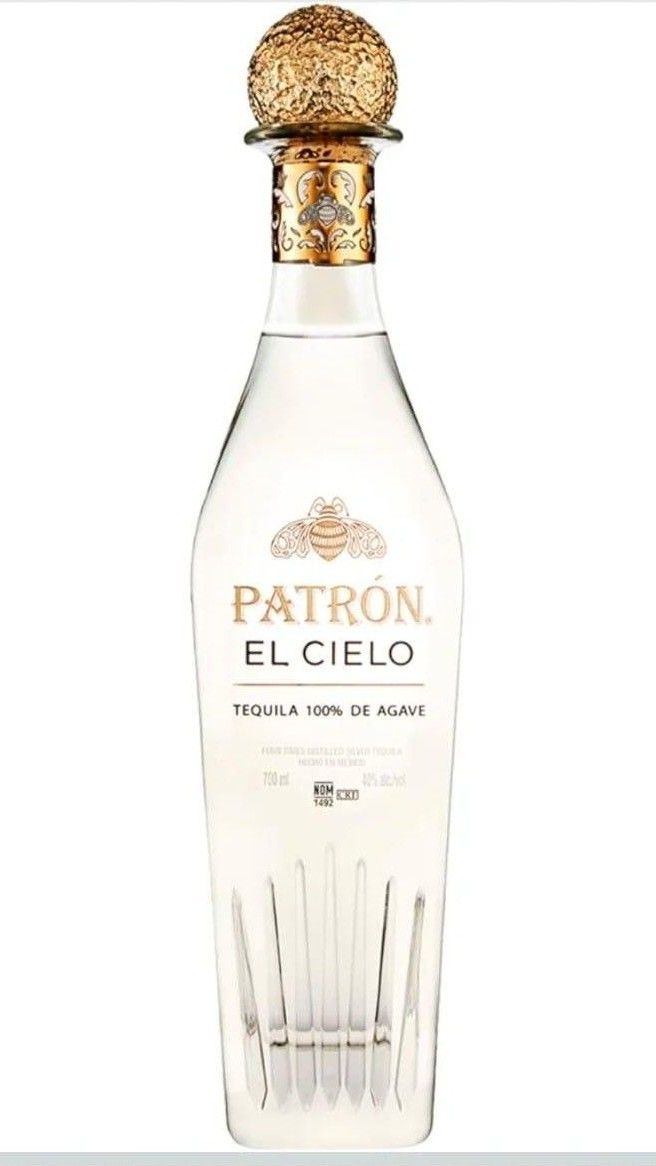
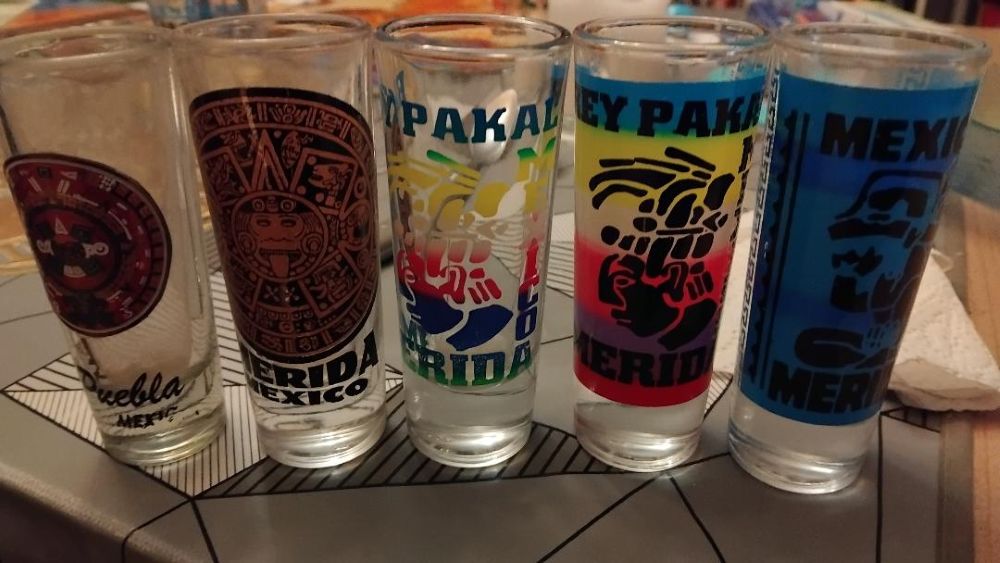
The tequila producing companies do not coincide with the number of destilers, but on many occasions a company has various destilers, Some of this houses only produce tequila 100% of agave and others only produce mixes that means that only have 51% of agave ,and 49% of other sugars The most usual is that they produce both types of tequilas like Tequila San Matías de Jalisco S. A. de C. V. with its tequila “Pueblo Viejo” and “San Matias Gran Reserva” among many more. There are 10 tequileras that are considered the most important in Mexico because of their antiquity, volume of production and import in the market, this is the list of Tequila José Cuervo, Tequila Sauza, Casa Herradura, Tequila Don Julio (Diageo S. A. C. V.), Tequila Centinela, Tequila San Matias de Jalisco S.A.C.V., Pernod Ricard México, Productos finos de agave S.A.C.V., Tequila Siete Leguas S.A.C.V., Bacardi & Cazadores y Compañía, Tequilera de Arandas S.A.C.V. S. A. C. V. Its founding dates back to the era of the colony. King Carlos IV granted the license in 1795 for the production of “vino de mezcal” or wine of mezcal to José María Guadalupe Cuervo. His father, José Antonio de Cuervo, bought his property beforehand, in 1758, the Cuisillos farm where he encountered a destilery. From these beginnings it has produced an uninterrupted succession linked to the Cuervo family of tequila production. Its specialization is always in the mix, but it has already been prepared in the “Traditional” way, which is pure. From 1995, he also developed another pure llamado tequila “Reserva de la familia”. Tequila typically has an alcohol content of 35 to 40%, sometimes higher for certain premium varieties. It is generally enjoyed neat, as a shot with the traditional salt and lime, but also in cocktails. Serve tequila at room temperature in a tulip or caballito glass. These are my favorites over the years Jose Cuervo, Patron, and Herradura.
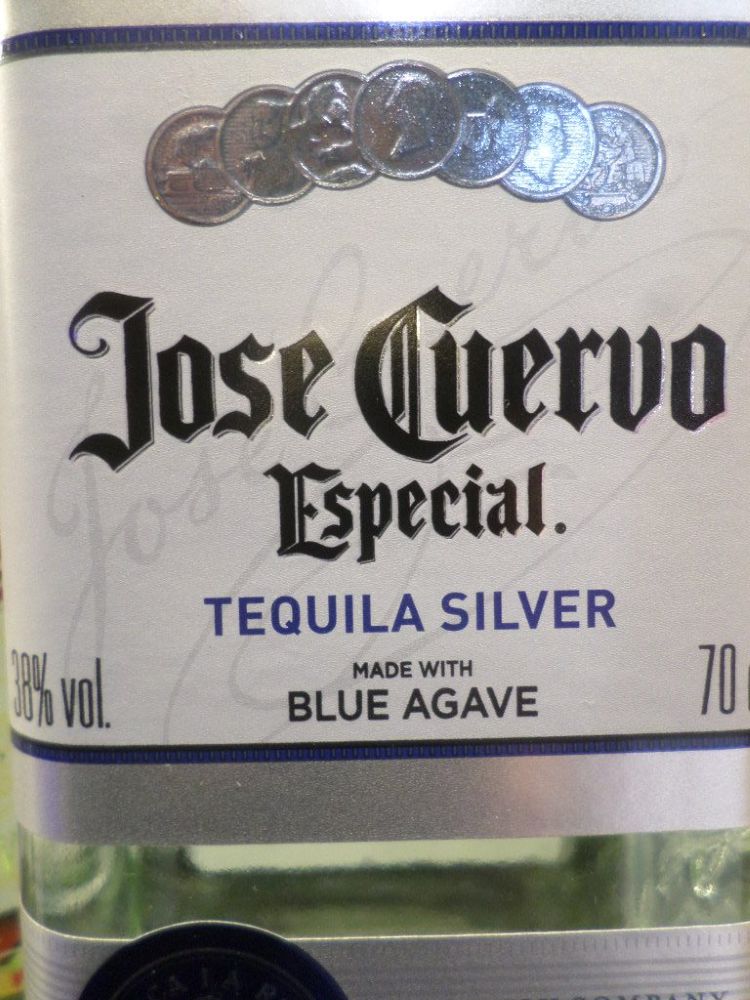
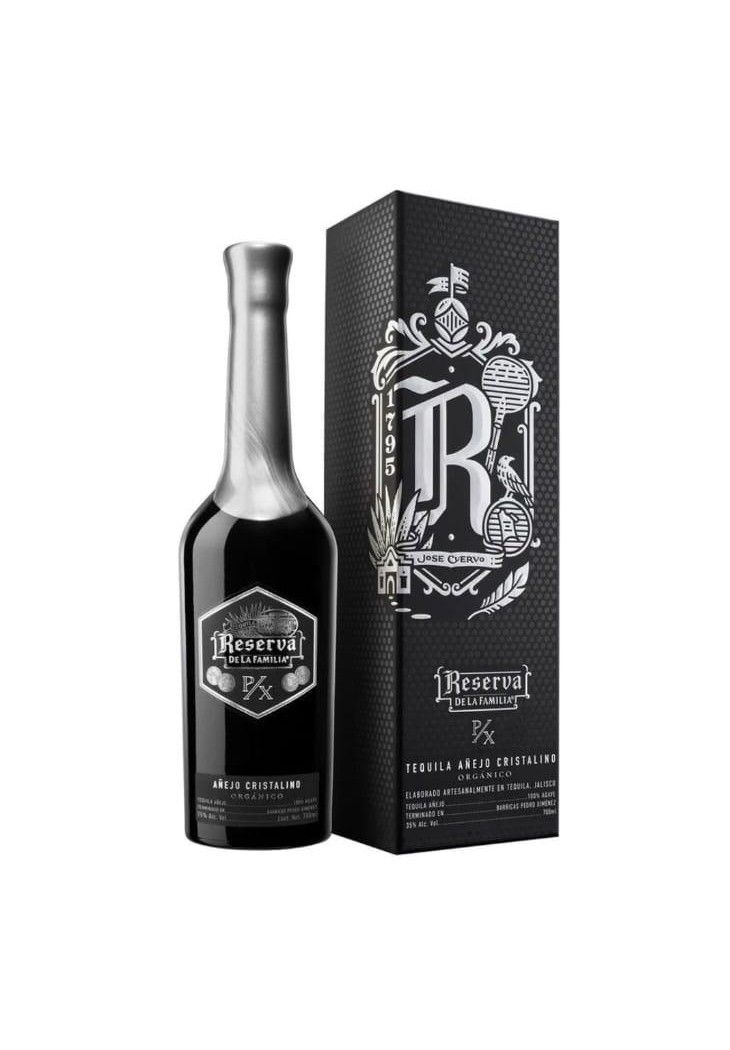
The Casa Cuervo on the José Cuervo line: https://cuervo.com/legacy/
The official Patron tequila: https://www.patrontequila.com/
The official Herradura tequila: https://www.herradura.com/en-us/
I am not the technical guide from the commission page, and wikipedia will translate this bit of information, Tequila is an alcoholic beverage obtained from distillation. It is made from the fermentation and distillation (like mezcal) of the juice extracted from the Agave tequilana plant (blue variety), with a designation of origin in five Mexican states: Guanajuato, Michoacán, Tamaulipas, Nayarit, and Jalisco. It is produced in the vicinity of the towns of Tequila and El Arenal, as well as in Arandas, Atotonilco el Alto, and Ixtlán del Río in Jalisco. The designation of origin applies throughout the entire territory of Ixtlán del Río, while in the other states it applies only to the towns specified in the designation of origin. It is recognized as Mexico’s most representative beverage. Since tequila is a distinct spirit from mezcal, it’s often believed that a drink would have no relation to tequila in terms of production or distillation. However, it’s important to note that tequila is considered a specific type of mezcal, obtained from the blue agave (Agave tequilana), while mezcal, in its various forms, can be made from 14 different agave species. Hence the popular saying, “It’s called tequila, but its last name is mezcal.”
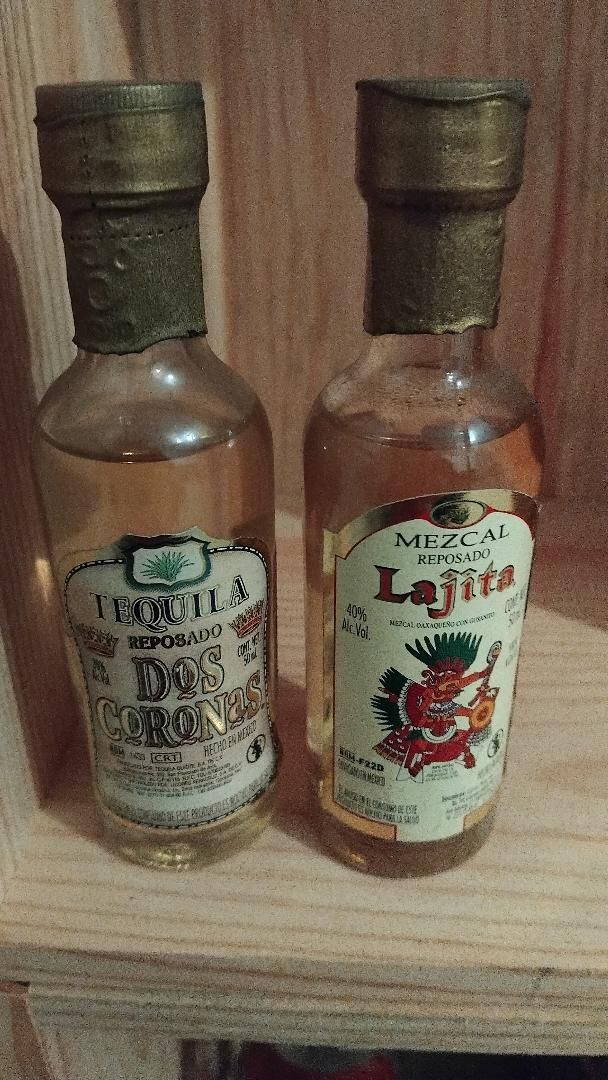
Following an initial initiative in 1949, the Official Gazette of the Mexican Federation published the declaration protecting the tequila designation of origin on December 9, 1974. The Tequila Regulatory Council, founded in 1994, oversees every stage of tequila production, from the agave plant to the labeling of the bottles. From the Agavaceae family, also known as maguey, the agave plant flowers after 7 to 10 years of growth. It can weigh from 35 to 80 kg in the Lowlands, and up to 125 kg in the Highlands. The “jimadores” then harvest the hearts (“piñas”) by hand and cook them in steam ovens. This artisanal step is essential for the quality of the spirit. The cooking process can last from 50 to 72 hours. Next, the piñas are crushed to extract the juice. Then comes the fermentation phase, which lasts between two and three days for industrial fermentation. After this phase, the juice is distilled in specific stills and then bottled. It takes approximately 7 kg of piñas to produce 1 liter of tequila.
Industrial Production Extraction is done before or after hydrolysis, the carbohydrates or sugars contained in the agave hearts must be separated from the fiber. This extraction is commonly done with a combination of a shredder and a roller mill. Formulation: According to the Official Mexican Standard for Tequila, tequila producers can make two categories of tequila: 100% agave tequila and non-agave tequila. Fermentation: In this phase of the process, the sugars present in the must are transformed, by the action of yeast, into ethyl alcohol and carbon dioxide. Other compounds that contribute to the final sensory characteristics of the tequila are also formed at this stage. Distillation: Once the fermentation phase is complete, the must must be distilled; this process consists of separating the constituents of the must. Alcoholic distillation is based on the fact that ethyl alcohol, being lighter than water, vaporizes at a temperature lower than water’s boiling point. The vapors can then be condensed and converted back into a liquid with a high alcohol content. Distillation is generally carried out in stills and consists of two phases. The product obtained from the first cycle is commonly known as “ordinary” tequila; this product undergoes a second cycle, or rectification, ultimately resulting in tequila.
Depending on the percentage of sugars derived from agave used in tequila production, it can be classified into one of the following categories: 100% Agave is the product that is not enriched with any sugars other than those obtained from the Agave tequilana Weber var. azul cultivated within the territory covered by this denomination. For this product to be considered “100% Agave Tequila,” it must be bottled at a facility controlled by the Authorized Producer, which must be located within the territory covered by this denomination. Tequila is the product in which the must may be enriched and blended with other sugars in the formulation, up to a proportion of no more than 49% of total reducing sugars expressed in mass units aka mixto tequila. This product may be packaged in plants other than an Authorized Producer, provided that the packagers comply with the conditions established in the Official Mexican Standard for Tequila.
Based on the characteristics acquired in post-distillation processes, tequila is classified into one of the following categories: Blanco or Plata (Silver), a transparent product, not necessarily colorless, without added water, obtained by distillation with the addition of only diluting water, and which may be aged for less than two months in oak or holm oak barrels. Joven or Oro (young or Gold), a product resulting from the blending of blanco tequila with reposado, añejo, or extra añejo tequilas. The term joven or oro is also used for the product resulting from blending blanco tequila with any of the aforementioned ingredients, a process known as abocamiento (addition). Reposado (Reposed), a product that can be abocated, subject to an aging process of at least two months in direct contact with oak or holm oak barrels. The result of blending reposado tequila with añejo or extra añejo tequilas is considered reposado tequila. Añejo, a product that may be sweetened, is subject to a maturation process of at least one year in direct contact with oak or holm oak wood containers with a maximum capacity of 600 liters. Its commercial alcohol content must, if necessary, be adjusted with dilution water. The result of blending añejo tequila with extra añejo tequila is considered añejo tequila. Extra añejo, a product that may be sweetened, is subject to a maturation process of at least three years in direct contact with oak or holm oak wood containers with a maximum capacity of 600 liters. Its commercial alcohol content must, if necessary, be adjusted with dilution water. Reserva. This is not strictly a regulated classification since it is not provided for in the corresponding Official Mexican Standard, however and according to the criteria of the Tequila Regulatory Council as well as the large producers of this product, prior to the pronouncement of the 1974 declaration in which tequila was considered as a Denomination of Origin, the distinctive “Reserva” of each producing house is intended to designate the supreme quality of certain aged tequilas.
The official Camara Nacional de la Industria Tequilera: https://cnit.org.mx/en
The town of Tequila on town info: https://tequila.sapumu.com/municipio/area/comision-turismo-y-cultura
The Mexico National Tourist office on Tequila town: https://visitmexico.com/en/destino/2159/tequila-jalisco
The official Route of Tequila on Tequila museums: https://www.rutadeltequila.mx/zonas-arqueologicas-y-museos-de-la-ruta-del-tequila-jalisco
The State of Jalisco on Tequila bars drink: https://visitjalisco.mx/region/tequila/
The Magical towns of Mexico on Tequila: https://magicaltowns.mx/jalisco/tequila-jalisco/
There you go folks, a nice brief ride into beautiful country of Tequila, in Jalisco, Mexico away from the crowds in the countryside and beautiful. Again, hope you enjoy the post on this is Tequila and the town !!! as I.
And remember, happy travels, good health, and many cheers to all !!!

 Paris1972-Versailles2003