
Let me tell you about something personal, nostalgic, memorable, historical architecturally stunning beautiful off the beaten path City of Meaux, in the Seine et Marne dept 77 of the Île de France region of my belle France. I have several posts on the City for many good reasons. I came back from it this week and of course, need to tell you more, Therefore, here is my take again on curiosities of Meaux, part II !!! Hope you enjoy the post as I.
We passed again by the cinema Majestic in which I saw my first movies in France at place Henri IV. Now part of the UGC cinema group, It was left unattended for a period of time but now it has been renovated new since April 2024.

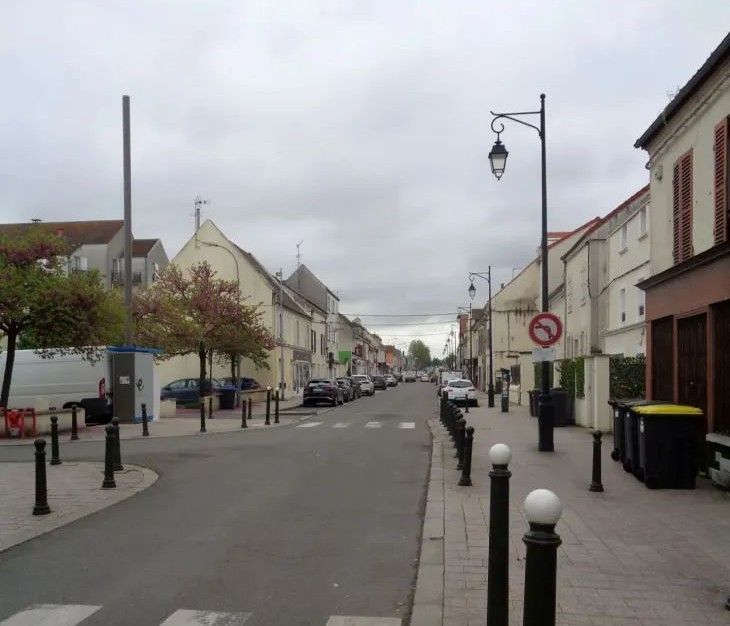
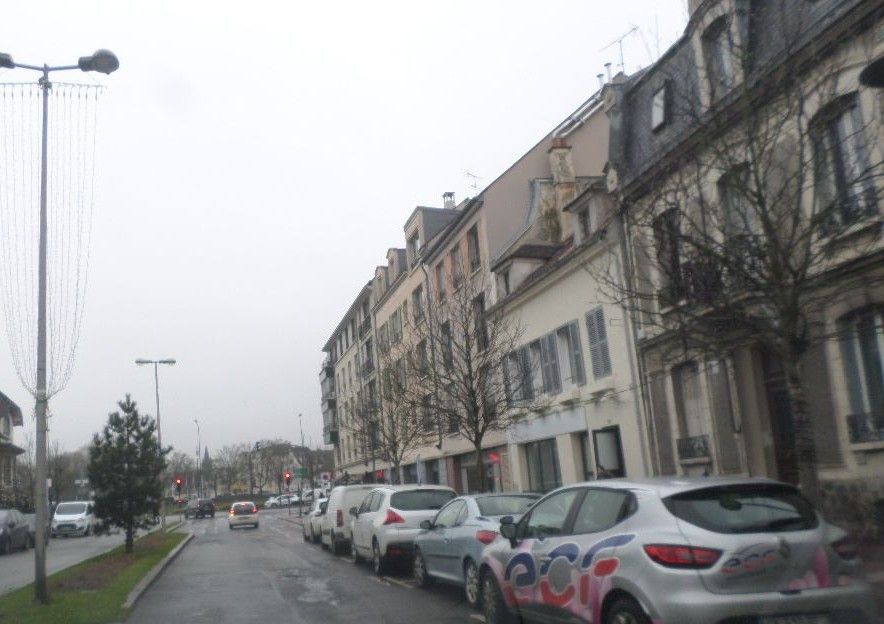
The Rue du Faubourg-Saint-Nicolas is none other than the Decumanus Maximus which crossed the ancient city from east to west. In the 5C, there was Sainte Céline, a friend of Saint Geneviève; On her tomb, placed extra muros in the ancient tradition, arose a church that had to endure until the French revolution. So along this wonderful street off my dear late wife Martine street, The Place Henri IV is a vast quadrilateral located at the junction of the old town and the Faubourg Saint-Nicolas (my Martine district of birth). It is bordered by houses dating, for the most part, from the 19C today The square is name as such because it was to mark the coming of king Henri IV in 1599 when the city was in the middle of the 30 years war of Religions,and decided to rally in favor of the king. King Henri IV was a Protestant, and the city of Meaux , Catholic, and when the king converts to Catholicism, the locals (who are call by their celtic name, the Meldois) decided to signed the peace accords. The rebel governor, De Vitry, opened the gate of the fortified city, located on the edge of the square. He hands over the keys during an official ceremony that takes place on the Butte des Cordeliers, at the current location of the square. The king compliments De Vitry for this amnesty and maintains him in his post of governor, the equivalent of mayor and prefect today.
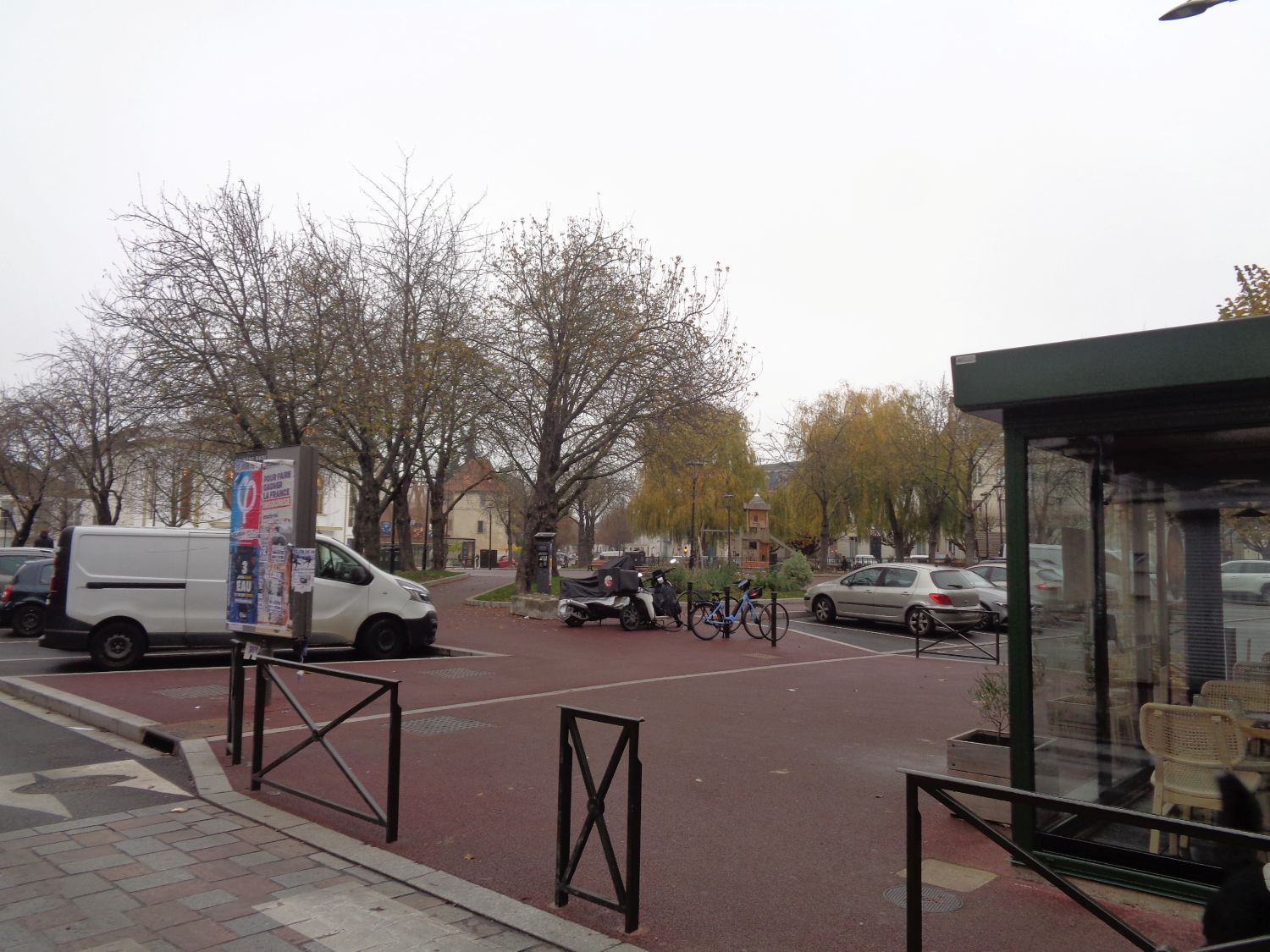
Numerous 17-18C townhouses constitute a remarkable civil heritage: the Hôtel de Longuejoue and Hôtel de la Regnaudière (Place Saint-Maur), Hôtel de la Sirène (Rue du Général Leclerc), Hôtel Passelaigue (Rue Rochard), Hôtel Macé de Montoury (Rue Saint-Rémy), Hôtel Marquelet de la Noue (Rue des Vieux Moulins), the Convent, etc. Religious congregations have also left their mark on the city’s urban heritage through architectural achievements such as the Convent of the Visitation (Faubourg de Chaage), the Augustinian House (Faubourg Saint-Nicolas), and the Ursuline Convent (now an annex of the Lycée Moissan, Rue des Ursulines). In the 19th century, urban expansion led to the construction of numerous public facilities: a theater (1845), a Protestant temple in the Saint-Nicolas district (1848), a railway line (1849), a prison (1857), the City Hall and Bank of France building (1875), a metal market hall (1879), the courthouse (1884), a railway station (1890), a savings bank (1892), and a branch of the Nouvelles Galeries department store (around 1900). In 1828, a new City Hall was built on the site of the old castle, but it quickly became too small. In 1900, the City Hall was enlarged and given a monumental neoclassical façade. Its peristyle is surmounted by beautiful Ionic columns. Inside, overlooking the grand staircase, a stained-glass window depicts the proclamation of the commune of Meaux in 1179 by the Count of Champagne, Henry the Liberal.
The Chapelle des Catéchismes or Catechism Chapel,is located between the old chapter house and the episcopal palace, you can see a small 13C neo-Gothic chapel. It is used, notably during the Meaux historical pageant, as storage for the volunteers’ costumes.

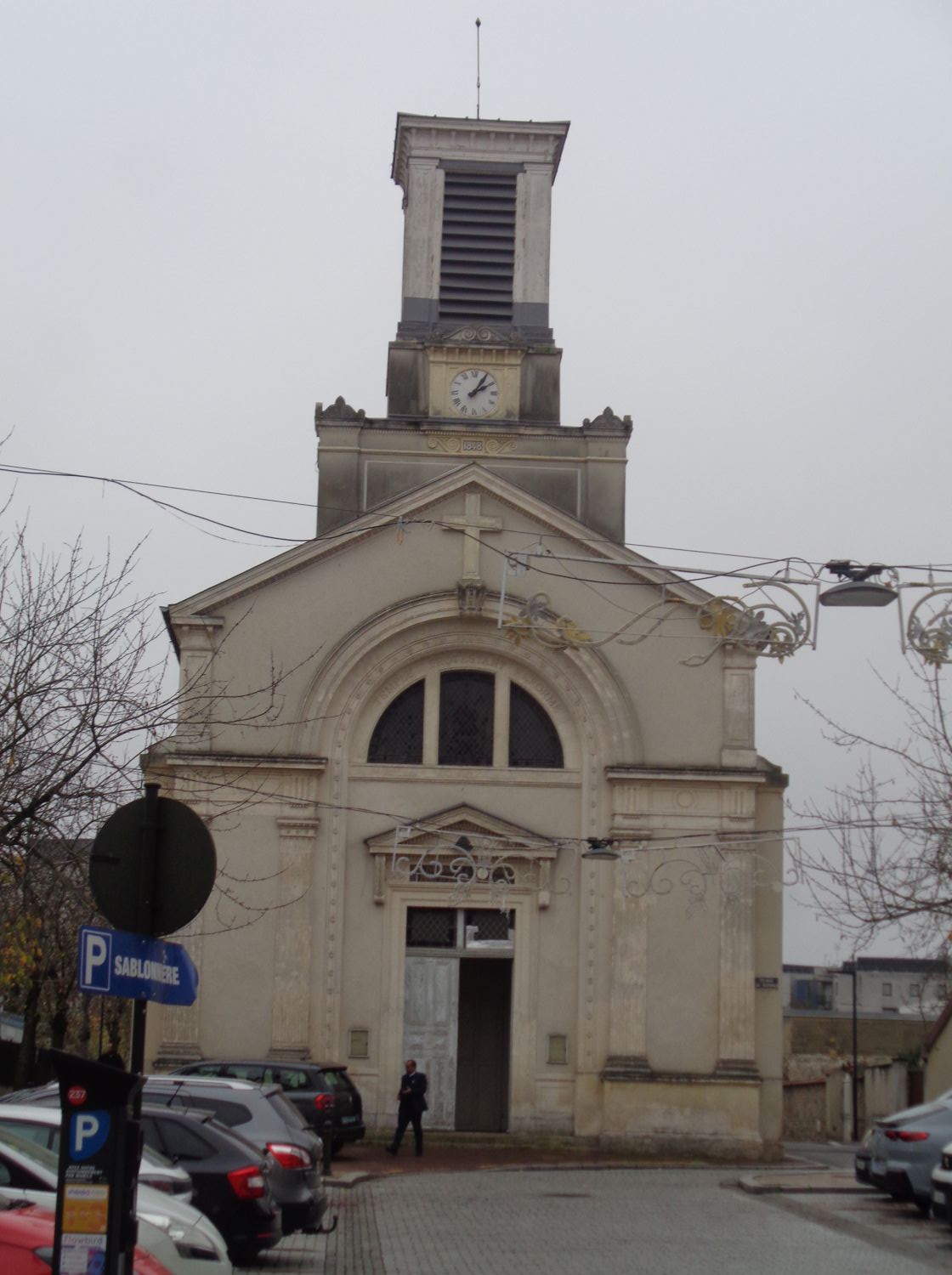
The Temple Protestant or Protestant Temple, built in 1849, located at Place du Temple, off Rue du Faubourg Saint-Nicolas, A reform movement was initiated in 1516 by the Bishop of Meaux, Guillaume Briçonnet, who desired a reform of the Church and welcomed, among others, Jacques Lefebvre d’Étaples and Guillaume Farel. A circle was formed that historians would called the Cenacle of Meaux. It was dissolved in 1525 by order of the Sorbonne. Despite this, the ideas of the Cenacle spread, and the first French Reformed Church was organized in Meaux. Between 1523 and 1560, persecutions for heresy increased. Despite the repression, small evangelical groups continued to gather to read the Scriptures and pray. The Edict of Nantes, promulgated on April 30, 1598, by Henry IV, granted freedom of worship to Protestants, 52 years after the “Martyrs of Meaux.” But in 1685, the Edict of Fontainebleau revoked this freedom. Protestant worship was forbidden. The Edict of Tolerance of 1787 did not restore public worship but gave Protestants legal status. In 1804, Napoleon Ier defended freedom of conscience and worship. In 1938, some Reformed Churches united to form the “Reformed Church of France.” Others, committed to Calvinist and evangelical orthodoxy, founded UNEREI (National Union of Independent Evangelical Reformed Churches). In 2009, UNEREI became the National Union of Evangelical Reformed Protestant Churches of France (UNEPREF).
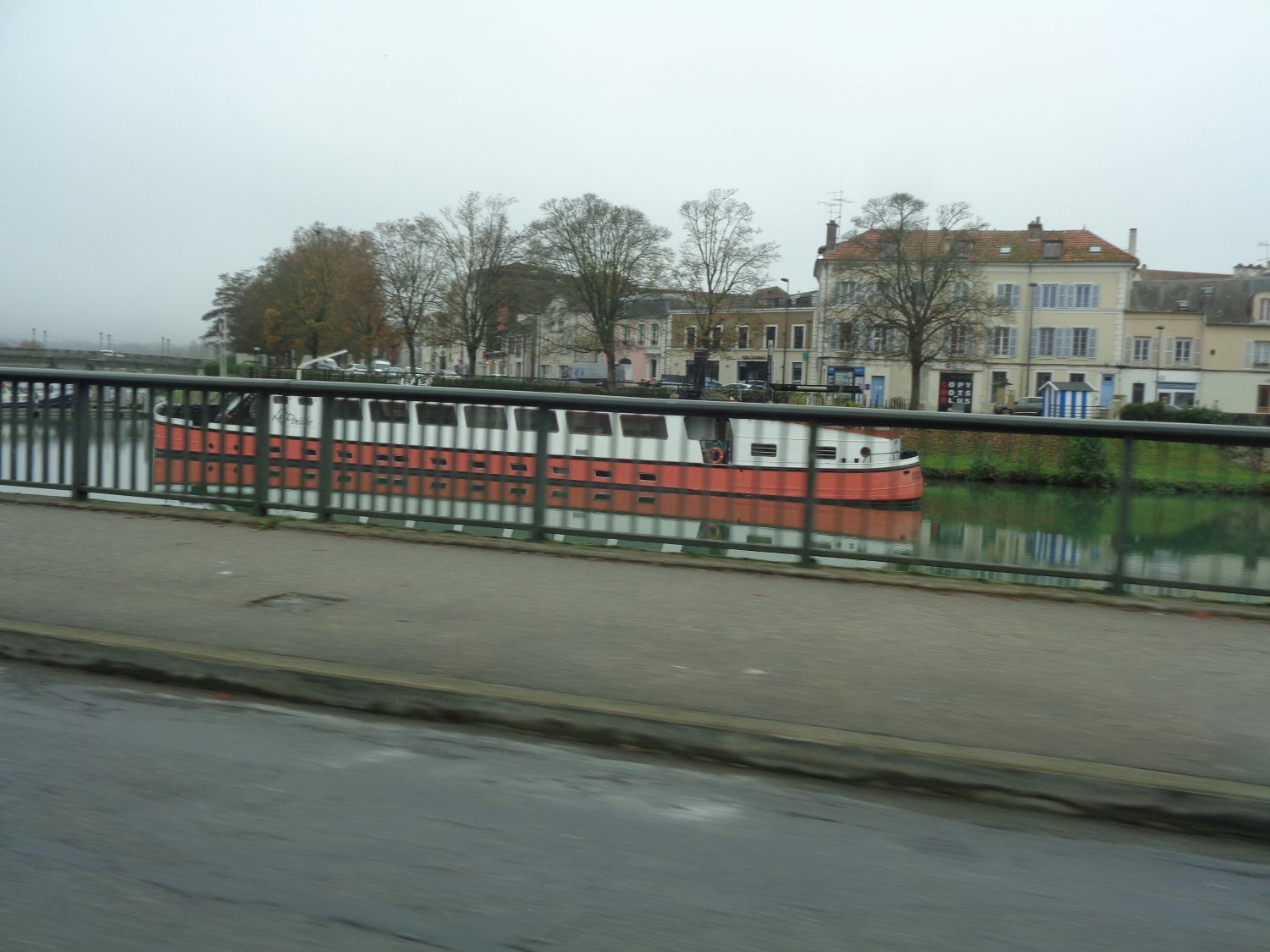
Marin d’Eau Douce has dropped anchor in Meaux to invite you to discover the banks of the Marne river aboard electric boats, which require no license, offering a unique, fun, and original experience! Departing from Meaux, let the Marne tell you its story at the pace of a leisurely and delicious cruise! The Meaux river stop can accommodate 16 boats and has water and electricity hookups. Located in the heart of Meaux, with a view of the cathedral and just steps from the bus and train stations, the Meaux river stop is the ideal place for a stopover on the Meaux Marne Ourcq route!
In City center around rue Saint Remy a pedestrian only street is just about only shops, restos bars etc, My first car in France , a Ford, of course, was purchase at the old dealer now close at Cours Raoult just between pl Henri IV and the Marne river.
The official UGC Majestic Cinema: https://www.ugc.fr/cinema.html?id=39
The official EPREM on the Temple Protestant :https://eprem.fr/decouverte/
The official Marin d’eau Douce boating on the Meaux port : https://www.boating-paris-marindeaudouce.com/meaux/
The Meaux Marne Ourcq tourist office on the Meaux river stop : https://www.meaux-marne-ourcq.com/en/discover/4713217_halte-fluviale/
The City of Meaux on its heritage : https://www.ville-meaux.fr/ma-ville-et-actualites/tourisme/balade-a-meaux
The Local Meaux Marne Ourcq tourist office on the heritage of Meaux : https://www.meaux-marne-ourcq.com/decouvrir/incontournables-meaux-marne-ourcq/la-cite-episcopale-de-meaux/
There you go folks, a wonderful City still on the off the beaten path but worth the detour, me think, To me it will always bring nice memories that will not go away, The memories will never be forgotten and my travels, and blog is a constant reminder of those beautiful wonderful times. Meaux is the prime suspect with the Seine et Marne as complice. Again, hope you enjoy this post on curiosities of Meaux, part II !!! as I.
And remember, happy travels, good health, and many cheers to all !!!


I did enjoy, indeed! Interesting history, thanks for sharing. 🕯️
LikeLiked by 1 person
My pleasure, you are welcome. Thanks for stopping by Cheers
LikeLiked by 1 person