
I was on my by now monthly road warrior trails of my belle France, I was out with my boys and my good dog Rex riding into the wonderful regions near me. This even if passed by before, is my first time in the town of Clére les Pins, with a magnificent castle, worth the visit, and nice church. The village of Cléré-les-Pins is located in the Indre-et-Loire department,37 in the Centre-Val de Loire region of my belle France, Therefore, here is my take on the Château de Champchevrier of Cléré les Pins, exteriors !!! Hope you enjoy the post as I.
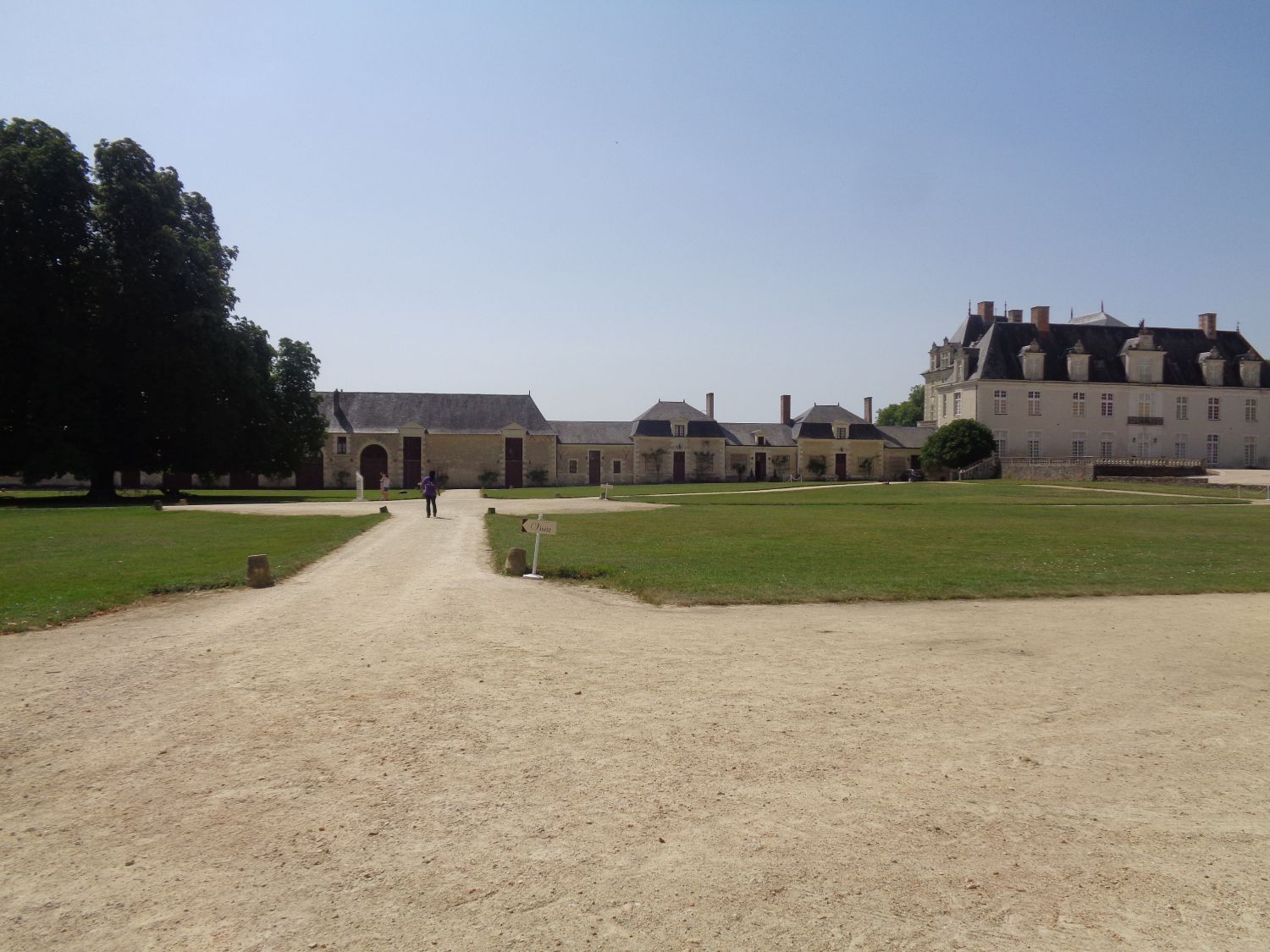
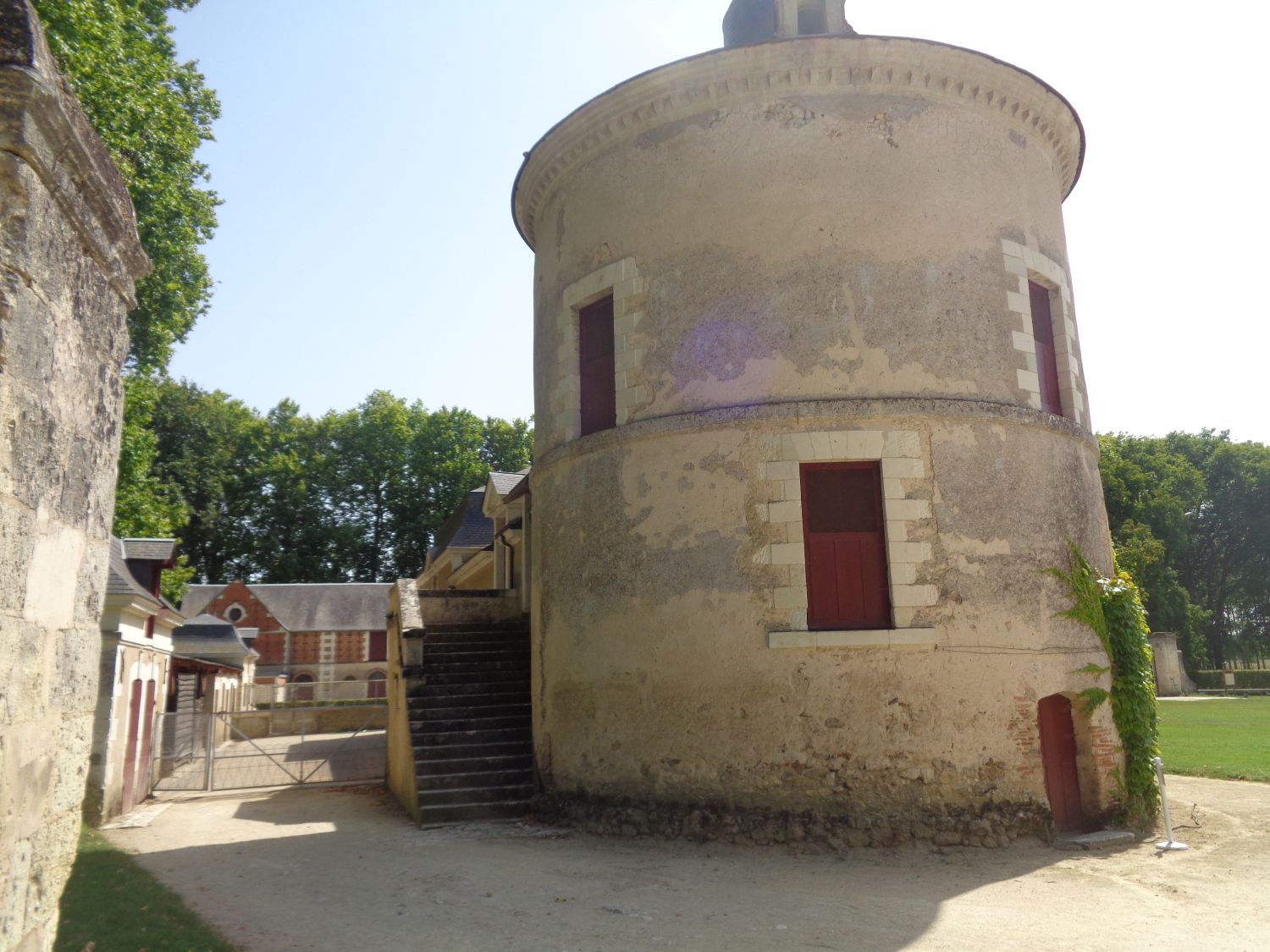
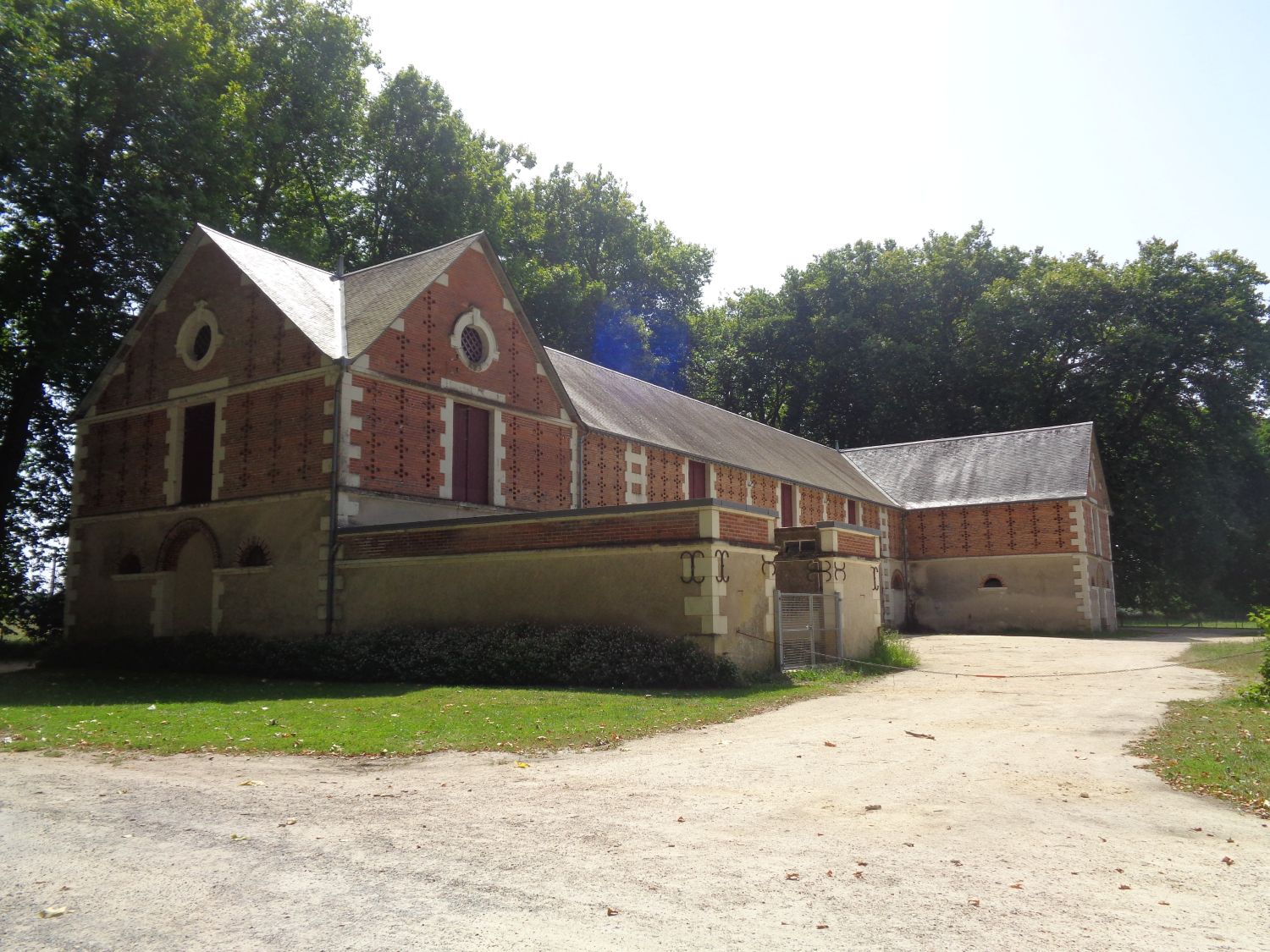
The village is at the center of the RD 34 road linking Cinq-Mars-la-Pile to Château-la-Vallière.(see posts), It is located 15 km from Château la Valliére, 27 km from Tours, 14 km from Langeais, 20 km from Villandry, 273 km from Paris, and 307 km from my current town, We came here from Château la Valliére along the D34 really looking for Vaujours castle but found this gem which merits a second visit indeed, You see panel to bear left into the narrow road that is long but takes you to the castle just before reaching the city center of Cléré les Pins.
The Château de Champchevrier is a Renaissance castle, surrounded by moats and inhabited by the La Ruë du Can family since 1728. It houses the oldest hunting dogs team in France. Champchevrier is a 16C castle, a park, and a vast wooded estate. The castle, its outbuildings and annexes, including the chapel with its openwork wooden lantern, its gardens, its entrance courtyard with its beautiful armorial gate, the park and its large plane trees are worth the visit indeed. A chapel, an older dovecote, and 18C buildings form the outbuildings.
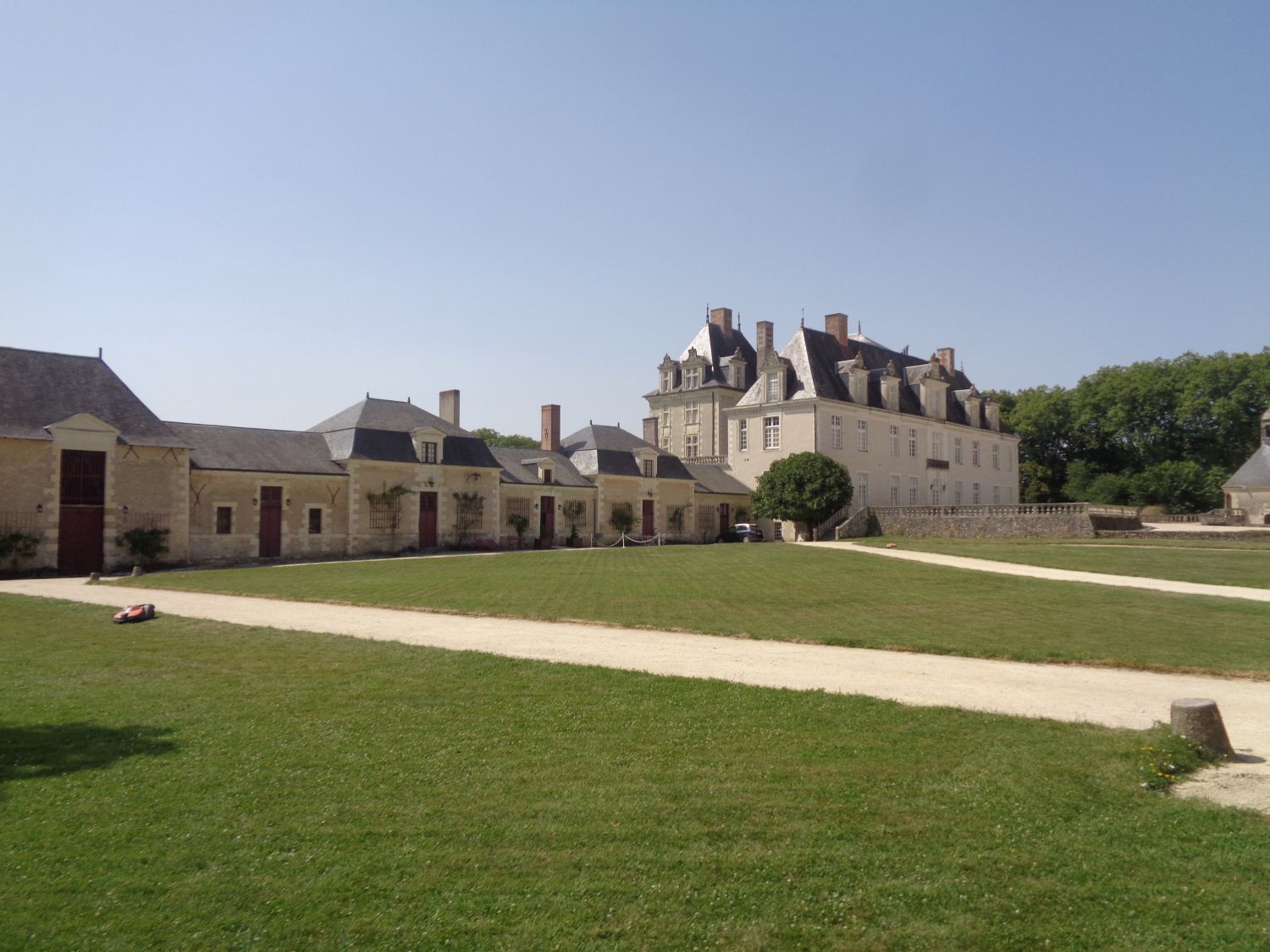
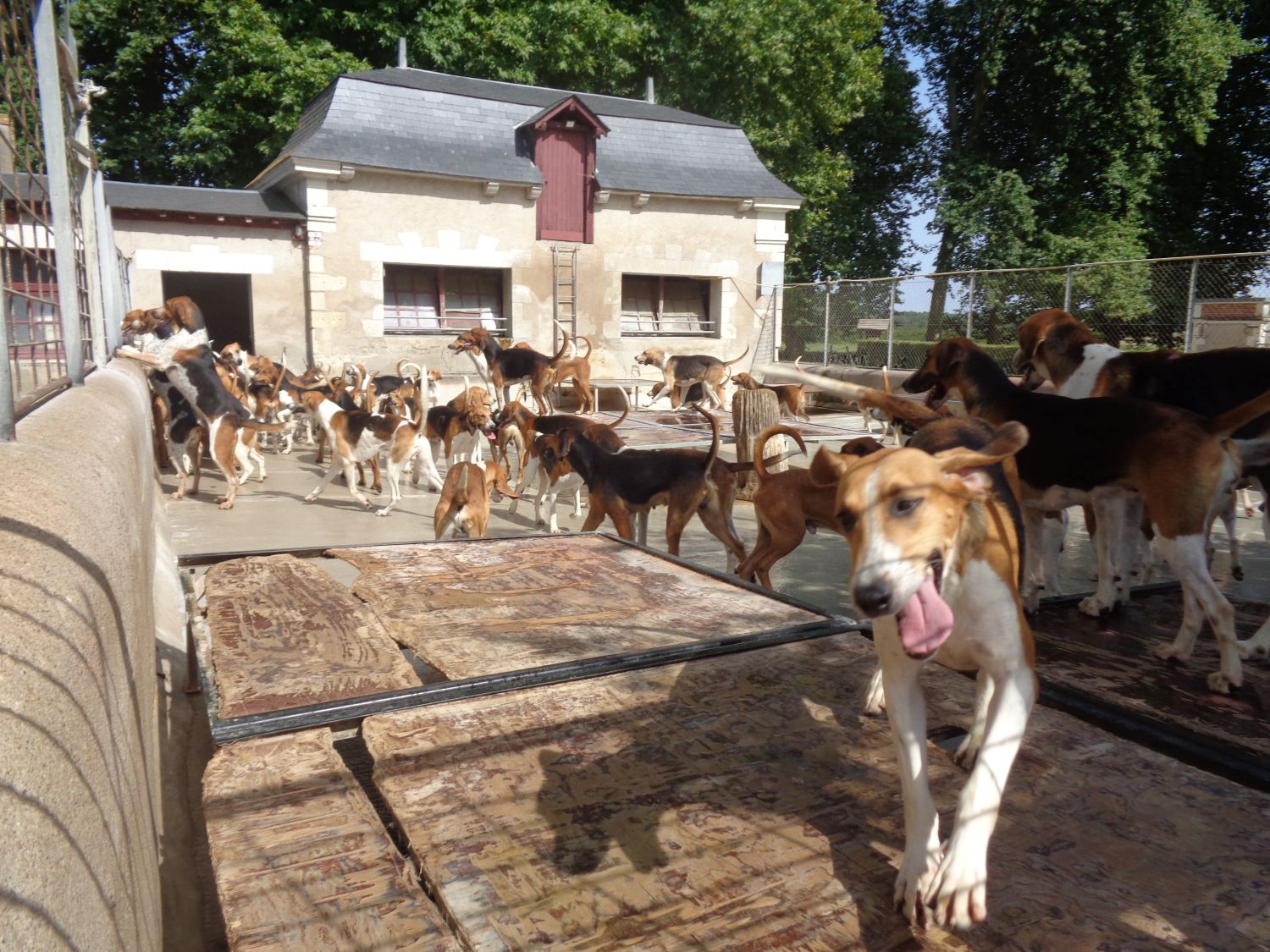
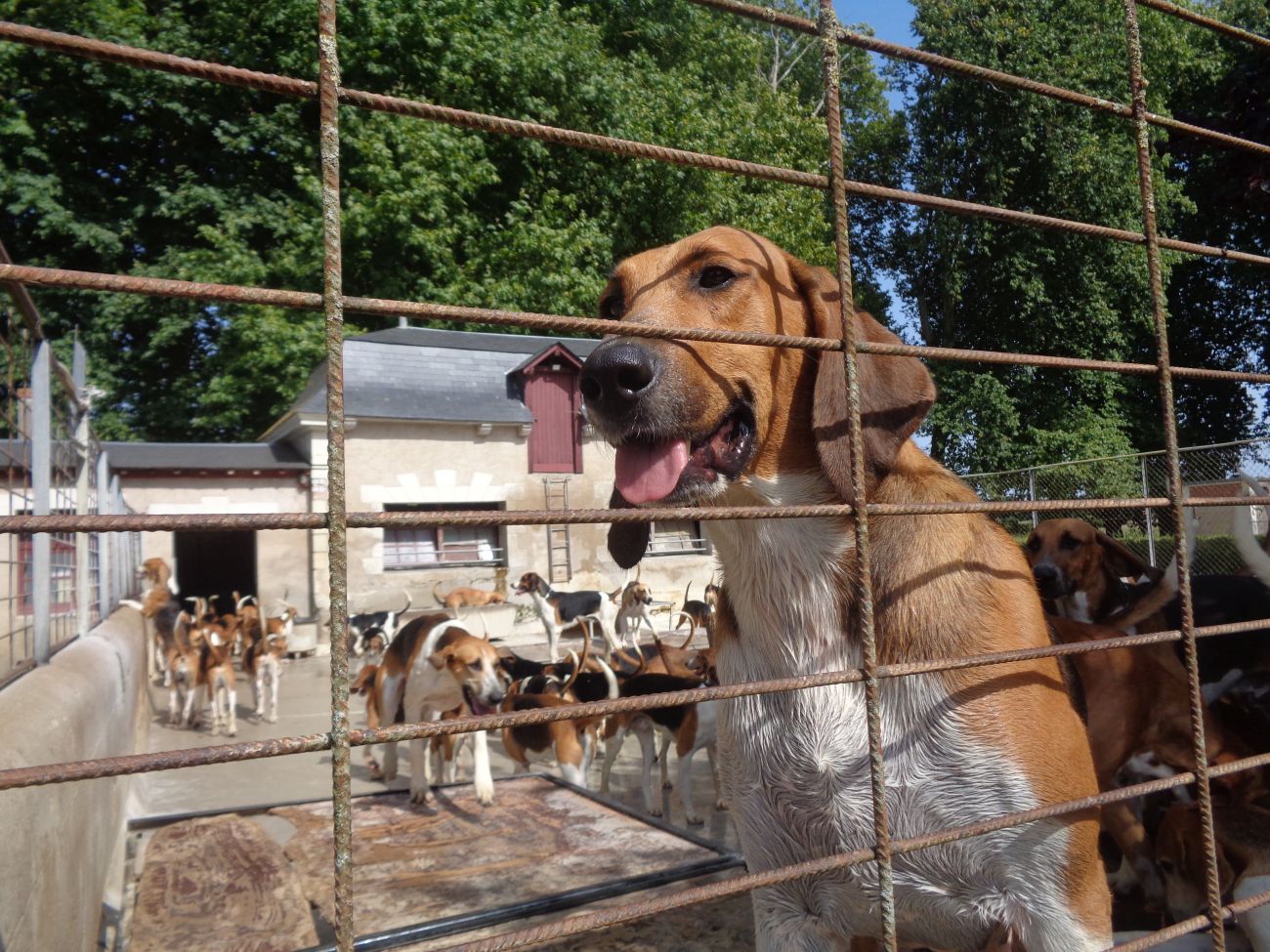
The park allows you to understand the architectural ensemble (château, outbuildings, farmhouse, dovecote, chapel, etc.). You can also discover the pack’s kennel and breeding. The Champchevrier pack is the oldest in Europe. It was reconstituted in 1804. In 1825, the Prince of Condé saw his own pack decimated by disease. It was the Baron of Champchevrier who provided him with dogs to reconstitute it. In gratitude, the Prince of Condé offered him the privilege of wearing the colors of his uniform: “doe belly” with “amaranth” facings. These are still the colors that dress the members of the pack today. Outside, the barking of the dogs sometimes breaks the silence and adds to the magic of the place. The kennels house a pack of 70 tricolor Anglo-French dogs that hunt only deer. Breeding is carried out on the property and reminds us if necessary , that we live there all year round. Dog feeding is done on Thursdays July 10, 17, 24, and 31, & Thursdays August 7, 14, and 21 at 16h (4 p.m.).
A bit of history of the castle I like tell us that in the 11C, a fortress belonging to Hugues de Champchevrier stood on the site of the current Château. Its name comes from the Latin, “campus caprarius”, the goatherd’s field, which already evokes the presence of numerous roe deer on the estate. This Château was owned by the Maillé family in 1253. By marriage, different families succeeded one another: the Laval, the Bastarnay, then the Daillon in 1550. On the foundations of this fortress, the Daillon rebuilt a Renaissance Château whose mullioned windows can still be seen today. The east facade was remodeled in the 18C. The very beautiful old gate that closes the main courtyard replaced the drawbridge destroyed in 1792. The dovecote dates from the 16C. Its imposing diameter reflects the size of the estate. His nephew Antoine de Roquelaure, Marshal of France, who inherited the Château in 1686. He built courtyards, gardens and moats all around the Château. His wife preferred the Court of Versailles to Champchevrier, so he sold the Château in 1728 to Jean-Baptiste Pierre Henri de la Rüe du Can. The latter became Baron of Champchevrier in 1741 by letters patent of Louis XV, who established the lands of Champchevrier as a barony. The current owners are direct descendants. The Royal Chamber was King Louis XIII who graced the residence with several stays. Indeed, the owner at the time, François de Daillon, was also the governor of the king’s brother, Gaston de France, Duke of Orléans. Louis XIII stopped at Champchevrier on his way to visit his brother. Between June and August 1619, Louis XIII came to Champchevrier several times and enjoyed staying there. We know precisely what he did there thanks to the journal kept by his personal physician, Jean Héroard.
The official Château de Champchevrier: https://champchevrier.fr/
The town of Cléré les Pins on its heritage : https://www.clerelespins.fr/fr/44/eglise-et-chapelles
The Centre Val De Loire, Touraine region tourist office on the castle : https://www.tourainevaldeloire.com/en/activities/all-visits/a-day-at-the-castle/chic-the-chateau-de-champchevrier/
There you go folks , a nice quant town worth a detour me think. The area is wonderfully located to visit other wonders of my belle France, Again ,hope you enjoy this post on the Château de Champchevrier of Cléré les Pins, exteriors !!! as I
And remember, happy travels, good health, and many cheers to all !!!


