
Once again, coming back from my road warrior trails in my belle France. This one after many passing finally went in City center of Thouars, with great architecture and history to boot. You will see plenty in next posts stay tune, The City of Thouars is located in the Deux-Sèvres department no. 79 in the Nouvelle-Aquitaine region of my belle France. Thouars has been awarded the 4-flower flower town label and the Town of Art and History label, Therefore, here is my take on the Château des Ducs de La Trémoille of Thouars !!! Hope you enjoy the post as I.
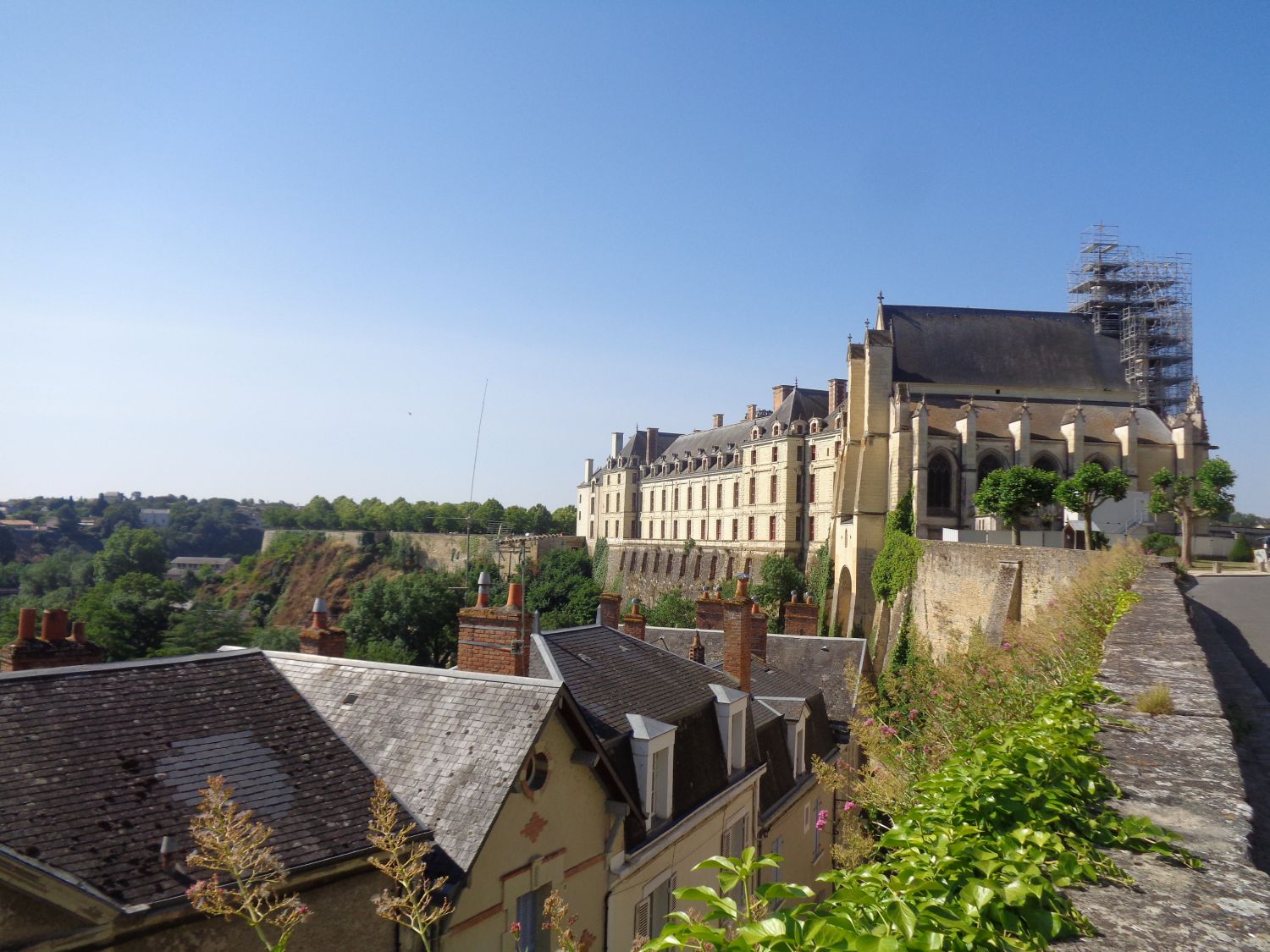
The Château de La Trémoille was originally occupied by a first fort, razed in 762 by Pepin the Short. A fortified castle replaced it in the Middle Ages, defending the important stronghold of Thouars during the Hundred Years’ War. The castle was notably recaptured by Bertrand Du Guesclin in 1372. Passing into the hands of the Amboise family, the Viscountcy of Thouars was attached to the royal domain, before being returned to the heirs of the Amboise family, the La Trémoille, by Louis XI. This important family of the French nobility obtained from King Charles IX the erection of the Viscountcy into the Duchy of Thouars, which was accompanied by the Peerage of France under Henry IV. The duchy remained in the hands of this family until the Revolution. With a façade more than 110 meters long preceded by a courtyard of honor surrounded by porticoed galleries, the Château de Thouars thus became, at the time, one of the most important in France. The current stables were added in 1707,In 1619, Henry de La Trémoïlle married his cousin Marie de La Tour d’Auvergne, sister of Turenne. To redesign the ducal castle, she had a first pavilion built from 1635, then decided to raze the old castle in order to build a more grandiose one. The complex is sumptuous and large. The architect is Jacques Lemercier, famous for his work at the Louvre, the Church of the Sorbonne in Paris and for the construction of the Château de Richelieu. Guided tours by reservation or according to the calendar.

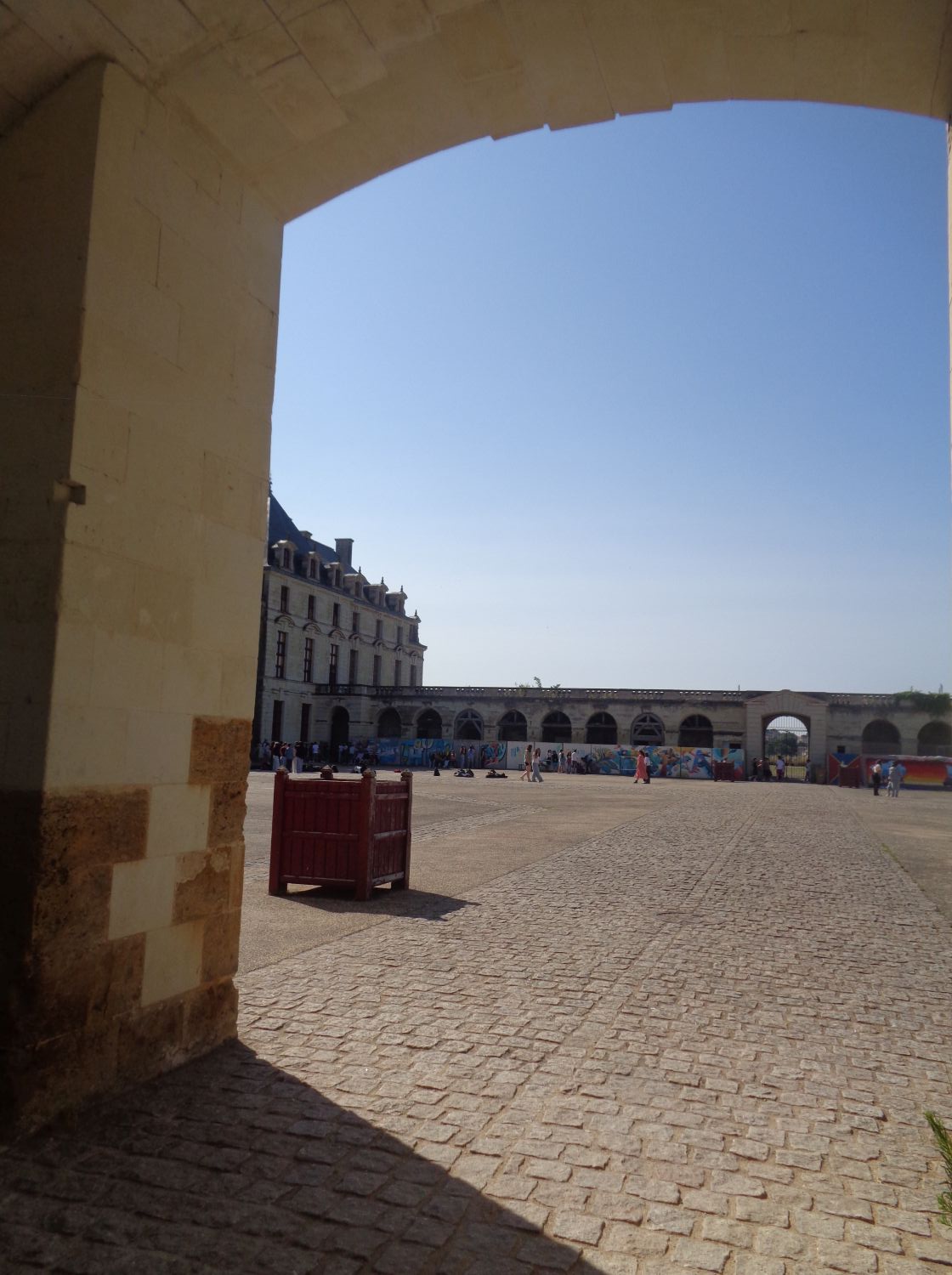
After being looted and seized as national property during the French revolution, the castle became the seat of the sub-prefecture and the court of first instance in 1797. In 1803, Napoleon offered it to General de Vaubois, before, in 1809, offering it with the title of Prince of Essling to Marshal Masséna. However, neither of them accepted the estate, due to the costs of maintenance and restoration. The castle was returned to the Duke of La Trémoille in 1816, but in 1833, under the July Monarchy, the State sold the castle to the town of Thouars. The municipality installed a barracks there until 1849, then entrusted the estate to a religious congregation, which established the Saint-Louis college there. In 1869, the La Trémoille family offered to buy the building, but the municipal council refused. The castle then became a prison: from 1871, it was used to incarcerate many Parisian Communards, and this prison vocation continued until 1925. The main building has housed the Marie de La Tour d’Auvergne public college since the 1930s. The stables house the municipal school of visual arts, the Regional Center “Resistance and Freedom” and the Thouarsais geological interpretation center until 2019. Masses are celebrated in the collegiate church (Fraternity of Saint Pius X). The courtyard enclosure is not used today.
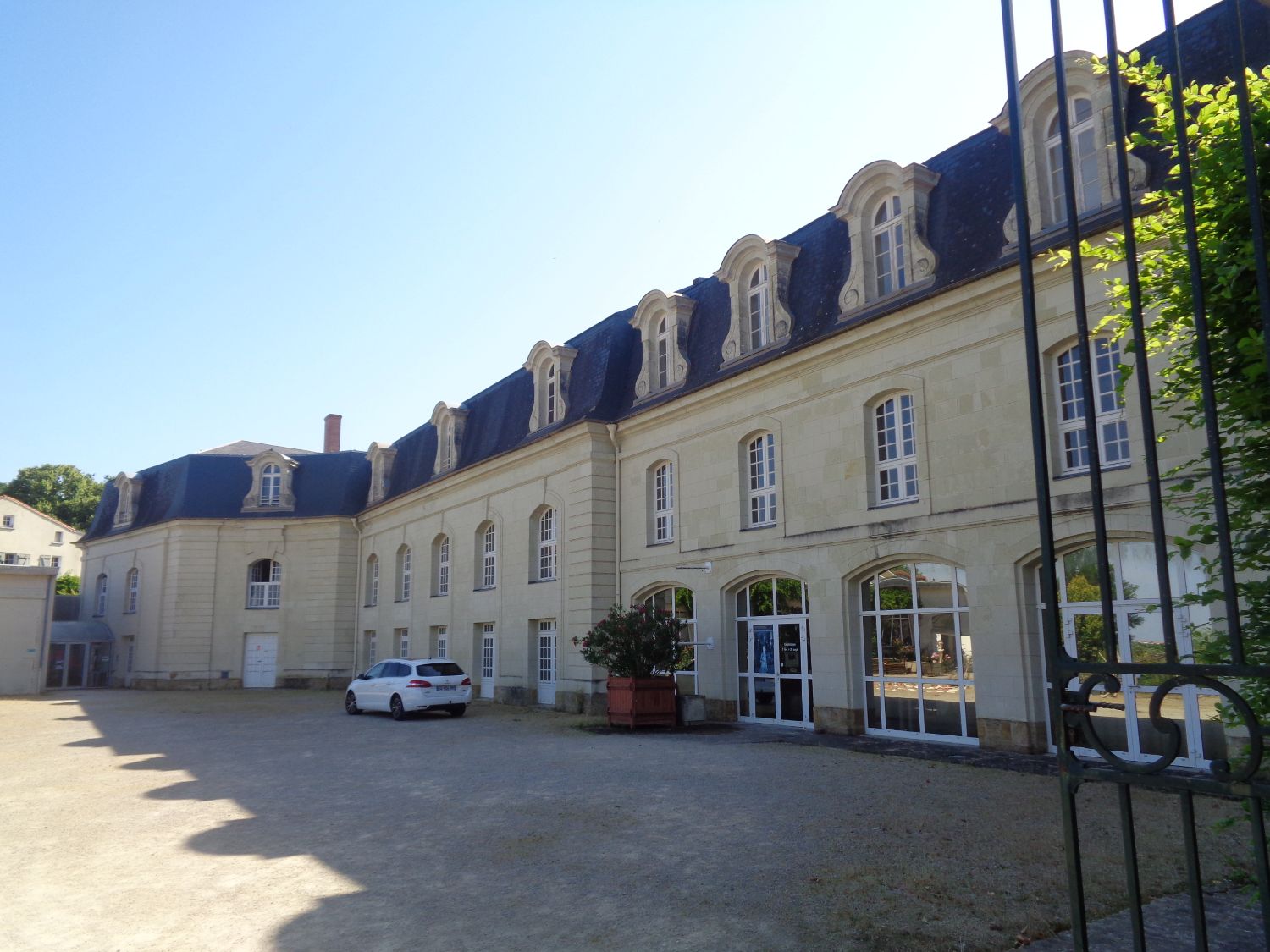
Located in the former stables of the Château de la Tremoille, the Regional Center “Resistance & Freedom” invites you to discover the history of the WWII and the regional Resistance from a unique perspective. The permanent exhibition room allows you to understand, through a thematic tour, why individuals chose the path of the Resistance. Punctuated with freely consultable facsimiles, videos, audio-guided sound elements, and multimedia terminals, this path allows for independent and interactive progression. To avoid forgetting the recent past, to understand our society and the world, dive into the heart of the dark years in the footsteps of the army of shadows and come feel the breath of freedom!
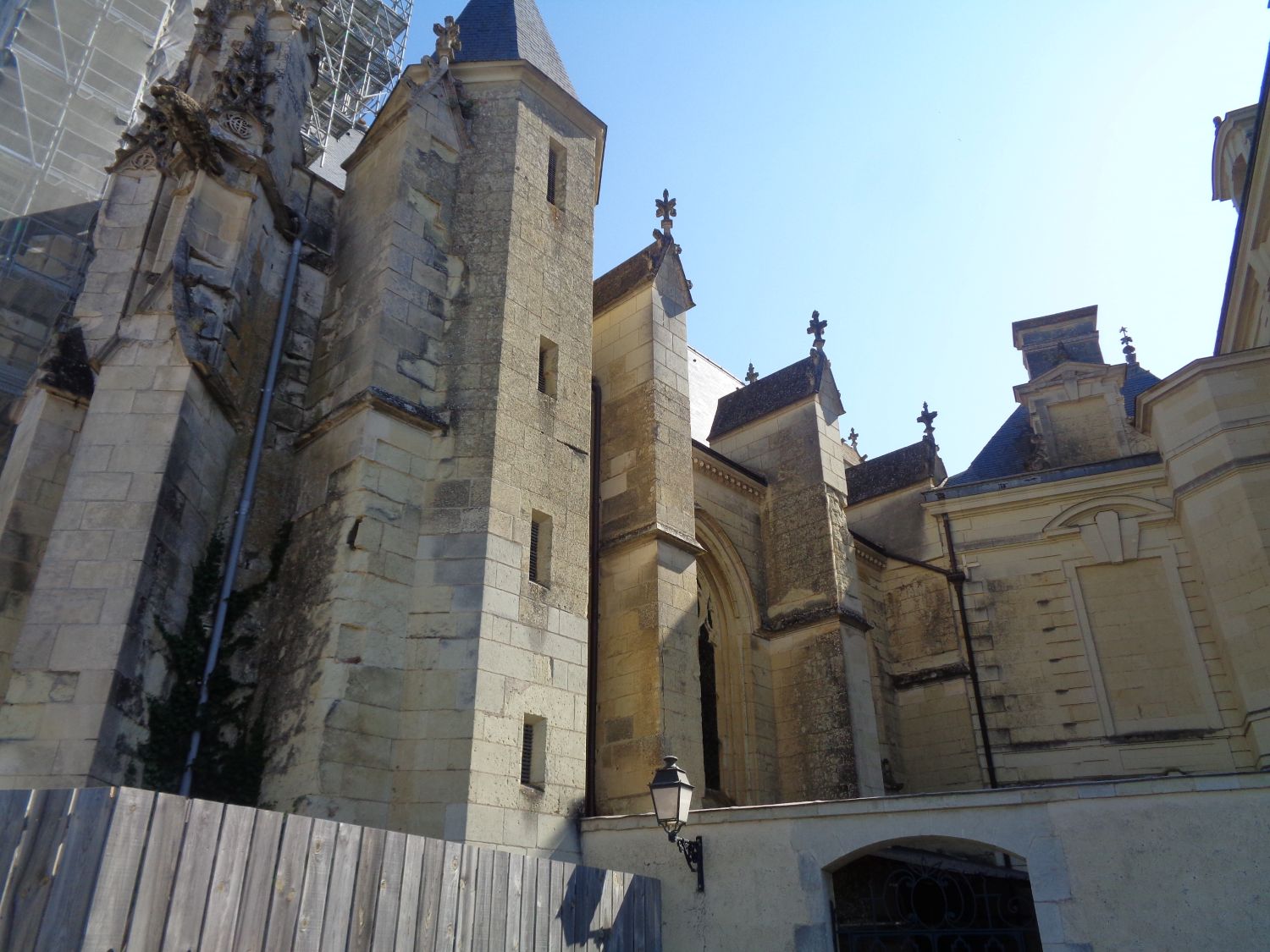
Also known as the Collegiate Church of Sainte Chapelle Notre-Dame, it is attached to the Château de La Trémoïlle. It was built by Louis II de La Trémoïlle and Gabrielle de Bourbon. Dating from the early 16C, this collegiate church has a magnificent Italian Renaissance-style loggia. The collegiate church overlooks a lower chapel, built at the same time, which initially housed the Notre-Dame parish church. Entirely vaulted, this chapel now houses the remains and vestiges of the descendants of the Dukes of La Trémoïlle. Its facades combine Flamboyant Gothic and Renaissance styles. Built from 1503, it became “chapel of the True Cross” or, by an abuse of language, “holy chapel” when it received the donation made by the Cardinal de La Trémoille, brother of the Duke, of a fragment of the True Cross that he had brought from Rome in 1506 (stolen in 1793 during the War of the Vendée). The upper chapel of the collegiate church housed the tombs of the de la Trémoille family, but the recumbent figures did not survive the French revolution Accessible only on guided tours by reservation. It is now under renovation to be completed in 2026,
The town of Thouars on the castle:https://thouars.fr/ville-dhistoire/decouvrir-le-territoire/points-dinterets/chateaudesducs/
The Thouars tourist office on Thouars : https://www.maisonduthouarsais.com/decouvrir/communes/thouars.html
The Deux Sévres dept 79 tourist office on the castle: https://www.tourisme-deux-sevres.com/activite/chateau-des-ducs-de-la-tremoille/
There you go folks, again, another gem of my belle France ! This is in wonderful City to be seen by all , rather staying in the off the beaten path trails, Again, great architecture and history as always, Again, hope you enjoy the post on the Château des Ducs de La Trémoille of Thouars !!! as I
And remember, happy travels, good health, and many cheers to all !!!

 Paris1972-Versailles2003