
We have driven in the area and would like to have an imprint in my blog on the memorable city of Pau of my belle France, There is so much to see , doing my best, and glad found me these older paper and cd rom vault pictures ,which now transposing in my blog for you and me, The pictures are old ,so the quality may not be as good ,but the memories are forever, Therefore, here is my take on the curiosities of Pau, part III !!!! Hope you enjoy the post as I.
The city of Pau, is in the Pyrénées-Atlantiques dept 64, of the Nouvelle Aquitaine region of my belle France. I have many post on one of my favorite cities of my France in my blog, these are older new pictures to my blog for you and me, The name of Pau comes from the fact the castle was certainly surrounded by a wooden palisade, in Béarnais a “Pau”, a term which would have given its name to the city.
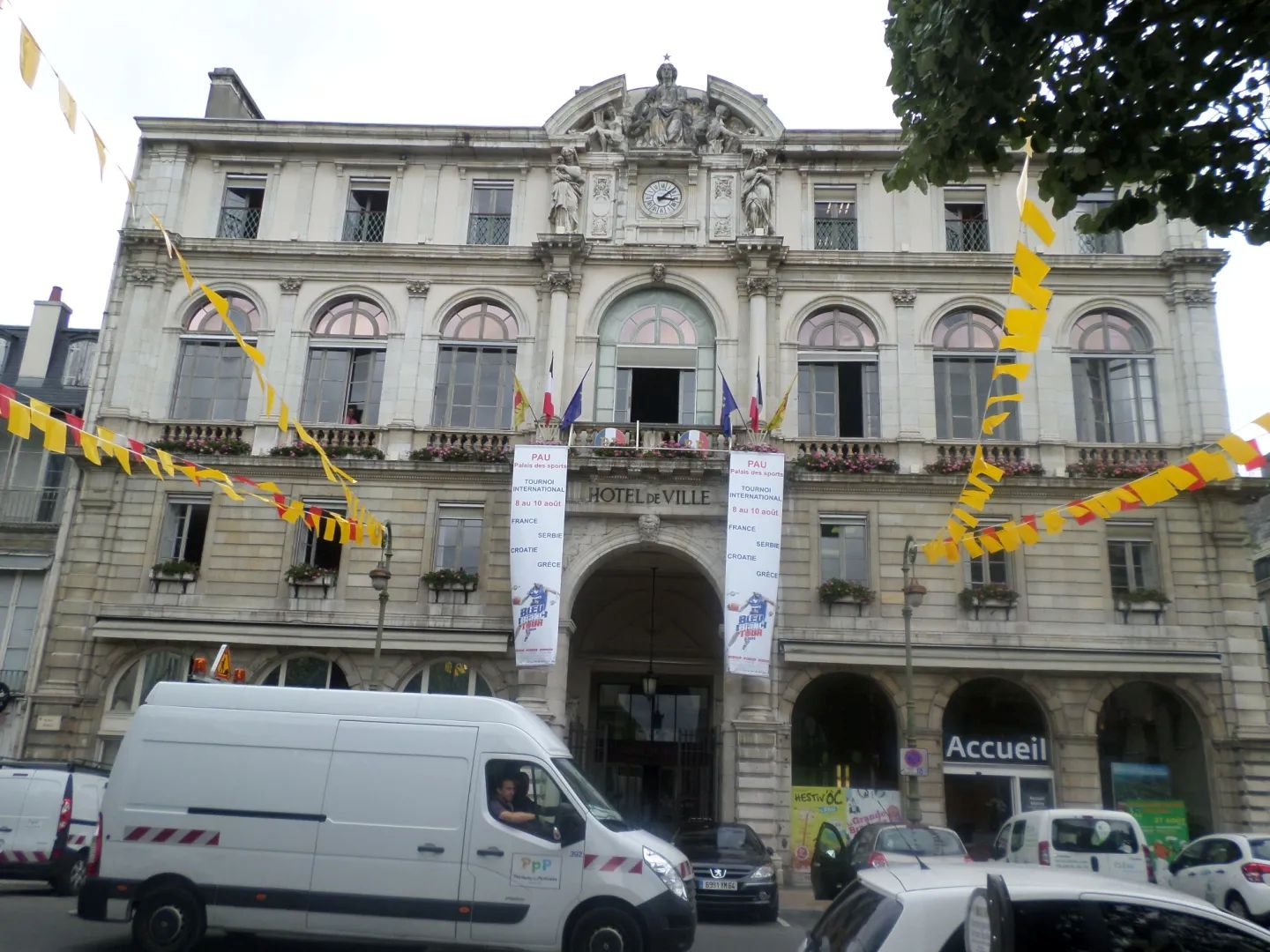
The City/Town Hall and the Saint-Louis theater are part of a building located on Place Royale. The latter, built from 1854 to 1862, accommodated the theater in 1862, then the municipal services, from 1878. The current location of the building is initially intended to accommodate a new church dedicated to the worship of Saint-Louis. On April 28, 1876, the municipal council therefore ratified the decision to buy the Saint-Louis theater and its outbuildings. In the fall of 1878, after development work, the City/Town Hall took possession of the premises and still occupies them today. The Saint-Louis theater opened its doors in 1862, replacing the main theater in the city which was then located at number 4 of the Place Gramont, now destroyed, and of which only the facades and a few decorations remain. The 300-seat room is decorated in the Second Empire style. The theater, now 430 seats strong, reopened in 1984, and hosted a number of shows and performances until it was closed again on October 25, 2013, when the condition of the hall was again deemed worrying, following the fall of part of the decor of one of the boxes, In June 2016, reopens again ,and now hosts both dance performances, concerts and plays, as well as conferences.
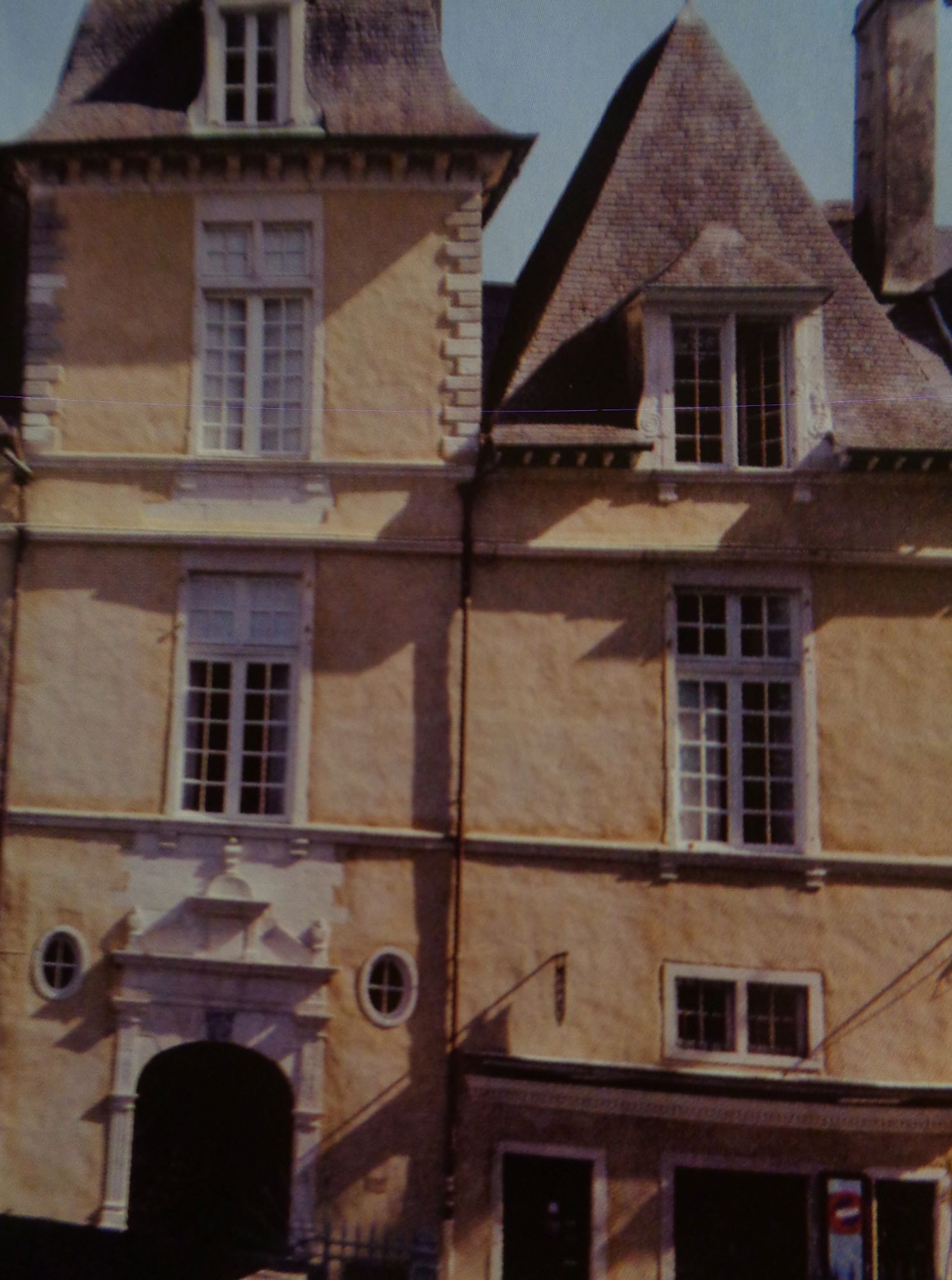
The old Hôtel de Peyre or Maison dit de Sully is a mansion located at No. 2, rue du Château, located just in front of the main entrance to the castle, It is built on the initiative of the Peyre family, who resided until 1920. It is today a private property for the time of the beginning of its construction remains quite vague; The central pavilion, the oldest part, would date from the 16C. The two pavilions on each side would have been added later, around the beginning of the 17C. The facade of the building was largely altered during the 20C, The hotel remained in the same family by transmitting itself by women from 1802 and probably until the 1920s, when it was transformed into apartments, It is wrongly named “Hôtel de Sully” because the latter has never stayed in this home of the Peyré family. The appetizer of this mansion in front of the castle reflects the way of life of the 17C aristocracy. Its architecture is remarkable with its rich facade and its roofs in the imperial. In the vestibule, its right staircase and its soil in the calade illustrate the splendor of the owners whose carved weapons adorn the place.
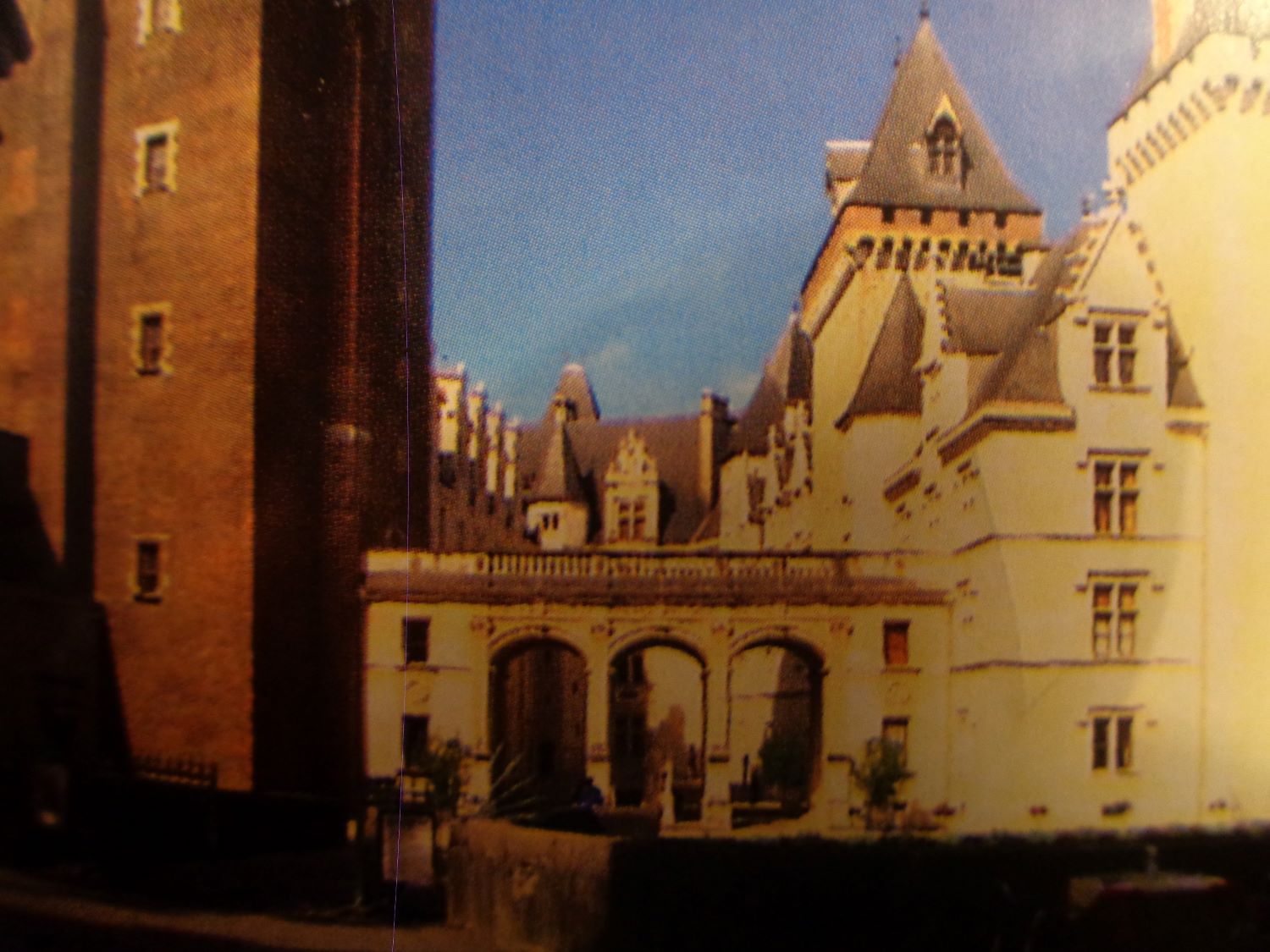
The main entrance of the château de Pau takes place on the side of the City, by a bridge of bricks and stones built during the reign of King Louis XV, to replace the medieval drawbridge. A three-arch portico was built between 1859 and 1864 in the Renaissance Style. The dungeon of Gaston Febus was built by Sicard de Lordat in the 14C on the order of Febus. It allowed the waters to monitor the horizon thanks to its height. It is pierced with four windows, built in stones.
The château neighborhood is a nice pedestrian area whose half -timbered houses and the cobbled alleys return the medieval atmosphere. Between the Hédas and the Boulevard des Pyrénées,it overlooks the Gave de Pau and the Monnaie neighborhood: the top of the tour de la Monnaie tower is worn at the castle gardens. We like to stroll through this historic district for its terraces, tea salons, restaurants and small shops. It is the oldest neighborhood of the city, taking place on the outskirts of the castle and the Navarre parliament. The upper houses are built in Arudy stone and with pebbles from Gave. The neighborhood, also accommodates many half -timbered houses. The rue du Château has long called rue Longue.The Peyre hotel is located at 2 in this street. Peyre’s family would have inspired Alexandre Dumas for the writing of his novel Les Trois Mousquetaires so the story goes. The Marshal of Gassion was born on August 9, 1609 at number 5. Finally, the No. 13 was the residence of the painter Alfred Godchaux in the 19C.
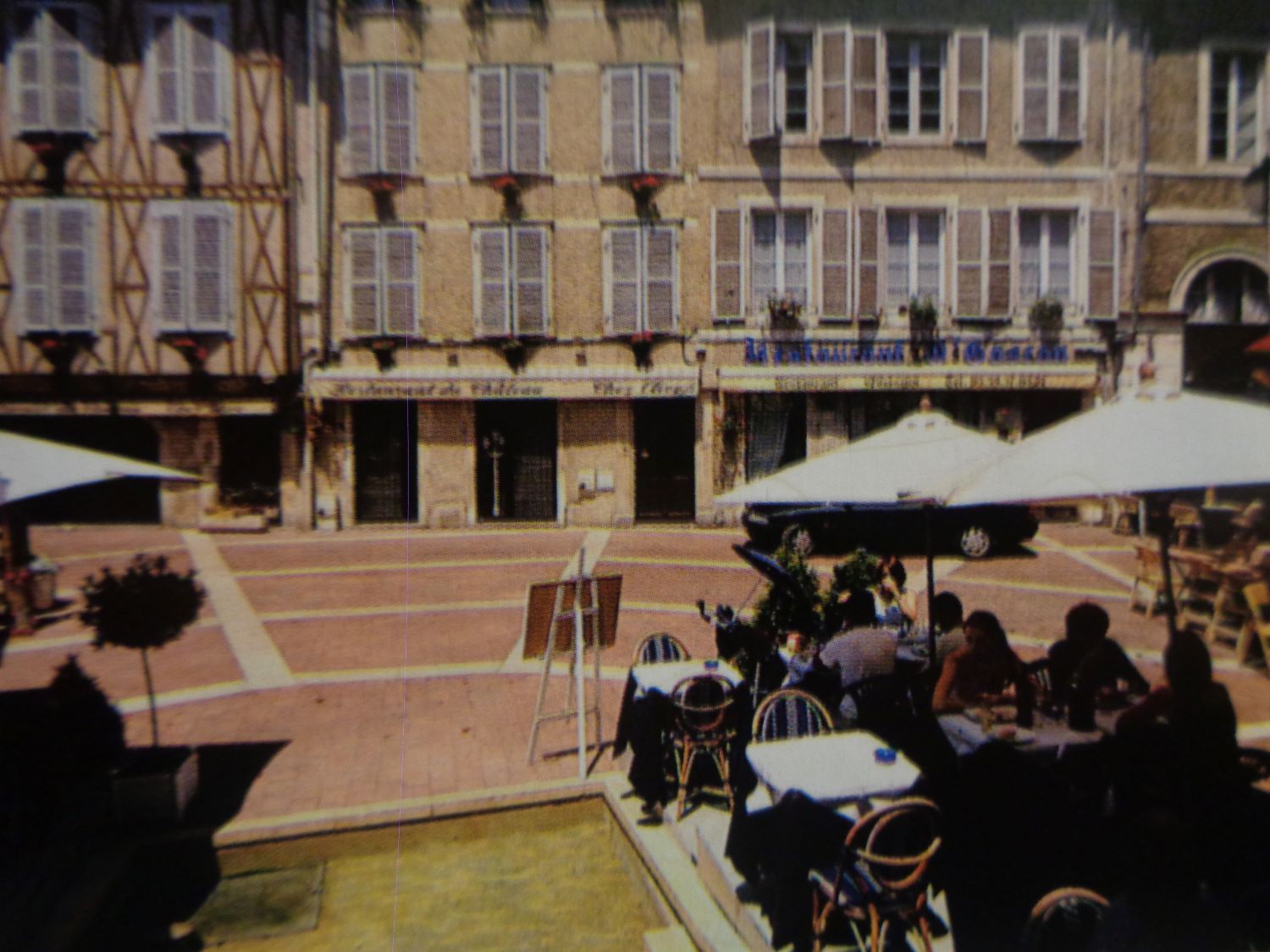
O’ Gascon at 13 rue du Château is a traditional type restaurant that offers typically local cuisine, the owner buys his products locally, even the wine you choose for your meal: Jurançon for white or Saint Mont for red. Everything is homemade and especially the foie gras (fatty livers), to the dessert. We had lunch here several years back and was a nice experience to be repeated, eventually, No webpage but RestaurantGuru reviews : https://restaurantguru.com/OGascon-Pau
The city of Pau on its theater Saint Louis: https://www.pau.fr/le-saintlouis-beau-theatre-a-litalienne
The Pau tourist office on its heritage : https://en.tourismepau.com/things-to-see-and-do/pau-as-i-like-it/
There you go folks, a dandy area to explore and enjoy with the family, Memorable moments in my belle France, going all over in my road warrior trails brings out sublime awesome spots with nice memorable family visits of yesteryear always remember and always looking forward to be back, eventually. Again hope you enjoy the post on curiosities of Pau, part III !!!! as I.
And remember, happy travels, good health, and many cheers to all !!!

 Paris1972-Versailles2003
Pau is on my wish list.
LikeLiked by 1 person
Glad it remind you it should be visited Thanks for stopping by Cheers
LikeLiked by 1 person