
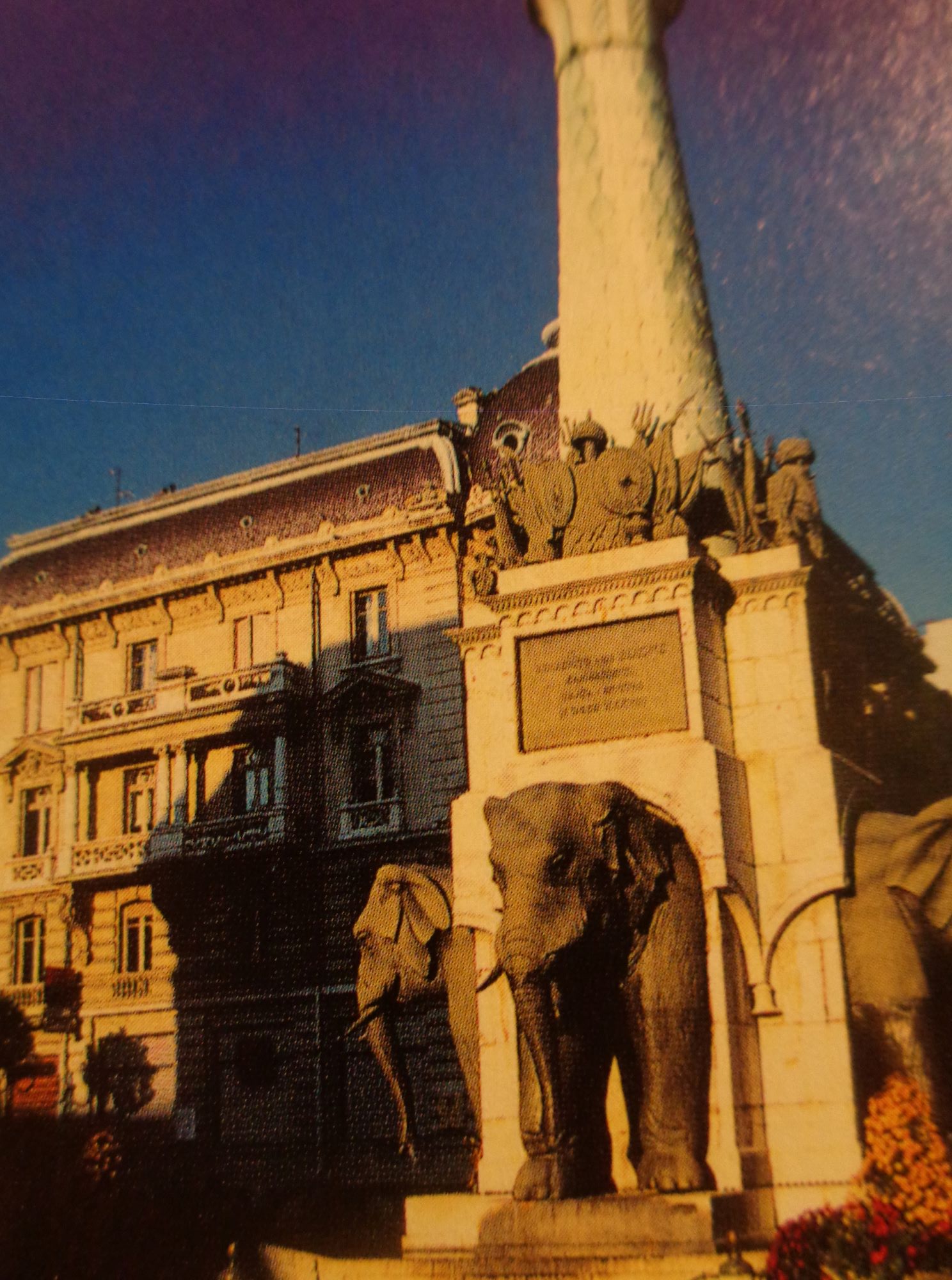
 The Théâtre Charles-Dullin has been called by the Savoyard actor Charles Dullin since 1949. It was built from 1820 thanks to a donation from the Count of Boigne. It was inaugurated in 1824, and was rebuilt from 1864 to 1866 on the model of the previous theater. The room is a real Italian room, a little in the spirit of the Scala of Milan. The forefrontal curtain represents the descent into the Orpheus Underworld A restoration has given a lot of brilliance in 2017 to this work of art, one of the last four of this type in Europe.
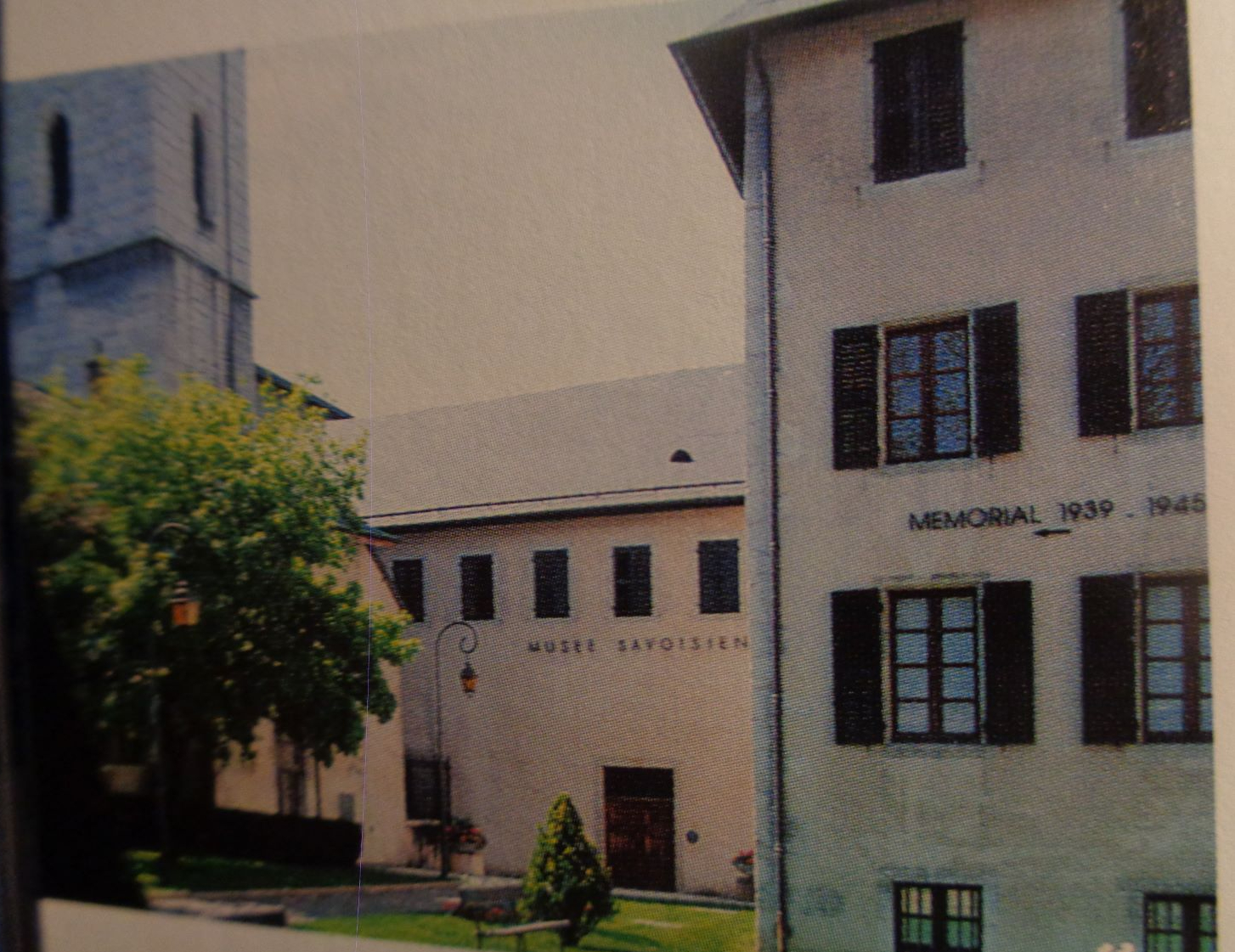
 The Musée Savoisien at Place Métropole has a permanent collection of Savoyard heritage objects as well as temporary exhibitions, It is installed in an old Franciscan convent, adjoining the Saint-François-de-de-De Sales Cathedral, and open for the first time to the public as a museum on November 18, 1913. Themes are approached in an extended chronology from prehistoric to the present day, and in a transdisciplinary approach, from various collections: archeology, ethnography, paintings, sculptures, decorative arts, archives, films, sound recordings etc. Multimedia, games and manipulable objects punctuate the discovery of the tour.
 The former Château des ducs de Savoie is the old residence of the Counts and Dukes of Savoy. Today it houses the prefecture and the departmental council. It is a set of buildings dating from the Middle Ages to the 20C. It consists in particular of three towers built in the 14C and 15C, medieval dependencies and a large main building from the 18-19C built in place of the ancient apartments of the Counts. In its enclosure is the Sainte-Chapelle its construction stretched from 1408 to 1430, a new door, from the beginning of the 14C, gave access to the Holy Chapel, raised in 1641 to replace the primitive chapel of the castle. Inside the chapel, we can see an altar from the 18C, provided with a marble tabernacle, garnished with carved and gilded wood, and stained glass windows 16C restored in 2002. In the bell tower or Tour Yolande , the grand carillon or large chime that sounds with its 70 bells, it is the fourth largest chime in the world and the first in Europe, Here , were celebrated among others weddings of Louis de Savoie and Anne de Cyprus in 1433, of the Dauphin Louis with Charlotte de Savoie in 1451, Charles-Emmanuel and Clotilde de France in 1775, Alphonse de Lamartine and Marie Elisa Bich in 1820.
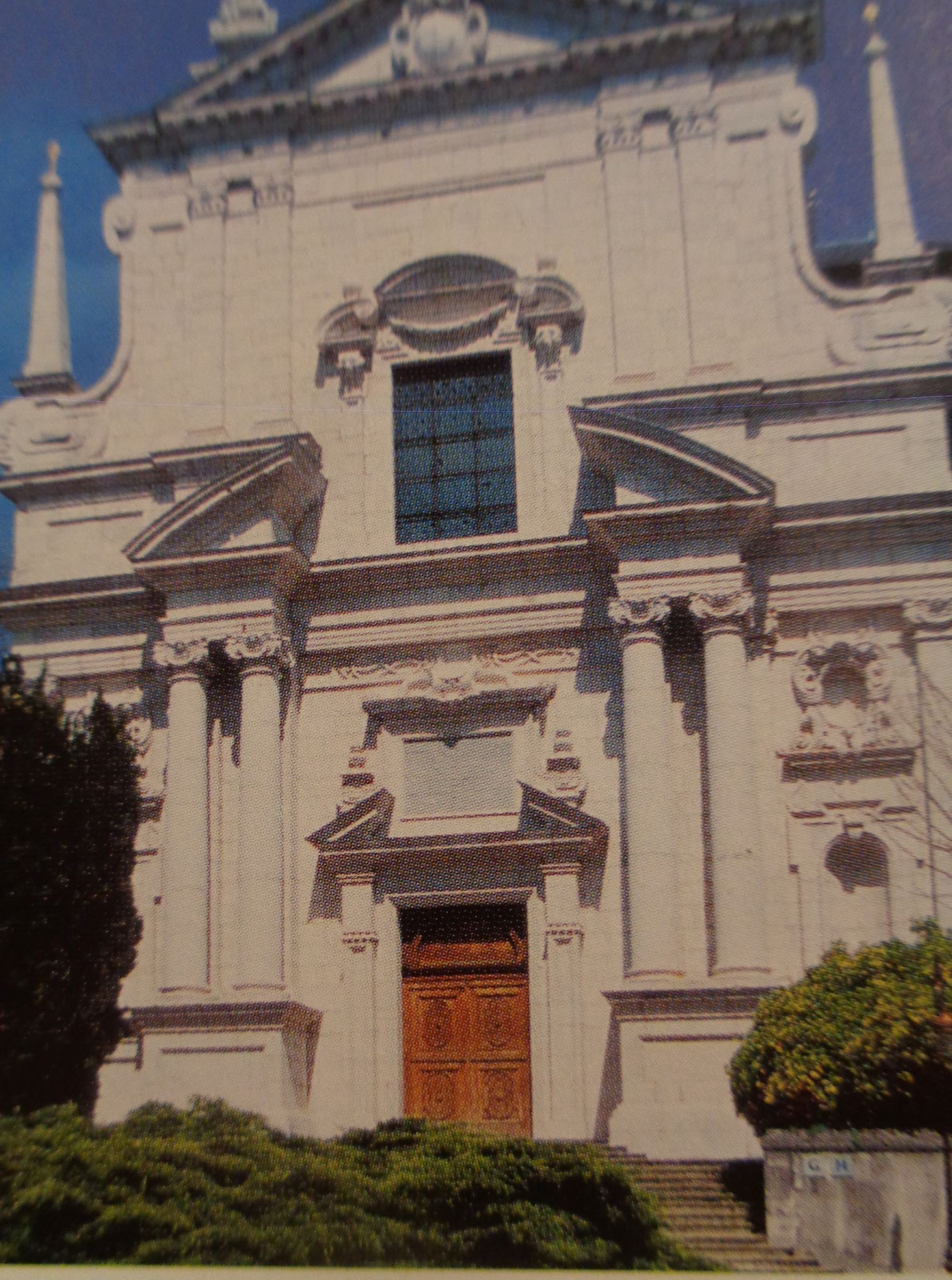 Other things to see here , me think ,with more time are: The Cathedral of Saint-François-de-Sales at Place Métropole, old Franciscan chapel built in the 15C, it became a cathedral in 1779, during the creation of the diocese of Chambéry, then metropolitan area in 1817, during its transformation into archbishopric . It houses the largest set of trompe-l’oeil painting in Europe (1835), as well as an ivory diptych from the 12C of Byzantine inspiration. The Maison Jean-Jacques Rousseau-Les Charmettes: installed between 1736 and 1742 in the charm with her lover Madame de Warens, Jean-Jacques Rousseau will say that he “enjoyed a century of view and a pure and full happiness” in the space of these few years. Having become a place of pilgrimage after the death of Rousseau, the Charmetes will be inhabited by Georges-Marie Raymond who opened its doors to visitors in the early 19C. The building today holds the label “Maison des Illustres” or house of the illustrious. The Church Notre-Dame,at rue Saint-Antoine, the Church Saint-Pierre, rue Burdin, the Crypt de Lémenc: the oldest antique vestige In Chambéry , largely of the 15C, but which shelters an older crypt.
Areas to see and walk and indulge in architecture and history are: The vieille ville or old town is made up of a large number of old mansions of the Savoyard nobility.The residences of the 15(16C were numerous, even if their facades were for the most part redesigned from the 18C such as by rue Basse-du-Château, rue Juiverie, rue Croix-d’Or, etc. To the advent of the Baroque period (17-18C), many noble families, will undertake, in the medieval fabric of the city, the construction of mansions the senatorial tradition of Chambéry, inherited since the middle of the 16C. The castles or strong mansions of the surroundings are modernized and brought up to date, and often transformed into areas of resort. The Château de Caramagne, private property is one of the most remarkable examples preserved today. In the Baroque style , Also built the Notre-Dame Church, from the 17C, which is the old chapel of the Jesuits , Among the constructions and arrangements made during the 19C, we find in particular the rue de Boigne, bordered by Turin fashionable porticoes, was pierced between 1824 and 1830.
A bit of history tell us the city is nicknamed the “City of the Dukes” because acquired by the Maison de Savoie in 1232, it became the political capital of the Counts of Savoy in 1295 during the purchase of the castle and the official establishment of the resident council, then Duchy of Savoy from 1416 to his transfer to Turin in 1562 thanks to the mastery of the great Alpine passes and the road in Italy, which earned them the nickname of the Alps, the counts, then dukes of Savoy, who have become Kings of Sardinia in 1718, exerted a certain influence in Europe, in particular by establishing a real laboratory of “enlightened absolutism”. From 1792 to 1815 and since 1860, the city has been part of France. On the old medieval road from Chambéry to Geneva by Rumilly and Frangy, really appeared like a small city, Camberiaco, only in the 11C. The 13C represents a decisive period, when Count Thomas I of Savoie buys it on March 15, 1232, at the Viscount Berlion in Chambéry with all that the latter had in the town of Chambéry ,The development of the city is then very linked at the ascent of the Maison de Savoie. A new rampart is built from 1352, under the leadership of the Count Amédée VI of Savoy, more commonly nicknamed the comte vert or green count. The advent of Amédée VIII, the first duke of Savoy in 1416, made Chambéry the capital of a sovereign state, liberated from the domination of the Holy Roman Empire. Many religious congregations are installed in town, and from 1452 to 1578, the Saint-Suaire, or Holy Shroud ownership of the Dukes, is exhibited in the Holy Chapel. The city becomes a place of pilgrimage. The city was taken by Henri IV, during the Franco-Savoyard war of 1600-1601, which ended with the Treaty of Lyon in 1601. Savoy was invaded in 1792 by the French revolutionary troops . It was the fifth French invasion, after those of the troops of François Ier, and his successor, Henri II, Henri IV, Louis XIII and Louis XIV. From 1792 to 1815, during the attachment of Savoy to France, Chambéry was the capital of the department of Mont-Blanc between 1860 and 1890, opens with the final attachment of Savoy to France decided during the Treaty of Turin, March 24, 1860 and confirmed by plebiscite on April 22. Chambéry then became chief town of the Savoie department. The city is hard hit by the bombing of May 26, 1944 which aimed at the train station and nothing else.
The city of Chambéry on culture/heritage: https://www.chambery.fr/3844-culture.htm
The local Chambéry mountain tourist office on Chambéry: https://www.chamberymontagnes.com/en/magical-experiences-in-chambery/
The Savoie mont Blanc tourist office on Chambéry: https://www.savoie-mont-blanc.com/en/visits-and-cultural-sites/historic-centre-of-chambery-177922/
There you go folks, another spot in my world map or rather France’s map. Glad to have found the old pictures to give credit to Chambéry in my blog; good for the memories of always. Again, hope you enjoy the post on this is Chambéry as I.
And remember, happy travels, good health, and many cheers to all !!!
Other things to see here , me think ,with more time are: The Cathedral of Saint-François-de-Sales at Place Métropole, old Franciscan chapel built in the 15C, it became a cathedral in 1779, during the creation of the diocese of Chambéry, then metropolitan area in 1817, during its transformation into archbishopric . It houses the largest set of trompe-l’oeil painting in Europe (1835), as well as an ivory diptych from the 12C of Byzantine inspiration. The Maison Jean-Jacques Rousseau-Les Charmettes: installed between 1736 and 1742 in the charm with her lover Madame de Warens, Jean-Jacques Rousseau will say that he “enjoyed a century of view and a pure and full happiness” in the space of these few years. Having become a place of pilgrimage after the death of Rousseau, the Charmetes will be inhabited by Georges-Marie Raymond who opened its doors to visitors in the early 19C. The building today holds the label “Maison des Illustres” or house of the illustrious. The Church Notre-Dame,at rue Saint-Antoine, the Church Saint-Pierre, rue Burdin, the Crypt de Lémenc: the oldest antique vestige In Chambéry , largely of the 15C, but which shelters an older crypt.
Areas to see and walk and indulge in architecture and history are: The vieille ville or old town is made up of a large number of old mansions of the Savoyard nobility.The residences of the 15(16C were numerous, even if their facades were for the most part redesigned from the 18C such as by rue Basse-du-Château, rue Juiverie, rue Croix-d’Or, etc. To the advent of the Baroque period (17-18C), many noble families, will undertake, in the medieval fabric of the city, the construction of mansions the senatorial tradition of Chambéry, inherited since the middle of the 16C. The castles or strong mansions of the surroundings are modernized and brought up to date, and often transformed into areas of resort. The Château de Caramagne, private property is one of the most remarkable examples preserved today. In the Baroque style , Also built the Notre-Dame Church, from the 17C, which is the old chapel of the Jesuits , Among the constructions and arrangements made during the 19C, we find in particular the rue de Boigne, bordered by Turin fashionable porticoes, was pierced between 1824 and 1830.
A bit of history tell us the city is nicknamed the “City of the Dukes” because acquired by the Maison de Savoie in 1232, it became the political capital of the Counts of Savoy in 1295 during the purchase of the castle and the official establishment of the resident council, then Duchy of Savoy from 1416 to his transfer to Turin in 1562 thanks to the mastery of the great Alpine passes and the road in Italy, which earned them the nickname of the Alps, the counts, then dukes of Savoy, who have become Kings of Sardinia in 1718, exerted a certain influence in Europe, in particular by establishing a real laboratory of “enlightened absolutism”. From 1792 to 1815 and since 1860, the city has been part of France. On the old medieval road from Chambéry to Geneva by Rumilly and Frangy, really appeared like a small city, Camberiaco, only in the 11C. The 13C represents a decisive period, when Count Thomas I of Savoie buys it on March 15, 1232, at the Viscount Berlion in Chambéry with all that the latter had in the town of Chambéry ,The development of the city is then very linked at the ascent of the Maison de Savoie. A new rampart is built from 1352, under the leadership of the Count Amédée VI of Savoy, more commonly nicknamed the comte vert or green count. The advent of Amédée VIII, the first duke of Savoy in 1416, made Chambéry the capital of a sovereign state, liberated from the domination of the Holy Roman Empire. Many religious congregations are installed in town, and from 1452 to 1578, the Saint-Suaire, or Holy Shroud ownership of the Dukes, is exhibited in the Holy Chapel. The city becomes a place of pilgrimage. The city was taken by Henri IV, during the Franco-Savoyard war of 1600-1601, which ended with the Treaty of Lyon in 1601. Savoy was invaded in 1792 by the French revolutionary troops . It was the fifth French invasion, after those of the troops of François Ier, and his successor, Henri II, Henri IV, Louis XIII and Louis XIV. From 1792 to 1815, during the attachment of Savoy to France, Chambéry was the capital of the department of Mont-Blanc between 1860 and 1890, opens with the final attachment of Savoy to France decided during the Treaty of Turin, March 24, 1860 and confirmed by plebiscite on April 22. Chambéry then became chief town of the Savoie department. The city is hard hit by the bombing of May 26, 1944 which aimed at the train station and nothing else.
The city of Chambéry on culture/heritage: https://www.chambery.fr/3844-culture.htm
The local Chambéry mountain tourist office on Chambéry: https://www.chamberymontagnes.com/en/magical-experiences-in-chambery/
The Savoie mont Blanc tourist office on Chambéry: https://www.savoie-mont-blanc.com/en/visits-and-cultural-sites/historic-centre-of-chambery-177922/
There you go folks, another spot in my world map or rather France’s map. Glad to have found the old pictures to give credit to Chambéry in my blog; good for the memories of always. Again, hope you enjoy the post on this is Chambéry as I.
And remember, happy travels, good health, and many cheers to all !!! 
 Paris1972-Versailles2003