
I believe if memory still good, that my dear late Mom Gladystook me here many years ago; later in my rounds with my young men and dear late wife Martine decided to give them an instroduction to Spanish culture and visits to museums is the best way of it. Especially , the Làzaro Galdiano museum, I am glad finally found me some pictures in my cd rom vault that should be in my blog for you and me, Therefore, this is my take on the Fundacion Museo Làzaro Galdiano of Madrid !!! Hope you enjoy this post as I,
The Fundacion Museo Lázaro Galdiano at Calle Serrano 122, one of the most brilliant private exhibitions of paintings in Spain.The exceptional collection of the museum is made up of some 12,600 pieces gathered by the publisher José Lázaro Galdiano, who, upon his death in 1947, bequeathed it to the Spanish State along with his Madrid residence, which was the headquarters of his publishing house “España Moderna”, including a library of 20,000 volumes. The collection was presented to the public on January 27, 1951.The idea was not to show the house as Lázaro Galdiano had lived in it, but rather to display the collections according to a series of museographic, historical, chronological, and aesthetic criteria. Thus, all the different rooms were modified, except for the main floor (on the first floor), two rooms on the second floor, and one on the third.
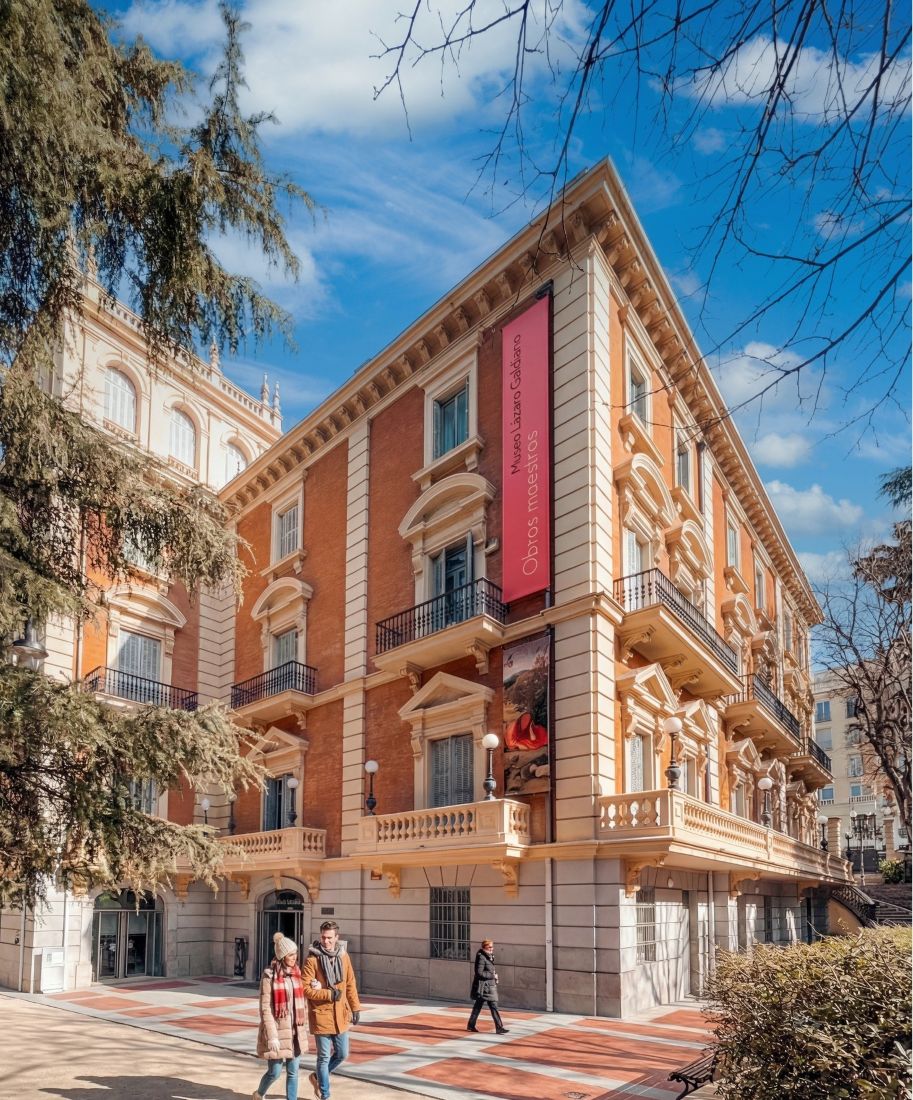
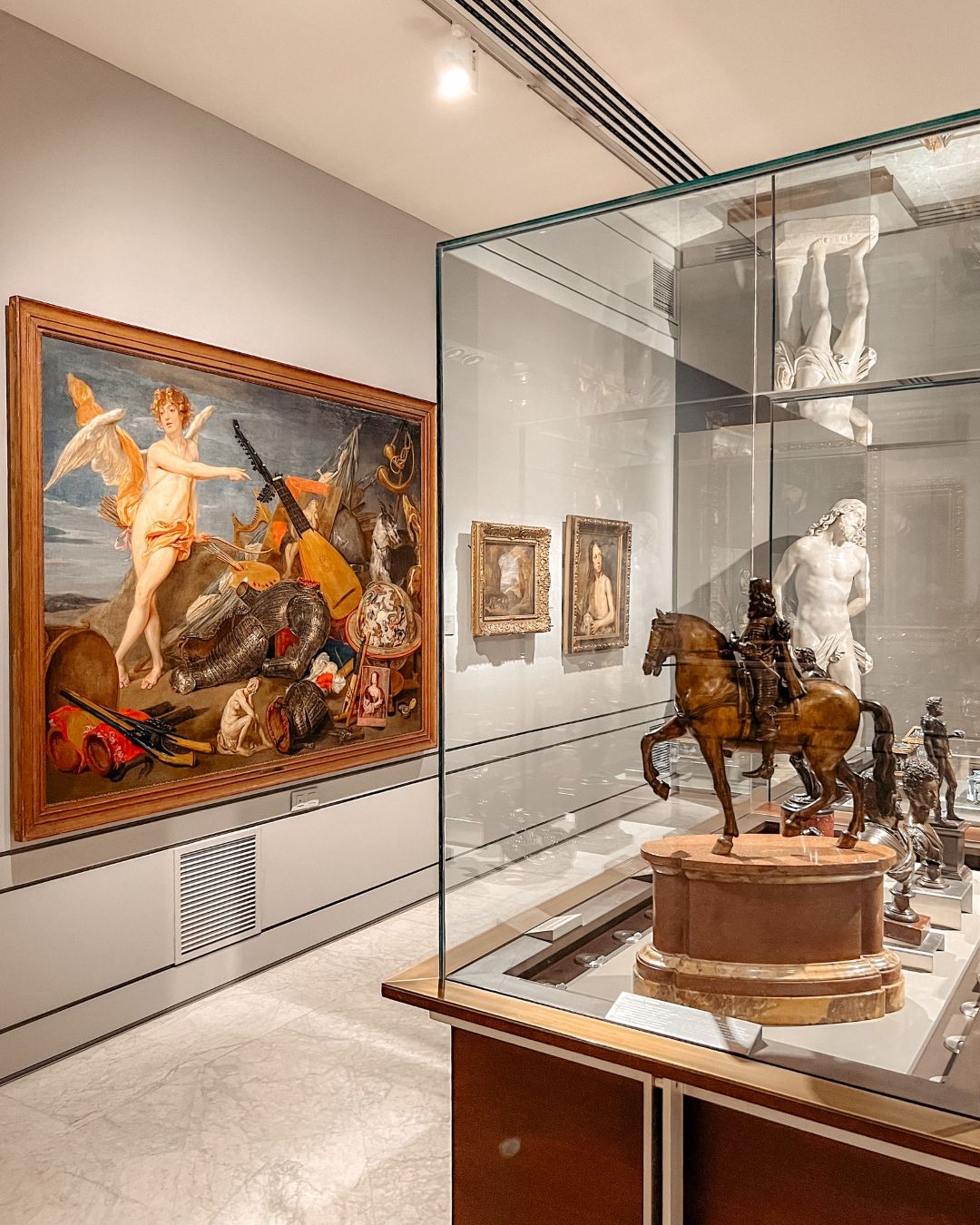
The Museo Làzaro Galdiano holdings are considered essential for the study of many aspects of art history, and are associated with Spanish and international exhibitions. Among its most valuable works, the collection of paintings, drawings and engravings by Goya, with world-renowned pieces. Also on display are works by Bosch, Lucas Cranach the Elder, El Greco, Murillo, Zurbarán and Luis Paret, a miniature scroll by Giulio Clovio and two statuettes by Giambologna. Perhaps the most remarkable work in the museum is the painting on wood known as the Savior in his Youth, executed in a style similar to Leonardo da Vinci’s. It also houses a small collection of British paintings. It is spread over four floors open to the public, which have been completely renovated while preserving the original ceilings and woodwork.
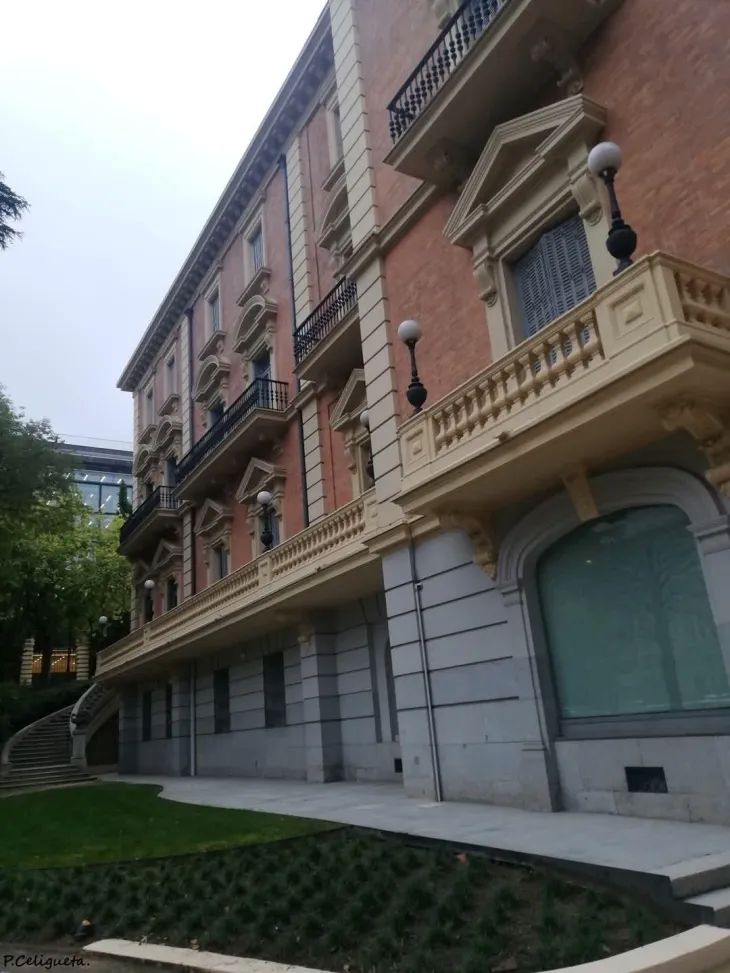
During the first, from its opening in 1951 until 2001, the ground floor housed an exhibition of archaeology and decorative arts, as well as some works from the Italian school. The Lázaro Galdiano Museum’s Treasury Room or Sala del Tesoro, Today on this floor, you can see a dazzling Treasury Room with one of the most important European collections of silverware and secular jewelry. Pieces such as the Ana of Austria by Alonso Sánchez Coello or the Greek by Zurbarán, or pieces like the Tartessian Vase or the Sword of the Count of Tendilla by Giacomo Magnolio, are some of the marvels you can admire.
The main floor, (1st fl US), displayed Spanish and other European paintings from the 15C to the 19C, and a room dedicated to the Armory, located next to the palace’s former main entrance. On the first floor is the former noble quarters of the palace, which retains its original layout and decoration. The ballroom of the Lázaro Galdiano Museum features magnificent marble, wood, or stucco baseboards adorning its doors and complementing the ceiling murals. Also forming a central patio is the ballroom, which is enclosed by a beautiful stained-glass ceiling and offers a view from the second floor of the palace. The marquetry floors on all levels are original to the palace. Spanish Art Collection at the Lázaro Galdiano Museum are on this floor, you can explore nine rooms showcasing Spanish art in painting, sculpture, decorative arts, and furniture from the 15C to the 19C.Goya’s “The Water Lilies” stands out here, while several works by El Greco, Zurbarán, Murillo, and Velázquez adorn the walls.It is particularly important to highlight the ceiling decorations, which feature numerous literary, artistic, and mythological allusions.
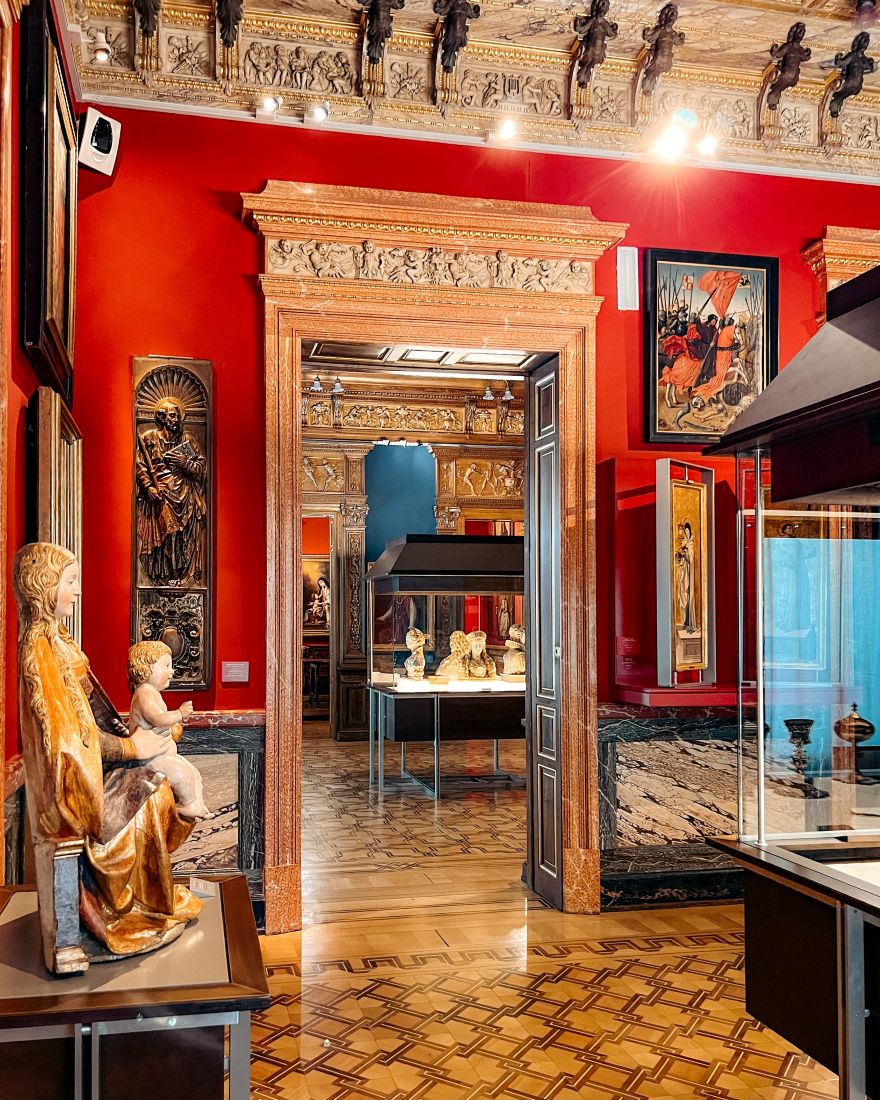
The second floor (3rd US) focused on the various European schools of painting displaying a selection of works, including paintings and other decorative objects, from European schools such as Flemish, Dutch, Italian, French, and English. from the 15C to the 19C, concluding its exhibition in a room with works by Goya and a display case of clocks. The second floor, the museum, was the private quarters of the house, and during your visit you can admire various works from European schools. Here you will find paintings as important as Boltraffio’s Salvadoran Adolescent, or El Bosco’s Meditations of Saint John the Baptist, among many others. Don’t miss the collections of bronzes, enamels, and curious clocks, as well as the collection of illuminated manuscripts, small portraits, and miniatures, which also constitutes one of the finest collections in Europe.
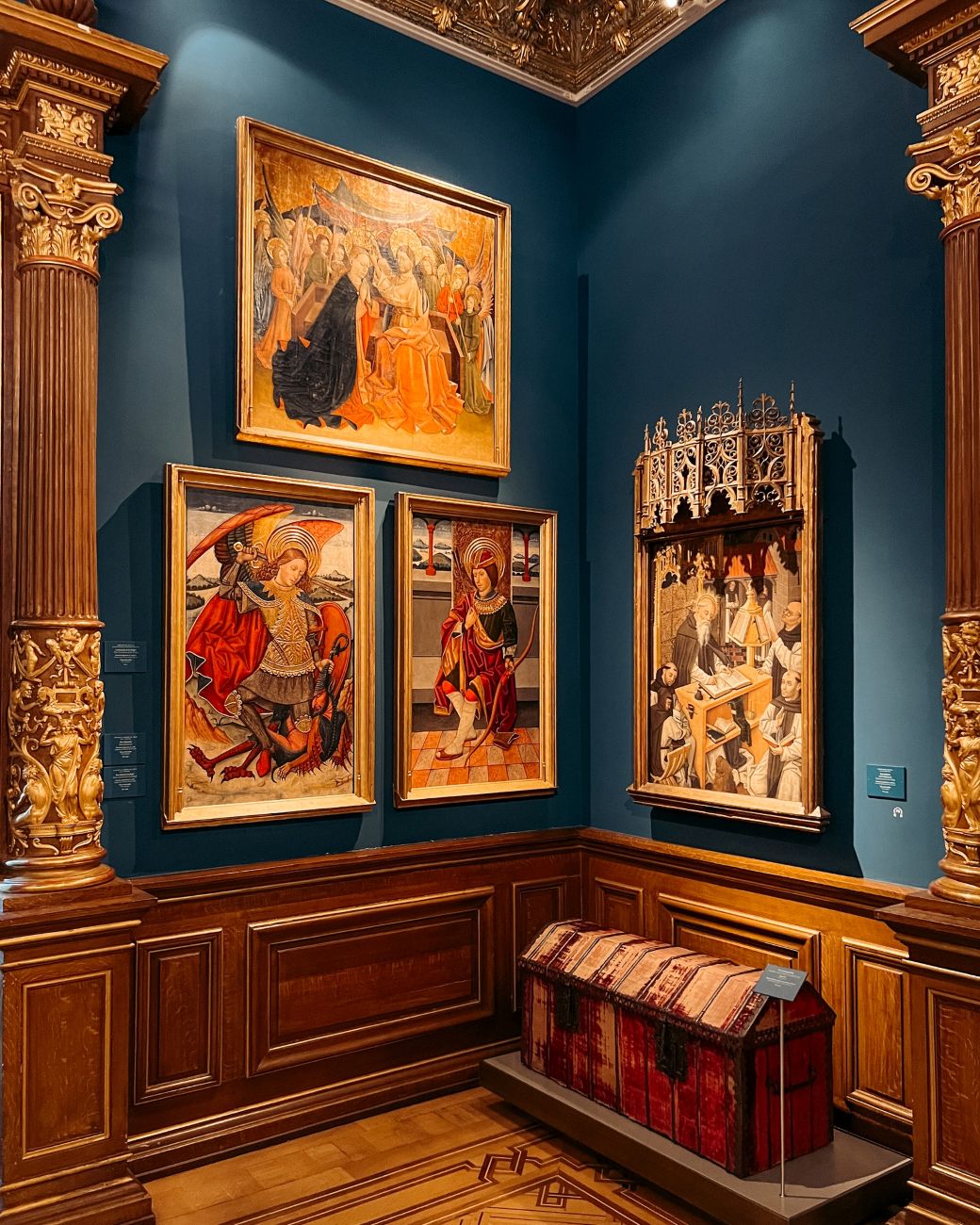
Finally, the third floor (4th fl US) houses the so-called “Collector’s Cabinet,” where other types of collections not included in the rest of the museum are exhibited, such as weapons, coins, medals, and so on. These are displayed in glass cases and drawers that invite visitors to open them and discover more pieces beyond those already on display. A selection of the coin, textile, medal, and other collections, Lázaro Galdiano Museum Collector’s Cabinet, a corner where collections not displayed anywhere else in the museum are kept in drawers and glass cases that you can open. Display cases of enamels, silverware, weapons, coins, and medals of great value ,a luxury that allows you to appreciate this vast and diverse collection.
The Palacio de Parque Floridoor the Florido Park Palace, built in the Neo-Renaissance style, was the private residence of the collector and humanist José Lázaro Galdiano and his wife, Paula Florido, after whom it is named. This beautiful building, inaugurated in 1909, is surrounded by a lovely garden with century-old trees and has housed the Lázaro Galdiano Museum and Foundation since 1951. Once a venue for parties, concerts, and literary evenings, the palace reflects the lifestyle of the wealthy classes of the early 20C. After Paula’s death in 1932, José devoted himself to travel and expanding his art collection, residing primarily in Paris and New York. He died in Madrid in 1947 and bequeathed all his possessions to the Spanish State. The second phase began at that very moment in 2001, due to the need for renovation and improvement of the building.with a comprehensive rehabilitation project. The work began in the España Moderna or Modern Spain building, and culminated in a complete renovation of the museum, which reopened its doors on February 13, 2004. Currently, the foundation manages not only the museum, but also the Library, the Archive, and the Print and Drawing Collection, and publishes, among other works, the art magazine “Goya.”
Several bus lines passed close as it is centrally located, however, the best for my experience is line 12 stop/parada Serrano – María de Molina at Calle Maria de Molina side, and my favorites for this stop are Metro Nuevo Ministerios or Gregorio Marañon on lines 7 and 10
The official Museo Lazaro Galdiano : https://www.museolazarogaldiano.es/museo/visita-el-museo
The Madrid tourist office on the Lazaro Galdiano museum : https://www.esmadrid.com/en/tourist-information/lazaro-galdiano-foundation-museum
The Comunidad de Madrid region tourist office on the Làzaro Galdiano museum: https://www.visitmadrid.es/en/what-to-do/culture-in-madrid-art-history-and-traditions/culture/museums/art-museums/lazaro-galdiano
There you go folks, this is a very nice museum loaded with wonderful things to see and admire, highly recommended when in Madrid. I know we will be back again, eventually, Again, hope you enjoy this post on the Fundacion Museo Làzaro Galdiano of Madrid !!! as I
And remember, happy travels, good health, and many cheers to all !!!


One for next year’s trip
LikeLiked by 1 person
Great worth the detour , me too next year is back to Spain !!! Thanks for stopping by Cheers
LikeLiked by 1 person
Pleasure
LikeLiked by 1 person
What an extraordinary collection—and the palace sounds every bit as impressive as the artworks. I’d especially love to see the decorative arts, jewellery and original interiors. Thanks for sharing!
LikeLiked by 1 person
Glad you enjoy the post, thanks for stopping by Cheers
LikeLike