
Looking at my blog, realise had these older paper pictures mix in with other posts and they should a post of their own, for the memories of always. This allows me to show in my blog places even with older paper pictures. Nostalgia sets in and here I go on the curiosities of Havana , part II !!! Hope you enjoy the post as I.
For lack of better space will include these pictures on this post for you and me. These are two anecdotal pictures from my books. The first is a map of Havana from 1857 and the second is a page from the Havana telephone yellow pages of 1958. Just for the memories of always


.And two properties that even if not stayed did walked into them for business purposes back several years ago.
The Mélia Habana Hotel which I have visited to see friends is located by the sea, opposite the Miramar business center and close to the Havana Convention Center, It combines nature and comfort. In a modern building, the hotel enjoys a strategic location in the heart of Havana and is well known for its pleasant interiors, its air-conditioned lobby with tropical decor, its panoramic elevators and the largest swimming pool in the City , The Classic Room (with Sea View), with a terrace offering a splendid view of the sea ,and 46 m² space are equipped with all types of comfort elements, specially designed for the pleasure of having a pleasant stay. Their beautiful, warm decoration, where refined and soft colors predominate, adds a touch of luxury to their pleasant setting. the different restaurants of the hotel and friendly moments in the bars. The Miramar: This restaurant’s modern decor and easy access to the pool, gardens and a la carte restaurant are among its strong points. It serves international buffets for breakfast, lunch and dinner. La Scala: Enjoy magnificent views of the hotel gardens and taste Italian cuisine for à la carte lunches and dinners, Of course for foreigners paying in Dollars or Euros ,these hotels is not clear who sold them as the dictatorship nationalise everything and the lands belongs to individuals now gone from the country.

The official Melia hotels on the Mélia Habana Hotel : https://www.melia.com/en/hotels/cuba/havana/melia-habana
The Meliá Cohiba Hotel which I just passed by is a high-rise hotel opened in 1994, located in the Vedado district of Havana ,
just off the Malecon. The hotel has 401 rooms and 61 suites. The hotel’s sharp angles and alternating walls of stone and glass make it one of the more modern buildings in Havana. The Cohiba has a wide range of restaurants and shops, as the Habanos Cigar Store. The Habana Café has a nightly floor show and live music.Of course for foreigners paying in Dollars or Euros ,these hotels is not clear who sold them as the dictatorship nationalise everything and the lands belongs to individuals now gone from the country.

The official Melia hotels on the Mélia Cohiba Hotel : https://www.melia.com/en/hotels/cuba/havana/melia-cohiba
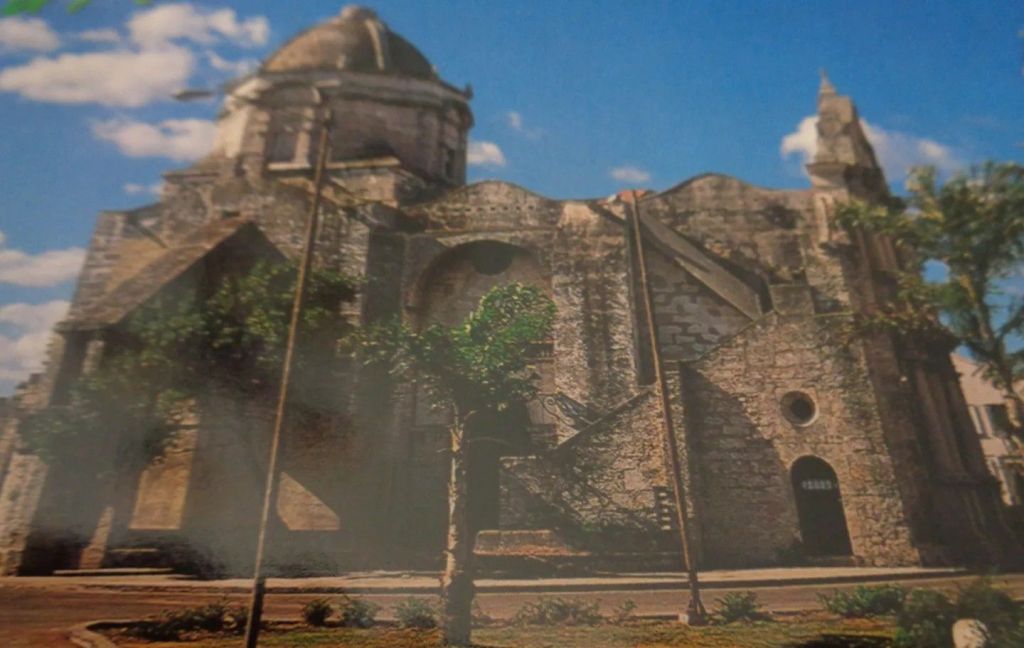
The Church of San Francisco de Paula is located at the intersection of the streets Desamparados (Avenida del Puerto), San Ignacio and Paula (Leonor Pérez), just where the Alameda de Paula ends. This church is an example of Cuban Baroque from the first half of the 18C. In the year 2000 the church was restored, and since then it hosts concerts of ancient music and functions as an exhibition hall for the best works of outstanding contemporary Cuban artists, In the place that occupied the church that existed since 1664, a hospital for women and a hermitage under the invocation of St Francis of Paola.
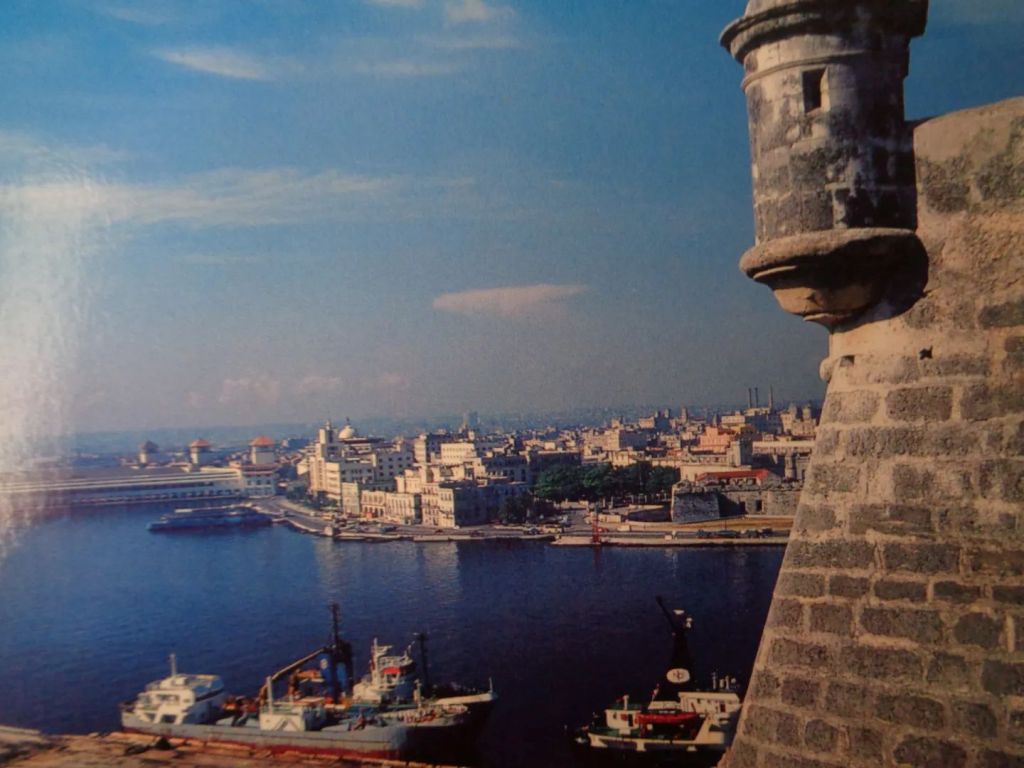
The Castillo de los Tres Reyes del Morro or simply Morro castle was built between 1589 and 1630 to protect the entrance to the port of Havana, The Morro castle protected the mouth of the port with the help of a hanging chain connecting it to the San Salvador de la Punta fortress placed on the other side of the bay. The fort has walls almost 3 meters thick. Inside the fortress is an exhibit on Cuba’s lighthouses,Also, restaurants. Pic is from Morro to old Havana and harbor. Far left is Casablanca old arsenal.
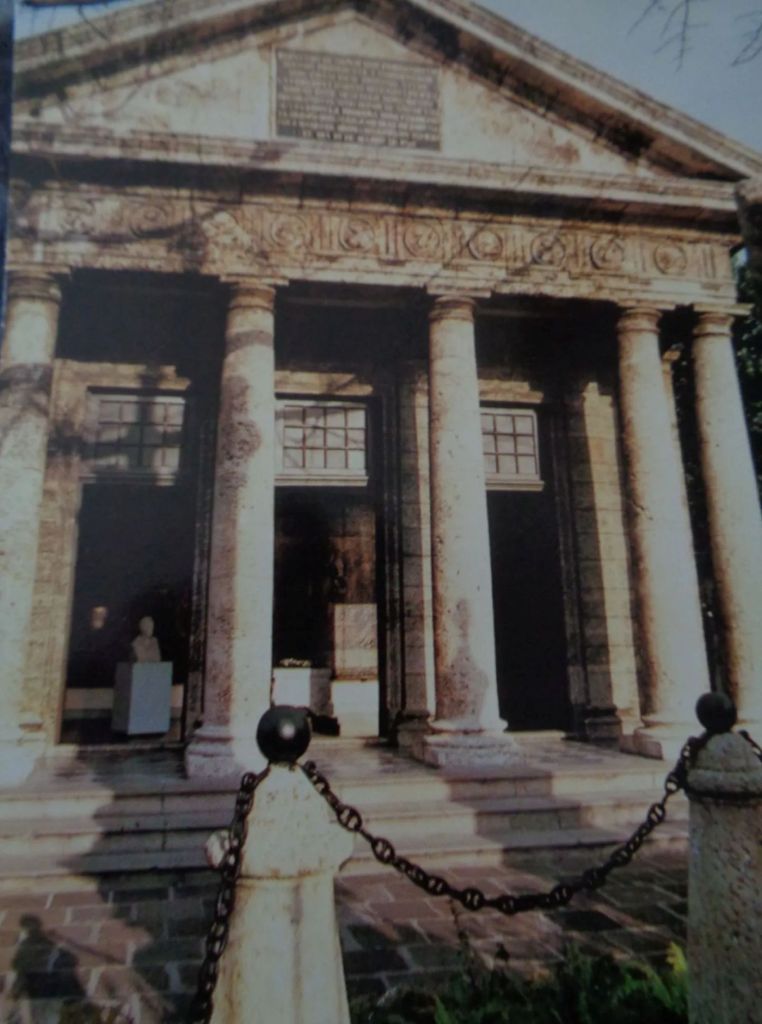
El Templete or small temple built in 1827 on the spot of the first Catholic Mass in Cuba! This was held on November 16, 1519, Experts believe that El Templete was the first building of neoclassical character in Havana, and one of the civil works that have most influenced the architecture of Cuba. This monument is shaped like a Greek Doric temple. The facade consists of a portico with six Doric columns, supporting a decorated frieze, and a prominent pediment with an inscription commemorating the inauguration. The facade has four pilasters with Doric capitals and other decorative ornaments; flat roof and wide cornice, mansard plinths and interior marble floors. Inside the enclosure are a bust of Christopher Columbus, discoverer of the island and a ceiba tree. In the gardens is the Cajigal column in honor of the Spanish governor who ordered its construction in 1754, when the first ceiba tree planted died. Above this column, an image of the Virgen del Pilar, patroness of Spanish sailors. A marble bust of Don Hernando de Soto, who was the first governor of the city of San Cristóbal de La Habana (Havana), is visible at the base. Inside the small room are three large paintings by French artist Jean Baptiste Vermay, founder of the San Alejandro National School of Fine Arts in Havana. Vermay’s paintings represent the first Mass and the blessing of the Templete during its inauguration.
There you go folks, a walk of nostalgia from my very earliest life while in the Americas. The wonders of places now far away but always remember them fondly. Again, hope you enjoy the post on curiosities of Havana , part II !!! as I.
And remember, happy travels, good health, and many cheers to all !!!

 Paris1972-Versailles2003