
I have several posts on Brazil and its cities and for some reason this one was a road warrior trails of several cities and gave it little coverage ! As it is part of my dots on the world map , I decided to give it a post of its own. The text and links are updated using older pictures, The town of Ribeirão Preto is in inland Sao Paulo State of Brazil. Therefore, let me tell you a bit on this is Ribeirão Preto in Brazil !!! Hope you enjoy the post as I
The town of Ribeirão Preto is about 316 km from Sao Paulo, 25 km from Cravinhos, 90 km from Franca, 205 km from Paulinia, and 105 km from Descalvado along the BR-050 highway in this area, that takes the name of Via Anhangüera or SP 330,
In this road warrior trail ,I drove by the town of Ribeirão Preto , and had our meal on the restaurant Moinhos Grill , a churrasqueria where the meats are pile up on you without stop unless you ask ,and the drink of a cold beer was heavens on the road. The main road we took by here is the sweeping nice road Anhanguera Highway (SP-330). Very much make a stop on your way around here at Moinhos you will be delighted real food real people in country Sao Paulo State.
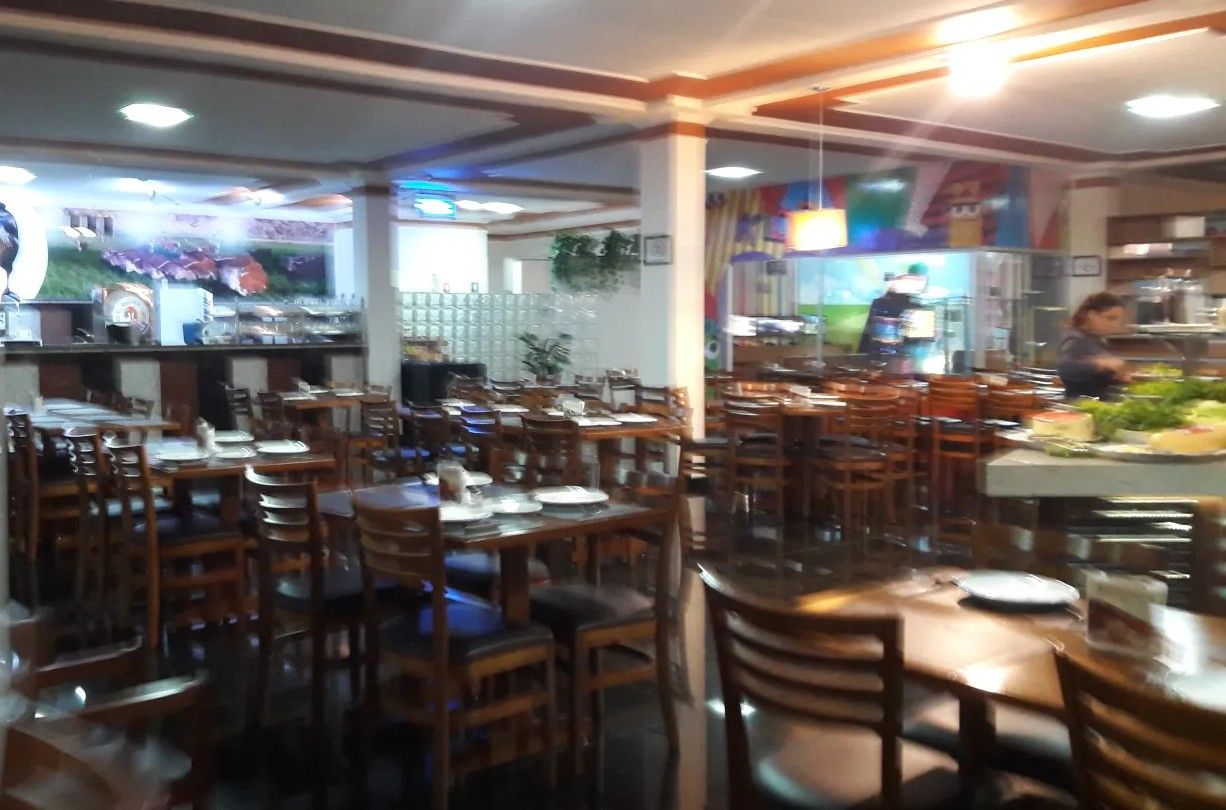
The Restaurant Moinhos Grill on their group Utam : https://www.grupoutam.com.br/noticias/moinhos-grill-em-ribeirao-preto-cardapio-e-cafe-de-excelencia
Other things to see here are the Teatro Pedro II opera house named in honor of Emperor Dom Pedro II, dating from the 1920s, and natural parks such as the Japanese park as well. The town of Ribeirão Preto is very active nightlife in terms of bars, restaurants, nightclubs, theatres, cinemas, etc. The city has several spaces dedicated to cultural events of music and theater. It is an important center of cinema in Brazil, with the Kaiser Cinema Studios with more than 13,000 square meters of built area, and which houses a large audiovisual production infrastructure, in addition to having the largest film club in the country, The Mayor Luiz Roberto Jábali Park, the Maurílio Biagi Park, and the Municipal Zoo are important areas for environmental preservation, recreation, and walks, while the Pinguim Beer Hall, the Coffee Museum are significant points of cultural activity and tourist visits. The city hosts the important music festival, João Rock, and two major events (fairs): the Ribeirão Preto National Book Fair and the traditional and famous Agrishow. Also noteworthy are the 1922 Mansion – Restaurant and Café, the Sinhá Junqueira Library, and the Camilo de Mattos Mansion.
A bit of history I like tell us that in the centuries immediately preceding the beginning of Portuguese colonization, the Pardo River valley region was already inhabited by Caiapó groups. Despite the limited information available about their customs and culture during this period, it is known that the Caiapó spoke a language from the Jê linguistic family. The oldest documentary accounts of the Caispó date from the 17C and 18C, many of which were produced by explorers who crossed the region in search of gold and indigenous people to work on the plantations of the villages on the plateau and coast of São Paulo. From the first decades of the 19C, the entire northeastern region of São Paulo received many miners, called “entrantes” in the documents of the time, who left their lands already exhausted by mining and sought pastures for cattle raising. The first record of a more concentrated settlement in the region dates from 1811, when farmers are said to have gathered to build a first chapel in honor of Saint Sebastian. Brought by their patriarch Dr. Henrique Dumont, came his wife and eight children, among them a young man named Alberto Santos Dumont. Following a trip the Dumont family took to Paris in 1891, the visionary Santos Dumont began to develop an interest in mechanics, particularly the internal combustion engine, which later culminated in the construction of a motorless balloon, eventually leading to the creation of his airplane. The city was founded in 1856, a period when the region received many miners who left their exhausted mining lands in search of pastures for cattle raising. At the beginning of the 20C, the city began to attract immigrants who came to work in agriculture or in the industries that opened in the 1910s. Coffee, which was for some time one of the main sources of income, declined in value from 1929 onwards, losing ground to other crops and especially to the industrial sector.
The City of Ribeirão Preto on its History/heritage : https://www.ribeiraopreto.sp.gov.br/portal/culturaeturismo/conselho-de-preservacao-do-patrimonio-cultural
The Brazil tourist office on Ribeirão Preto: https://www.guiadoturismobrasil.com/cidade/SP/167/ribeirao-preto
There you go folks, another dandy spot in my world map and many souvenirs of friendly encounters in inland State of Sao Paulo. Life is slower but more fun in the countryside. Again, hope you enjoy the road warrior post on this is Ribeirão Preto in Brazil !!! as I.
And remember, happy travels, good health, and many cheers to all !!!

 Paris1972-Versailles2003