
Another of my memorable times while living in Versailles and working in Paris for 9+ years was coming to these quant towns off the beaten path such as Maule. I found some pictures in my cd rom vault that should be in my blog for you and me, And again thanks for reading me since Nov 2010! Therefore, this is my take on this is Maule !!! Hope you enjoy the post as I
The town of Maule is located in the Yvelines department no ,78 in the Île-de-France region of my belle France. The town is 15 km from Mantes-la-Jolie, 6 km from Aubergenville, 9 km from Orgeval, 37 km from Paris, 23 km from Versailles, 22 km from Houdan, 40 km from Dreux, and 420 km from my current home The main road access is by D191, which crosses the town along a north-south axis, and it can link up with the A10 the way we took to reach Bordeaux quicker. The northbound direction leads to Épône, on the old N13, and the A13 autoroute de Normandie. The southbound direction leads to Beynes, then to N12, and beyond, to Rambouillet.
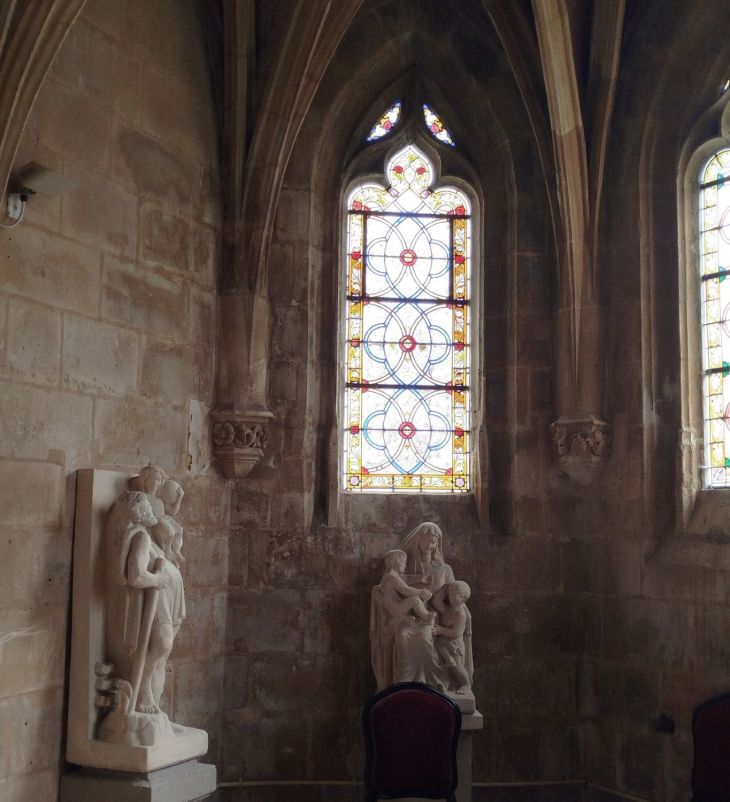
The Church of Saint-Nicolas is a Romanesque and Gothic architecture, it was built in a predominantly Norman tradition. The double-entrance Romanesque crypt, one of the largest in the Yvelines, is held up by columns with gadrooned capitals.
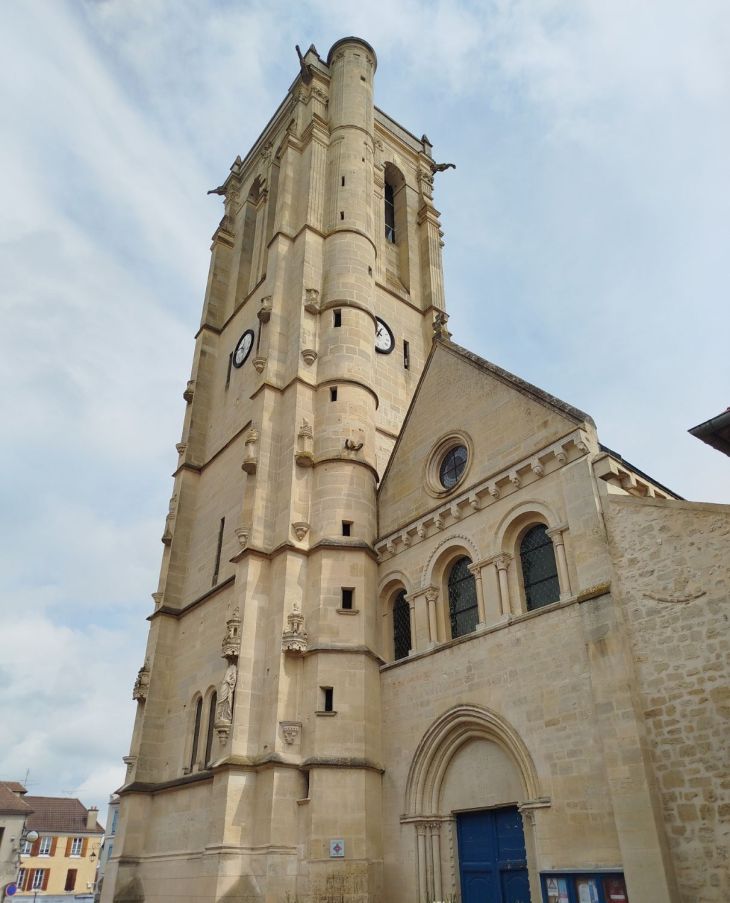
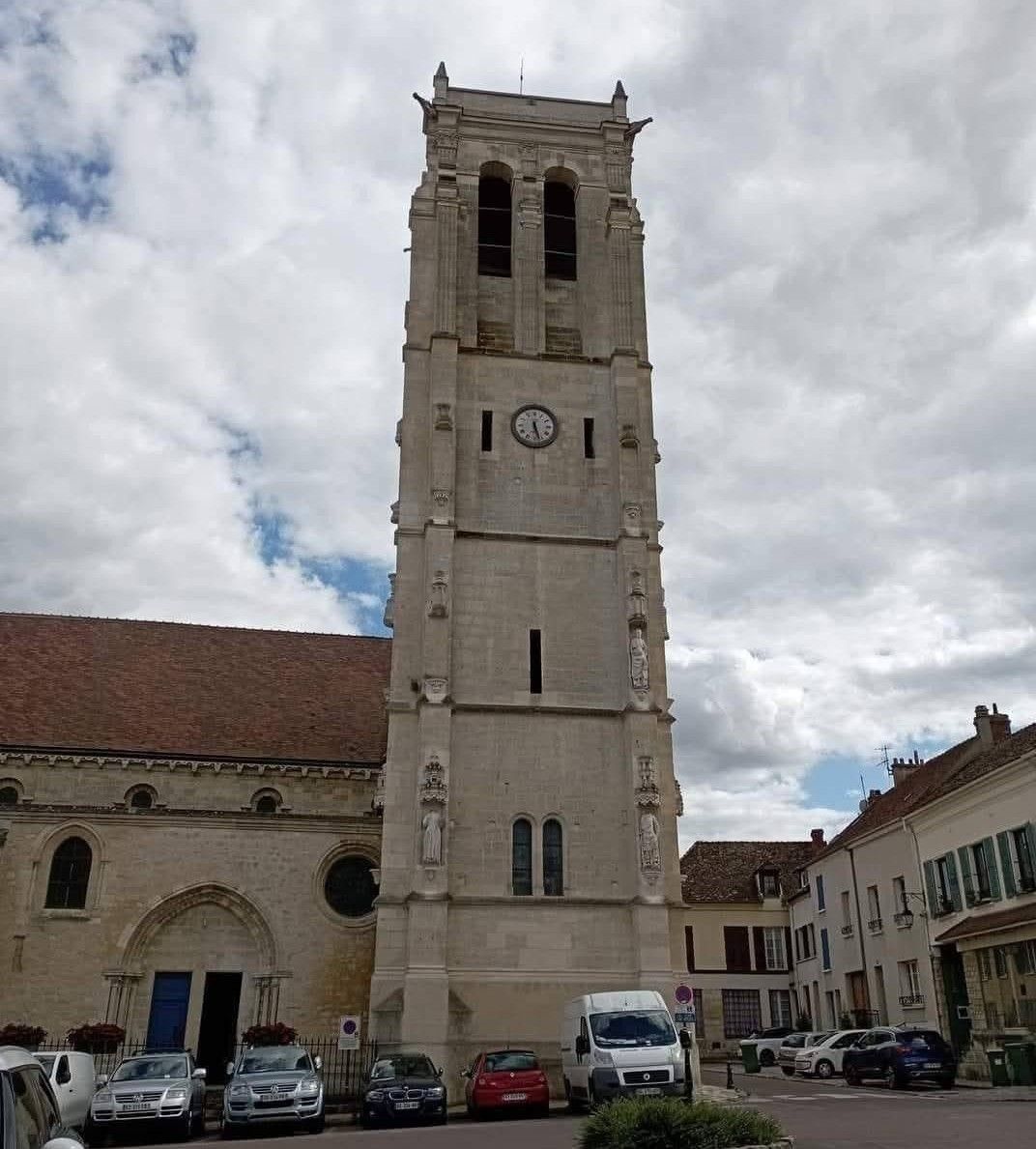
The Church Saint-Nicolas in the Romanesque and Gothic styles is located in the center of the old town, dates back to the 11-12C. The 36-meter-high Renaissance-style tower of Maule, begun in 1528 by the Baron of Maule, Guillaume de Morainvilliers, was completed in 1547 by his son-in-law, Robert Harlay de Sancy. Extensively restored in the 19C, The 11C Romanesque crypt is one of the largest in the Île-de-France region. The church oldest parts of which date from the 9C, was both the parish church of Saint-Nicolas and the church of the Benediction priory, which adjoined it.
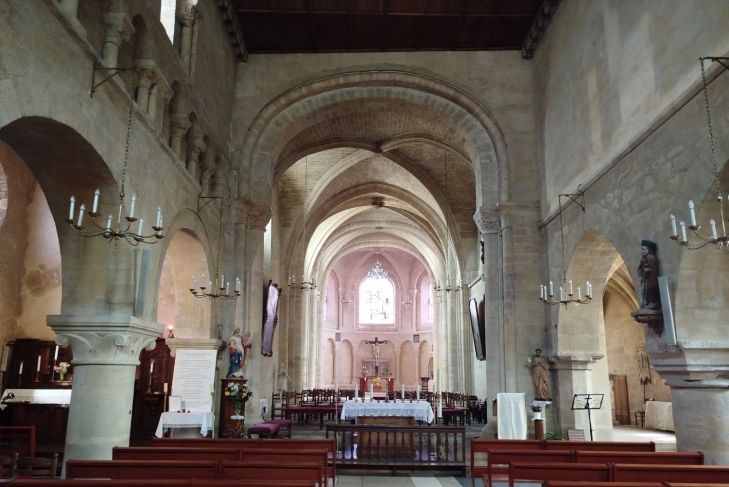
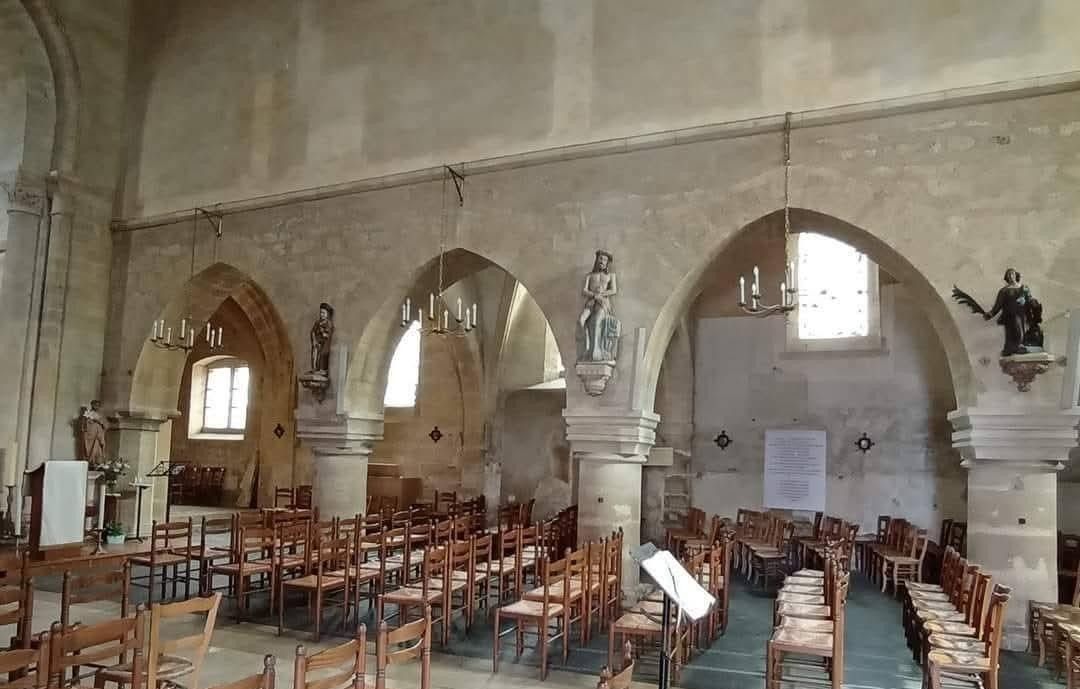
A group of 15C buildings, built alongside the Church Saint Nicolas, surrounds a square courtyard containing a Renaissance-style grove of flowers and shrubs. The interior is divided into several sections: The Victor Aubert Museum: This municipal museum, founded in 1938 by Victor Aubert , an archaeologist from Maule, houses ancient and feudal remains from the Mauldre Valley, as well as folkloric works of art and popular traditions. The first floor is dedicated to paleontology, prehistory, the Gallo-Roman period, and the Middle Ages; the ground floor is devoted to folk arts and contemporary art. The Maule Municipal Library ,and tow temporary exhibition rooms. During antiquity, the current site of the church was dedicated to the worship of Jupiter, The very first church in Maule dates back to the 11-12C, In 1076, Pierre de Maule donated the town’s churches to the Benedictine monks of Saint-Evroult in Normandy. 15C construction of the priory building, now partially preserved next to the church.
Other things to see here me think are the Château Agnou aka Hagnon, Saint-Vincent or Balagny) The park includes an imposing dovecote with 3,200 nests which could accommodate more than 6,000 pigeons; today, only a few owls and a family of kestrels remain; private co-ownership. The Château Agnou park, a forest park which runs along the Mauldre. Also , a 19C lavoir or washhouse Beulle , fed by the Beulle stream.
A bit of history I like tell us that in the 10C, the Barony of Maule was owned by the Le Riche family, who passed it on to the Morainvilliers and then to the Harlays. Guérin Le Riche was the descendant of the Maule family. His son Ansoud III was responsible for the founding, in 1076, of the Benedictine priory of Saint-Evroult in Normandy; he also had the ramparts of Maule built. During the reign of Baron Pierre I de Maule, the First Crusade took place. Gautier Sans-Avoir, perhaps from the Baron’s family, is said to have carried the banner of Maule during the crusade, making it the first city represented in the Holy War. Gautier’s brothers, William and Simon, saved the King of Jerusalem, Baldwin I, at the Battle of Ramla in 1102. Peter I’s son, Ansold II of Maule, participated in the campaign against the Byzantines alongside Robert Guiscard and was among the first to enter Rome to save Pope Gregory VII from the Alemani (old Germans) before returning to his own land. A major economic city in the Mantois area, its walls were nevertheless dismantled in the 12C on the orders of Louis VI the Fat as punishment for the excesses of the baron of the time, Peter II the Battler. When the Hundred Years’ War hit the Île-de-France, Maule was not spared; it was located on the border between the possessions of the crown to the east and the domain of Charles II of Navarre, then an ally of the English, to the west. He soon seized the Mauldre valley and sacked Maule in 1357. At the end of the Hundred Years’ War, the town resumed its growth and became a prosperous town, as shown by the edict of Francis I written in 1528 and confirming the holding of a market. Market halles were also built in 1564. The Maule estate was raised to the status of a marquisate in 1667. Fast forward until in 1944 the town was liberated by the soldiers of General Leclerc.
The town of Maule on its heritage: https://www.maule.fr/tour-historique-de-maule
The town of Maule on the church : https://www.maule.fr/e11
The Parish Maule Beynes on its churches see Saint Nicolas de Maule : https://www.paroisse-maule-beynes.fr/nos-clochers/
There you go folks, another quant off the beaten path trip in my old backyard. Oh yes there is more to see an ever ending source of wonderful architecture and history in my belle France, I am working on it ! Maule is nice and walking its main streets is a delight. Again, hope you enjoy the post on this is Maule !!! as I.
And remember, happy travels, good health, and many cheers to all !!!

 Paris1972-Versailles2003