
We have driven in the area and stop by again, always worth it me think, This is memorable City of Blois in the Loir et Cher dept 41 of the Centre Val de Loire region of my belle France, There is so much to see , and did see more for you and me, I have written plenty on this castle but more is always welcome by me ! Therefore, here is my take again on the Château de Blois, part III !!! Hope you enjoy the post as I.
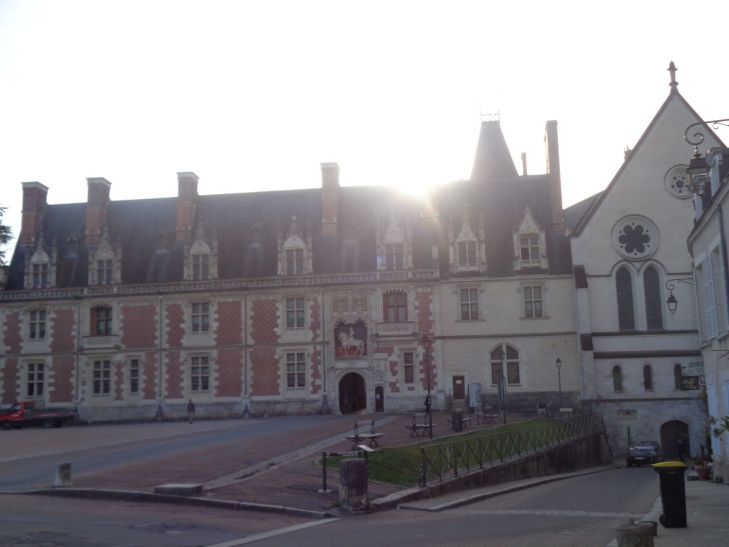
Each of the Château de Blois façades bears witness to the successive constructions and destructions. They embody four major periods of French architecture, from the Middle Ages to the 17C: the medieval fortress (13C); the Gothic wing of Louis XII (1498-1500); the Renaissance wing of François I (1515-1518) and its famous spiral staircase; and the classical wing of Gaston d’Orléans (1635-1638). For over a millennium, the Château of Blois has welcomed many figures linked to the history of France and Europe. Seven kings and ten queens of France have lived there and left their mark. The Château has also been the scene of major events, such as the assassination of the Duke of Guise in 1588, on the orders of King Henry III, or the escape of Queen Marie de Medici in 1619, held in exile by her son King Louis XIII. The Royal Château has a collection of over 35,000 works. More than 1,000 objects are exhibited in the various rooms of the château.
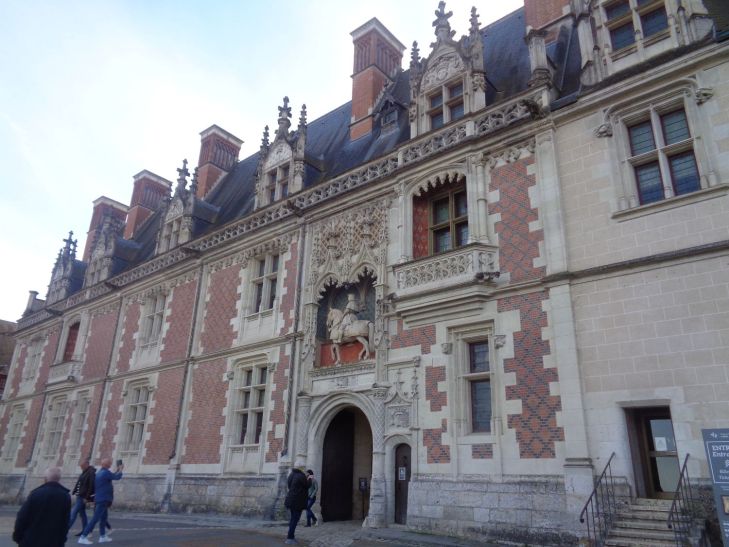
Louis XII, from 1498, wanted more modern comfort. The medieval fortress thus took on the air of an urban palace. We are in the Gothic era and it is time for the king to follow fashion! On the courtyard side, the open gallery offers a sheltered link between the stair towers. On the square side, the bricks are trendy and support the equestrian statue of the king. Here we can already feel the beginnings of Italian artistic influence. The Château is also home to the Musée des Beaux-Arts de Blois. Located on the first floor of the Louis XII wing, the museum exhibits sculptures and art objects, including paintings by masters such as Rubens, Ingres and Boucher. It offers an original tour around the five senses.
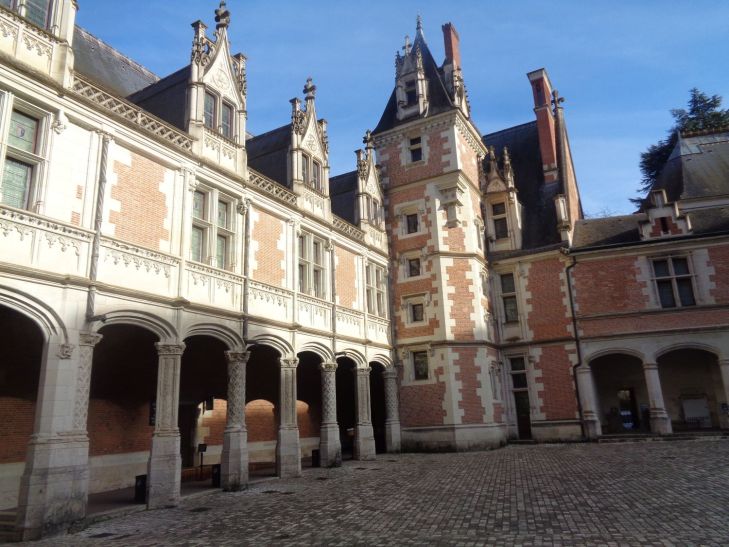
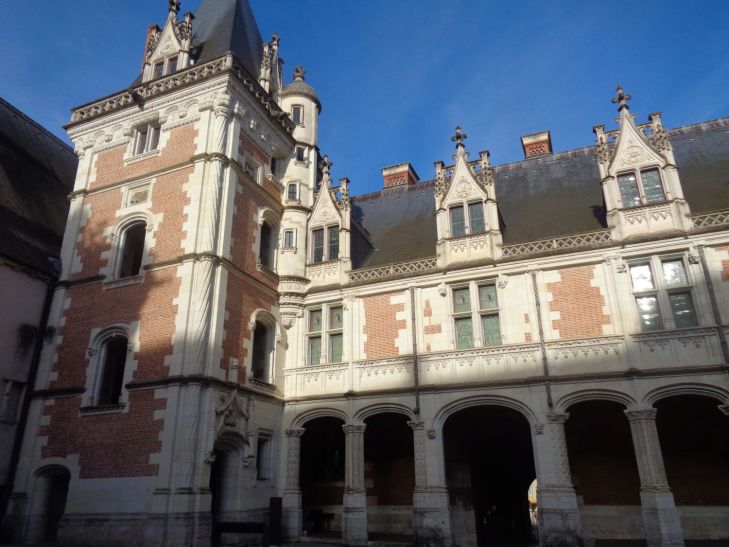
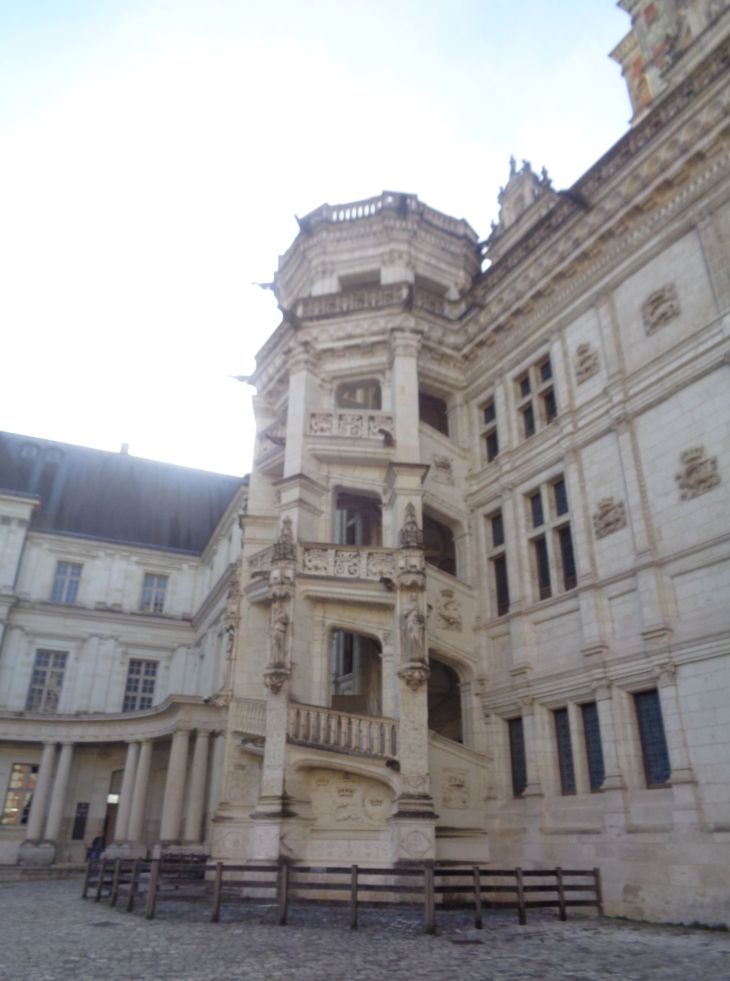
The François 1er wing He is not nicknamed the “Builder King” for no reason! And it was in 1515, when he had just acceded to the throne, that François Ier undertook his first construction site at the royal castle of Blois. His source of inspiration? The Italian Renaissance of course! The staircase of the castle of Blois is a majestic signature. From then on, the king and his court can show themselves and be seen, inside and out. From the first steps in the courtyard of the castle, these monumental and almost immaculate ellipses captivate your gaze. Typical of the Italian influences of the Renaissance, the staircase of the Château de Blois has the particularity of being “hors d’œuvre”, that is to say straddling the courtyard and the interior of the François 1er wing. A ceremonial instrument, it was wanted by its extravagant builder in order to be seen by his court.
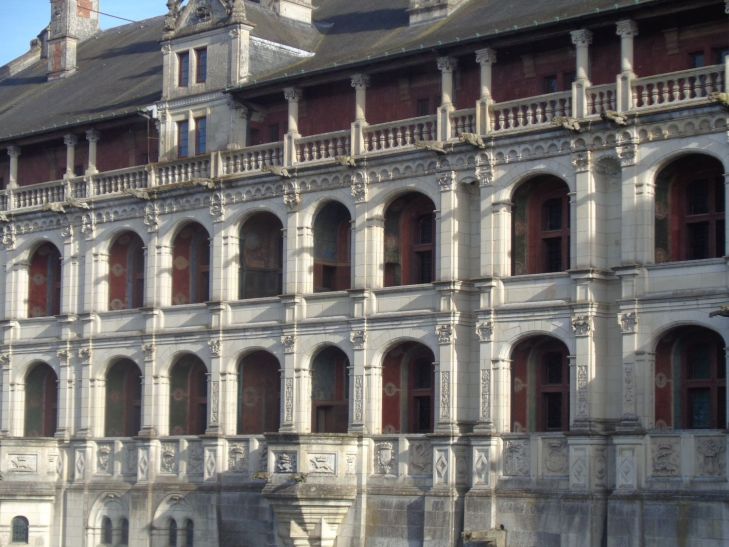
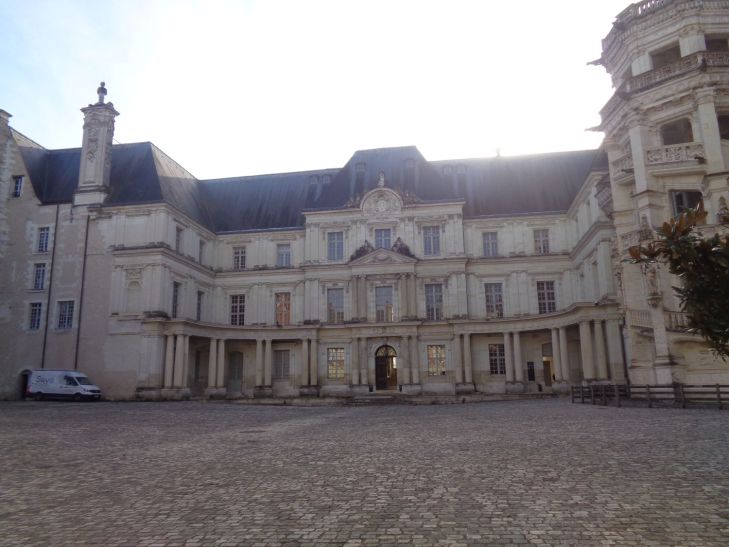
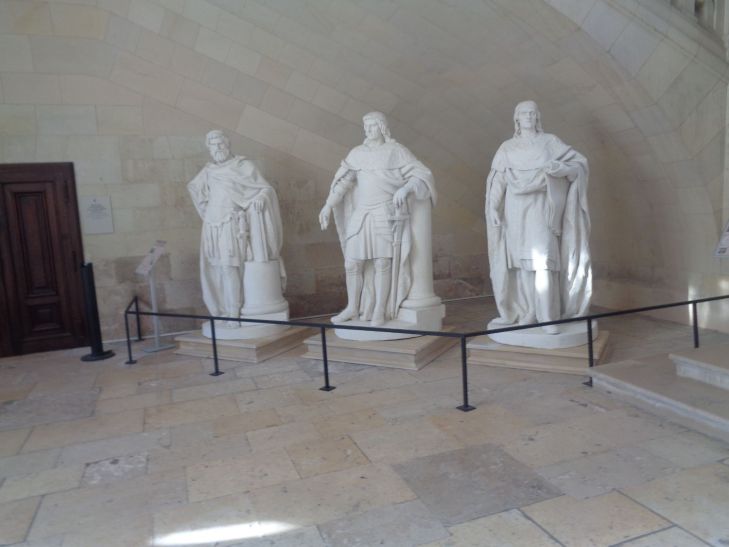
Gaston d’Orléans, exiled from the court of his brother, King Louis XIII, settles in the Château de Blois. Folly of royal grandeur obliges, he entrusts the construction of his new castle to the architect François Mansart. The sumptuous codes of Versailles are there, notably with the spectacular vault decorated with trophies and masks and enhanced with a dome. However, in order to complete the work, finances were seriously lacking. The Gaston d’Orléans wing therefore now houses events and collections. In the hall of the aile Gaston-d’Orléans see statues of kings Charlemagne, Saint Louis and Louis XII.
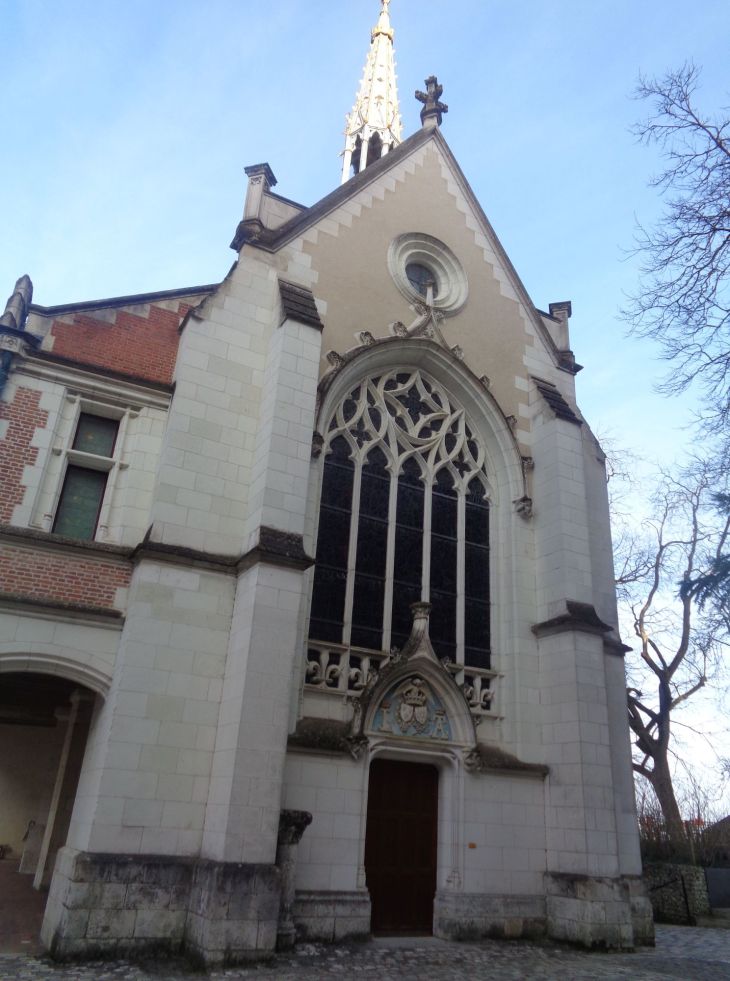
The Chapelle Saint-Calais, aka Sainte chapelle du château de Blois, is attested from 866 after the arrival of Benedictine monks fleeing the Perche, which was prey to the Viking raids of Hastings, the chapel was the refuge of the Benedictines of the monastery of Saint Calais, with the blessing of the Counts of Blois and Kings of the Franks. The chapel was completely rebuilt from 1498 when Louis XII acceded to the throne, before being officially consecrated on November 12, 1508. On November 3, 1586, King Henry III founded the daily mass there called the King’s Mass. Of the 16C chapel, only the Gothic choir with lierne and tierceron vaults remains today, the nave having been destroyed. in 1635 by Mansart during the construction of the Gaston d’Orléans wing , It is located at the western end of the Louis XII wing, in the inner courtyard of the castle,
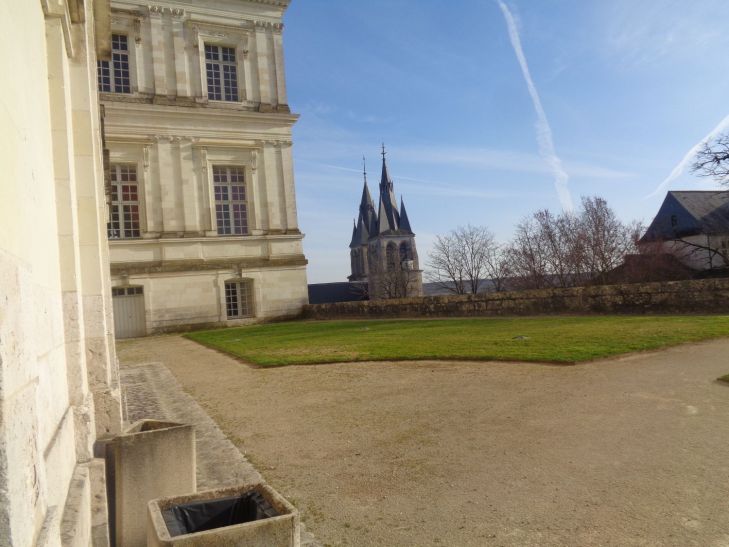
Although the gardens of the Royal Castle have now disappeared, they extended over nearly ten hectares during the Renaissance, constituting one of the most beautiful places in the kingdom, ideal for strolling and resting. It is this universe and this atmosphere that the City of Blois wanted to rediscover and offer to the public by redeveloping the Foix terrace. Located in the heart of the Castle, over more than 2,000 m², overlooks the old town and offers a breathtaking panorama of the Loire, a royal river and UNESCO world heritage site. The development consists of two gardens: the Gaston-d’Orléans garden and the Anne-de-Bretagne garden.
The official Château de Blois : https://en.chateaudeblois.fr/
The local Blois Chambord tourist office on the Château de Blois: https://www.bloischambord.co.uk/discover-the-destination/the-loire-valley-castles/blois-castle/
The official Loire Valley Centre Val de Loire region tourist office on the Château de Blois: https://www.loirevalley-france.co.uk/discover/loire-chateaux/royal-chateau-blois/
The Val de Loire Loir et Cher dept 41 tourist office on the Château de Blois: https://www.val-de-loire-41.com/les-chateaux-de-la-loire/chateau-royal-de-blois/
There you go folks, a dandy area to explore and enjoy with the family, Memorable moments in my belle France, going all over in my road warrior trails brings out sublime awesome spots with nice memorable family visits of yesteryear always remember and always looking forward to be back, eventually. Again hope you enjoy the post on the Château de Blois, part III !!! as I.
And remember, happy travels, good health, and many cheers to all !!!

 Paris1972-Versailles2003