
I am again back at you with one of most fluid passions, wines. Of course not just any wine but the Médoc! And not just Bordeaux as if you have read my blog should know it is a genetic name covering a very large area north south, east of the city of Bordeaux! I found me much older pictures of my visiting days from Florida that need to be in my blog, The Médoc is in the Gironde department 33 of the Nouvelle-Aquitaine region. There are three parts to it: Bas-Médoc, Haut-Médoc and Landes, and two terroirs, the famous Médoc vineyard along the estuary, and Landes du Médoc towards the ocean, Therefore, here is my take on the wines of Listrac and Moulis –Médoc !!! Hope you enjoy the post as I.
The town of Listrac-Médoc is located in the department of Gironde 33, in the Nouvelle Aquitaine region of my belle France, It is on the left bank of the Gironde river. The town is on the road D1215 between Bordeaux and Verdon-sur-Mer , in the central point in the Médoc: 35 km from Bordeaux, 35 km from the ocean, 25 km from the lakes, 7 km from the port of Lamarque and the Châteaux route. Listrac-Médoc lives of course to the rhythm of its vineyard which occupies 560 ha and mainly produces AOC Listrac-Médoc, an appellation since 1957, but also AOC Haut-Médoc, Bordeaux Rosé and an excellent but rare Bordeaux dry white. Other interesting monuments is the Saint Martin Church, whose novel choir is dated from the 12C, and the bell tower dates from the 16C. Also, the lavoir or washouse of le Caput,
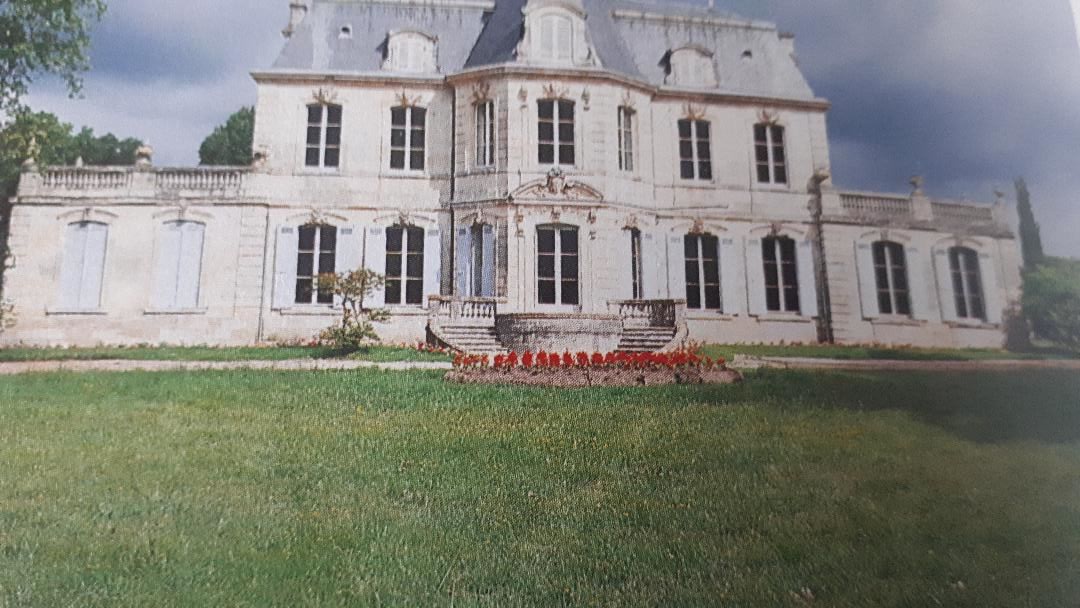
The story here is the Château Fonréaud has a name from a legend as well as a location on the Médoc roof already make this property an exceptional place. “Fonréaud”, formerly “Font-Réaux”, means “Royal Fountain”. Indeed, legend has it that in the 12C, the king of England and husband of Aliénor d’Aquitaine, Henri II Plantagenêt, stopped there, to quench on a very fresh water fountain. It still exists in the vineyard ! At the beginning of the 18C, almost all the terroirs of Château Fonréaud were already occupied by the vines. The consequences of the crisis of diseases of the end of the 19C had to put an end to this dynasty which brought its vintage of Fonreaud in the forefront of the Crus of Listrac for more than two centuries and to which we owe the construction of its elegant castle. In 1932, the Château Fonréaud was classified at the rank of Cru Bourgeois Superior, a classification renewed in 2003. Since 2008, the wines of the Fonréaud castle have been recognized by crus bourgeois every year. As early as 1983, Château Fonréaud was recognized by the profession by becoming a member of the Bordeaux Wine Academy and the Closed Circle of the Union of Grands Crus of Bordeaux. The red wine is a must -see of the Médoc, appreciated by amateurs. The wine immediately seduces with a beautiful deep ruby dress and an elegant nose with thin notes of red fruits and spices. On the palate, the frank attack reveals a round and crop wine to the delicious aromas of fruit and vanilla on well -melted, loose and velvety tannins. The white wine, the le Cygne (swan), is sold under the name Bordeaux since there is no white medoc (by definition the Médoc is a red wine!). On young vintages, it is appreciated the depth of the aromas of citrus and apricot and passion fruit and then we find these same aromas in the mouth with a bright mouth that is both fresh and lively.
The official town of Listrac-Médoc : http://www.mairie-listrac-medoc.com/
The official Vignobles Chanfreau and Château Fonréaud : https://www.vignobles-chanfreau.com/en/accueil-en/
The origin of the name of the town of Moulis-en-Médoc comes from the Latin moles or molis, “work, earthworks, masonry, throwing building or building”. In the 18C, Father Baurein thought that Moulis came from “mill”. For several centuries and sometimes today, Moulis is also a step for the pilgrims of Saint-James of Compostela: those of the track of Tours or Paris which pass by Blaye and Lamarque, or those coming by sea via the ports of Nord Médoc. This is mainly wine-growing, the town produces wines of great reputation, through different castles, and offers an important architectural and archaeological heritage.
On his marriage in 1875, J. Petit-Laroche offered his wife the construction of a sumptuous mansion house facing his cellars in the Médoc as a wedding present, and this is the Château Maucaillou that we see today. The extravagant decor, with its Renaissance, middle and end of the 17C references, make this an excellent example of the kind of eclectic architecture that abounded in the Médoc at the end of the 19C, before the various crises that were later to strike the vineyards (Phylloxera, mildew …). Maucaillou means “bad stones” in the sense understood by farmers in the Middle Ages when referring to this type of barren gravelly soil on which cereals, the principal source of revenue at the time, could not grow. It was only later that the potential of these gravelly outcrops was recognized as being perfect for cultivating vines of the highest quality. The Château Maucaillou was one of the first properties of its type to be admitted into the exclusive circle of the Union des Grands Crus de Bordeaux, an association that reunites the best crus of Bordeaux.
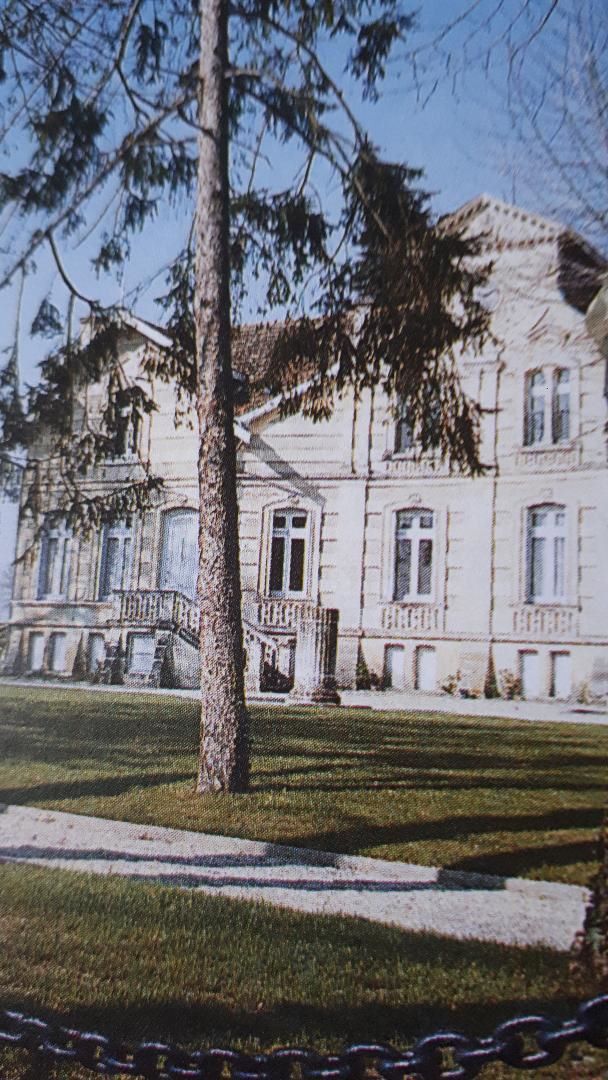
The Château Maucaillou attains a level of excellence that stands comparison with many Grands Crus Classés of the Médoc. The wines are sumptuous in colour, with a particularly subtle and agreeably fruity aromatic power that is ripe and concentrated, harmoniously balanced, full bodied and generous, all in finesse and elegance. They are characterised by their persistence and grace along with remarkable ageing potential thanks to very fine, but imposing tannins.
The official town of Moulis-en-Médoc : https://www.mairie-moulis-medoc.fr/
The official Château Maucaillou : https://www.maucaillou.com/?lang=en
The official wines of Bordeaux on the Médoc : https://www.bordeaux.com/us/Our-Terroir
The Bordeaux tourist office on the vineyards: https://www.bordeaux-tourism.co.uk/vineyards-wines
There are many properties visited over the years too numerous to mention, I purchase back in 2014 the Feret edition, Bordeaux and its Wines book , the essential historical analytical guide to the wines of the Médoc (Bordeaux) The official Feret Library: https://librairie.feret.com/
There you go folks, the wines of my belle France, and the very best from the Médoc that peninsula up from Bordeaux, sublime ! Again, hope you enjoy the post on the wines of Listrac and Moulis –Médoc !!! as I
And remember, happy travels, good health, and many cheers to all !!!

 Paris1972-Versailles2003