
I taking you back to Rome for a while. This church as many others for some reason of mine was left out or mix in with other posts,and they should have a post of their own, me think, There are so many old stone to see there with lots of history and architecture features as well. Therefore, let me give them credit and tell you about the Basilica Saint Sabina of Rome !!! Hope you enjoy the post as I.
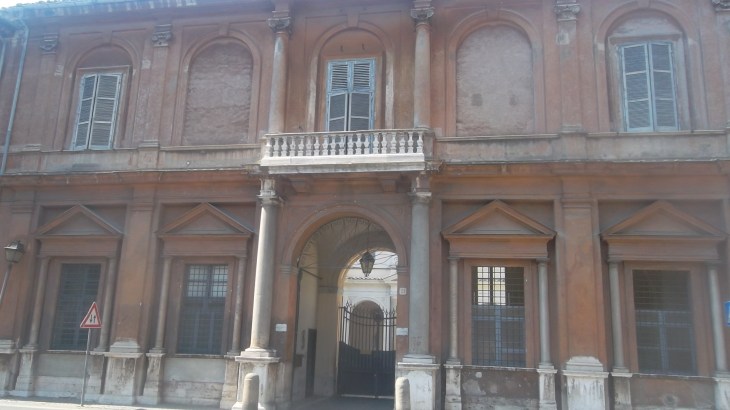
I will be brief just for the memories, there is a lot more on them there and here, These are several left out from my blog for some unexplained reason, Catching up !!!

The Basilica Saint Sabina (Piazza Pietro D’Illiria, 1, ) is probably the finest surviving early Christian church in Rome. It was erected by Peter of Illyria, priest of Dalmatia, from 422 to 432, near an ancient temple of Juno and the site of the legendary house of the Roman Sabina, who later became a saint. Dedicated to Saint Sabina of the Aventine, it is the seat of the Curia of the Order of Friars Preachers (Dominicans) since 1219. The building was restored several times, disfigured in the 16C by the closing of twenty of its windows. Restorations at the start of the 20C restored it to its former glory. As can be seen from some inscriptions found near the basilica there was the temple of Juno Regina, of which 24 columns were used for the construction of the church. In the 9C, the church was incorporated into the imperial bastions and interior changed dramatically during restorations in 1587, and 1643. Again, in the first half of the 20C, restored the original structure. The bell tower dates from the 10C. Saint Dominic would have planted an orange tree in the cloister, coming from Spain, his native country. It is said to be miraculous. It is visible through a hole in the wall of the church. The Lapis Diaboli, a round black stone placed on a spiral column to the left of the entrance, or “stone of the devil”, is said to have been thrown by the devil against Dominic as he prayed on the marble slab covering the bones of martyrs, breaking it into pieces. This slab, actually broken by the architect Domenico Fontana during the restoration of 1527, was reconstituted and is now visible in the center of the choir. In 1287, a conclave was held there to elect a successor to Honorius IV. But Rome was hit by a serious epidemic of malaria and six cardinals died during the conclave. All the others fled, except one, Girolamo Masci, who on his return from the conclave was elected Pope Nicholas IV on February 22, 1288. The church has no facade, this being integrated into the narthex, in one of the four arms of the old portico which is currently in the Dominican monastery. The smooth walls and especially the large windows , characterize the first Christian constructions, the art of making windows of this size having been lost in the centuries following the fall of the empire. The old tower was replaced by a Baroque bell tower.

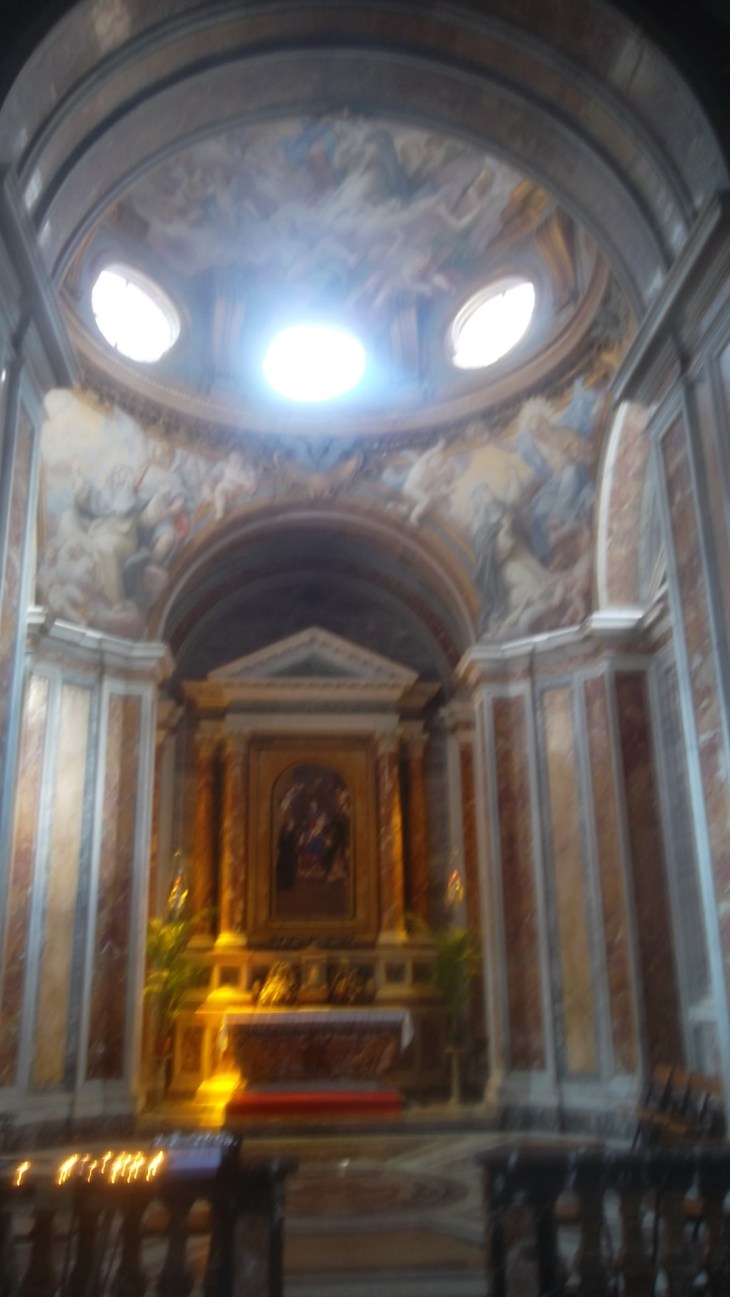


The Rome tourist office on the Basilica Saint Sabina : https://www.turismoroma.it/en/places/basilica-saint-sabina-allaventino
There you go folks, this is Rome, the eternal City. One of the many monuments to visit while in the City, me think. Again, hope you enjoy the post on the Basilica Saint Sabina of Rome !!! as I.
And remember, happy travels, good health, and many cheers to all !!!

 Paris1972-Versailles2003