
And I am back in the wonderful sublime Valley of the Kings, the Loire. I found me pictures spread all over the blog and have condense in these 3 posts including the garden and park on this one, Therefore, he is me again by Valençay, the home of Tayllerand!. The town of Valençay is located in the dept Indre 37 of the Centre Val de Loire region. Therefore, Let me tell you more again about the Château de Valençay, part III !!! Hope you enjoy this post as I.
The Château de Valençay was the property of the prince de Talleyrand. Documents attest to the presence of the lordship or domain of Valençay from the 13C, but all that remains from this time is the salle basse (lower medieval hall), located below the current cour d’Honneur (main courtyard). However, just as grand as the inside, the garden and park are awesome and must to visit as well, me think.
The park and gardens of the Château de Valençay cover an estate of over 53 hectares. The formal French gardens welcome visitors, leading to the main courtyard which opens onto the terraced jardin de la Duchesse or Duchess’s Garden. Walking back towards the park, one sees the meadow, extending into the pleasure garden, offering a breathtaking view of the château. The jardin d’Antonin or Antonin Garden, located near the deer park, showcases over 300 species of culinary herbs in homage to Antonin Carême, Talleyrand’s renowned chef. Continuing towards the Forêt des Princes or Princes’ Forest, a magnificent woodland trail awaits. On foot or by electric buggy, visitors can discover seven unusual historical sites along a 4 km circuit. For younger visitors: a mini-farm, a scent game in the Antonin Garden, a children’s castle, and the Grand Labyrinthe de Napoléon or Napoleon’s Great Labyrinth.
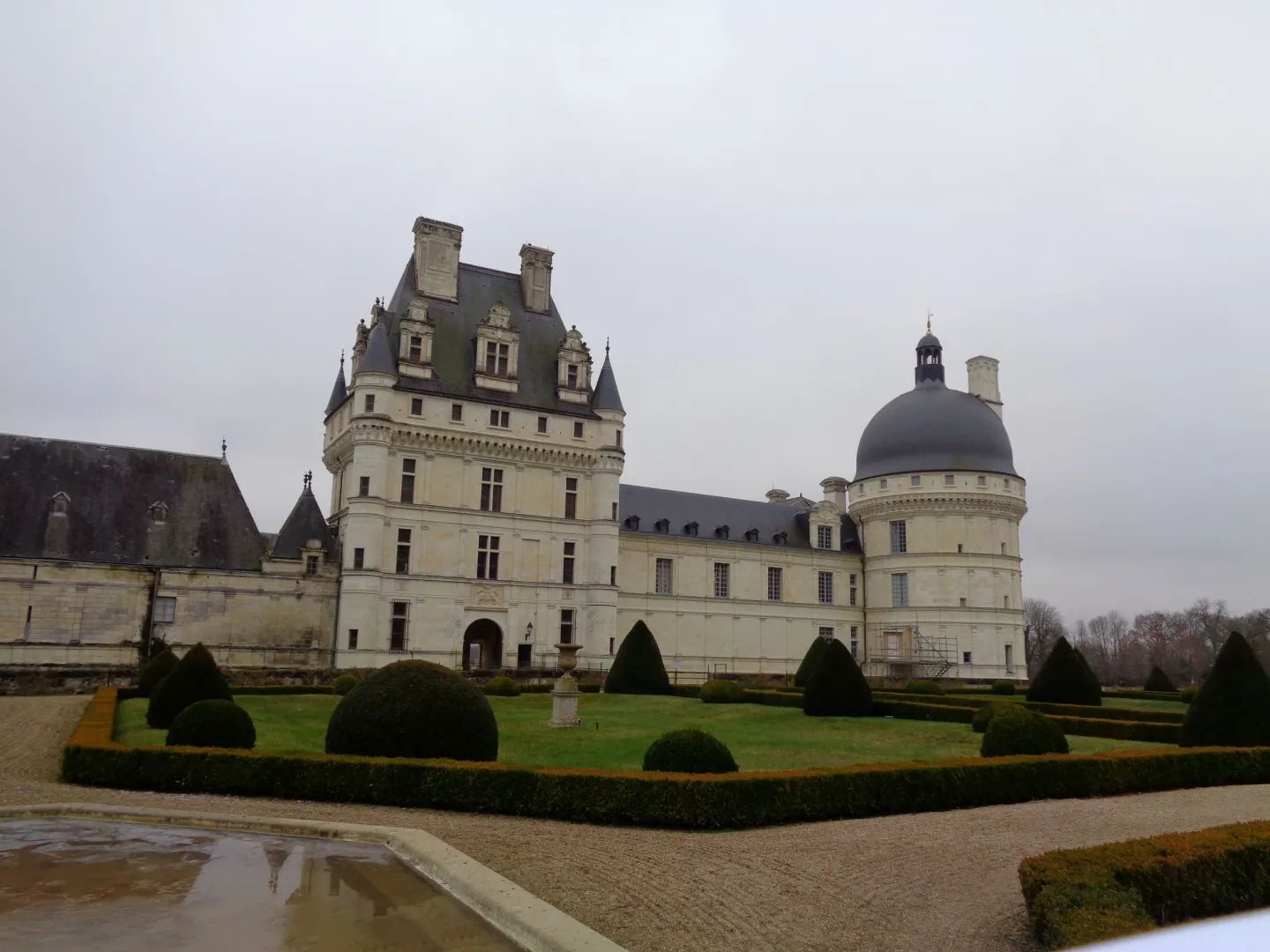
This vast green space, invites walks, exploration, and leisure activities for all ages. Plants and animals have always held a prominent place on the Valençay estate. Today, the focus on biodiversity and species protection guides environmentally responsible management and centers initiatives on sustainable development and eco-responsibility. Renewed each season, the gardens’ flowerbeds are designed to provide the château with a chromatic setting worthy of its architectural value. Filled with 25 different tree species, the forest is carefully maintained and plays an educational role with signs that provide information on their different origins, uses and biology. Visitors can explore it on foot or by electric golf cart on a 4 km path.
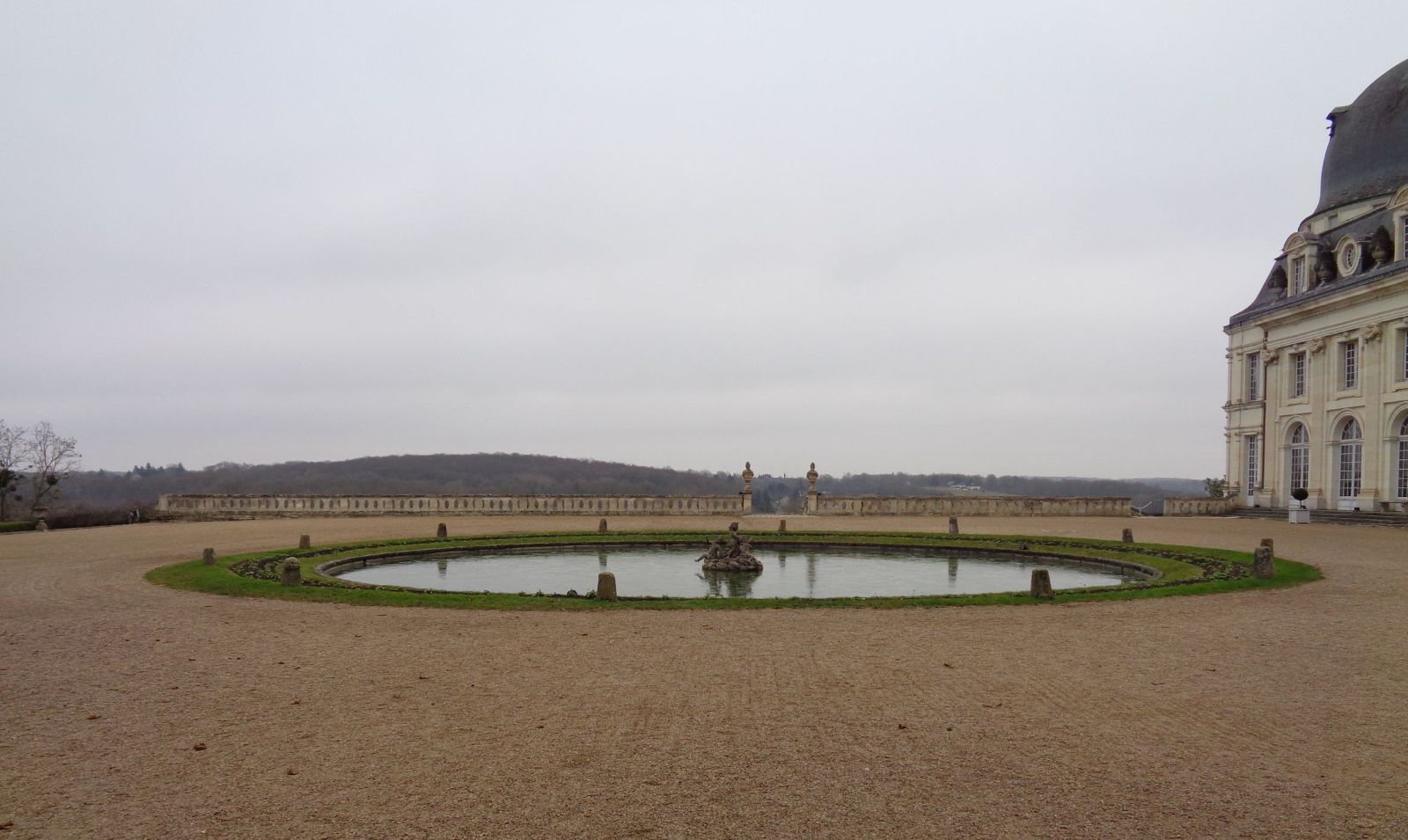
The cour des ronds or courtyard of circles is the official entrance to the estate. It is accessed through two gates, one on Avenue de la Résistance and the other on Rue de Blois. A vast lawned area, bordered by century-old chestnut trees and crisscrossed by several avenues, it allows for the grand procession of horse-drawn carriages. The courtyard provides access to the outbuildings (farm, workshop, stables), the château, and the forest.
The Jardin Français or French garden ,following the grand French tradition, Édouard André designed a new garden at the beginning of the 20C, its straight paths punctuated by elegant pools. The Jardin de la Duchesse or Duchess’s garden with its terraced flowerbeds and sculptures, this garden overlooks the Nahon Valley. It offers a breathtaking view of one of the few hunting lodges to have been preserved in France: “La Garenne,” built around 1810 at the request of Talleyrand.
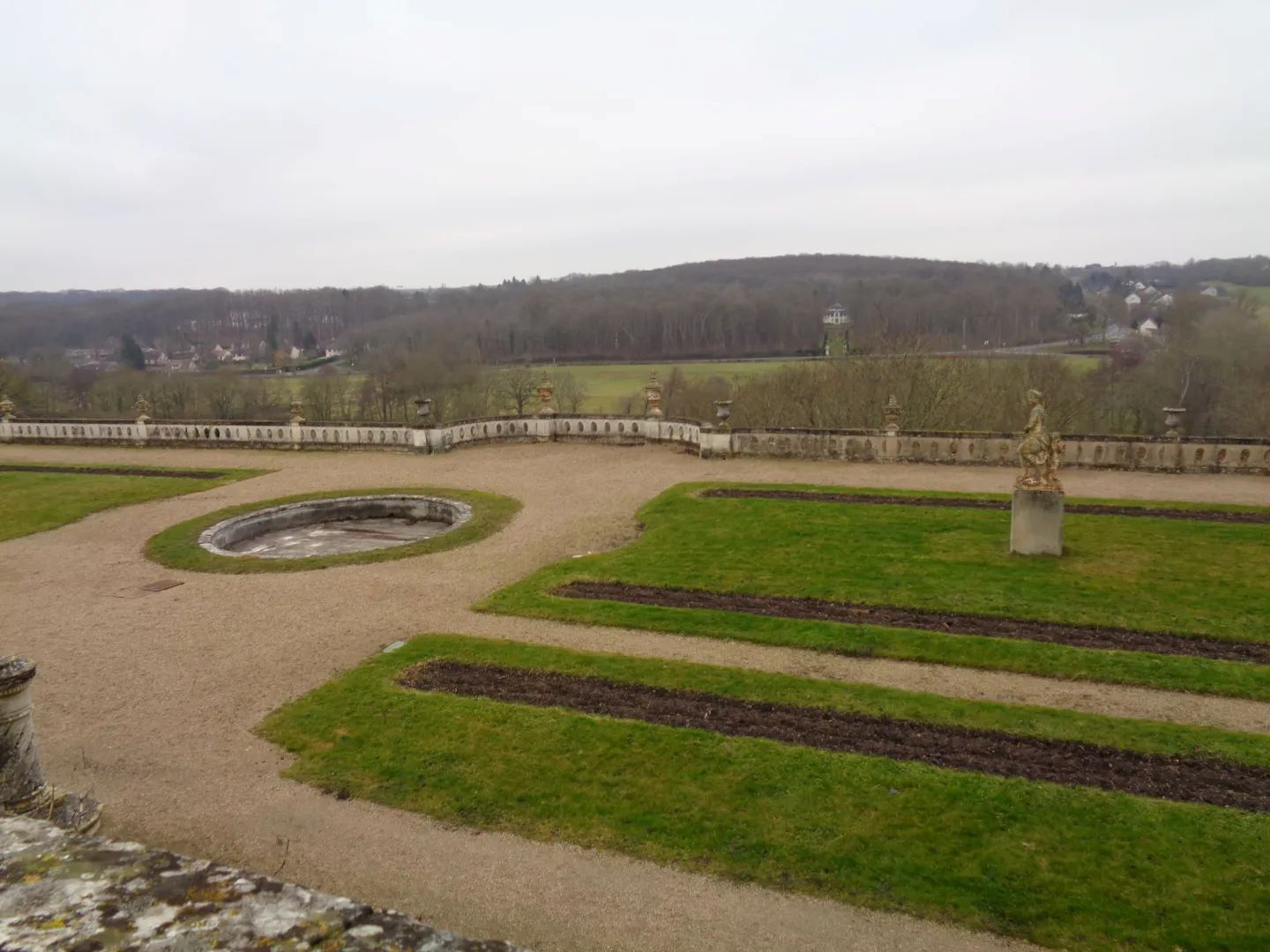
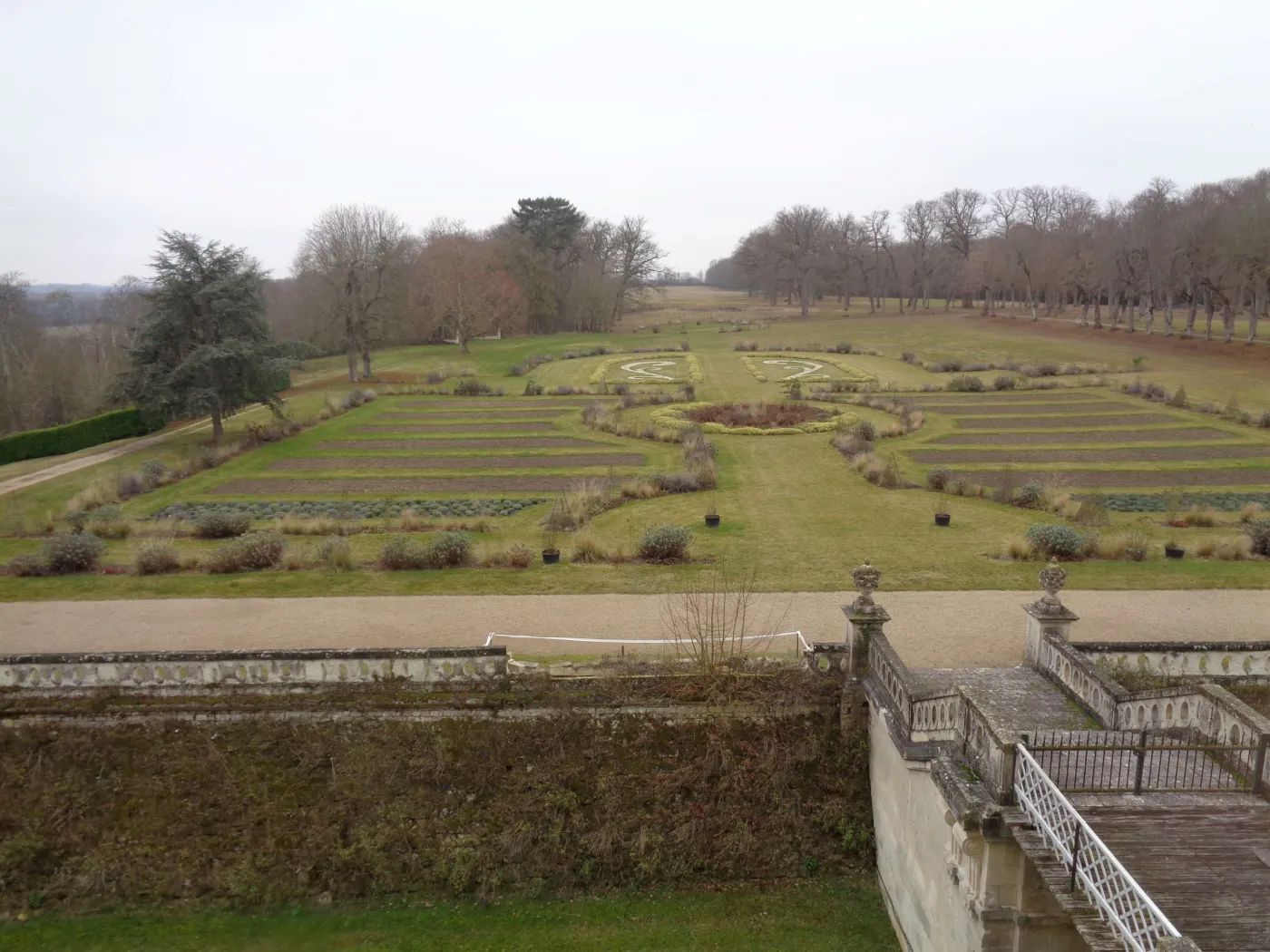
La grande perspective or the grand perspective created in 2016, this garden was designed by Noémie Malet, a DPLG-certified landscape architect. Inspired by a 1705 engraving, the first iconographic document depicting the park, this project is a bridge between the history of the site and contemporary creation. The labyrinthe de Napoléon or Napoleon’s Labyrinth is the largest maze-game in France, young and old alike are drawn into a treasure hunt through the Napoleonic legend. Reaching the Emperor’s Tower and finding the exit is no easy feat! Discover the history of Napoleon, portraits of his family members and close friends as you navigate the maze, and you might even encounter some of the peacocks who have made their home in the 2,000 m² maze!
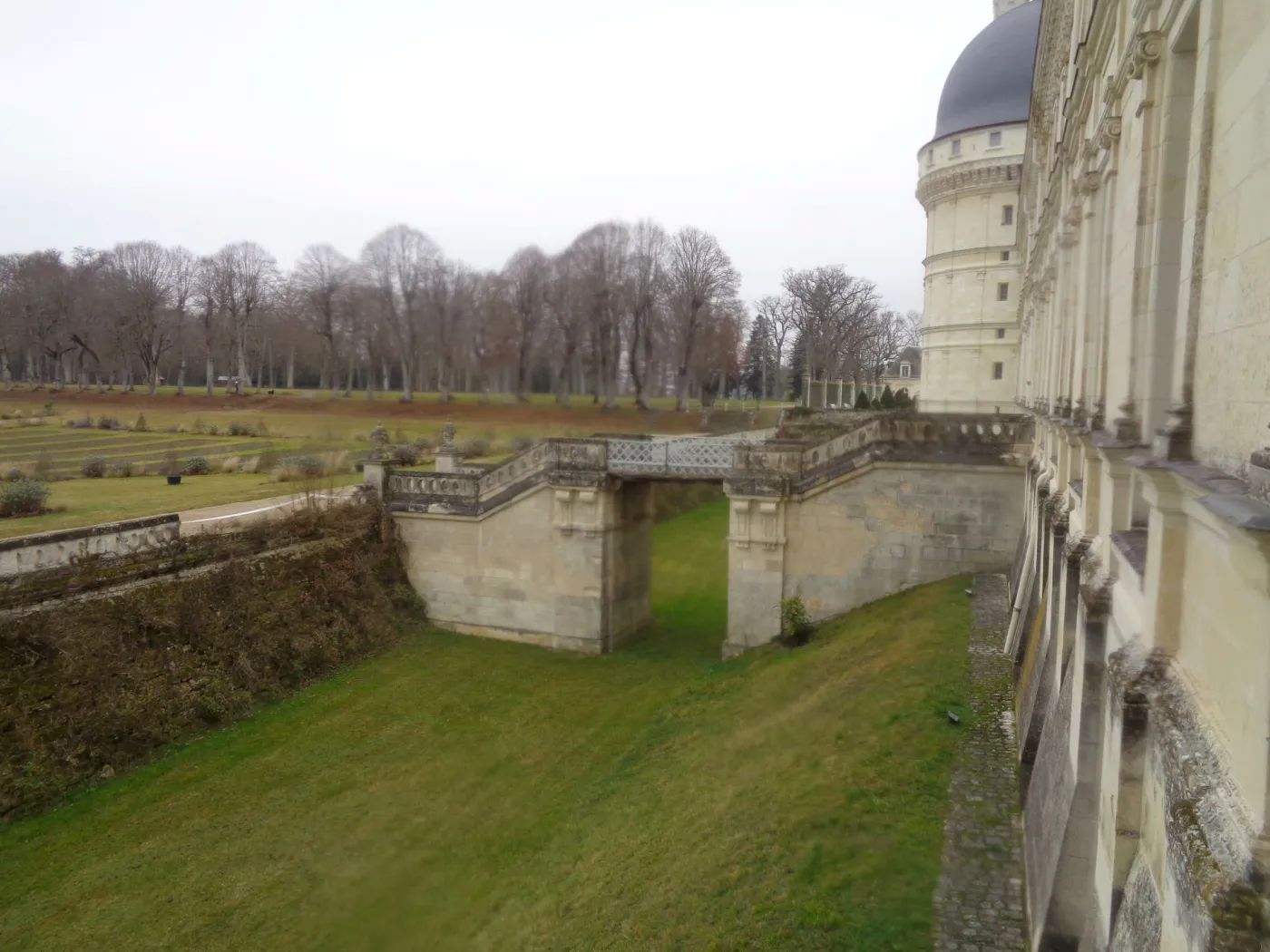
Farms and forest bordering the park: the castle’s mini-farm introduces visitors to a variety of animals: goats, sheep, rams… Every year, new births delight young visitors… and adults alike. Also worth discovering are the castle farm (access via the cour des ronds) and the deer park. The parc aux cerfs or deer park dates back to Talleyrand’s day, with its delightful deer, large and small, sporting their red coats with white splashes in the summer, brown in the winter. Located in the courtyard, the castle farm is a unique space, far removed from the grandeur of the stables or the theater. Originally designed to house the most prestigious animals from the various breeding farms of the vast Talleyrand-Périgord estate, the farm now welcomes you to discover numerous species and varieties of farm animals, which you can explore every day from 1h to 13h, and from 14h to 17h, in the company of the animal keepers. The Forêt des Princes or Princes’ Forest , visitors can explore a magnificent 4 km historical and natural path on foot or using an electric golf cart. Seven remarkable features are worth pointing out along this walk, along with a stunning view of the château.
The official Château de Valençay: https://www.chateau-valencay.fr/en
The Valençay tourist office on the castle : http://www.valencay-tourisme.fr/decouvrir-le-pays/chateaux/parc-et-chateau-de-valencay.html
There you go folks, another magnificent castle in the Loire Valley of my belle France! This is indeed the valley of the kings, and I am just touching the surface. The Château de Valençay and Tayllerand is a nice history piece to learn more of the history of my belle France. Again, hope you enjoy this latest post on the Château de Valençay , part III as I.
And remember, happy travels, good health, and many cheers to all !!!

 Paris1972-Versailles2003