
We were back to my dear Spain again !! love it !! We came by car of course and took time to see new areas and old repeat with some of them as introduction to my sons and our dog Rex ! I rented a small house in a off the beaten path country town that was just perfect ! I like to continue the saga of our new road warrior experiences even if now with less in our family, This post is on my latest road warrior tour of wonderful sublime Spain. Therefore, let me tell you about this is Avila !!! Hope you enjoy the post as I.
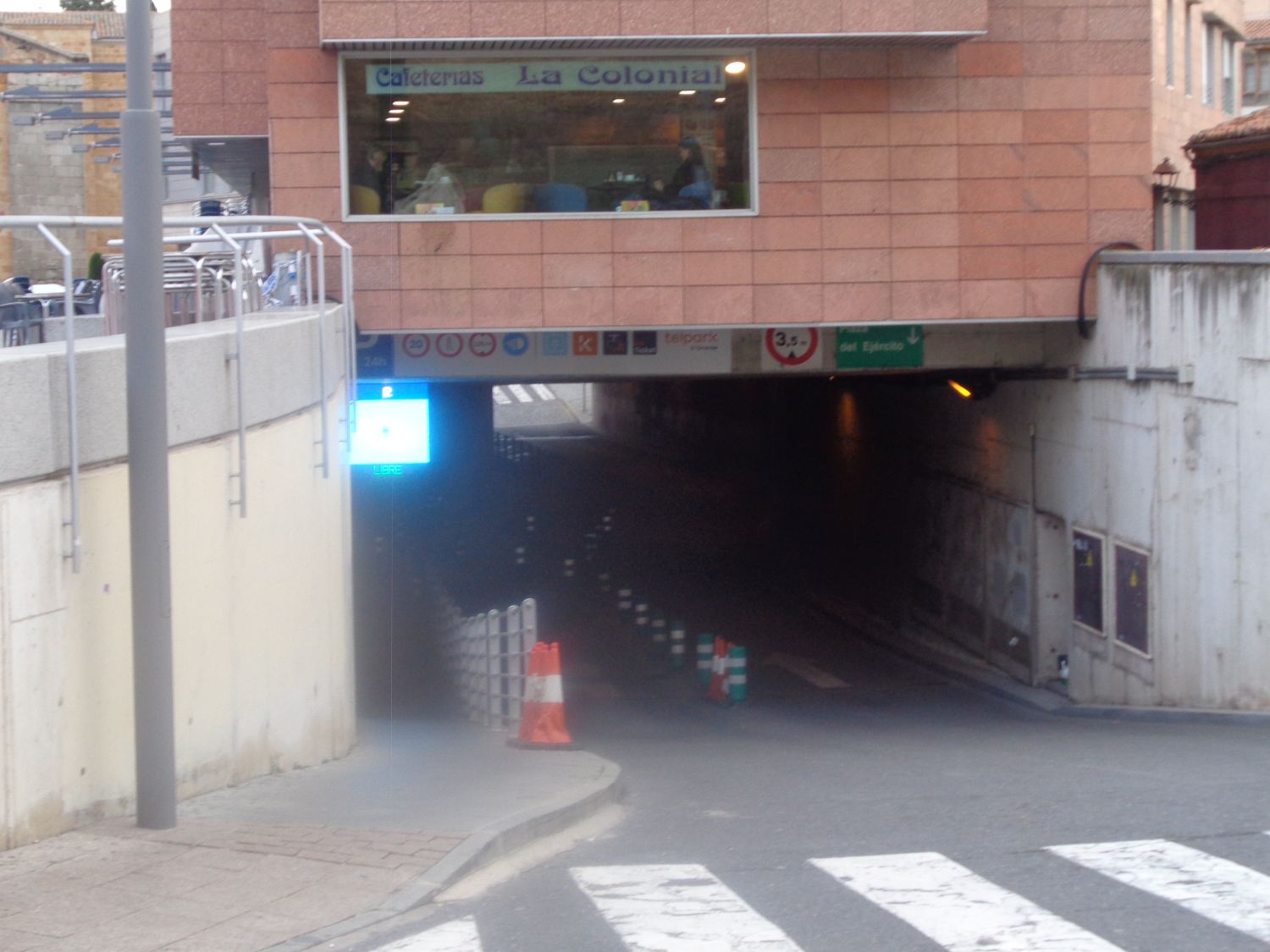
I went from Velliza to Avila 1h20 125 Km On A62 Continue on A6 On N403 to AV500 road to Centro Plaza de la Cathedral , Ávila is communicated by road with Salamanca through the A-50 highway and with Madrid through the highway of AP-51 toll. It also has various national roads that communicate the city with the south of the central system and with Valladolid. Upon arriving went right away to my underground parking Santa Teresa right next to the walls and Plaza Santa Teresa, convenient off and on and inexpensive. They were ready with a small Christmas market!
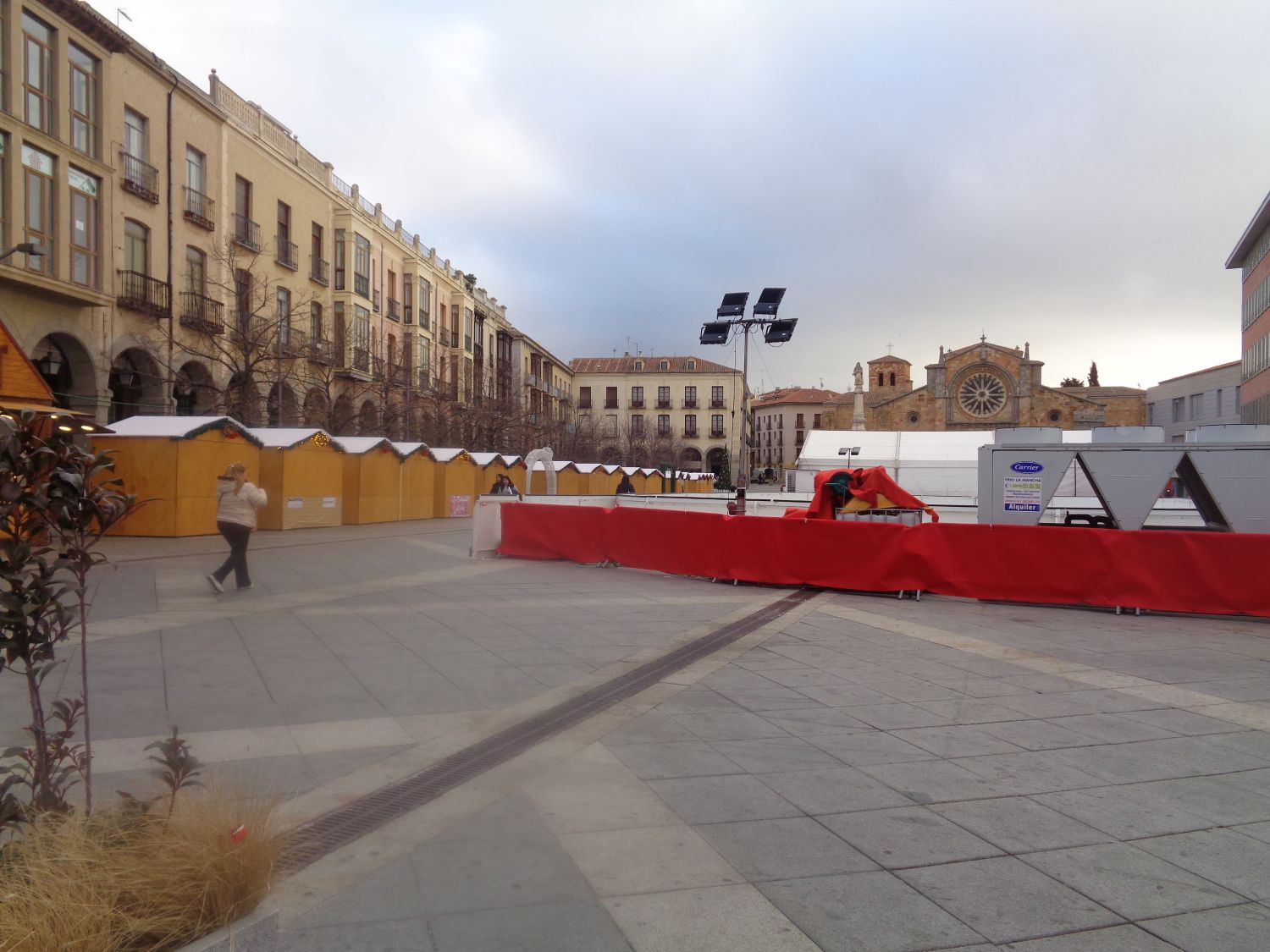
The City of Ávila is the capital of the province of Avila in the Autonomous Community of Castilla y León in the kingdom of Spain. It is located next to the Adaja river course and it is the highest provincial capital in the country, 1131 meters above sea level, There are several theories related to the origin of the name of the city and l will leave it like this, Ávila has the titles of “Ávila del Rey” granted by Alfonso VII, “Ávila de los loyal” granted by Alfonso VIII and “Ávila de los Caballeros” granted by Alfonso X, all present in the flag of the city.
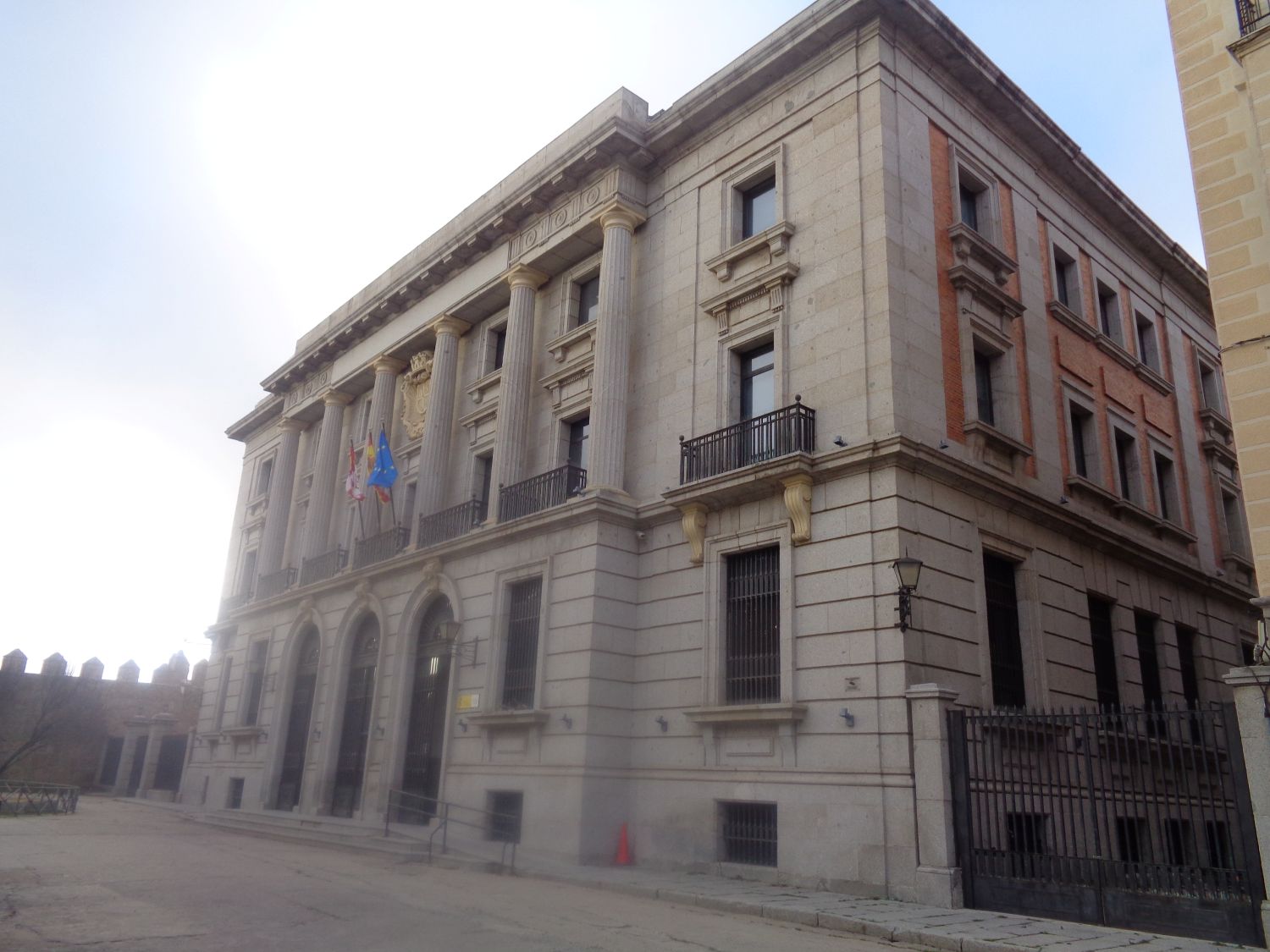
The city of Ávila has a high number of palaces, houses and strong houses, which are mostly in the neighborhoods of San Pedro and San Vicente, as well as their surroundings. One is the Casa Consistorial or City hall located in the Plaza del Mercado Chico 1.
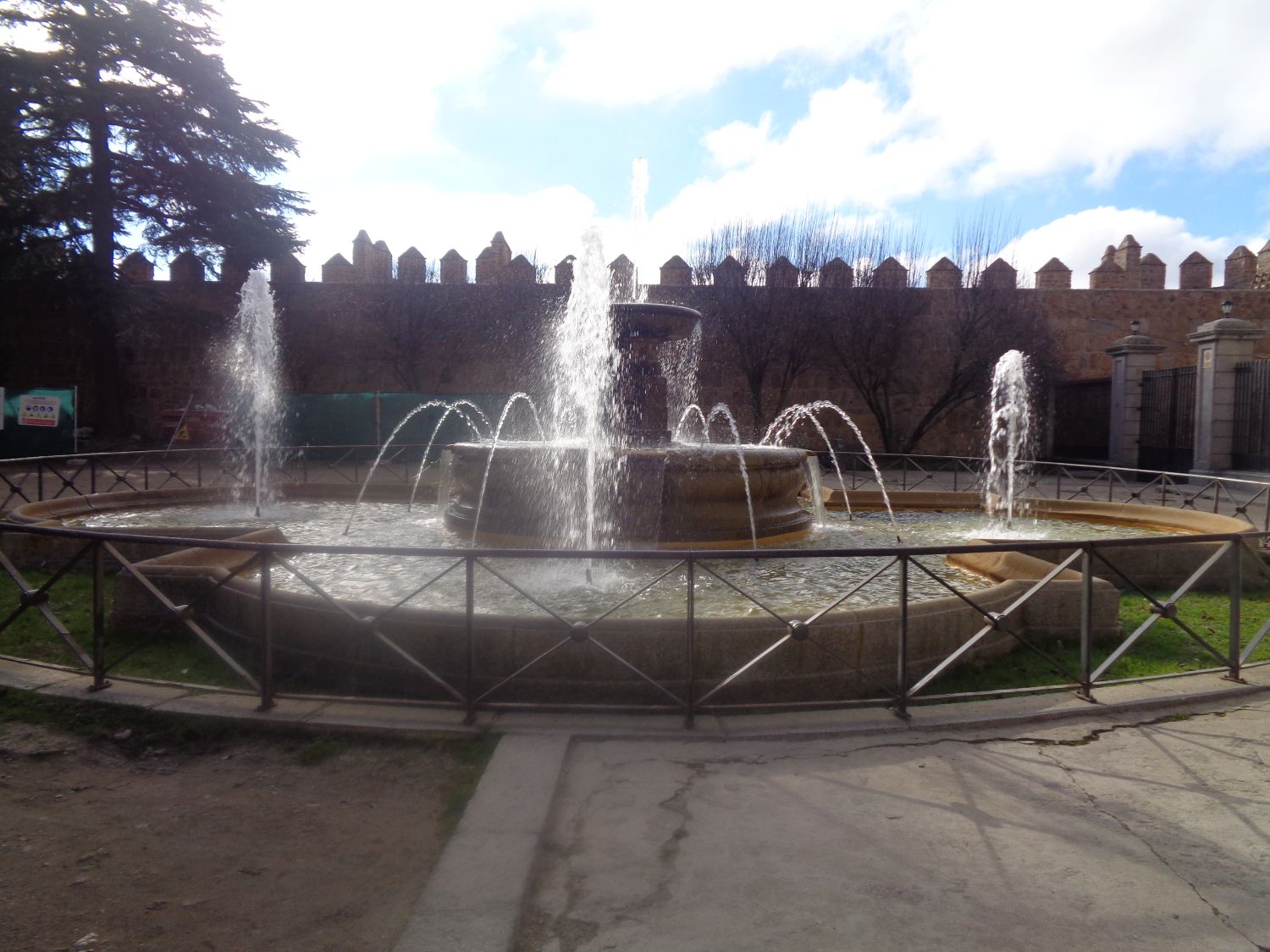
A bit of history I like tell us that after the Roman foundation and the assimilation of the native vetone population of the area ; there are no clear indications of a pre -Roman settlement in the historic center The city would pass to the Visigothic power , and eventually like most of the peninsular territory, felled under Muslim domain at the beginning of the 7C, and would not be definitively reconquered by Christian troops until the 11C. Some historians point out that the current city of Ávila was an ex-novo foundation of the Romans, who would give it the denomination of Abila, Obila, Abyla or Abela. The Roman city was formed by the current old town, the area surrounded today by the walls. The ancient Roman presence in the city is manifested through the Roman bridge, the road and different mosaics, which are some of the remains of this era that have survived until today. During the reign of the Catholic Monarchs, in the second half of the 15C, and Carlos I and his son Felipe II, already in the 16C, the city was reborn again thanks to the comings and coming of the court, and witnessed from birth of several religious characters, writers and spiritual advisors such as Teresa de Cepeda and Ahumada aka Santa Teresa de Jesús born in the city, and San Juan de la Cruz, who was born in the town of Fontiveros. Its council was one of the main organizers of the Communities War and in it the first Holy Board was formed during the First Republic, Ávila was one of the cities in which the cantonal movement extended, the revolutionary manifesto would be signed on July 20, 1873 , In 1936, after the outbreak of the Spanish Civil War, the city, as well as the entire Castilla y León, became quickly part of the area occupied by the rebel troops (Nationalists), In democracy the former presidents of the Government of Spain Adolfo Suárez who was elected in 1967 Procurator of the parliament in Ávila and José María Aznar who was elected deputy in the parliament by Ávila in 1982,
On the cultural side the City of Avila is well represented, Miguel de Unamuno would dedicate a chapter to Ávila – provulated Frente a Ávila – of his work Spanish adventures and visions (1902) The Spanish novel writer Alberto Insúa, born in Cuba, would write about the city, choosing it as the scene of his novel in Tierra de Santos (1907, The Irish writer Kate O’Brien wrote numerous works in which she addressed the theme of the city. In Adios, España (1937) dedicated a chapter to the city and in her novel Mary Lavalle (1936) made reference to the snow days of the Ávila landscape in winter. O’Brien would continue with the allusions to the city in her work Esa Dama (1946) to finally write Teresa de Ávila, a biography of Santa Teresa de Jesús. Ávila was a summer place for the writer until the Spanish civil war was unleashed. The writer would later return to the city, to reside for half a year, between 1961 and 1962, at the Hotel Jardín, , Avila, thanks to its wall and its appearance of a medieval city, has been the stage of filming scenes of a large number of films. These include Reina Santa (Queen Santa 1947) Los Viajes de Gulliver (Gulliver’s trips or The Three Worlds of Gulliver, 1960), Teresa de Jesús (1961), Teresa,el cuerpo de Cristo (the Body of Christ 2007) or Adolfo Suárez, President (2010).
The Avila tourist office : https://www.avilaturismo.com/en/home/
The Castilla y Léon regional tourist office on Avila : https://www.turismocastillayleon.com/en/heritage-culture/avila
The Unesco world heritage site on the old town and intramuros churches of Avila : https://whc.unesco.org/en/list/348/
There you go folks , another wonderful nostalgic, sentimental trip to my dear Spain, Do not know when we will be back, we sure will have this trip in our hearts forever, Again, hope you enjoy this post on this is Avila !!! as I
And remember, happy travels, good health, and many cheers to all !!!

 Paris1972-Versailles2003
I really like Avila.
When it comes to films you forgot ‘Pride and the Passion’ with Cary Grant and Sophia Loren.
LikeLiked by 2 people
I put the ones I like read on Cheers
LikeLiked by 2 people