
We were back to my dear Spain again !! love it !! We came by car of course and took time to see new areas and old repeat with some of them as introduction to my sons and our dog Rex ! I rented a small house in a off the beaten path country town that was just perfect ! I like to continue the saga of our new road warrior experiences even if now with less in our family, This post is on my latest road warrior tour of wonderful sublime Spain. Therefore, let me tell you about the Basilica of San Vicente of Avila !!! Hope you enjoy the post as I.
The City of Ávila is the capital of the province of Avila in the Autonomous Community of Castilla y León in the kingdom of Spain. It is located 105 km from Salamanca, 70 km from Segovia, 115 km from Madrid, and 126 km from our house rental in Velliza, All on the A62, A6 and N403 to City center.
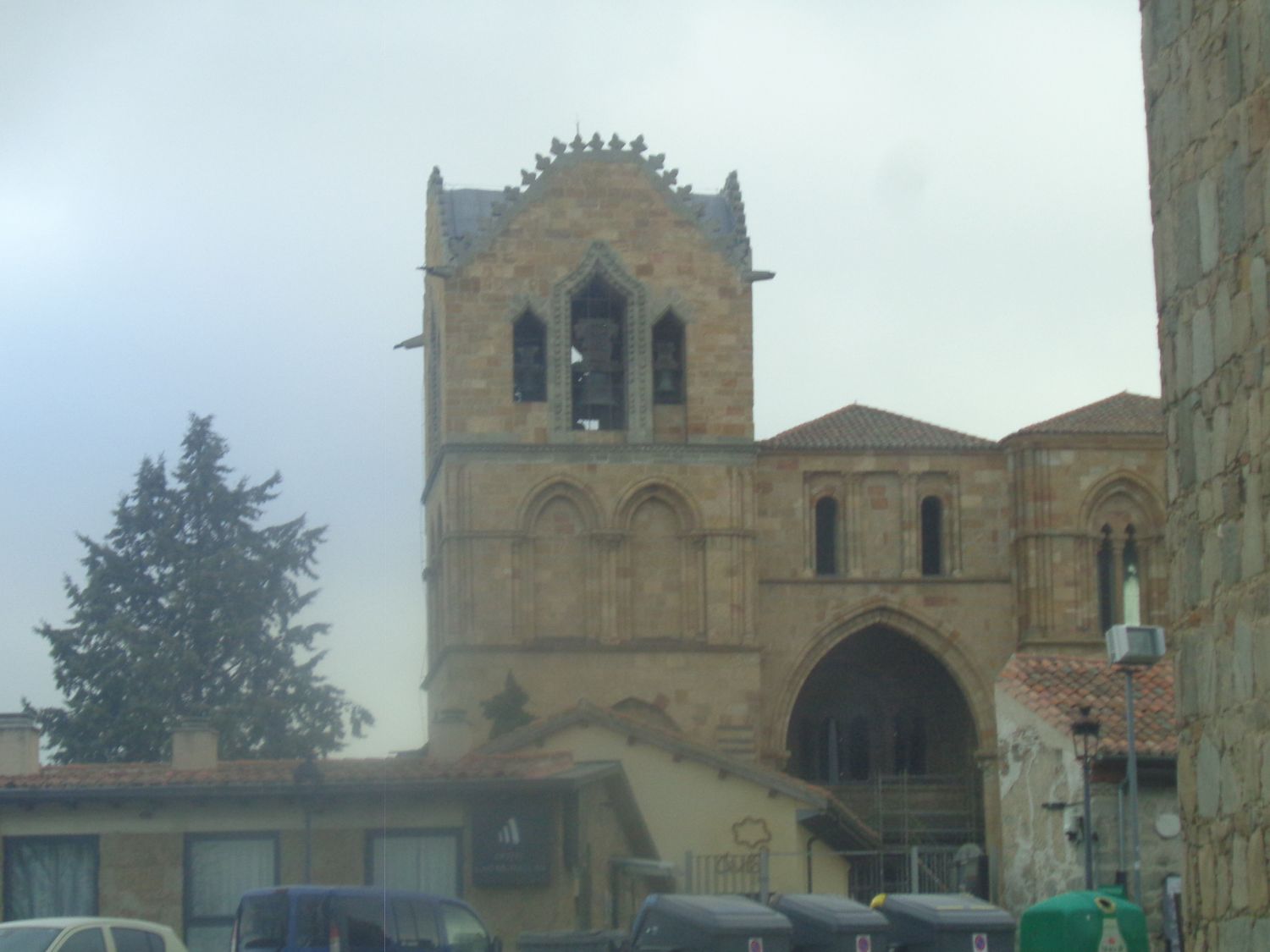
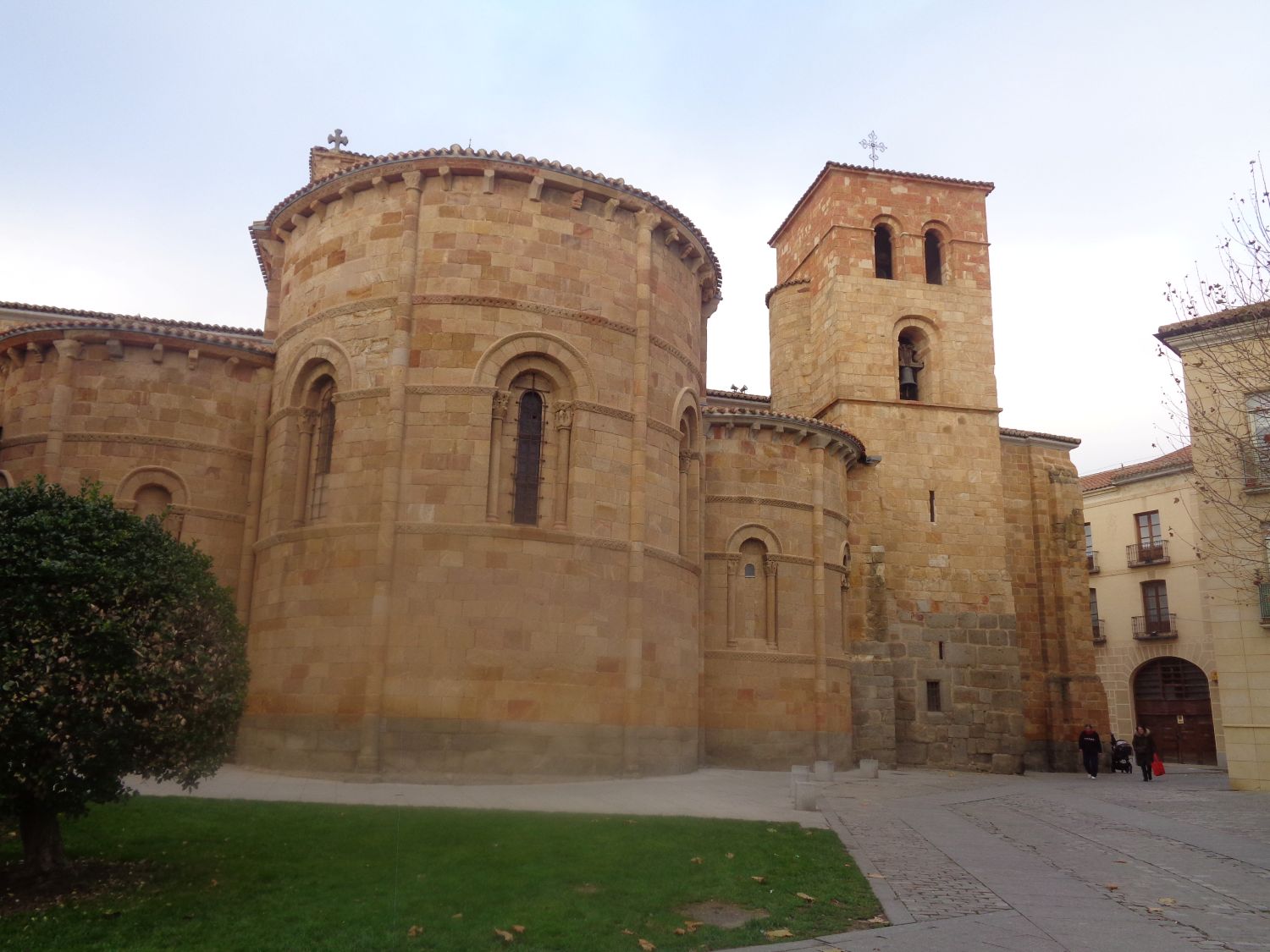
The Basílica de los Santos Hermanos Mártires, Vicente, Sabina y Cristeta, or Basilica of the Holy Brothers Martyrs, Vicente, Sabina and Cristeta, aka Basilica of San Vicente, is a Romanesque basilica, the largest and most importance of the city after the cathedral ,and one of the most prominent works of this architectural style throughout Spain. It is located at Plaza de San Vicente, 4, The construction began in the 12C in Romanesque style and ended in the 14C, with the auction of the North Tower. The final phase of this has been attributed to the French master Giral Fruchal, introducer of the Gothic style in Spain and also participated in the construction of the cathedral. The general structure is similar to Latin basilicas. It consists of a Latin cross, three nerfs of 6 sections, cimborrio, stands, three apses, atrium, two towers and crypt.
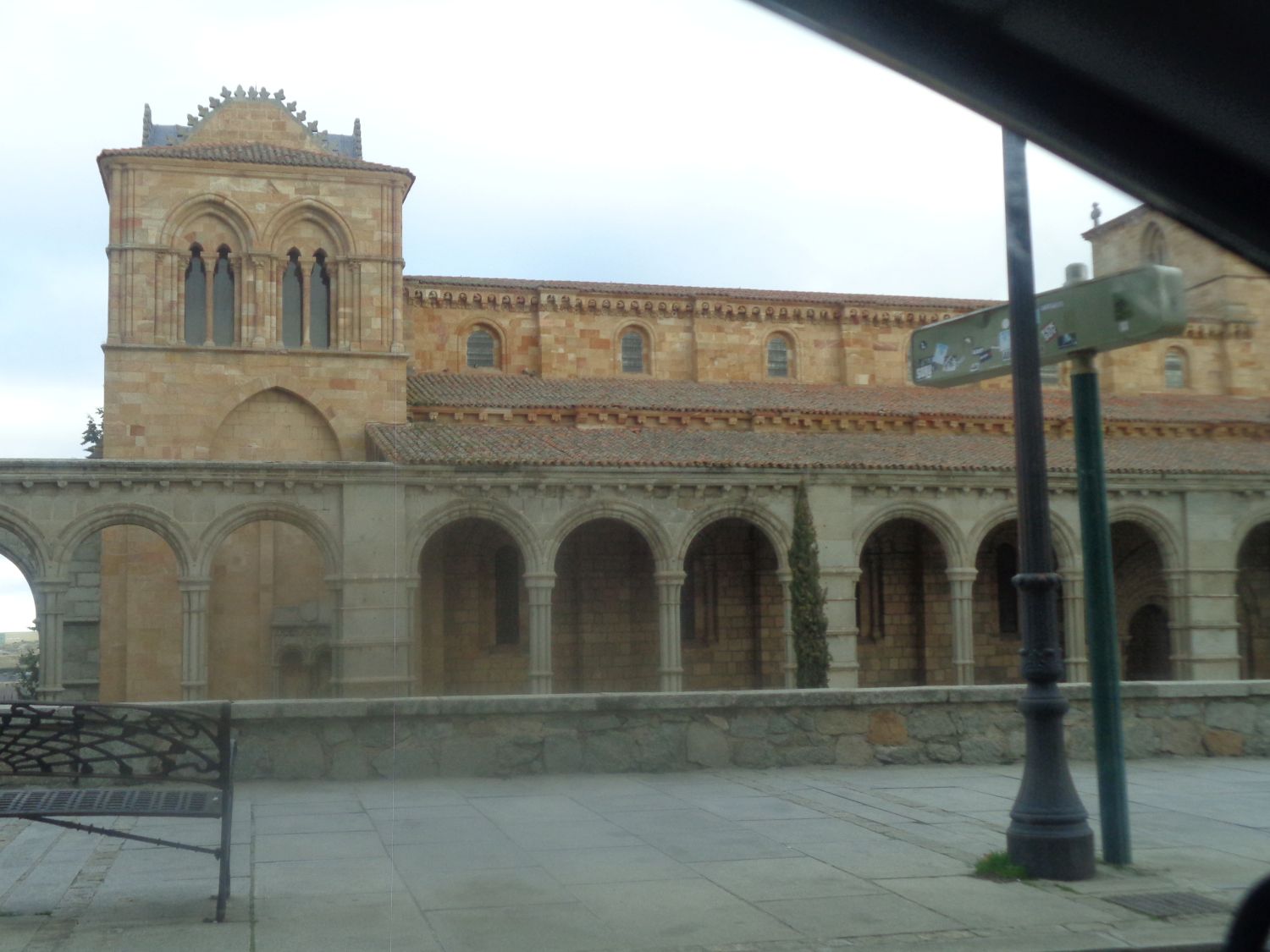
The Basilica San Vicente is on a Latin Cross style, with three naves topped in semicircular apses and another very elongated transept, Cimberrio, Atrium, two towers (unfinished) and crypt. The pillars are from Greek Cross on cylindrical plinths, with embedded semicolumns. The naves are covered with dome vaults, resting on the sides the stands, of biforous openings ,divided into two parts, while the apses have cannon vaults and at their baking ends. The oldest parts are the triabsidal header and the transept. After a break in the works, they resumed in the mid -12C, being the western facade, with its door of great archivol decorated with figures of Christ and its apostles. The crypt is divided into three chapels, located under each of the apses. In the central is the Romanesque image of the Virgen de la Soterraña, patron saint of the city along with Santa Teresa. The body of this image was hidden for centuries for clothes, for the fashion that was to dress the virgins, until a restoration in the 1980s returned to its splendor. But the most prominent element of the interior of the basilica is undoubted the cenotaph (it does not house the remains, which, as indicated in some polls on the main altar, but is a commemorative funeral monument) of the Holy Saints, Vicente, Sabina and Cristeta. Polychrome stone, is one of the most outstanding works of Romanesque sculpture in Spain, also being in a magnificent state of conservation.
A bit of history tell us that in the year 306, during the persecution of Dioclecian, and by order of the Praetor Dacian , according to the fourth edict of the persecution, of 304. According to tradition, their bodies were deposited in a rock hole, subsequently building the current basilica (the rock would be the one that can be contemplated in the right chapel of the crypt ). Due to the insecurity of the Muslim incursions, in 1062 King Ferdinand I de León y Castilla ordered that the remains be transferred to the monastery of San Pedro de Arlaza (Burgos) until in 1175, with the advance of the reconquest and the displacement of the south border, the bodies returned to their original placement, in which by then the construction of the current basilica had already begun (around 1130). Subsequently, a new transfer was made in 1835 to the collegiate of San Cosme and San Damián de Covarrubias from where they went to the chapel of the relics of the Cathedral of Burgos until they finally returned to San Vicente, where they were deposited inside a few urns placed on the main altar.
The official Basilica San Vicente : https://basilicasanvicente.es/
The Avila tourist office on the Basilica San Vicente : https://www.avilaturismo.com/en/basilica-of-st-vivente
The Castilla y Léon regional tourist office on the Basilica San Vicente : https://www.turismocastillayleon.com/en/heritage-culture/churches-chapels/basilica-san-vicente
The City of Avila approve site for sites reservations : https://articketing.vocces.com/
The Unesco world heritage site on the old town and intramuros churches of Avila : https://whc.unesco.org/en/list/348/
There you go folks , another wonderful nostalgic, sentimental trip to my dear Spain, Do not know when we will be back, we sure will have this trip in our hearts forever, Again, hope you enjoy this post on the Basilica of San Vicente of Avila !!! as I
And remember, happy travels, good health, and many cheers to all !!!

 Paris1972-Versailles2003
Thank you for your being so kind by following my site, your likes, and your comments.
LikeLiked by 2 people
You are welcome: same to you
LikeLiked by 2 people
Thank you very much
LikeLiked by 2 people