
I am again found me old paper pictures of dear places and wonderful memories, that can keep in my blog for the memories of always. We said Spain is everything under the sun !!! I came to the City long time ago, and many friends and honorary member of peña Albaicin of the Real Madrid CF in Granada ! let me tell you a bit on these monuments and do read/see my other post on them. Some of the monuments that are a must to see in my dear Spain, Therefore, here is my take on the Alhambra of Granada !!! Hope you enjoy it as I.
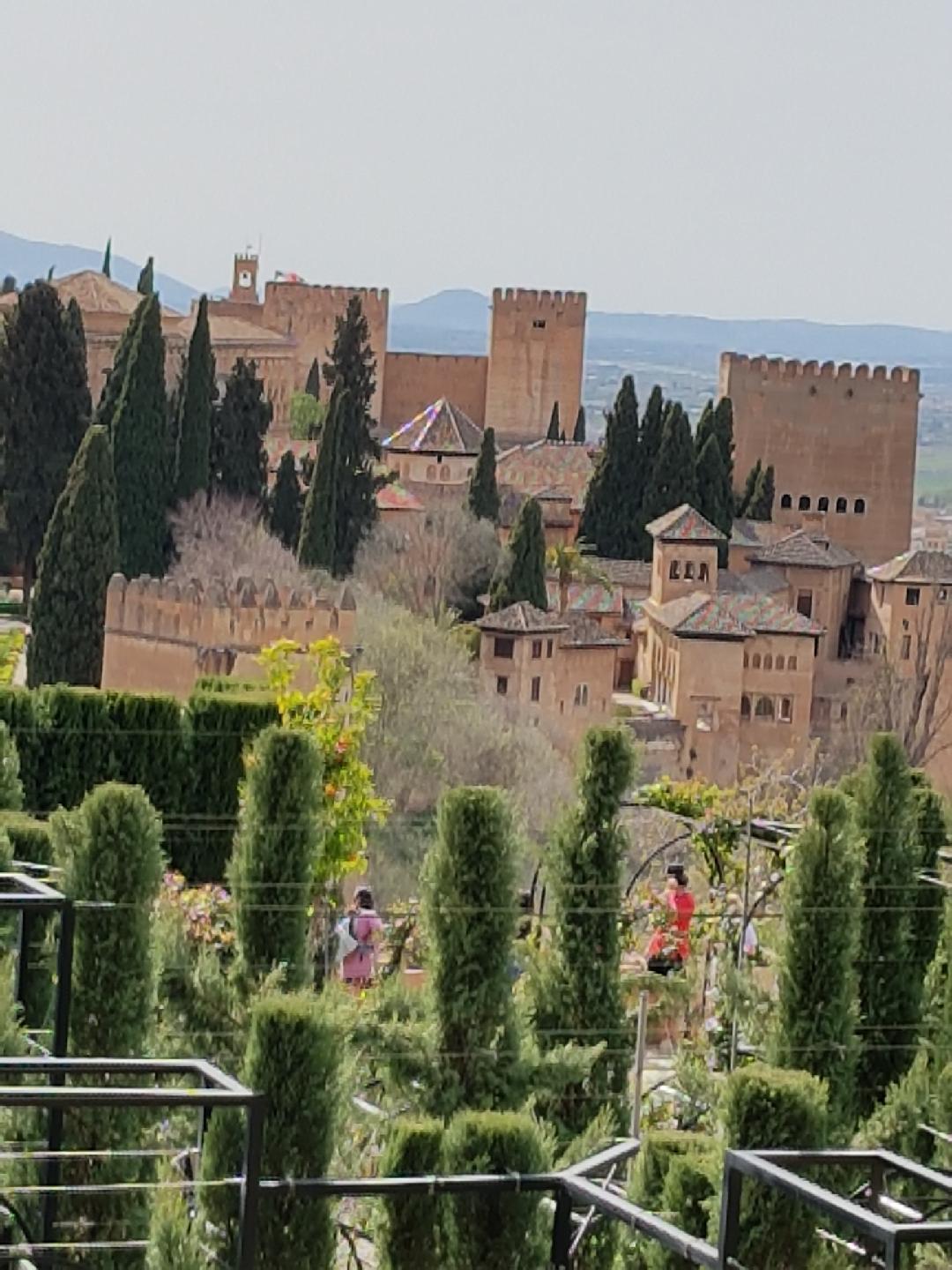
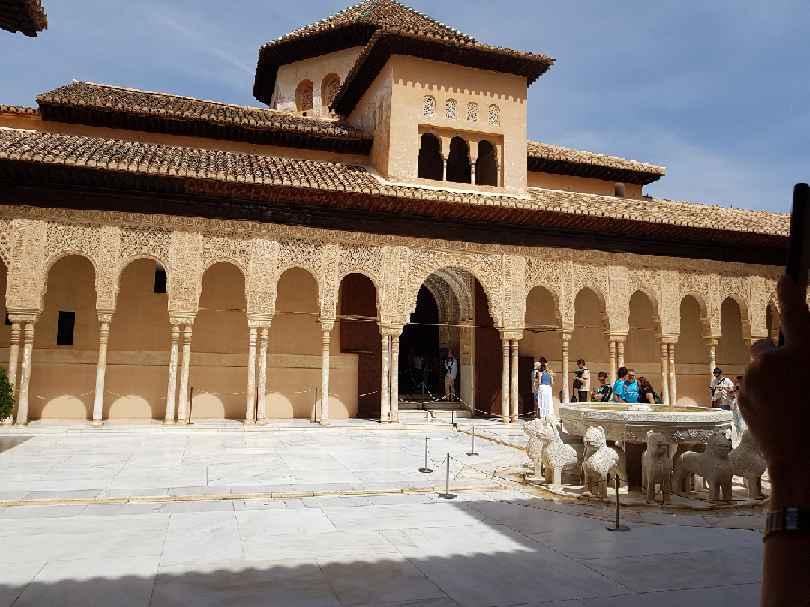
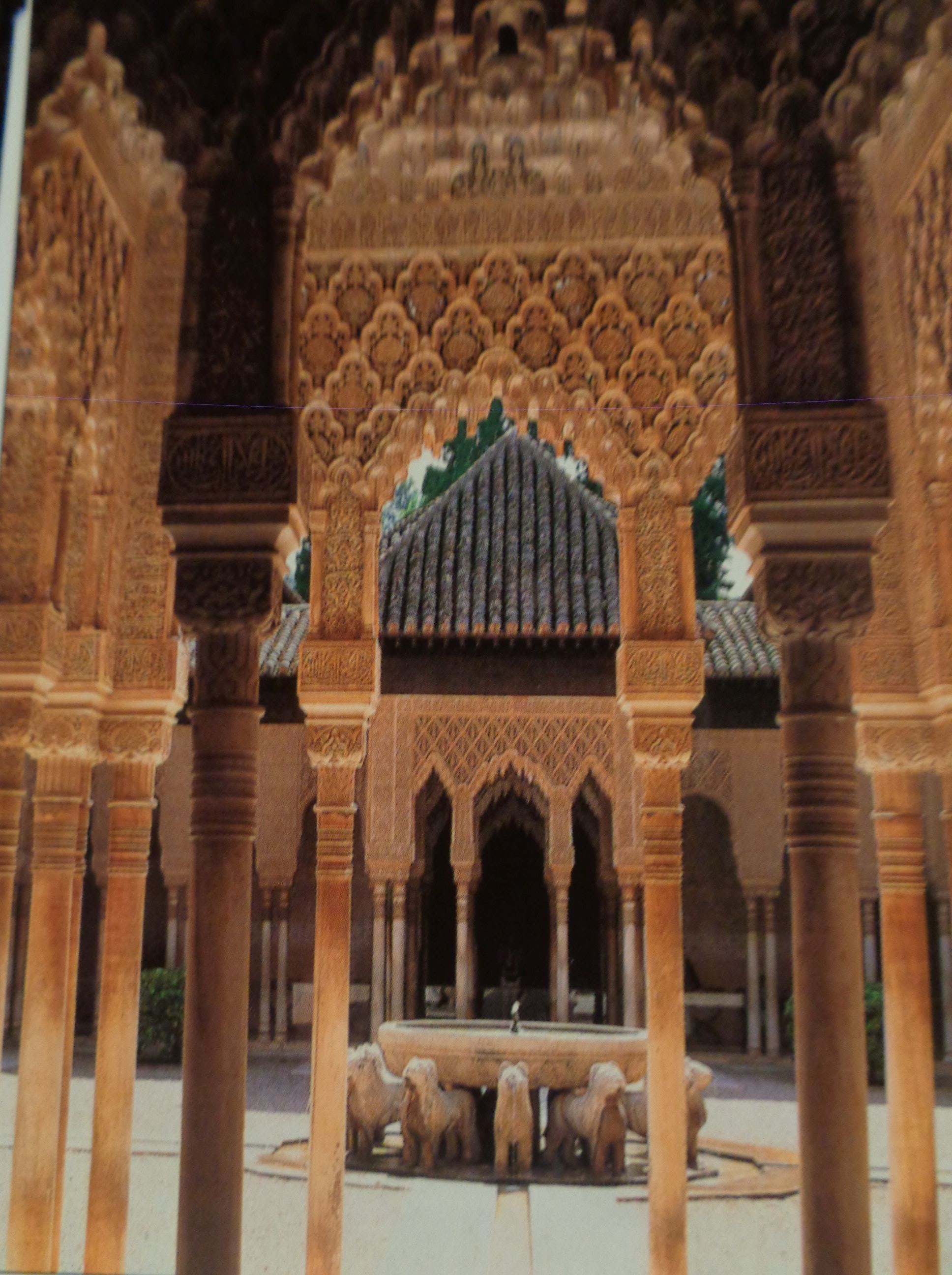
The Alhambra is a superb set of constructions and gardens. The trees are dense there, and give pleasant shadow and freshness, embellished by the abundant water and streams. It was the largest political and aristocratic center of the Muslim West. The Palace enclosure is made up of great beauty rectangular shape, with many fountains, without forgetting the Nasrides buildings where kings and their servants remained. The oldest building is Alcazaba. One of the most important constructions is the watchtower, which offers a spectacular panorama of the Alhambra. The Alhambra had become the royal residence and the court of Granada, in the middle of the 13C, following the establishment of the Nazarí kingdom and the construction of the first palace, by the founding king Mohammed Ibn Yusuf Ben Nasr, more known under Alhamar. Throughout the 13C 14C and 15C, the fortress has become a citadel with high walls and defense towers, which houses two main areas: the military zone or Alcazaba, the royal guard barracks, and the medina or palace city, where the Nazari palace and the remains of the houses of the nobles and the commoners who lived there. The Palace of Carlos V (which was built after the city liberated in 1492 by Catholic kings), is also in the medina. The name Alhambra has its origins in an Arabic word meaning “Red or purple castle”, perhaps because of the shade of the towers and walls which completely surround the Sabica hill, which is under the light of silver stars, but under the sun takes on a golden shade. There is no reference to the Alhambra as a royal residence until the 13C, although the fortification existed from the 9C. The first kings of Granada, the Ziritas, had their castles and palaces in the hills of Albaicin, and there are still some. The Ziries monarchs were most likely the emirs that built the Alhambra, from 1238. The founder of the dynasty, Muhammed al-Ahmar, began with the restoration of the old fort. His work was completed by his son Muhammed II, whose immediate successors continues with repairs. The construction of palaces such as the Casa Real Vieja or old royal house dates from the 14C and is the work of two great kings: Yusuf I and Muhammed V. When you are the first is attributed, among others, the Cuarto de Comares, the Puerta de la Justicia, the thermal baths and a few towers. The latter son, Muhammed V, finished the embellishment of the palaces with the Salon de Leones or Lions room, as well as other rooms and fortifications.The lions court and its fountain form one of the most beautiful sets of the enclosure. The Alhambra became a Christian court in 1492 when the Catholic kings conquered Granada. Subsequently, several structures to house the notables, the military barracks, a Franciscan church and monastery were built.
The Granada tourist office on the Alhambra : https://turismo.granada.org/en/alhambra-granada
The official Alhambra ticket purchase and reservation :https://tickets.alhambra-patronato.es/en/
There you go folks, one of the best of my Spain, and plenty to see in architecture, history, personalities, and monuments, you should be there and we will be back, eventually, Again,hope you enjoy this post on the Alhambra of Granada !!! as I
And remember, happy travels, good health, and many cheers to all !!!

 Paris1972-Versailles2003
Thanks for the memory nudge,
LikeLiked by 2 people
Glad it does, thanks for stopping by Cheers
LikeLiked by 1 person
Granada is a great place to visit. We were there on the national day, 12 October (2023).
LikeLiked by 2 people
Excellent day to be there. I was and I am local member of supporting group of Albaicin there football Real Madrid CF!! Thanks for stopping by Cheers.
LikeLiked by 2 people