
We are back to my dear Spain again !! love it !! We came by car of course and took time to see new areas and old repeat with some of them as introduction to my sons and our dog Rex ! I came into Tordesillas after several years and it was sublime ! I like to finish my road warrior stories for Tordesillas,This is a huge masterpiece that requires more than one post, a must to see and we will be back, eventually. Let me take you to the Real Monasterio de Santa Clara of Tordesillas !!! Hope you enjoy the post as I.

The town of Tordesillas is located in the province of Valladolid and the autonomous community of Castilla y Léon in the kingdom of Spain, It is 33 km from Valladolid City , 11 km from our rental house in Velliza, and 183 km from Madrid, We walked all over the small town, and saw wonderful monuments. I like to keep them in my blog for the memories of always and return, eventually.
The Real Monasterio de Santa Clara or Royal Monastery of Saint Claire is located on the cornice of the Duero River, protected by the old city walls. It is a complex of buildings that group together the monastery of the Claristas (Clare) nuns, plus the rooms of the old palace, plus the Arab baths. Originally it was a Mudejar palace, called Pelea de Benimerín, built by order of King Alfonso XI around 1340 in commemoration of the Battle of Salado, financed with the spoils obtained from said battle. It served as the residence of Leonor de Guzmán, Alfonso XI’s favourite. Pedro I finished the works begun by his father and gave it to his daughters Beatriz and Isabel in 1363 to convert it into a convent. When the convent was founded, permission had to be requested from the diocese of Palencia, since the town belonged to that diocese from 1059 to 1595. The first thirty owners, probably Claristas nuns from the Royal Monastery of Santa Clara de Astudillo, founded by María de Padilla, were in charge of praying for the souls of deceased relatives and for the health of the king. The monastery received several donations and privileges from royalty, one of the largest was from Juana Alfonso de Castilla, who retired there after being widowed and ceded her lordships of Medina de Rioseco, Tordehumos and Cuenca de Campos.

The Royal Monastery of Santa Clara welcomed several women of high nobility, such as the aforementioned Juana Alfonso de Castilla and her daughter Leonor who professed there, as well as the widowed queen Juana Manuel. Within the walls of the monastery lived Leonor Téllez de Meneses, imprisoned there by her son-in-law, King John I of Castile in 1384, for conspiring against him, as well as Leonor de Alburquerque, the mother-in-law of John II of Castile, accused of treason. At Christmas 1808, during the War of Independence, Napoleon Bonaparte himself stayed in this convent during the night of 25-26 December due to a heavy snowfall, The body of Queen Juana I of Castile rested in this Royal Monastery for several years. From her time you can see the positive organ that is believed to have belonged to this Queen.
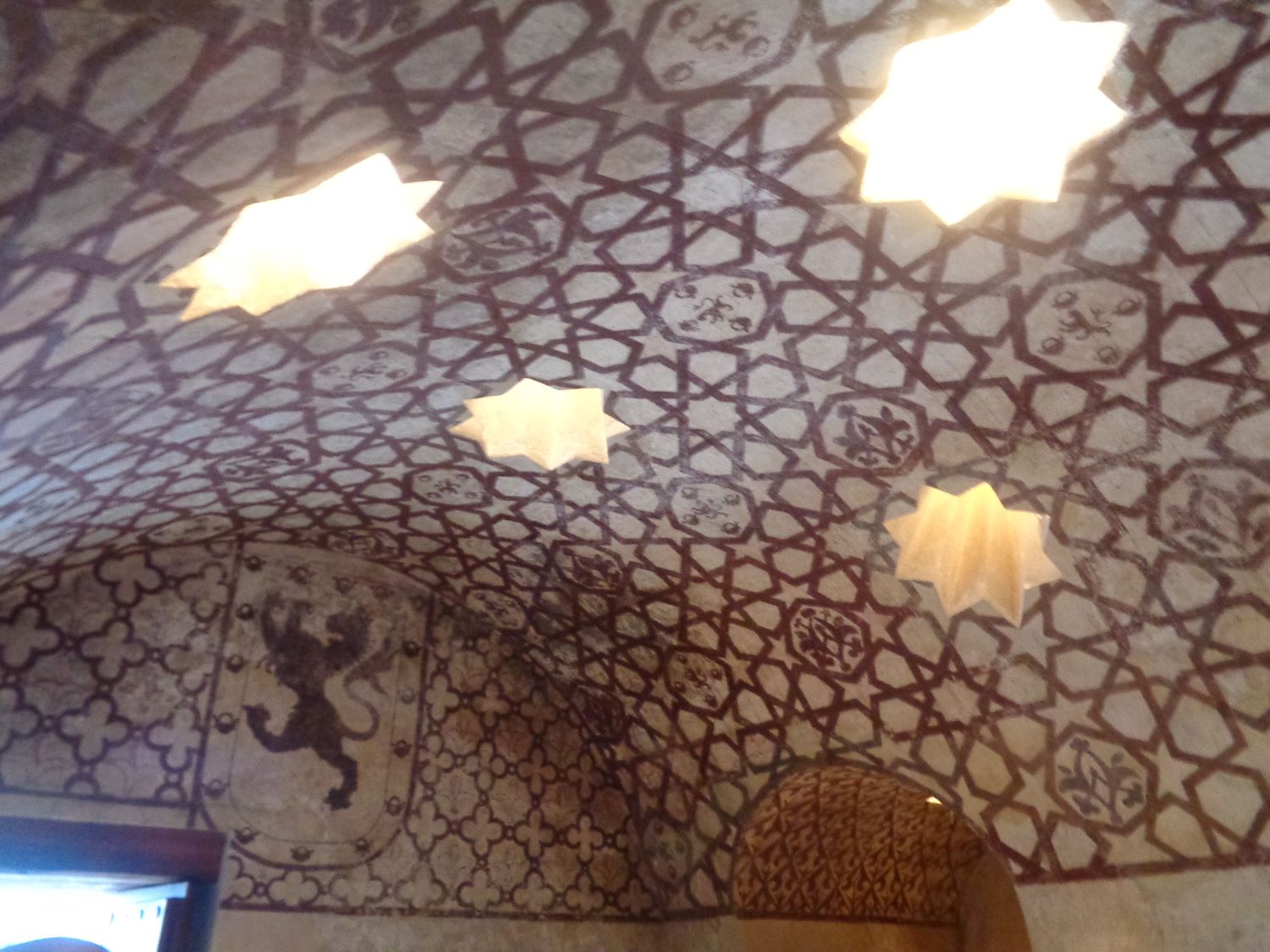
The Royal Monastery of Santa Clara is accessed through a courtyard , where the façade called Alfonso XI is located. On either side there are two Christian tombstones . On one of them is written the chronicle of the Battle of Salado. You enter the Mudejar chapel. This room was originally a hall. It has a square floor plan and a brick ribbed vault, a door with lobed arches and latticework decoration plus Arabic inscriptions. From here you can visit the Mudejar courtyard which has lobed and horseshoe arches with plaster spandrels with plant decoration. The ornamentation of the courtyard is imitation Muslim. The Arab baths, built following the model of other Arab baths of the 11C, are closely related to the Islamic examples of Andalusia and the Levante, with rooms regulated by water and steam of staggered temperature with the hypocaust system.
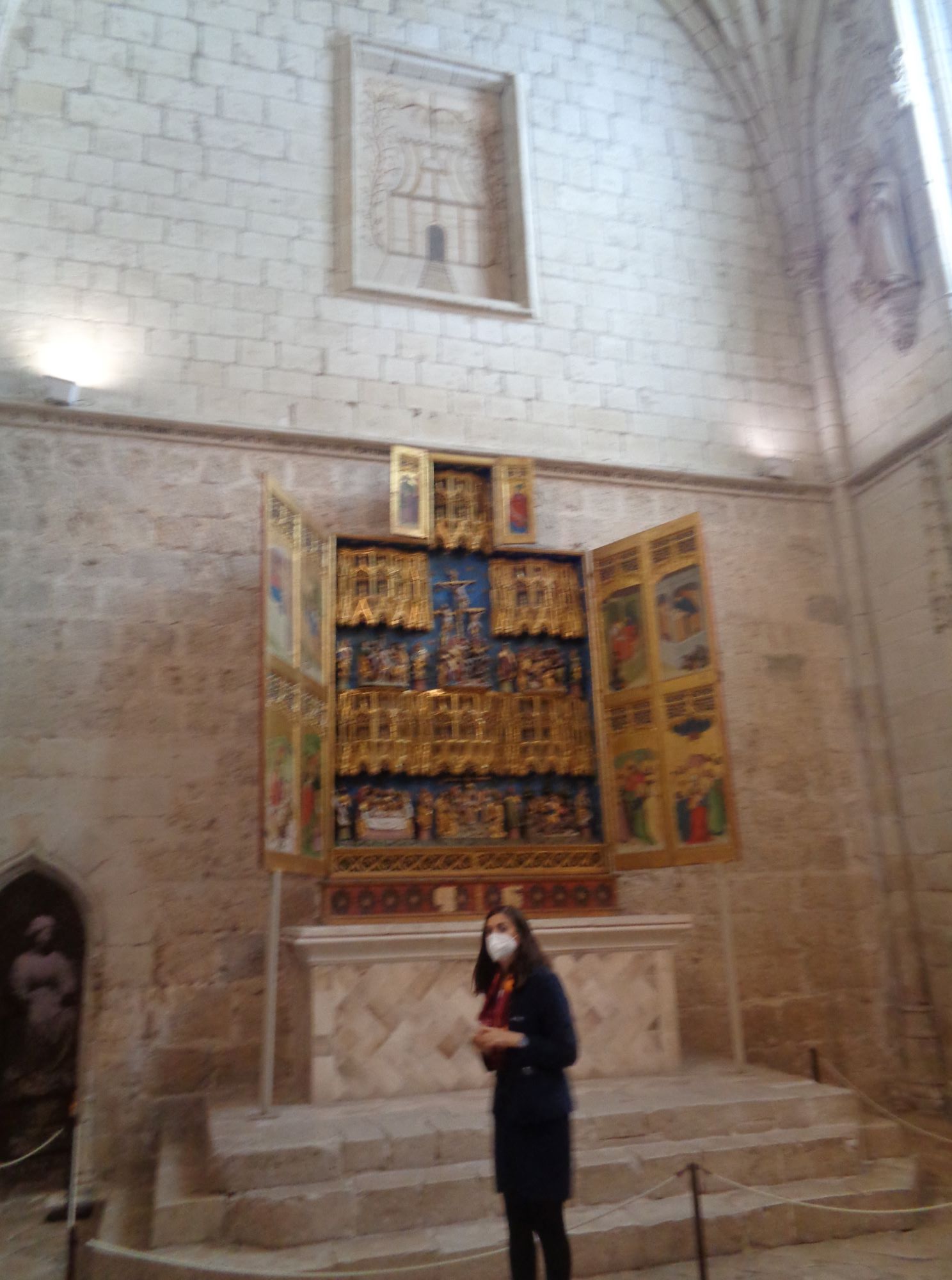

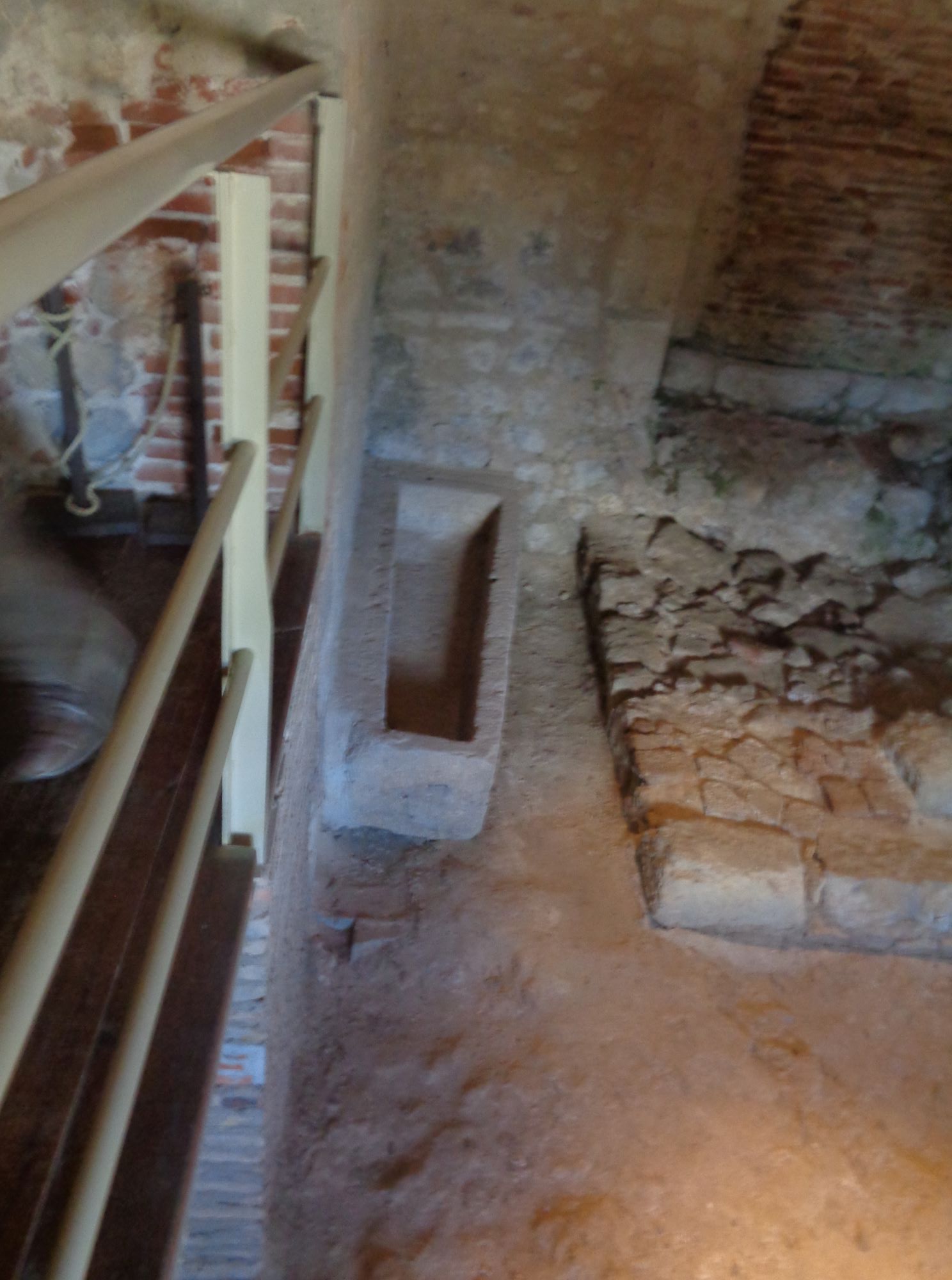
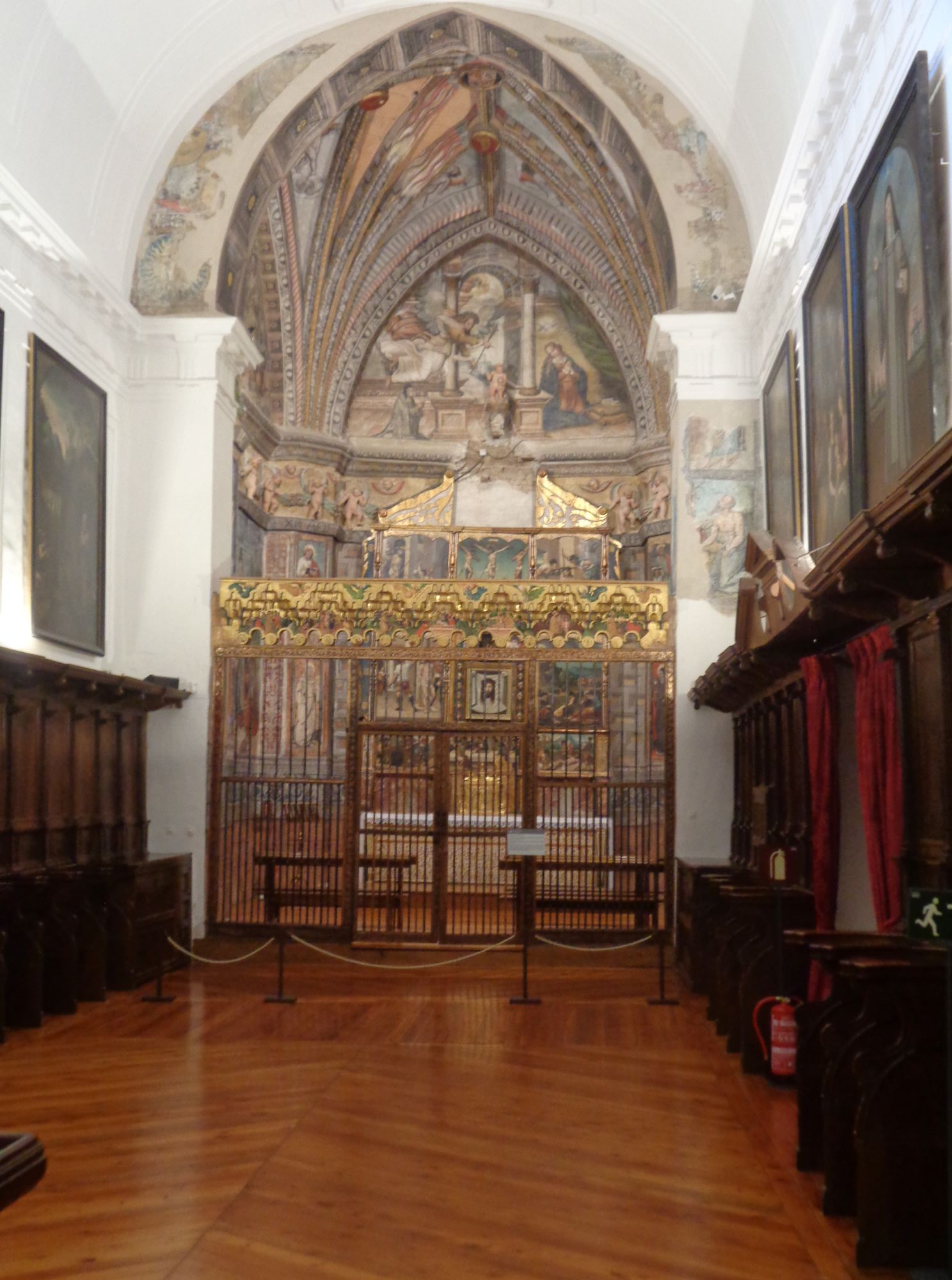
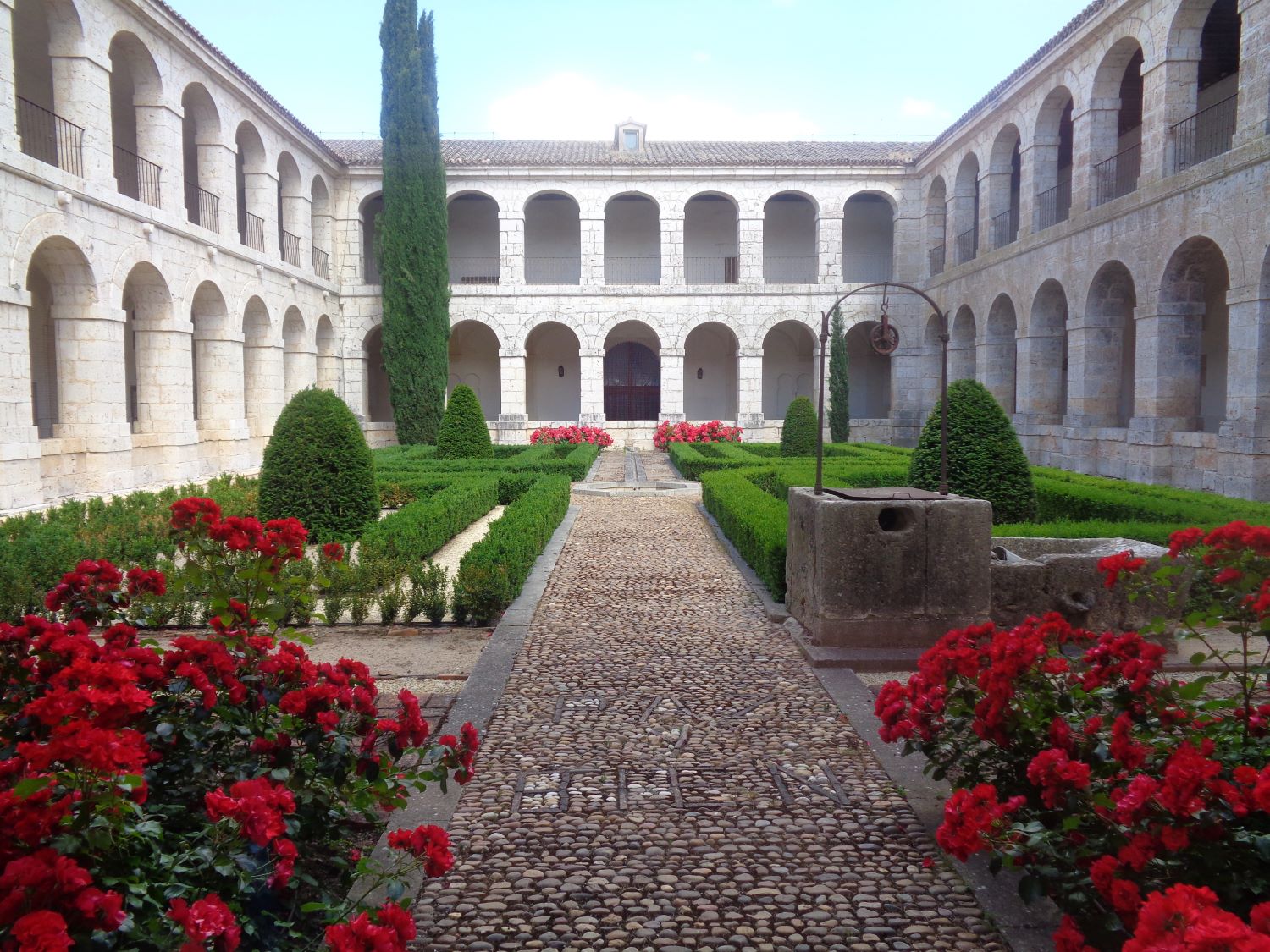
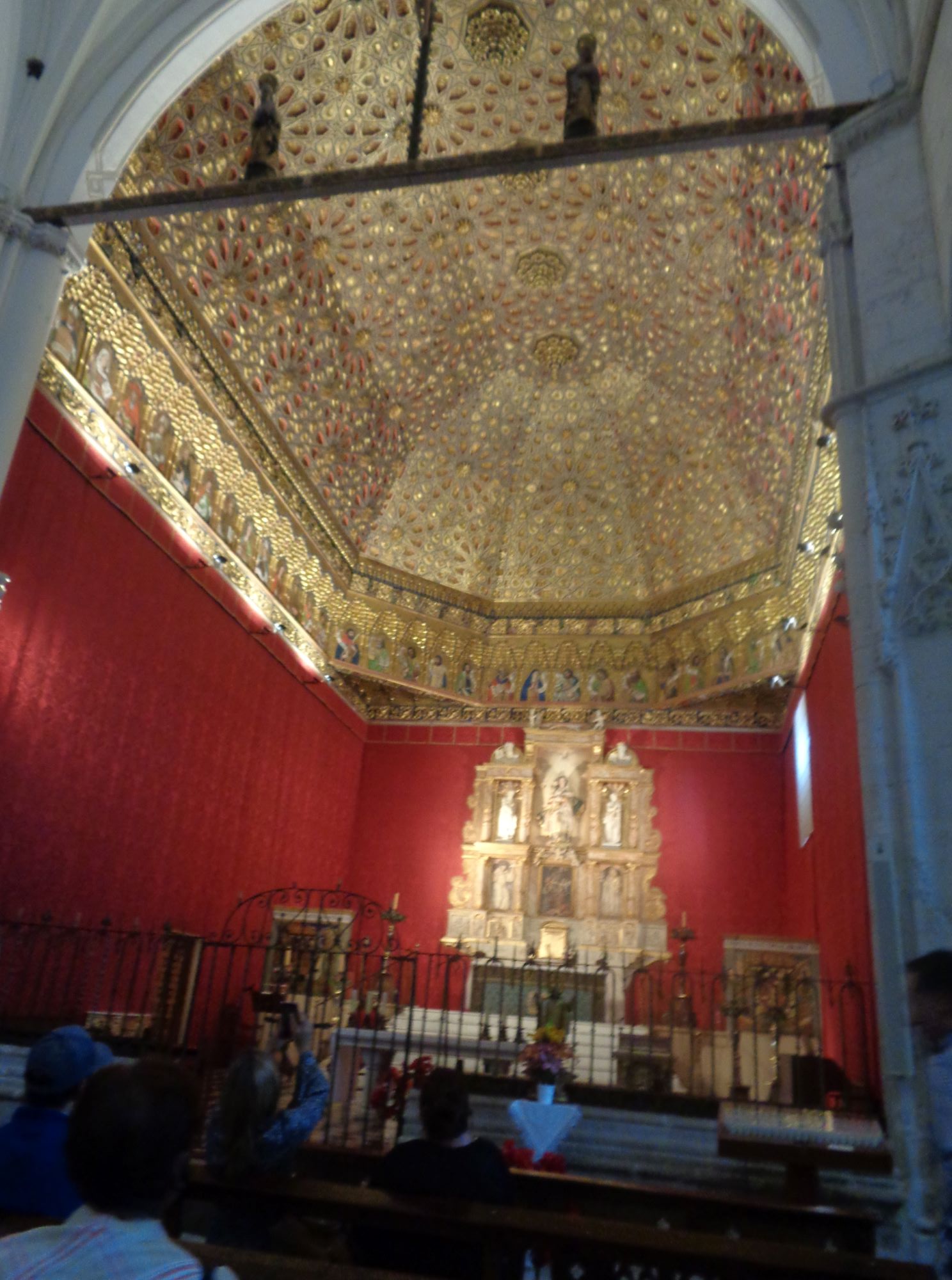
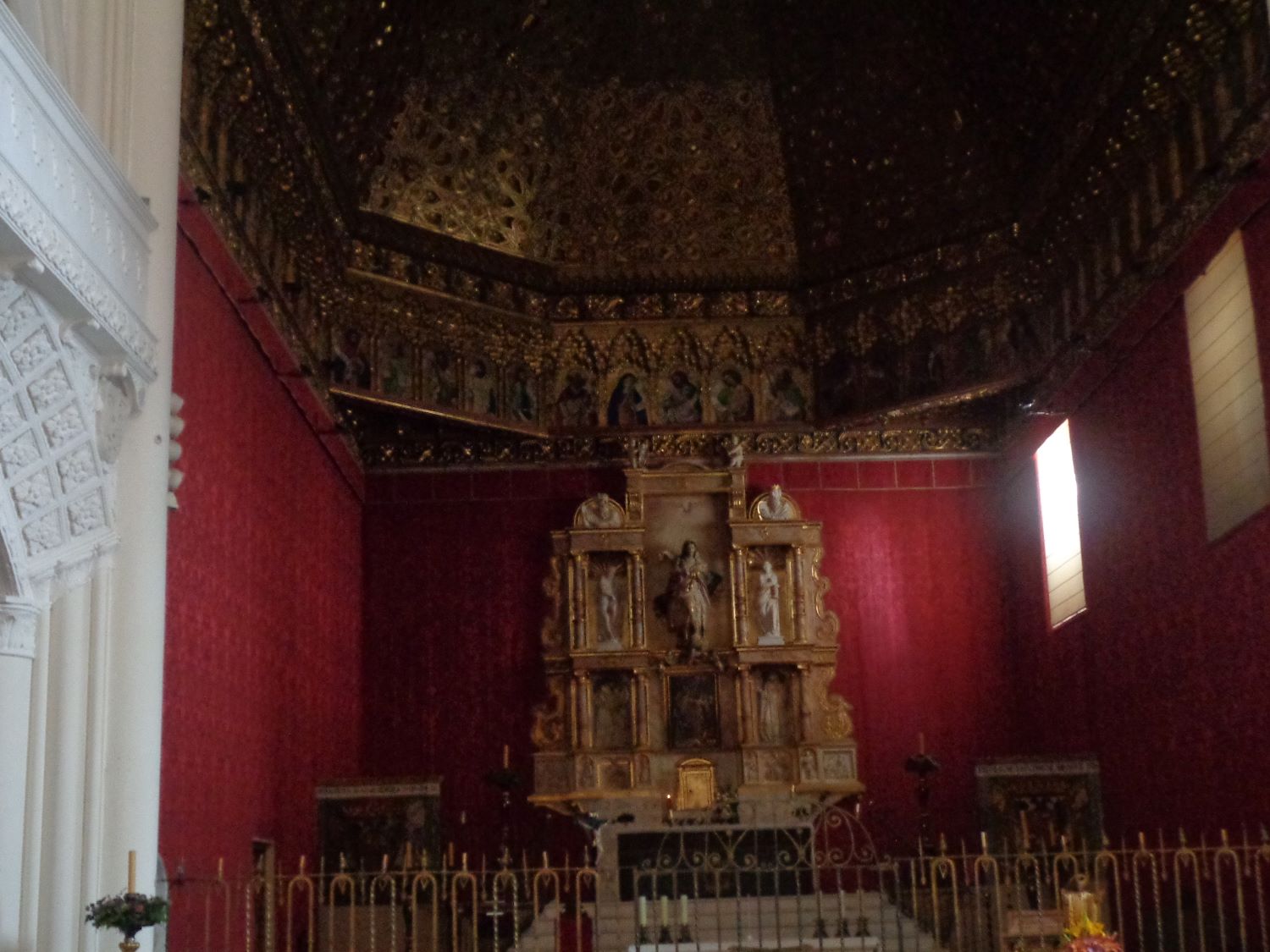
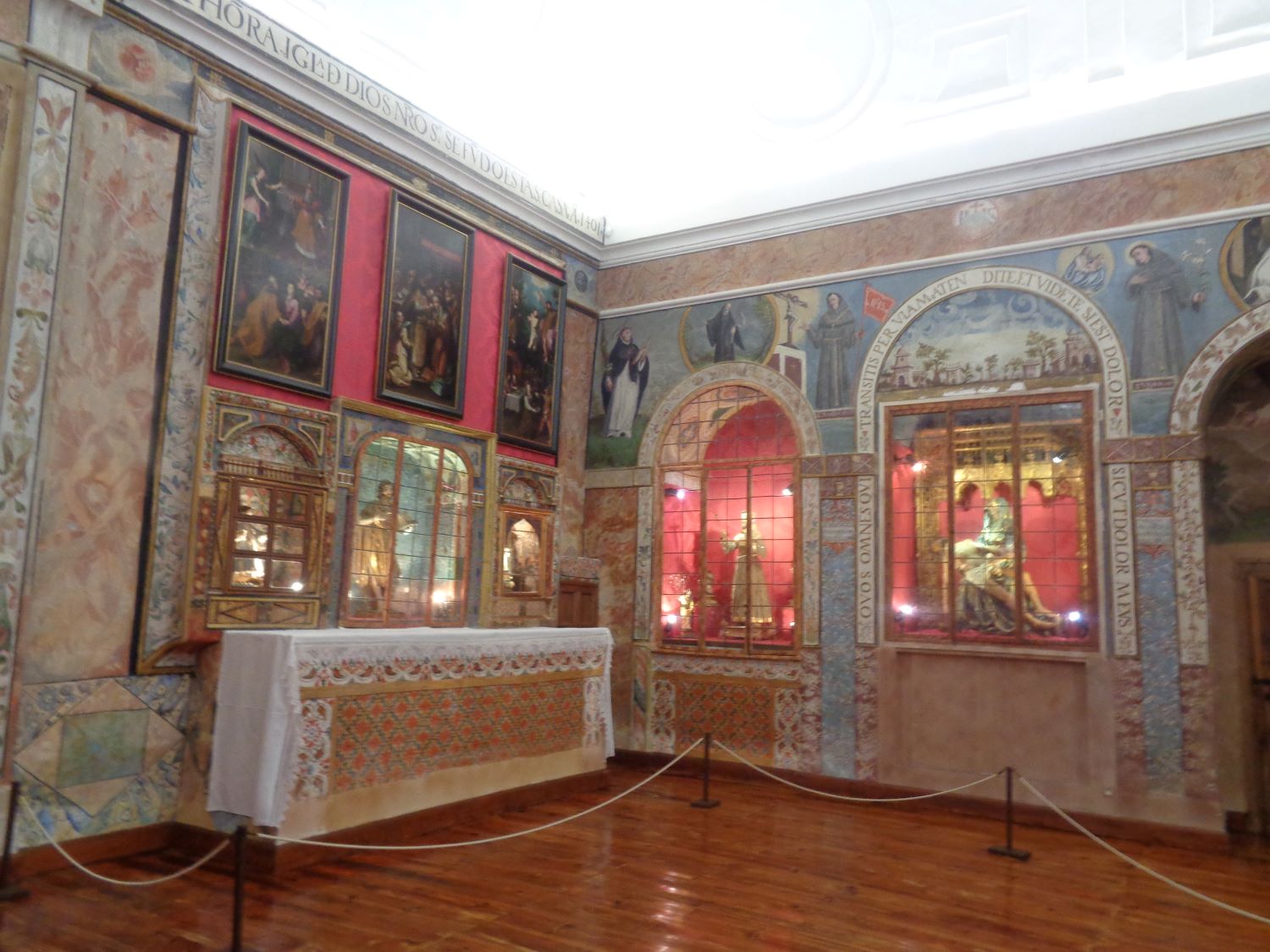
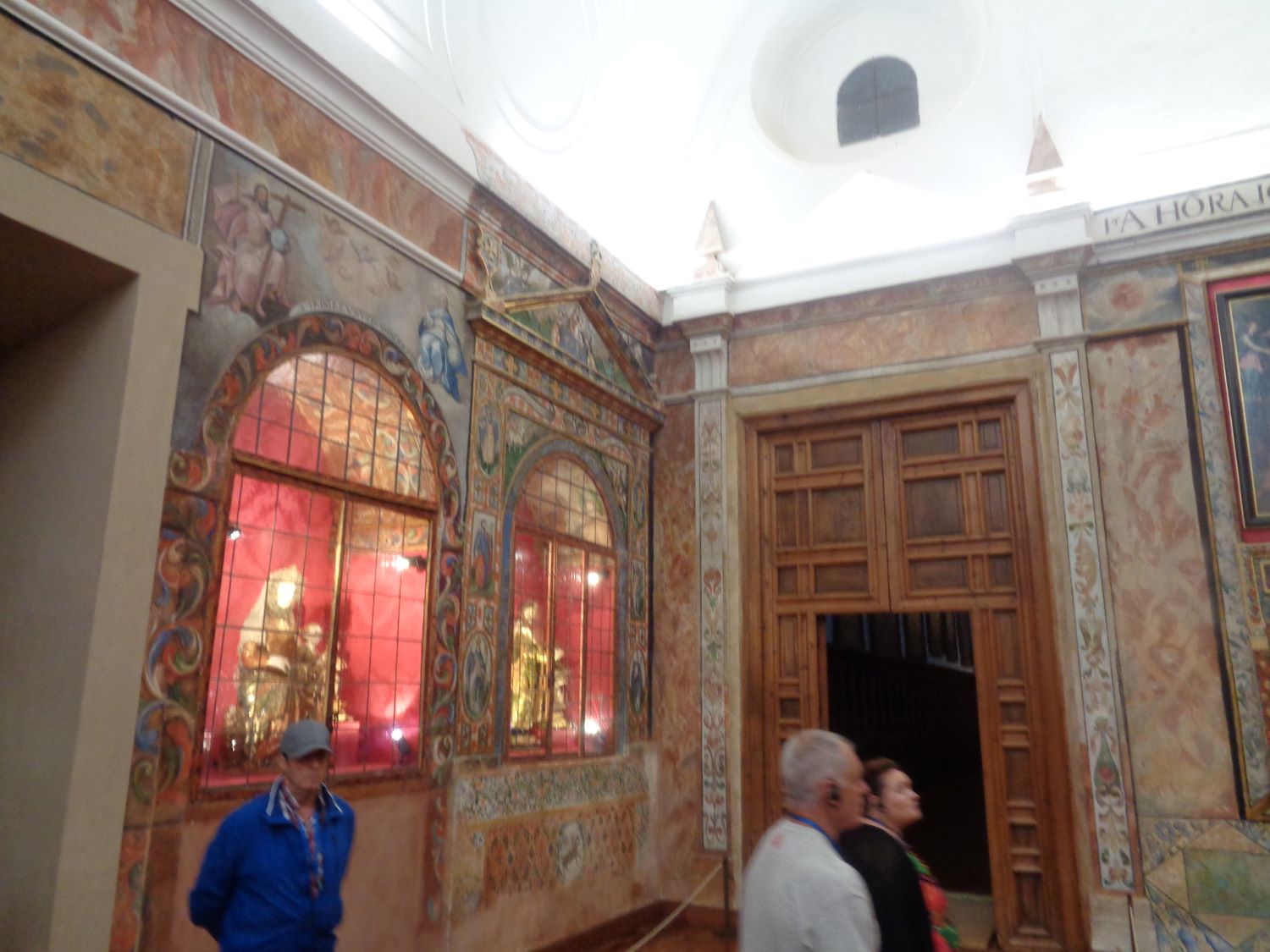
The Gothic church with a single nave with ribbed vaults. Built in stone and brick of monumental Mudejar framework in the main chapel, one of the best examples of this art in Spain. In the decorative frieze where the structure rests, beautiful Gothic paintings depicting Christ, Mary and various saints. The Saldaña chapel is from 1430. It has elegant sculptural decoration and an exceptional altarpiece in the form of a triptych. The community choir was the main hall of the palace. The stalls are from the 17C. The gilded chapel is connected to the old refectory where the furniture and decoration of the last reform of 1590 are preserved. Cloister or courtyard of the Vergel built on the site occupied by the so-called Patio del Vergel of the original palace. There are remains of a polychrome plaster arch, found in the last restoration. The current architecture is classicist from the 17C.
The National Heritage of Spain on the Real Monasterio de Santa Clara of Tordesillas: https://www.patrimonionacional.es/en/visita/royal-monastery-santa-clara-tordesillas
The Tordesillas tourist office on the Real Monasterio de Santa Clara: https://www.tordesillas.net/-/real-monasterio-de-santa-clara-museo
The regional Castilla y Léon tourist office on the Real Monasterio de Santa Clara of Tordesillas: https://www.turismocastillayleon.com/en/art-culture-heritage/monasteries/monastery-santa-clara
The province of Valladolid on the Real Monasterio de Santa Clara of Tordesillas: https://www.provinciadevalladolid.com/en/-/real-monasterio-de-santa-clara
There you go folks , another wonderful nostalgic, sentimental trip to my dear Spain, Tordesillas was a pleasant quant, historical, near our house, I love it, We will be back ,eventually!, Again, hope you enjoy this post on the Real Monasterio de Santa Clara of Tordesillas !!! as I
And remember, happy travels, good health, and many cheers to all !!!

 Paris1972-Versailles2003