
We are back to my dear Spain again !! love it !! We came by car of course and took time to see new areas and old repeat with some of them as introduction to my sons and our dog Rex ! I rented a small house in a off the beaten path country town that was just perfect ! I like to continue my road warrior stories with an introduction to Valladolid, Therefore, here is my take on this is Valladolid !!! Hope you enjoy the post as I.
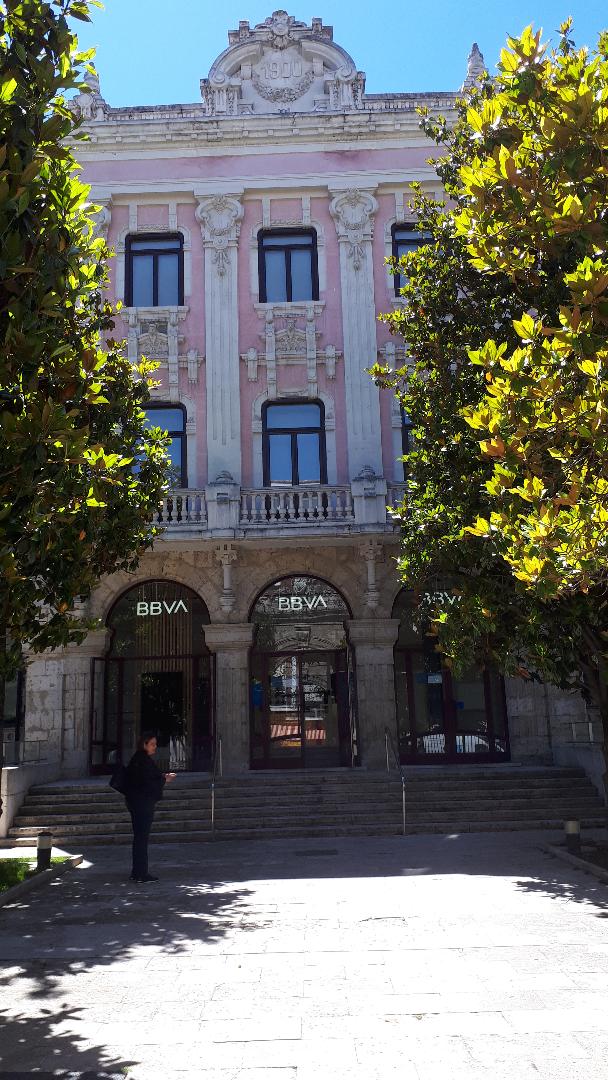
The town of Valladolid is in the province of Valladolid, in the Autonomous Community of Castilla y Léon, only 202 km from from Madrid, I leave you here with some pics on the wonderful architecture. The city has a loadful of things to see needing more time than this road warrior had ,but some of the places seen (see posts ) are:
On Calle Fray Luis de Granada ,José Zorrilla lived, and welcomes the Zorrilla Museum House. Plaza de España; Plaza de Colon the Monument to Columbus , Casa Cervantes, the oldest and most emblematic park of the city is the Campo Grande; Plaza Mayor Catedral de Nstra Sra de la Asuncion, Museo de Esculturas inside the,Colegio de San Gregorio ,palacio de villena Calle Fray Luis de Granada. The Puente Mayor bridge. In the Plaza de San Pablo, is the Church of San Pablo, on the opposite side of the square, the former Palacio Real, the corner with the Calle de Las Angustias is occupied by the Pimentel Palace, and Calle Cadenas de San Gregorio house the four units of the National Sculpture Museum; the Penitential Church Nuestra Señora de las Angustias , the Calderón de la Barca Theater. Behind the theater is the Archbishop Palace, The Plaza Mayor is the first regular square of Spain, the current one, has the City/town hall of four towers ,and in front of the city hall, in the place that occupied until the 19C the convent of San Francisco, the Church of San Benito el Viejo, the Palace of Villena and the Palace of the Count of Gondomar (Casa del Sol). The Plaza de la Rinconada, behind the City/Town Council, in which the Post and Telegraphs palace is, the Church of San Benito el Real, very close, the Church of San Miguel and San Julián, At Calle San Ignacio the palace of the Marqués de Valverde, and the Palace of Fabio Nelli, are accessed, for a small entrance. In the Plaza de las Brígidas is the convent of Las Brígidas, now converted into the General Archive of Castilla y León. The Penitential Church of Nuestra Señora de la Vera Cruz at the end of Calle de la Plateria ,the Collegiate Church Santa María la Antigua, the unfinished Cathedral Santa Maria ; Bordering the Campo Grande park, on the Acera de Recoletos, buildings are maintained from the late 19C and early 20C, The Casa Mantilla 1891, Casa Resines 1891, and Casa del Principe of 1906,
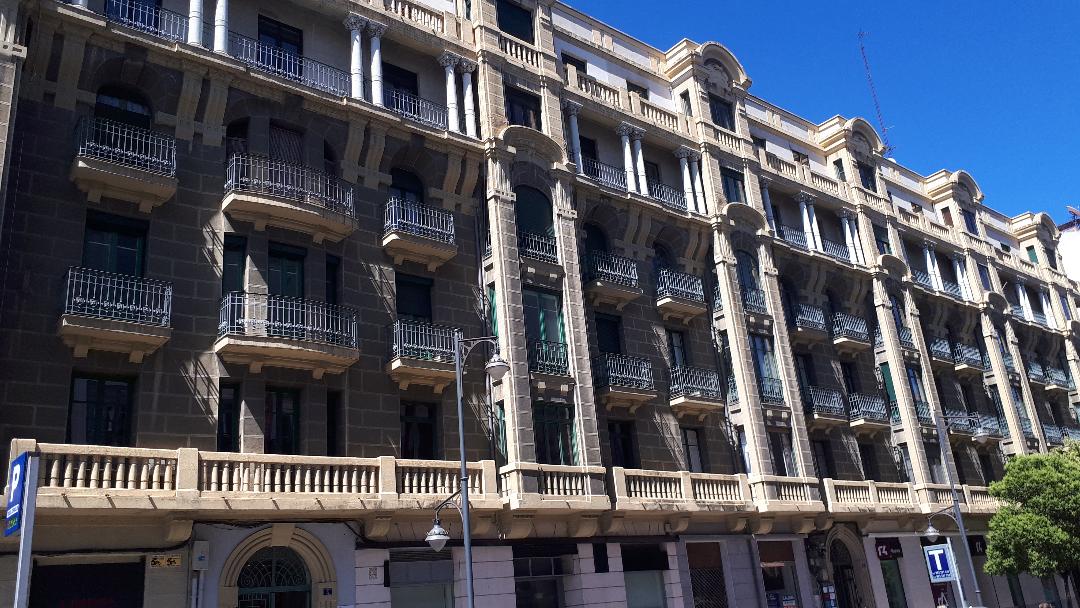
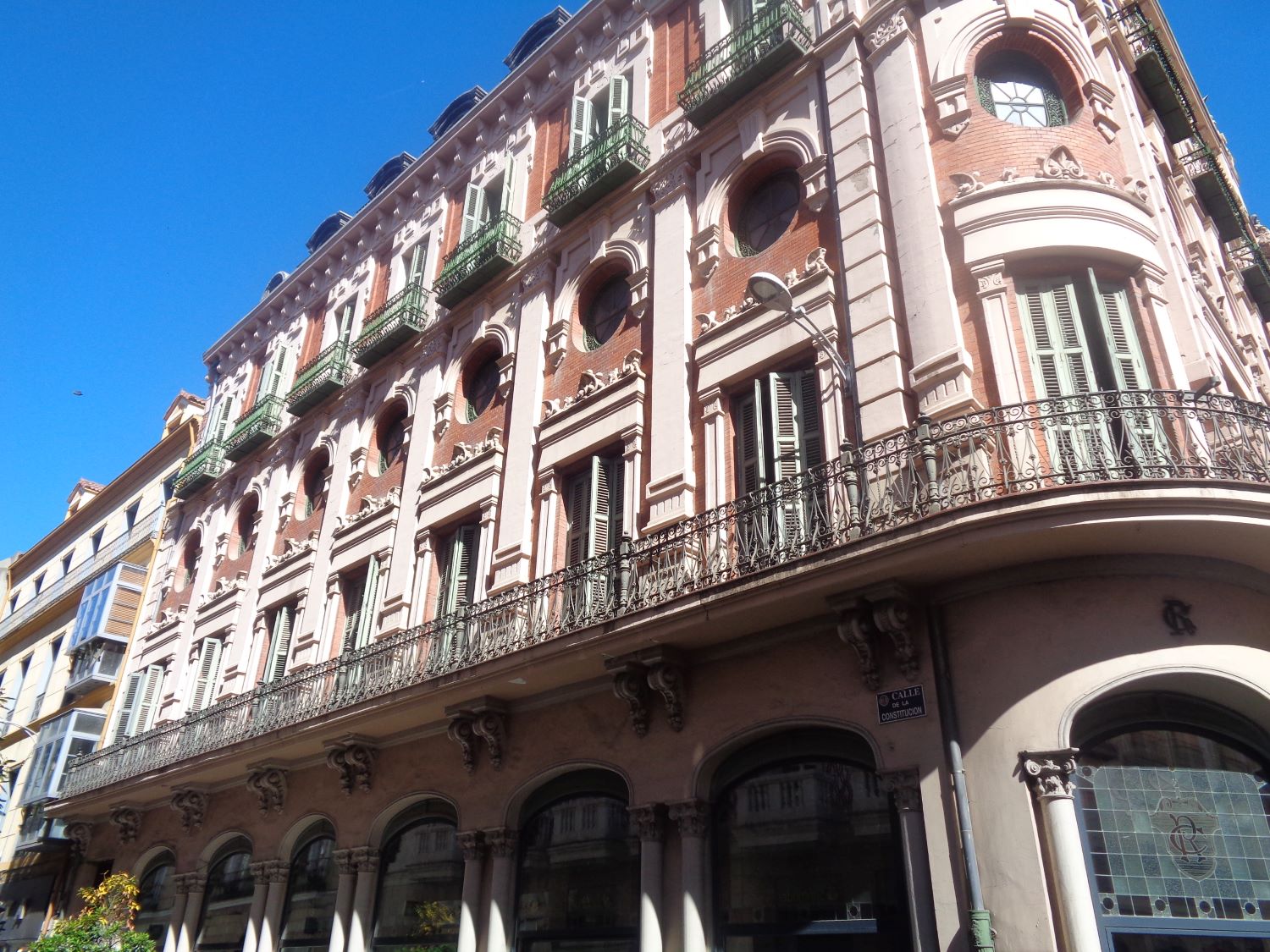
After crossing the Acera de Recoletos you reach the Plaza de Colón, the Paseo de Zorrilla is the main boulevard of the city, Calle Santiago , which flows into the Plaza Mayor and Calle Miguel Iscar , Calle Duque de la Victoria and the Plaza de España. The, Palacio de Santa Cruz first Renaissance building in Spain, erected from 1486. The Palacio de los Vivero, the Catholic kings (Fernando II and Isabel I) contracted marriage in 1469, and then decided their destiny as a Real Audiencia y Chancillería. Or royal audience and chancery, Cristóbal Colón (Christopher Columbus) died in Valladolid, on May 20, 1506, this building today houses the. Casa Museo de Colón on Calle Colon, is recorded that it was in the former convent of San Francisco located between Calle Santiago and Plaza Mayor where he died , in the Plaza de Colon the Monument to Columbus. In the Plaza de la Universidad ,the statue to Miguel de Cervantes Saavedra, with a period, pen and book in Ristre, the oldest and most emblematic park of the city is the Campo Grande; The National Museum of Sculpture inside the Cathedral of Our Lady of the Assumption is the Diocesan and Cathedral Museum, the Cervantes Museum House is located in the property occupied by the writer Miguel de Cervantes is also the headquarters of the Royal Academy of Fine Arts.
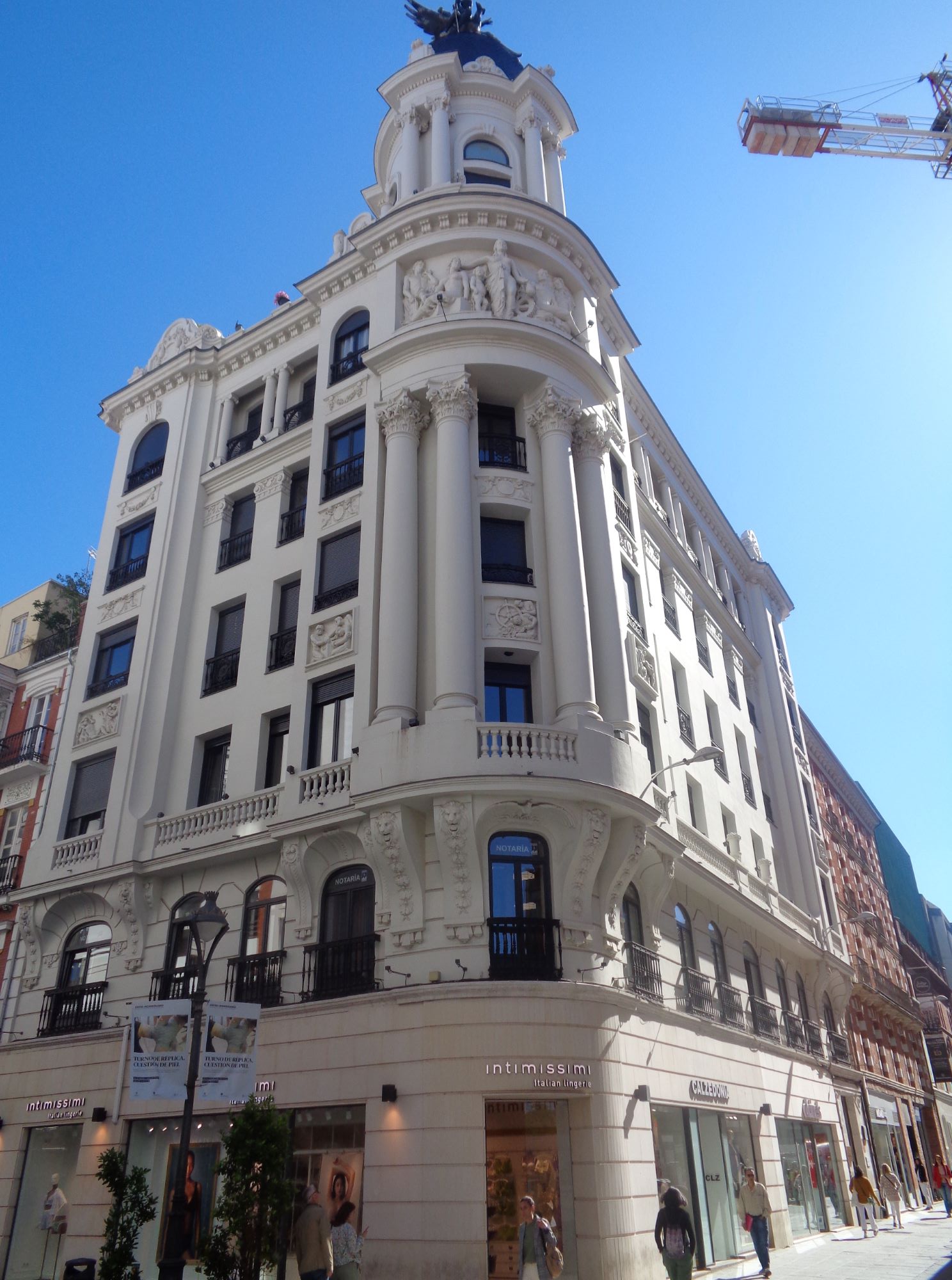
The Valladolid International Airport is located 10 km from the city, in the town of Villanubla, at about 846 meters above sea level, it was opened in 1938. The bus ride from the airport to the center of Valladolid takes about 25 minutes. Buses pass through the airport approximately every 90 minutes, between 8h and 21h. More on the Valladolid airport from AENA: http://www.aena.es/en/valladolid-airport/city-buses.html
By the road, the way I have come is easy and even more so now with the A-6, which allows you to reach Madrid in two hours as well as one hour from Segovia by the A601, Salamanca by the A62, Burgos by the A62 , and Zamora by the A11 and A62. The journey, by national road, does not reach two hours from León. The best way in Spain to drive other than a GPS is Guia Repsol for travel routes, tourist info, etc: https://www.guiarepsol.com/es/descubrir/
The Spanish High Speed (AVE) allows you to set foot in Madrid in just 50 minutes! In addition, thanks to the Avant train service, you can come from Madrid at almost any time of the day: Valladolid is also one of the towns integrated in the Ave Cities Network. More on the AVE network here:https://avexperience.es/online/valladolid.htm
Maybe long but feel need to have in the posts on Valladolid, a bit of history I like tell us that the reconquest of Valladolid from the Moors took place in the 10C. From the 12C, the city was favored by the King of Castilla, who directly appointed the main notables and officers. In 1343, the university was founded which will give a number of jurists to the Crown. The historical archives of Spain constitute a considerable collection with the first documents date from before the 10C and extend to the contemporary period. They are supplemented by the provincial archives held in each region formerly corresponding to the sovereign lordships. During the Middle Ages hosted the Court of Castile being endowed with fairs and real jurisdiction and of different institutions such as Collegiate Church, raised to rank of Cathedral in 1595, University, Real Audience and Chancery ,and Casa de la Moneda.In 1373, Henri II de Trastamara installed the Royal Chancellery there, and was the residence of the kings of Castile from the 15C until Felipe II made Madrid the capital of the kingdom in 1561; however, Valladolid temporarily became capital again from 1600 to 1606 by Carlos I, it was the capital of the Spanish empire until this function definitely passed to Madrid., The city was the scene of the Valladolid controversy which in 1550 focused on the status of American Indians and which opposed the Dominican Bartolomé de Las Casas (a famous figure in Latin America) and the theologian Juan Ginés de Sepúlveda. In Valladolid, established the workshops the greatest imagery and goldsmiths of the Hispanic rebirth. Juan II de Castilla grew up and died in Valladolid having reigned from this city that would say that it is “the most notable villa of these reigns and even outside them.” This king was buried in the church of San Pablo, until the final transfer of his remains to the Cartuja de Miraflores. In 1425 Enrique IV of Castilla was born in the former house of the Aldabas of Calle Teresa Gil. In 1453 Álvaro de Luna, an almighty valid one of Juan II, is judged, convicted and finally beheaded in public in the Plaza Mayor. On December 7, 1453, the Concord of Valladolid was signed in the city, putting peace between Juan de Navarra (future king of Aragon) and his son Carlos de Viana. On October 19, 1469 Isabel de Castilla and Fernando de Aragón (which would be Fernando II de Aragón) celebrated their secret marriage at the Palacio de los Vivero, then located of the Real Audencia y Chacilleria , and passed their honeymoon in the castle of Fuensaldaña. . Another navigator, Magallanes, signed in Valladolid the capitulations with King Carlos I of Spain, before starting his western route to the Indies, on March 22, 1518. San Juan de la Cruz and Santa Teresa de Jesús coincided in Valladolid when the religious came to found in 1568 the first convent of the reform of the Order of Carmen that they inhabited for a while. Fray Luis de León also, who had already passed years of childhood in Valladolid, was imprisoned in 1572 in the prisons of the Holy Office of the city, to deal with an inquisitorial process for questioning the traditional way of understanding theology . In 1601, at the request of King Felipe III of Spain, the Duke of Lerma moved again to Valladolid, but moved out again in 1606. During this time the future Felipe IV, and his sister, Ana of Austria, who would be queen of France and mother of Louis XIV. It should be noted that in this period arrived, in diplomatic mission, the artist Peter Paul Rubens and Miguel de Cervantes Saavedra published his first edition of Don Quijote, in 1604. They also resided in the city ,Quevedo and Gongoria, and the great artist of the Baroque Gregorio Fernández.
Valladolid was the city chosen to house the French troops upon arrival in Spain on May 31, 1808, There was, also a Valladolid’s May 2, when the people gathered in squares and streets on the shout of “Long live Fernando VII!”, demanding , in front of the City/Town Halls, the general enlistment, the delivery of weapons, the designation of a boss, and the proclamation of Fernando VII. As a consequence, the Battle of Cabezón was prepared, which occurred on July 12, 1808 with an absolute defeat and withdrawn in the army led by García de la Cuesta, gathered in very precarious conditions. The city was finally liberated by the army sent by Wellington, in July 1812, The coup d’etat with which the Spanish Civil War began, triumphed in Valladolid, being in the national zone, being one of the 12 centers of the military uprising. The assault guard revolted at 5h in the afternoon of July 18 and the rebel military on the night of July 18 to 19, 1936 were made with the control of the military forces after violently stopping their legitimate chief, General Molero. Valladolid became the first major peninsular city in which the uprising triumphed. With the important support of the phalangists and the Alfonsinos monarchists, they controlled in a short time the entire province, proceeding to organize a column that marched over Madrid through the ports of Guadarrama at Alto del Lion, and Navacerrada. The city also suffered bombings of republican aviation, being the sixth most bombed city of the conflict. The city would remain on the Nationalist side until the end of the war, in 1939. It retains in its old town a historical set composed of palaces, noble houses, churches, squares, avenues and parks, The first Alcazarejo was transformed into Alcázar Real, and Queen María de Molina, queen and regent of Castile, was built a palace and established its residence around 1300. In 1346, Pope Clemente VI granted the bull that allowed the pass of the private study of Valladolid, existing since the second half of the 13C, under general study or university.
The Valladolid tourist office on its heritage : https://www.info.valladolid.es/que-ver-10-imprescindibles
The town of Valladolid on its heritage : https://www.valladolid.es/fr/gente/visitantes
The Castilla y Léon regional tourist office on Valladolid : https://www.turismocastillayleon.com/en/art-culture-heritage/provincial-capitals/valladolid
There you go folks , another wonderful nostalgic, sentimental trip to my dear Spain, Valladolid is nice, awesome will say back after so many years it seems all for the first time, and love it ! We will be back, eventually, Very convenient on off the A62 A6 highways connecting to all of Castilla y Léon and Comunidad de Madrid regions, Again, hope you enjoy this post on this is Valladolid as I
And remember, happy travels, good health, and many cheers to all !!!


