
I always look forward to be back as if it is the first time ; this wonderful historic ,architecturally stunning, and humane friendly city of my youth and ever lasting life, Madrid !!! Or as we said, From Madrid to heavens and a hole in the sky to look down on it every day. I like to tackle a huge subject as briefly as possible, there are so many but will pick out my favorites over the years, and do see my other posts on the streets of Madrid,Therefore, here is my take on the streets of Madrid , part IV !!! Hope you enjoy the post as I,
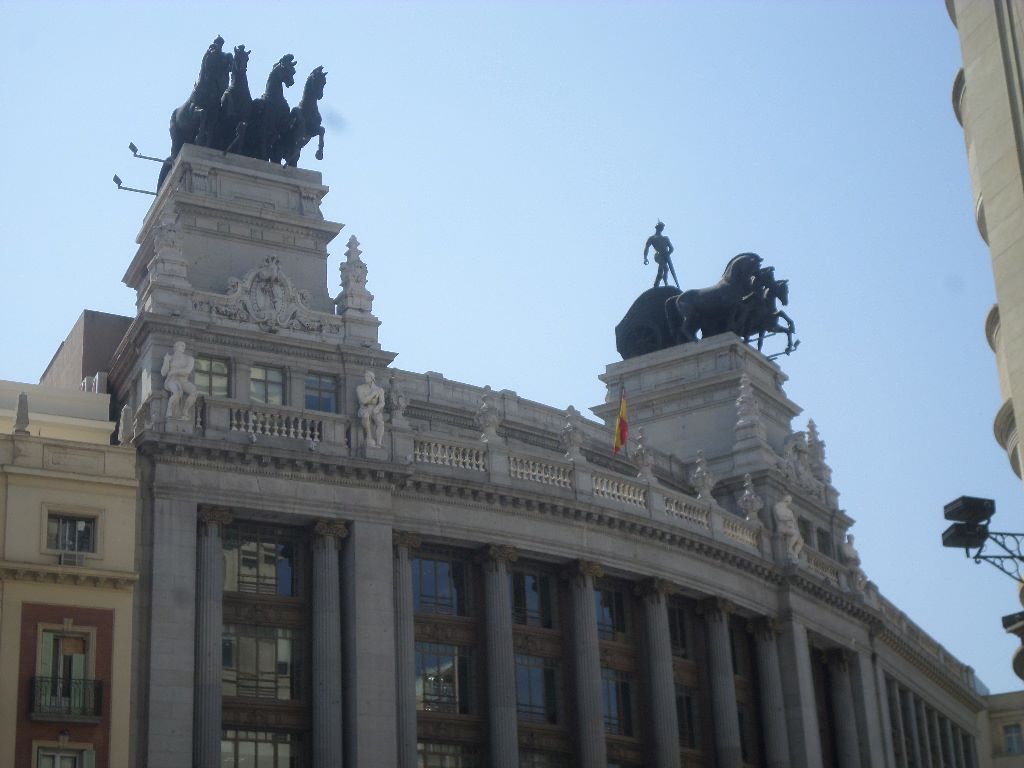
The first is the BBVA bank building on Calle de Alcalà,16 very near the Puerta del Sol. It was built between 1920 and 1923 as the seat of Banco de Bilbao. In 1845 the Cafe Suizo (today gone but very popular) was inaugurated there, famous for its gatherings. The quadrigas, which were covered in gilded brass and, therefore, could serve as a reference for Franco’s bombing of the city, during the Spanish Civil War, were painted black. After the end of the contest, it was decided that the new color be preserved. In the base of each tower, in front of the balustrade, there are two Italian marble atlantes. On each tower is a quadriga. The quadrigas were dragged each by four horses, whose legs protrude from the facade, flying over the sidewalk. The quadrigas were made of an alloy of bronze, lead and iron, with a golden brass coating. They were cast in the Madrid smelter Codina Hermanos and each of them weighs 12.5 tons and are four meters high. The charioteers are not inside the quadriga, but appear standing on a pedestal located on the carriage, so that they can be seen from the street. In 2010, and for a minimum period of ten years, the building is the headquarters of the Ministry of Environment and Land Management of the Community of Madrid (regional govt).
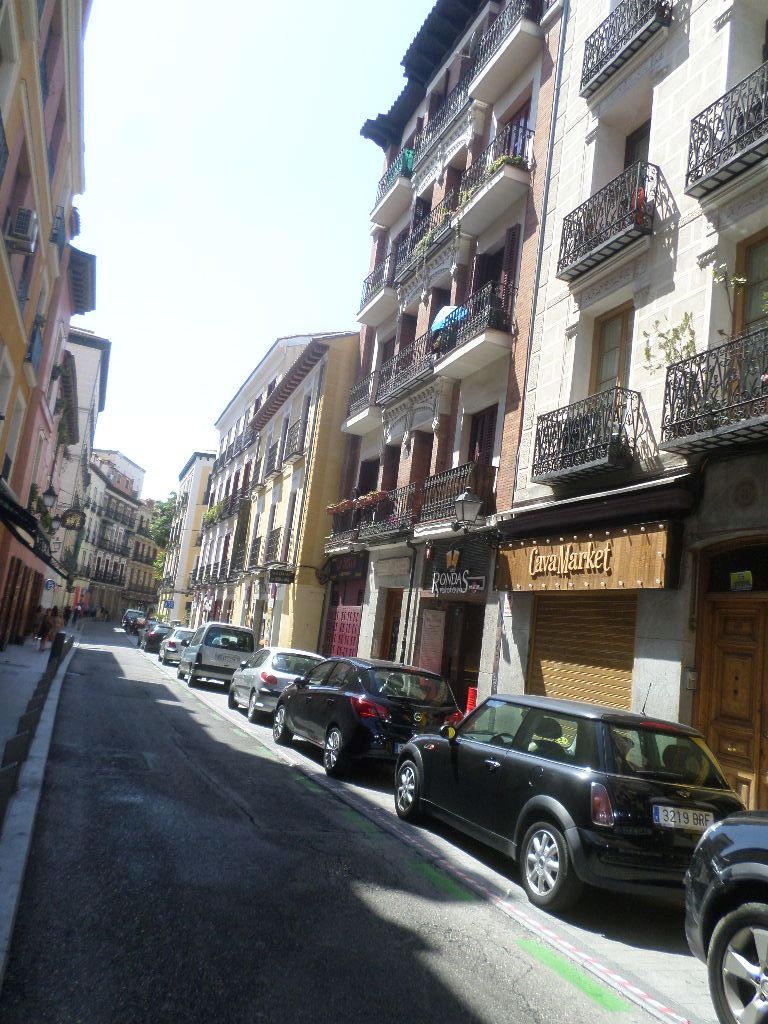
The Calle Cava Baja is a street in old Madrid, right in the La Latina neighborhood, that runs between the Puerta Cerrada square and the Humilladero square and has about 50 bars. Throughout history, countless establishments have been opened and closed on this street, almost all related to eating and drinking. For example, the Posada de la Villa dates from 1642, and in the place where Casa Lucio now opens its doors was the Posada de San Pedro, which already existed in 1720, and then the historic Mesón del Segoviano. The word cava comes from the fact that there was a moat that defended the wall of Madrid. Formerly this cava was a little beyond the Puerta de Moros, lower than the Cava Alta, hence its name. When the moat was filled, the road was renamed Cava Baja de San Francisco (in this area there are many references to this saint, such as the Basilica of San Francisco el Grande), and from 1835 simply Cava Baja.
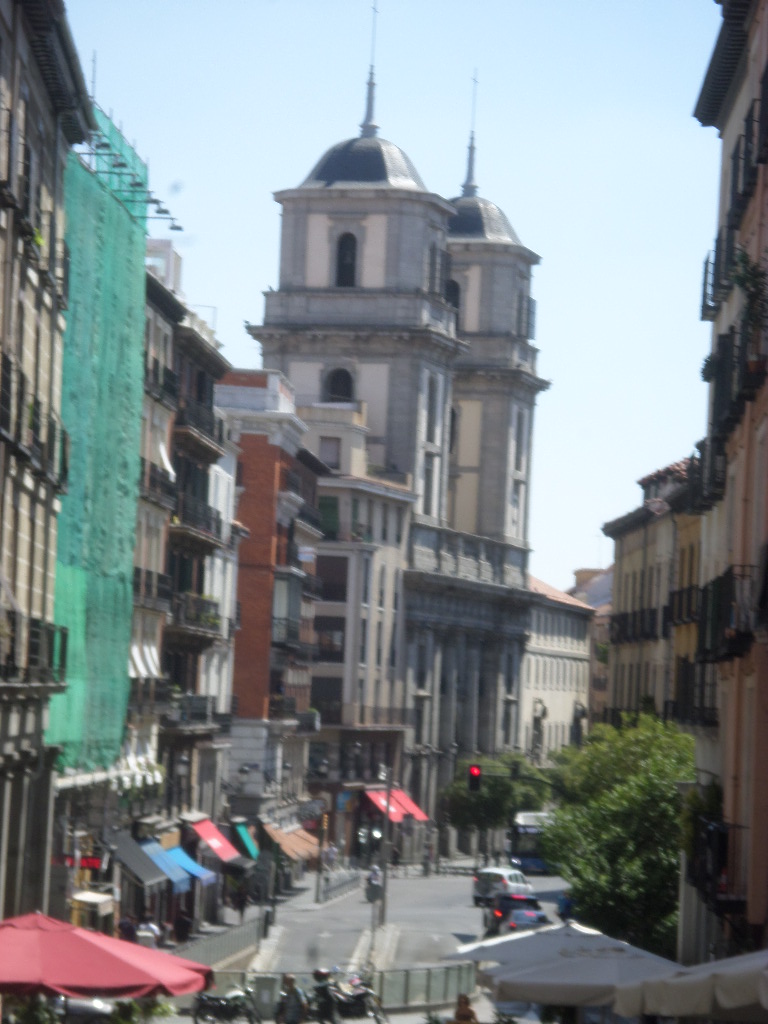
The Calle de Toledo gave access of diverse merchandise and food coming from the province to the town. The street begins in the Plaza Mayor (in the arch of Cofreros), arrives until the Puerta de Toledo and continues until the Glorieta de Pirámides where it ends, linking with the Puente de Toledo bridge on the old road that led to the city of Toledo. It runs from its beginnings parallel to the Rastro of Madrid (flea market). The Portal de Cofreros, the Collegiate Church of San Isidro and the Royal Studios of San Isidro, which occupy the former offices of the Imperial College, are the only buildings of historical-artistic interest of the time of the Austrias that have been conserved.
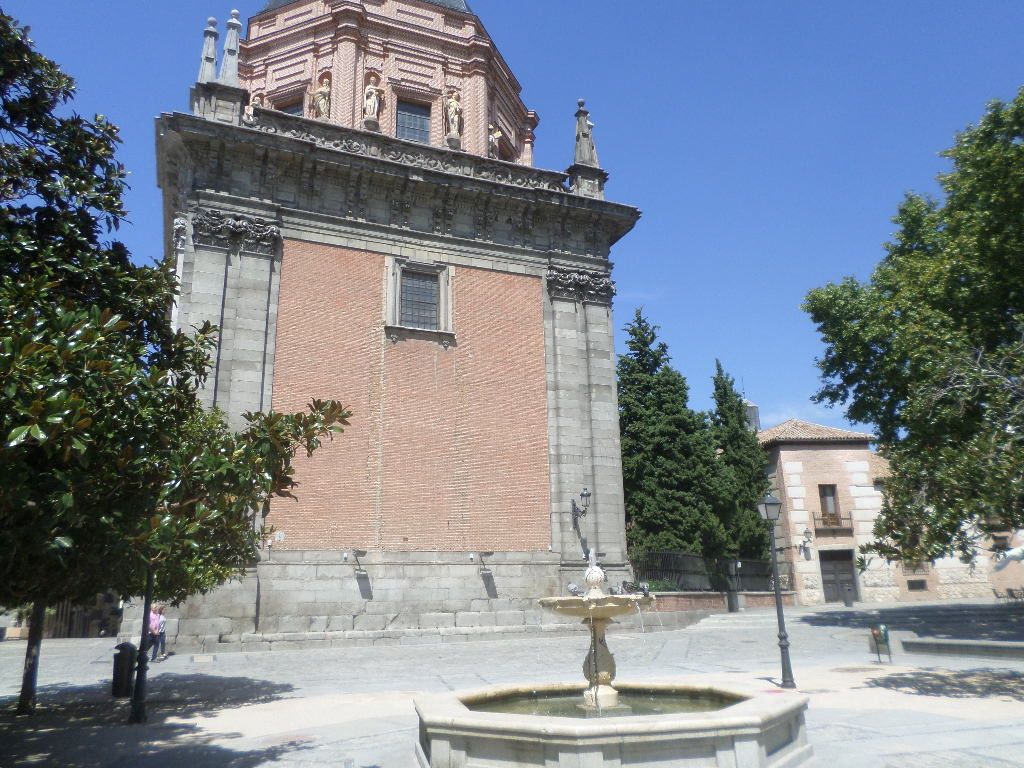
The Plaza de los Carros is a square located in the Palacio neighborhood, belonging to the Centro district, in the set of open spaces that form the Plaza de la Cebada, Puerta de Moros and Calle de Humilladero, in the axis of the Carrera de San Francisco and surrounded by the Costanilla of San Andrés and the Calle de Don Pedro. It was until the beginning of the 20C a popular meeting point for transport in cars and carts due perhaps to its proximity to the old Cebada (barley) market. It is pedestrian since the last decade of the 20C, highlights the architecture of the dome of the Chapel of San Isidro and the facades of the house-palace of the Duke of the Infantado. During the Democratic Sexenio it took the name of Plaza de Aguirre and later, in 1931, it was Plaza de Julio Romero de Torres, a name that it maintained until 1965 when on the occasion of a remodeling of the urban environment it regained the traditional name of Plaza de los Carros. In 1984 and following the works of pedestrian urbanization of the area a set of archaeological remains were unearthed, including various canvases of the Arab wall and a Muslim qanat dating from the 11C following the layout of the old Calle Alcantarilla (sewer) street. In 2018, remains of the 12C Christian wall were discovered.
The Madrid tourist office on the Galdos routes : https://www.esmadrid.com/en/galdos-madrid-map
For general reference, the Madrid tourist office : https://www.esmadrid.com/en
There you go folks , a bit more of architecture and history wonders in my beloved Madrid. Walking any City is great and in Madrid it is sublime !!! Again, hope you enjoy the post on the streets of Madrid , part IV !!! as I.
And remember, happy travels , good health, and many cheers to all !!!

 Paris1972-Versailles2003
Venga, porque no haces un post de las bellas ciudades de aquí, de els nostros paisos catalanes? 😶
LikeLiked by 1 person
lee mi blog tengo de toda España inclusive muchas de Valencia pero claro Madrid es no 1 lol!
LikeLiked by 1 person
Vale. Bona nit
LikeLiked by 1 person
Cuando mi tia vivia en El Saler me decia buenas noches pero Espana le esta llegando chavez lol!!!
LikeLiked by 1 person
No te entiendo… Bona nit es buenas noches pero en nuestra lengua
LikeLiked by 1 person
Jaja yo tampoco!
LikeLiked by 1 person
¿ – ?
LikeLiked by 1 person
😂
LikeLiked by 1 person