
Ok so this is pull from my vault and realise not in my blog yet so here are new pictures to the blog, older of my nostalgic Guatao, This is a post from faded memories but still in my heart as if you have read my blog which is my life’s history,you would know this is where I first played baseball and the resting place of my family in Cuba. Therefore, let me tell you a bit on this is Guatao, near Havana !!! Hope you enjoy the post as I.
A place dear to me in my infancy that had not mentioned before but now with pictures to follow the village of Guatao, The village of Guatao is located on the outskirts of Havana, in the county City of La Lisa (see post), near Punta Brava (see post my native town) and Bauta (see post my last school in Cuba). Founded around 1750 by Esteban Godina along the royal road toward Vuelta Abajo, (Pinar del Rio tabacco country) the village is highly famous in Cuba for the expression “It ended like the party in El Guatao” a phrase used to describe any event, gathering, or situation that concludes in a major disaster, chaos, or a fight. It is said that this expression originated during a popular festival in the late 19C, following a tumultuous brawl between singers from rival factions.
The Guatao Cemetery is a small, traditional cemetery built around 1836, Very much my story as my family left in Cuba is buried here, This is the cementery of my maternal and paternal grandparents and my uncle Mario (Dad youngest brother) ; also, many aunts and uncles, cousins are buried here, I visited in 1998 to pay respects to those resting there,
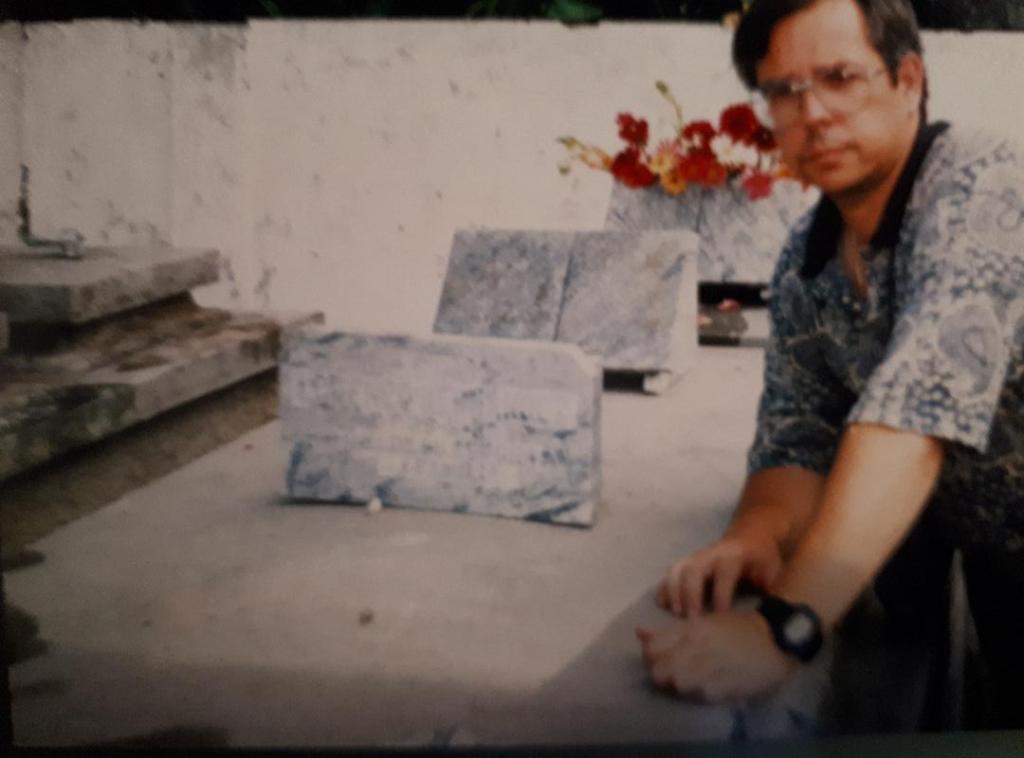
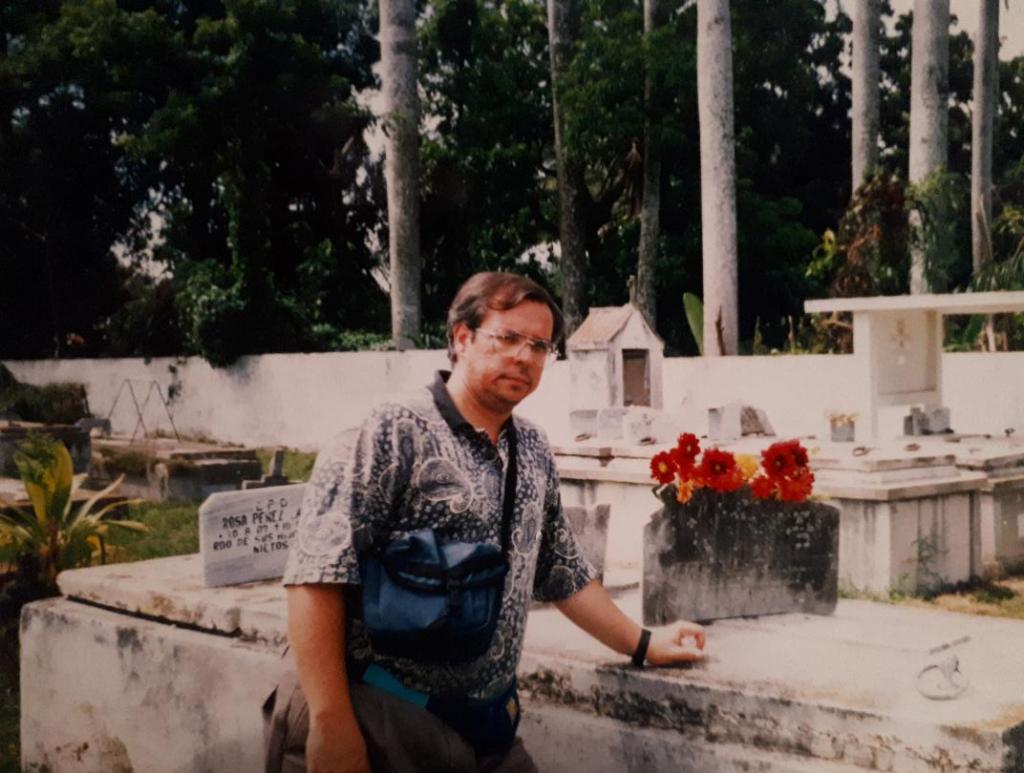
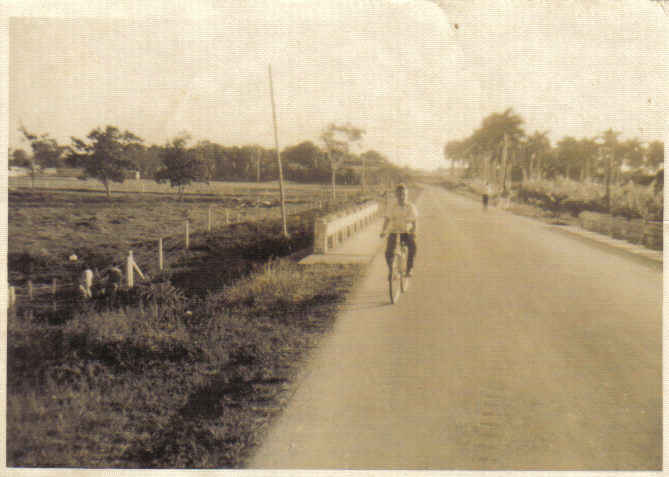
I,also, way back came here to the baseball park where before, my Dad played for the town’s team and then me, riding my Czech made bike on the road from Punta Brava to Guatao (see pic). In the center of Guatao stands one of the most remarkable churches in the area, a true icon of the village. Built in the 1950s at the behest of First Lady Marta Fernández Miranda de Batista, second wife of Cuban dictator Batista, the church features paintings by the renowned visual artist Rita Longa. The stained-glass windows allow natural light to enter, creating a beautiful effect in the late afternoon as the sun begins to set. An interesting detail: the Stations of the Cross are arranged such that the first and last stations are located inside the church, while the others are positioned on the outside. Other things here are the sad Guatao Women’s Correctional Facility ,where many dissidents are in prison for long periods, and the Swine Research Institute
A bit of history I like tell us that in the past, the area was associated with livestock farming and old sugar mills such as Tahoro, Maurín, or Macastá, before shifting its focus toward tobacco cultivation and general agriculture. The Tahoro sugar mill, located on the estate of the same name along the road to Santa Fe,(see post) once housed approximately 200 enslaved people; ruins of this sugar factory still remain today. The village was also home to the Macastá sugar mill, situated on the road between Guatao and Corralillo and owned by Don Pedro R. Armenteros. The local economy relied on tobacco processing, and agriculture specifically the cultivation of pineapples, fava beans, limes, and various other crops as many residents worked their own small plots of land and subsisted on their produce. These land plots became widespread after the emancipation of the enslaved population, having been distributed by the Marquesa de Pinar del Río, the primary landowner of the town of Guatao. Following the establishment of the town of Punta Brava (my town) in 1870, the local route was altered to connect with that settlement and the Camino de Vueltabajo or the road to Vuelta Abajo tobacco country. During the height of the sugar boom, the territory of Guatao encompassed the neighborhoods of Cangrejeras, San Pedro, and San Vicente. During the War of Independence, on February 22, 1896,a detachment of volunteers led by a sergeant having departed from Marianao (see post) passed through Guatao at nightfall and carried out a horrific and unspeakable massacre among the town’s inhabitants. The town became the site of a tragic military raid when nearly 200 Spanish soldiers attacked the settlement targeting it for its sympathies toward the mambises or independence fighters leaving 18 people dead and dozens wounded.
Again, this is a memorable lane post and no webpages. Hope you enjoy with me these wonderful places of our lives always remembered as much as possible as it is 56 years that I left it! Last stop by here was in a visit of 1998. As said , the time passes by and all we have is blurred memories of always. A time, a place, a dot in my world map, that is in another world. Again, hope you enjoy this personal post on this is Guatao, near Havana !!! as I.
And remember, happy travels, good health, and many cheers to all !!!


