
We were back to my dear Spain again !! love it !! We came by car of course and took time to see new areas and old repeat with some of them as introduction to my sons and our dog Rex ! I rented a small house in a off the beaten path country town that was just perfect ! I like to continue the saga of our new road warrior experiences even if now with less in our family, This post is on my latest road warrior tour of wonderful sublime Spain. Therefore, let me tell you about the Muralla (wall) of Ávila !!! Hope you enjoy the post as I.
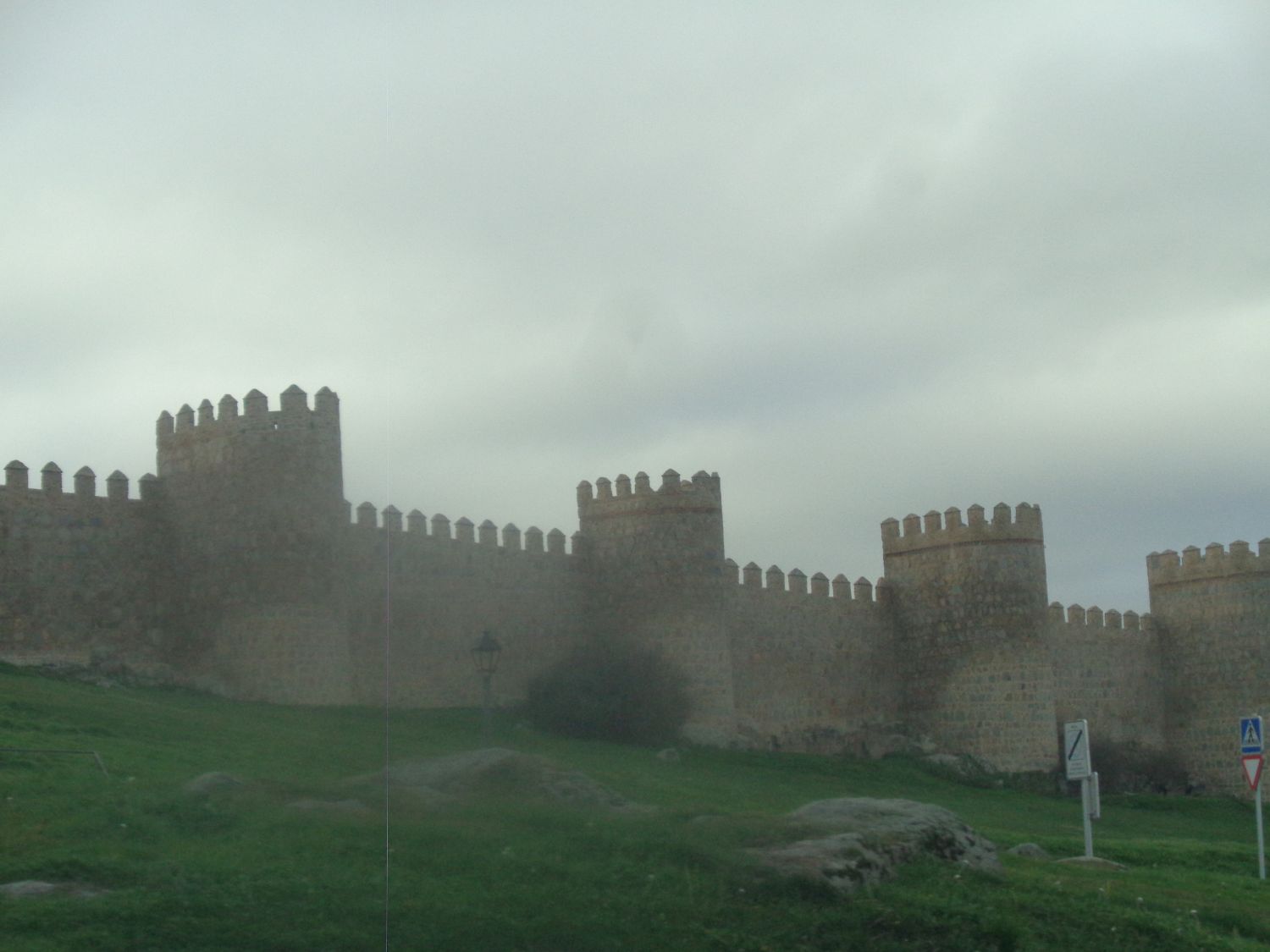
The City of Ávila is the capital of the province of Avila in the Autonomous Community of Castilla y León in the kingdom of Spain. It is located 105 km from Salamanca, 70 km from Segovia, 115 km from Madrid, and 126 km from our house rental in Velliza, All on the A62, A6 and N403 to City center.
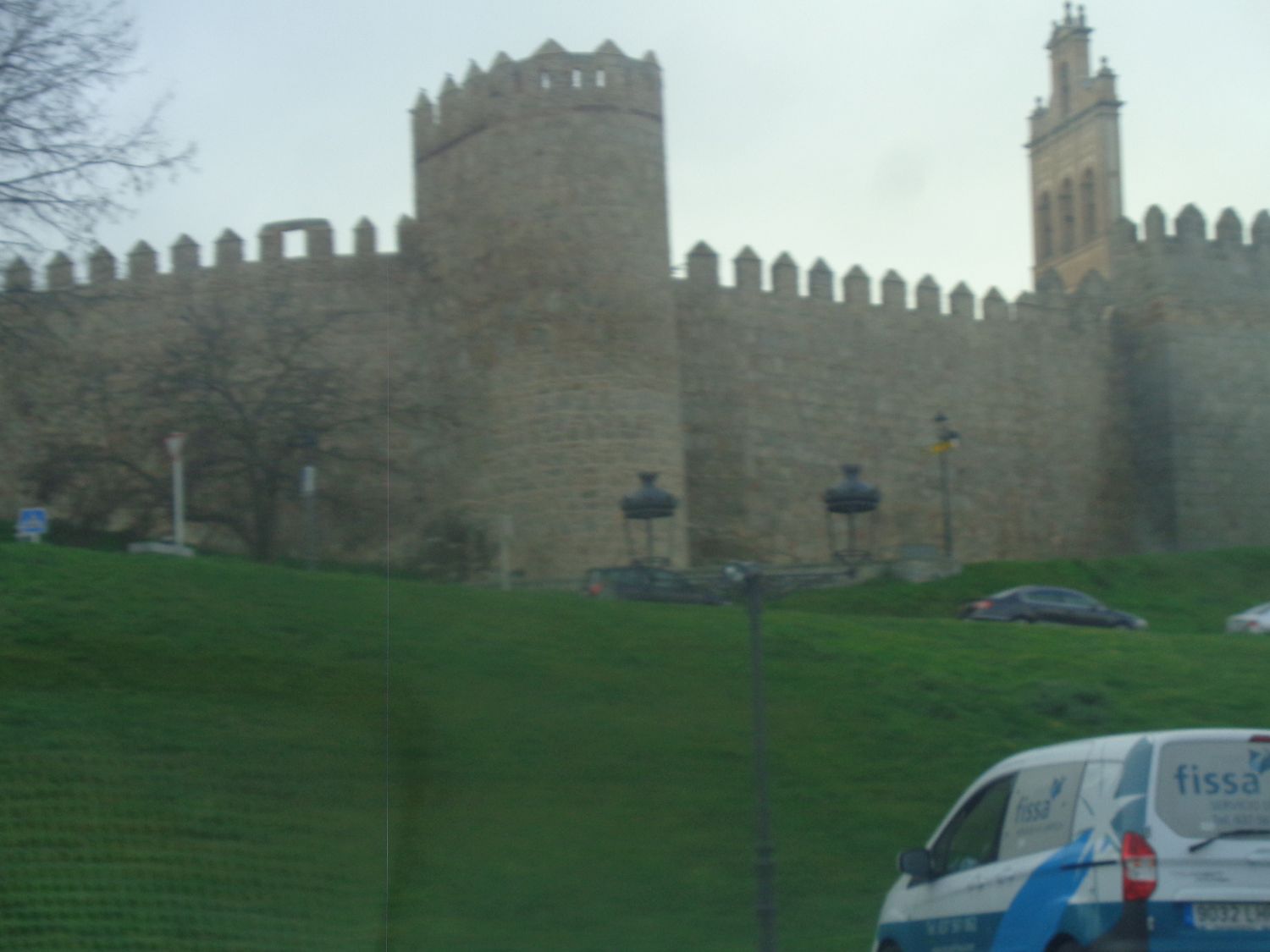
The wonderful Muralla of Ávila (wall) Puerta de Alcazar Calle Don Gerónimo, 17 are the main monument of the city and its hallmark, it was built between the 11C and 14C. This is the best preserved wall in Spain. The medieval work was started in 1090. It is the largest completely illuminated monument in the world.
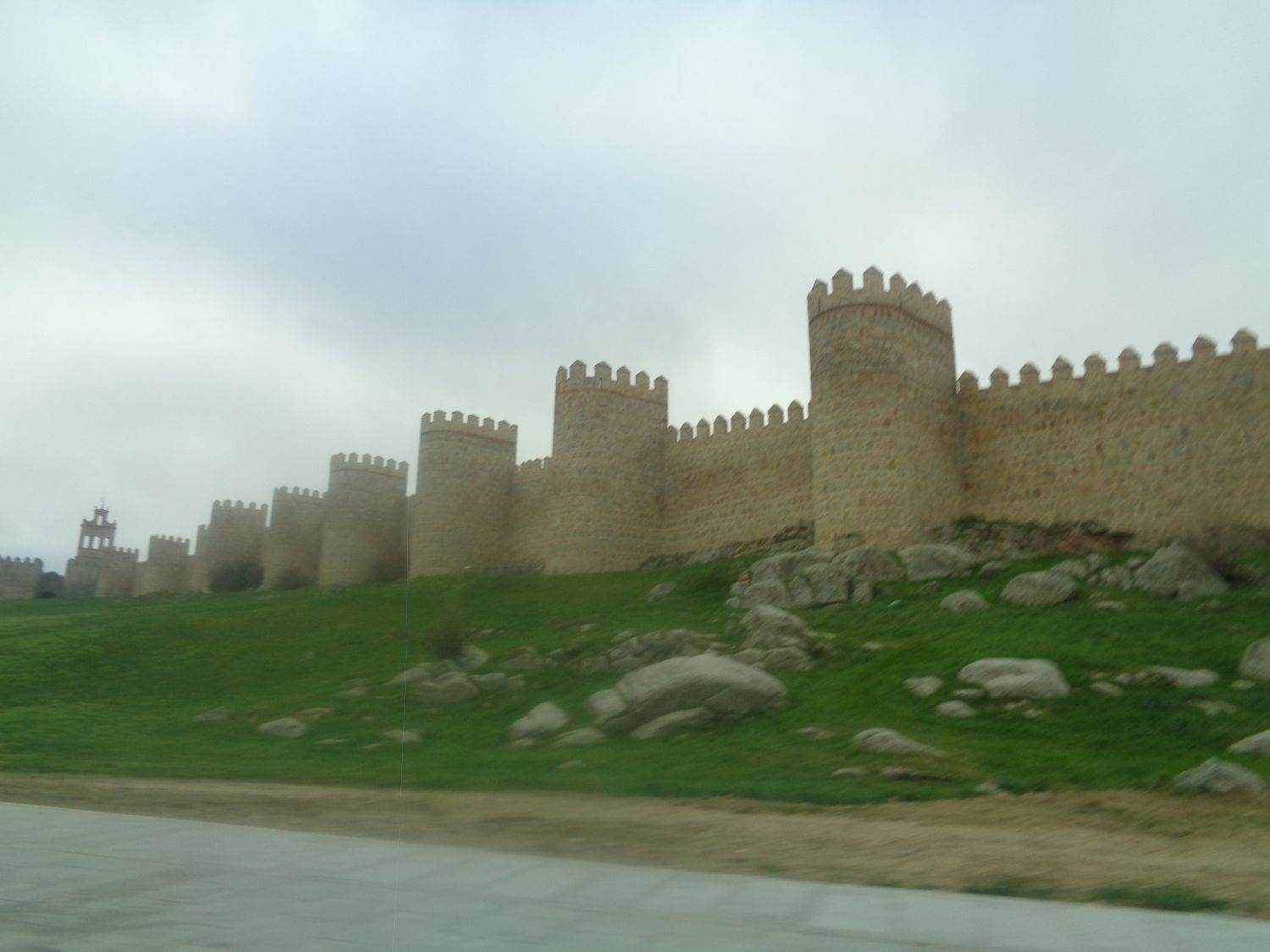
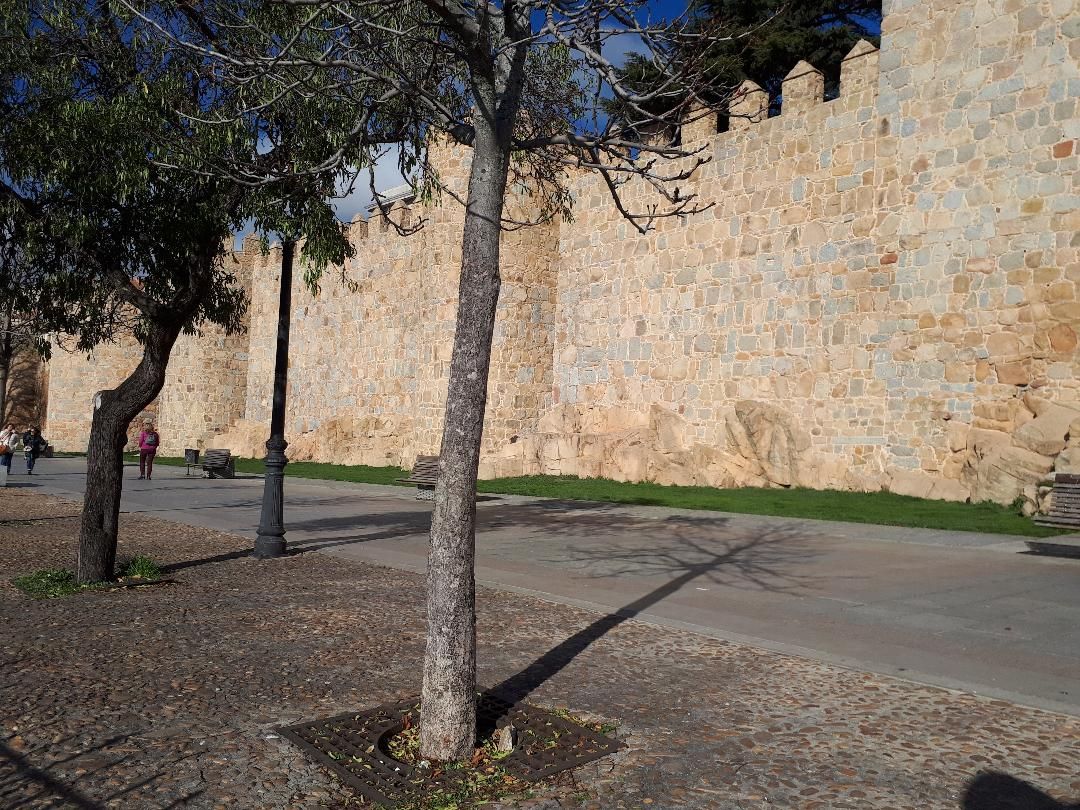
The Wall of Ávila is a Romanesque military fence that surrounds the old town, the walls are the most prominent universal symbol and monument that hosts the city. Its importance is derived from being one of the medieval walled enclosures of the best preserved medieval stage in Spain and probably throughout Europe. It is owned by the Spanish State and is managed by the City of Ávila. Some sections, those that coincide with some buildings such as palaces and churches ,including the cathedral are private. The wall (muralla) has a perimeter of 2515 meters, 2500 battlements, 87 cubes or torrels and 9 doors. It occupies an area of 33 hectares and forms an oriented rectangle from this to west. Its walls are 3 meters thick and 12 high. The wall had three poters, currently blinded: one in the area of the Alcazar (today missing), another in the area of the Palace of the Abrants and another in the Palace of Navamorcuende (current bishopric). There was also a small access, the call of the bishop who linked the cathedral with the neighborhood where the clergy lived and that was closed in 1518. Of the nine doors , the two most notable for their defenses are that of the Alcázar and that of San Vicente.
As said, the wall has nine doors, called colloquially Arcos: The Puerta de Alcázar or the Mercado Grande (big market), where the figurative dethroning of King Enrique IV of Castilla took place, an episode known as La Farsa de Ávila. The Puerta de la Catedral, or de los Leales (loyals) or del Peso de la Harina ( weight of flour), open in the 16C. The Puerta San Vicente . The Arco del Mariscal (marshal arch), receives that name in memory of Álvaro Dávila, Marishal of king Rey Juan II of Castilla, which subsidized its construction. The Arco del Carmen or Carcél (Prison), opens between two square section towers. It was restored in the 14C and 16C. The Puerta de la Mala Dicha, bad luck) de la mala Ventura (bad adventure) or popularly call arco de los Gitanos (gypsies), which accessed the Jewish neighborhood. The Puerta de la Santa (Holy Saint) or Montenegro, which is accessed to the house of Santa Teresa. The Puerta del Rastro,(market) of Grajal or of the Estrella (star) which has an arc of the 16C. The Puerta del Puente (bridge), restored in the 15C and 17C.
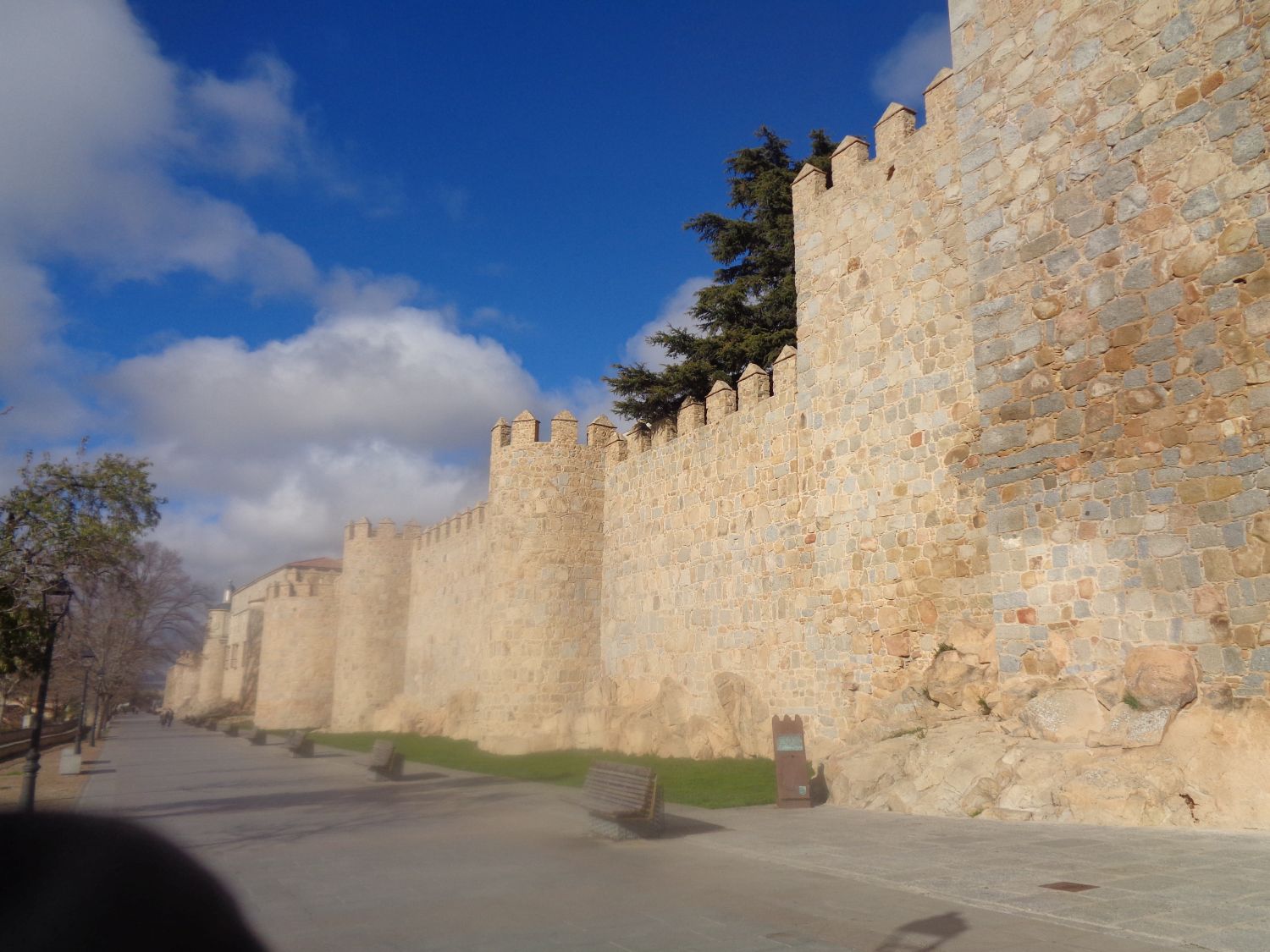
The Puerta del Alcázar is the most solemn element of the entire wall. The door is formed with two large towers united by a bridge (this element of this singular and unique between the European walls) that reinforces the defense of access, The objective of having this integrated element in the defense was to reinforce the weakest point of fortification : the main entrance. The Puerta San Vicente very similar to the Alcazar is located on the Roman wall. On one of the sides of the door, carved in the mother rock, a verraco stone has been found that is part of the remains of the Roman wall. The Torreón del Alcázar is a rest of the Alcazar (it was demolished between 1927 and 1930). The Torre de la Esquina (corner) or del Baluarte( bastion), also belonged to the Alcazar and was the place of surveillance over the Amblés Valley. At the base of the bucket you can see, about five meters high, a Roman funeral wake that is considered as the first stones of the City, The Lienzos y cubos de San Vicente (canvases and cubes) in this section the cloths of the defensive construction were lowered until the height of the cubes in the 15C. This is the area of the wall where the Roman remains embedded in the walls stand out. In this part the wall traces a curve that still does not have a satisfactory explanation. It is believed that the Roman necropolis was due to this place. You can access a good part of it, 1400 meters of its length, and travel its parapet. There are four access points, Casa de las Carnicerías (butcher’s house near the cathedral), the Arco del Carmen (in the Plaza de Ronda Vieja, near the historical archive, the Puerta del Puente and the Puerta del Alcázar in Plaza de Adolfo Suárez.
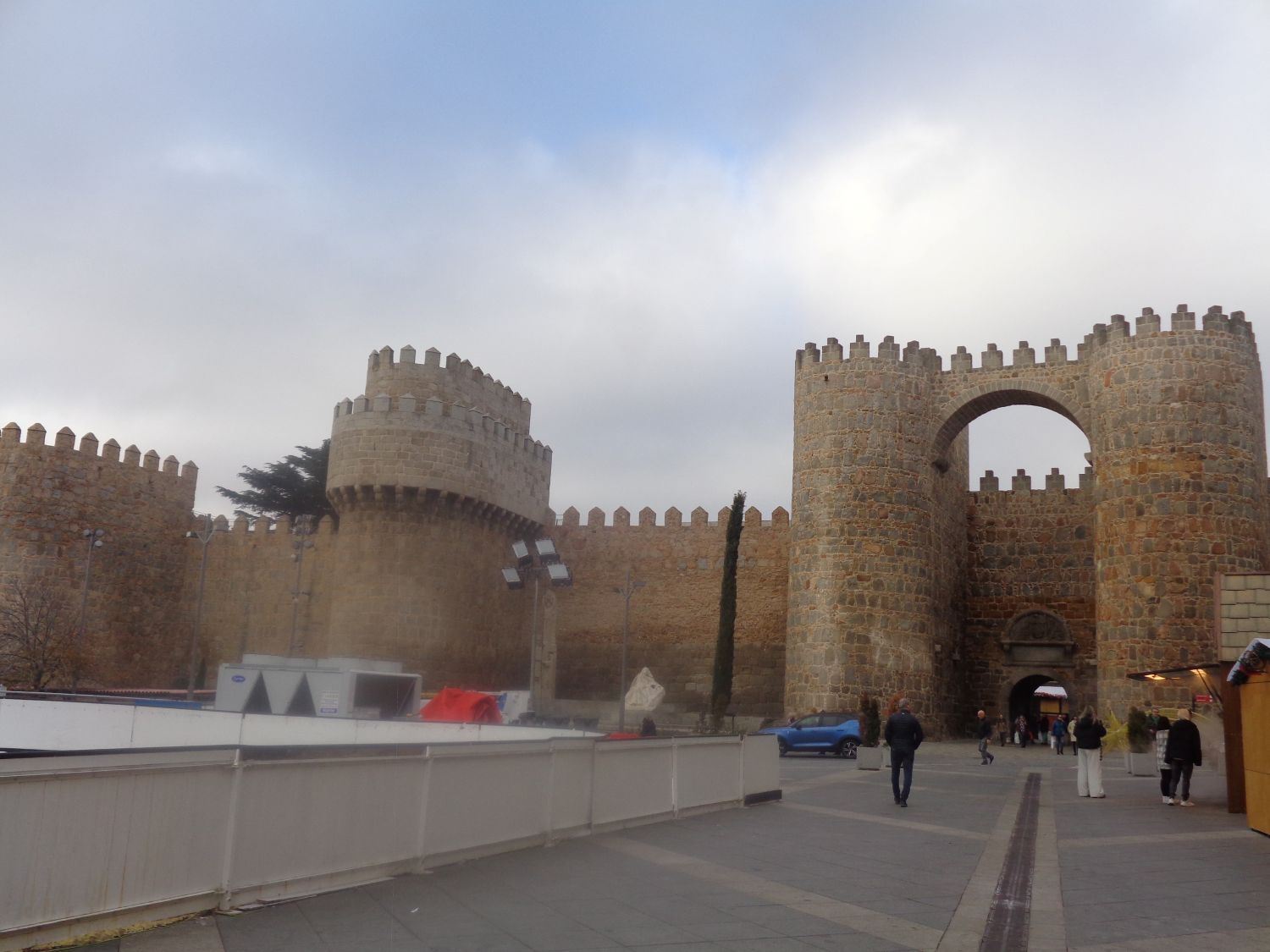
The muralla or wall represented the separation between the “wild space” and the “civilized.” In the countryside, the flat land, the peasants lived. They were of the lowest social class (or estate), and the costs of maintaining the city fell on them. On the peasantry, 80% of the costs of urban infrastructure fell, including the wall whose maintenance was called the repair of the walls. Its construction began at the end of the 11C at the request of King Alfonso VI de León, who commissioned Count Raimundo de Burgundy, husband of his daughter La Infanta Doña Urraca, for repopulating the territories called “no men’s land” and fortified them, as in other towns, The works that, according to traditional historiography, lasted nine years, from 1090 to 1099. The walls have suffered several modifications throughout their history , and it was not until 1982 when it could be left free the wall of houses.
The official murallas or walls of Avila : https://muralladeavila.com/en/history/the-first-walls
The Avila tourist office on the walls : https://www.avilaturismo.com/en/the-wall
The Castilla y Léon regional tourist office on the walls and gates of Avila : https://www.turismocastillayleon.com/en/heritage-culture/walls-gates/walls-puertas-de-avila
The Unesco world heritage site on the old town and intramuros churches of Avila : https://whc.unesco.org/en/list/348/
There you go folks , another wonderful nostalgic, sentimental trip to my dear Spain, Do not know when we will be back, we sure will have this trip in our hearts forever, Again, hope you enjoy this post on the Muralla (wall) of Ávila !!! as I
And remember, happy travels, good health, and many cheers to all !!!

 Paris1972-Versailles2003