
A wonderful memorable town of Loeches, we have visited in our road warrior trails over the years, Gladly found me again pictures in my cd rom vault that should be in my blog for you and me. I stop by on one of my road warrior trips way back during our many stays in Madrid, and it remains a memorable visit by us, Therefore, here is my take on this is Loeches !!! Hope you enjoy it as I.
The town of Loeches is located in the Province of Madrid, in the Comunidad de Madrid region of the kingdom of Spain, It is located to the east of the province between Alcalà de Henares, and Arganda del Rey. The town is located 11 km from Torrejon de Ardoz, 18 km from Alcalà de Henares, 39 km from Chinchon,63 km from Aranjuez, and 34 km from Madrid from where we came over,getting on the beltway M30 getting off at exit/salida 9A to get on the A3 autovia dir Valencia to exit/salida 13 dir M50 highway or Autovia de Circunvalacion to exit/salida 26 dir R3 radial highway go over the Puenta de Jarama bridge ,then get off at exit/salida 12 onto the M208 road next roundabout bear right onto the M217 road go back under the R3 radial highway and continue into city center around the city hall or ayuntamiento and parked.
The Monasterio de la Inmaculada Concepción or Monastery of the Immaculate Conception is a monastery of Dominican nuns. It was founded on 5 January 1626 by Gaspar de Guzmán y Pimentel, Count-Duke of Olivares and favourite of King Felipe (Philip) IV, and his wife in Castilleja de la Cuesta. The convent was completed in 1640. Later, it would become one of the richest churches in Spain in terms of paintings, with objects given to the Count-Duke of Olivares by King Philip IV. Relatives of the Dominican Mothers also donated many other works. The art collection included works by Alonso Cano, Rubens, Bassano, Tintoretto, Veronese and Michelangelo , among others. In 1809 the collection was looted by General Horace Sebastiani de la Porta during the French invasion, and many of these works were taken to France, where they can now be seen in museums such as the Louvre. Other paintings are now housed in museums such as the National Gallery in London or the Ringling Museum in Florida ,USA.
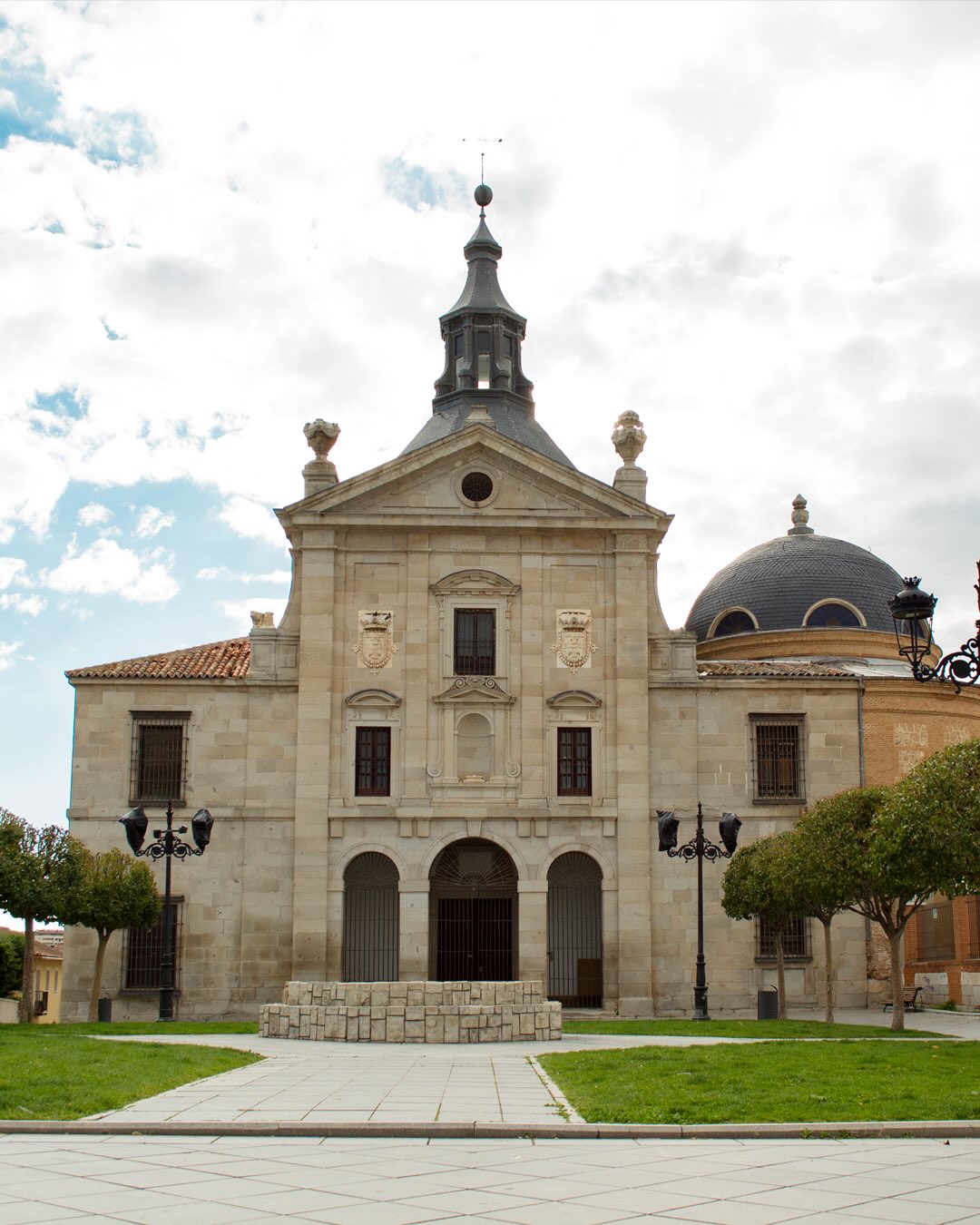
In 1909, Jacobo Fitz-James Stuart y Falcó, 17th Duke of Alba de Tormes and 13th Count-Duke of Olivares, founded a pantheon, adding a chapel to the monastery for the House of Alba. Currently, the monastery is the patronage of the House of Alba, current Count-Dukes of Olivares. The mausoleum mainly houses the remains of the heads of the House of Alba, starting with Jacobo Fitz-James Stuart y Ventimiglia, 15th Duke of Alba de Tormes. In 2015, part of the ashes of Doña Cayetana Fitz-James Stuart rest in the family pantheon María del Rosario Cayetana Fitz-James Stuart y de Silva. Notable in said pantheon is the mausoleum of Francisca de Sales, Countess of Montijo, wife of the Duke of Alba and sister of Eugenia de Montijo (wife of Napoleon III), sculpted in 1860. The Pantheon of the Ducal House of Alba is located in front of the Convent of the Discalced Carmelites, in Plaza Duquesa de Alba. It was built by the Duke of Alba, Jacobo Fitz James Stuart y Falcó, inside the church of the convent of the Dominican Recollects, and was inaugurated in 1909. It is a smaller-scale replica of the pantheon of the Austrians in El Escorial.
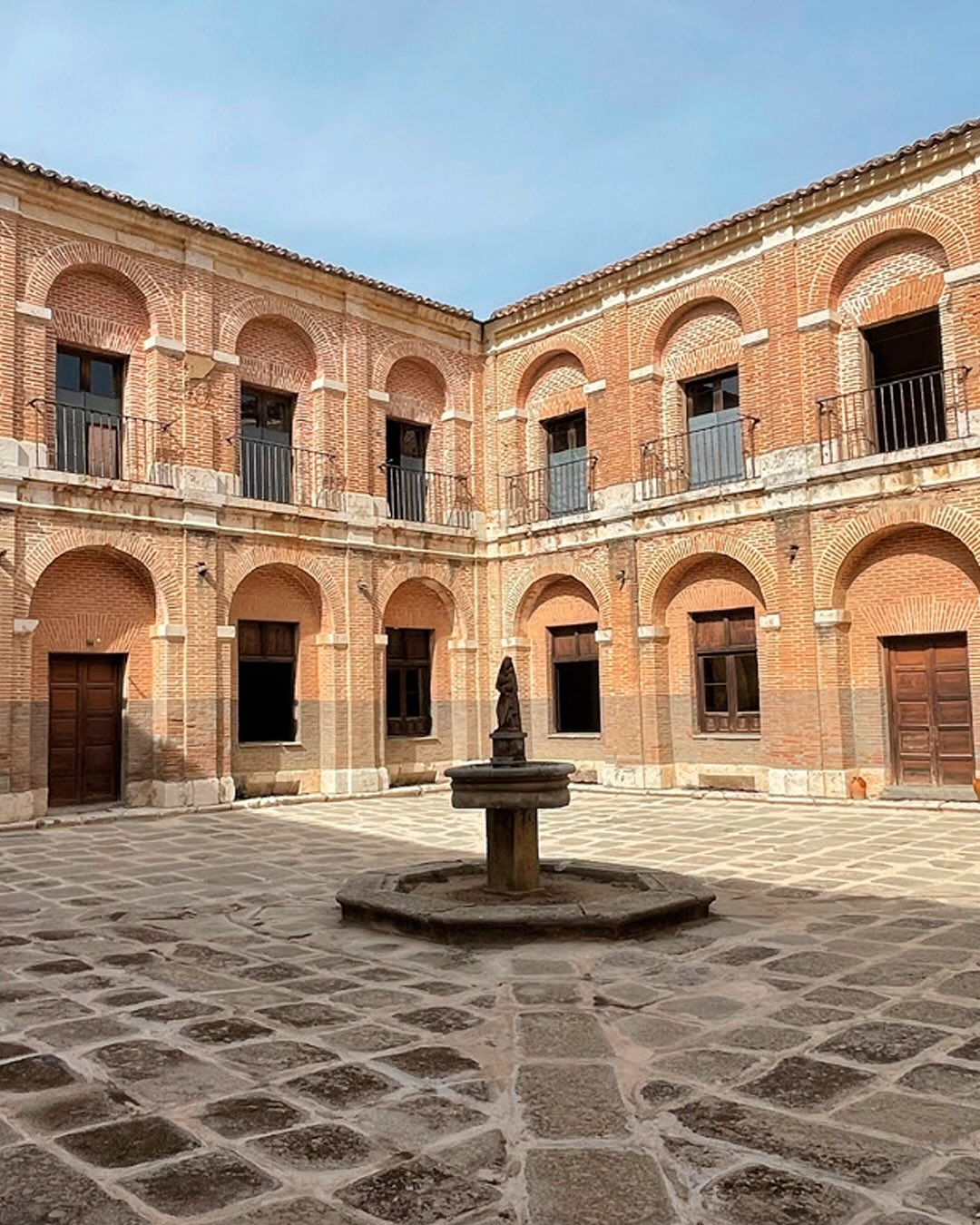
The Monasterio de San Ignacio Mártir y Madre de Dios or Monastery of Saint Ignatius, Martyr and Mother of God was built in 1640, and houses a Baroque-style church with a single nave covered by a barrel vault. The transept is topped by a dome with pendentives containing tondos of notable artistic value depicting Saint John of the Cross, Saint Elias, and another Carmelite saint. The interior of the church is decorated with paintings of Christ of Burgos and the Virgin of Carmen from the 18C, and also features a 16C altarpiece. The most notable feature of the church’s façade is the curved, split pediment with balls, which houses the Carmelite coat of arms. The Carmelite nuns keep in the monastery some relics of great historical value, such as handwritten letters from Saint Teresa of Jesus, a collection of reliquaries, and beautiful paintings.
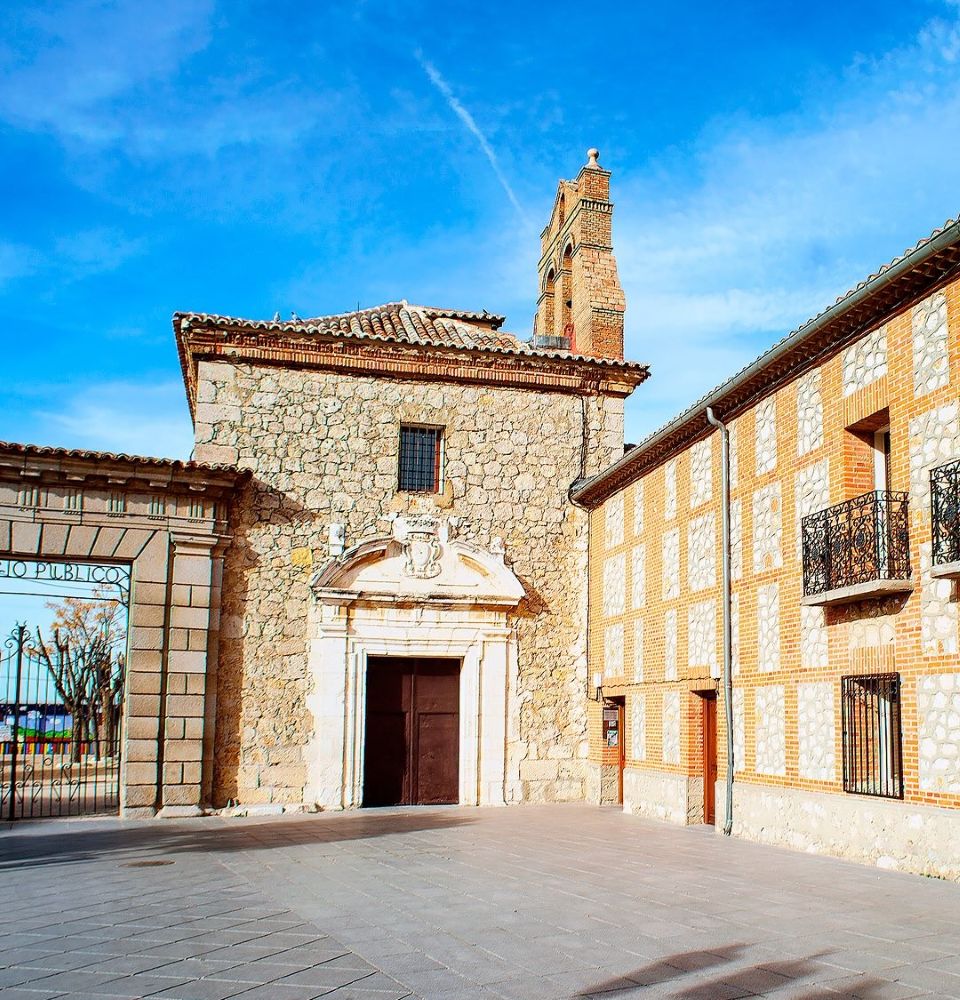
Other interesting monument to see is the Parish Church of Our Lady of the Assumption ( Nuestra Señora de la Asunción) in Calle San Lorenzo built in the Renaissance style in the mid-16C. It has three doorways: one Renaissance, one Tuscan, and one Gothic.
A bit of history I like tell us that the town is from about the 12C, and its name is of Basque origin, due to the effects of repopulation with Basque shepherds during the reconquest. The name in Basque is said to be compound and comes from the Basque words “lo” (sleep) and “etxe” (house). In 1214 it passed to the Archbishopric of Toledo. It received the title of town in 1555 from Charles I. Philip II sold it, along with other towns belonging to the Archbishopric of Toledo, to cover state expenses. With a papal bull, he sold the estate to the Cárdenas-Avellaneda family. The Cárdenas family founded the Carmelite Convent of San Ignacio Mártir there in 1596, and they remain buried there. Íñigo de Cárdenas was also the founder of the monastery of the Comendadoras de Santiago el Mayor in Madrid. His son was the Spanish ambassador to Venice and France. The daughter of Philip IV, the Infanta María Teresa, was educated in this monastery. Her name refers to the Carmelite Saint through the intercession of the nuns of Loeches. When the Cárdenas family died, the Count-Duke of Olivares bought the manor in 1633. In 1645, the Count-Duke left Loeches when he was exiled to Toro, in Zamora, as his enemies wanted to further remove him from the court. That summer he died and was taken back to the monastery of Loeches where he remains buried today.
The town of Loeches on its heritage: https://loeches.es/turismo/
The Official Monastery of the Immaculate Conception in Loeches : https://monasterioloeches.org/
The official Fundacion Clausura on the monastery of Saint Ignacius martyr and Mother of God in Loeches : https://declausura.org/monasterio/monasterio-de-san-ignacio-martir-y-madre-de-dios-loeches-madrid/
The network of Pueblos Magicos or magic towns of Spain on Loeches: https://www.pueblosmagicos.es/loeches/
The Comunidad de Madrid region tourist office on Loeches: https://www.visitmadrid.es/descubre-destinos-madrid/madrural-descubre-madrid-natural/descubre-vegas-alcarria-madrilena/loeches
There you go folks , another wonderful nostalgic, sentimental trip to my dear Madrid, Do not know when we will be back, we sure will have this trip in our hearts forever, Again, hope you enjoy this post on this is Loeches !!! as I
And remember, happy travels, good health, and many cheers to all !!!

 Paris1972-Versailles2003