
I like to bring you back to a wonderful cosmopolitan city I like. I have come here on business trips and one family trip that was very memorable as my French-American boys really like it and still do have their room decorated as London. I was looking at my blog and found several pictures in my cd rom vaults that should be in my blog for you and me, This is a City that needs to be back for it, eventually, Therefore, here is my take on curiosities of London, part IV !!! Hope you enjoy it as I.
Cornhill is a ward and street in the City, the historic nucleus and financial centre of modern London. The street runs between Bank Junction and Leadenhall Street in Central London. The hill from which it takes its name is one of the three ancient hills of London; the others are Tower Hill, site of the Tower of London, and Ludgate Hill, crowned by St Paul’s Cathedral Cornhill is one of the traditional divisions of the City. The street contains two of the City churches designed by Sir Christopher Wren: St. Michael, Cornhill, and St Peter upon Cornhill, reputed to occupy the oldest Christianised site in London. The “Standard” near the junction of Cornhill and Leadenhall Street was the first mechanically pumped public water supply in London, constructed in 1582 on the site of earlier hand-pumped wells and gravity-fed conduits. In 1652, Pasqua Rosée, possibly a native of Ragusa, Italy, opened London’s first coffeehouse, in St. Michael’s Alley off Cornhill. The publishers Smith, Elder and Co, based at No. 65, published the popular literary journal The Cornhill Magazine from 1860 to 1975, as well as the Dictionary of National Biography. The magazine was first edited by William Makepeace Thackeray. Cornhill Street is the address of the “Scrooge and Marley” counting house, the employer of Bob Cratchit, in Charles Dicken’s 1843 novella, A Christmas Carol. A statue of the South African civil engineer James Henry Greathead was erected in 1994 in the road beside the Royal Exchange, which lies within the ward. best known for his work on the railway lines now incorporated into the London Underground underneath the modern pavement is the world’s first underground public toilet, which opened in 1855.
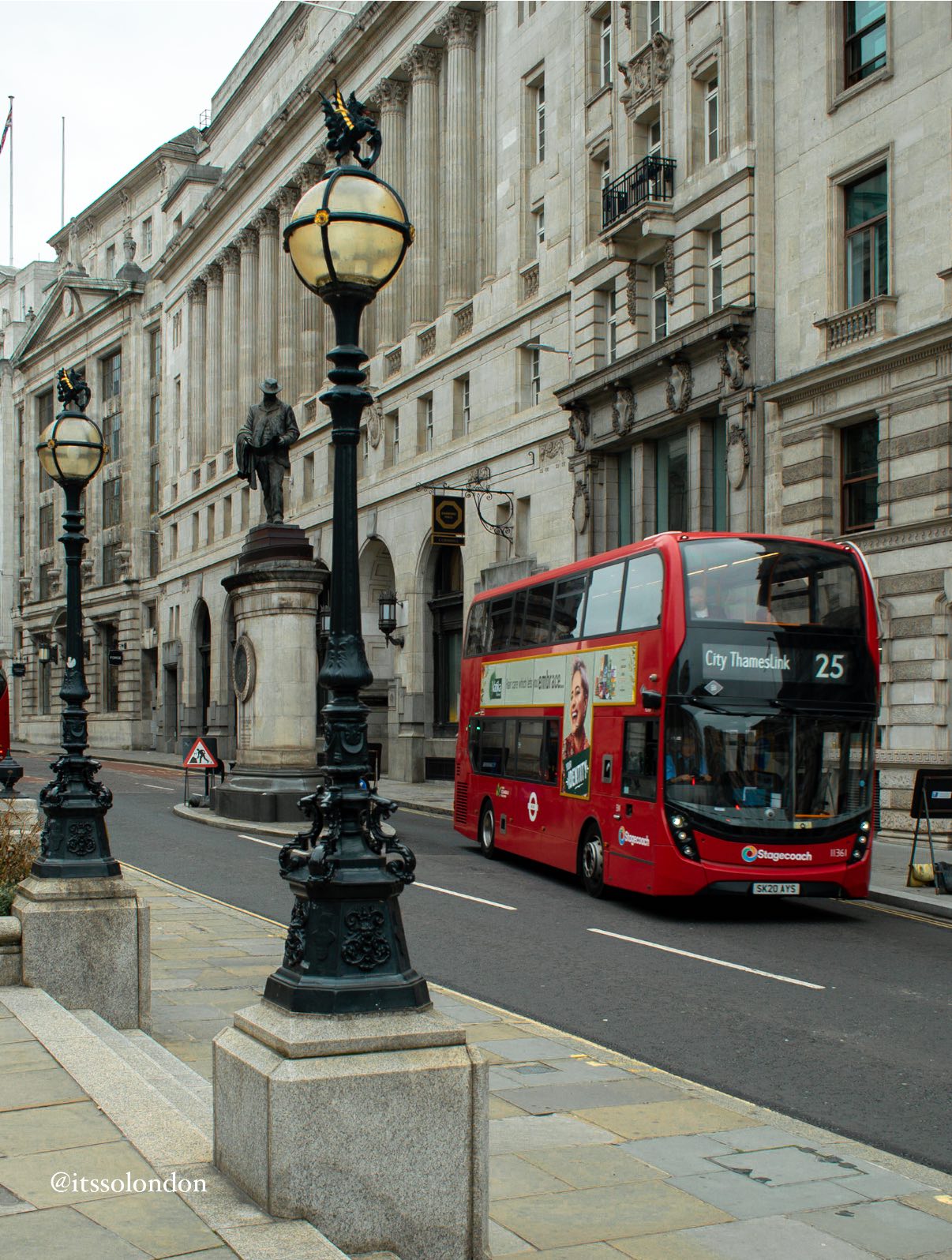
The official Cornhill Ward of London on its history : https://cornhillward.org.uk/page-1-4/
The Royal Exchange was founded in the 16C by the merchant Sir Thomas Gresham on the suggestion of his factor Richard Clough to act as a centre of commerce for the City of London. The site was provided by the City of London Corporation and the Worshipful Company of Mercers, who still jointly own the freehold. The original foundation was ceremonially opened by Queen Elizabeth I who granted it its “royal” title. The current neoclassical building has a trapezoidal floor plan and is flanked by Cornhill and Threadneedle Street, which converge at Bank junction in the heart of the city. It lies in the Ward of Cornhill. The site was notably occupied by the Lloyd’s insurance market for nearly 150 years. Today, the Royal Exchange contains restaurants and luxury shops. The third building, which still stands today, There are two statues stand in niches in the central courtyard. Charles II (a copy of 1792 by John Spiller after Grinling Gibbons’ statue in the centre of the 17C courtyard) and Queen Elizabeth I by Musgrave Watson, 1844 , The one you see in the picture is the one in front of the portico of the Royal Exchange is a statue of Arthur Wellesley, 1st Duke of Wellington, the last work of Sir Francis Leggatt Chantrey. The bronze used to cast it was donated by the government and sourced from French cannons captured during the Napoleonic Wars. It was unveiled on 18 June 1844, the anniversary of the Battle of Waterloo, in the presence of the King of Saxony , Between the Wellington statue and the exchange steps is the London Troops Memorial commemorating the dead of military units associated with the City and County of London during WWI. Designed by Sir Aston Webb, the monument is flanked by two bronze statues of soldiers and surmounted by a lion, all sculpted by Alfred Drury. It was unveiled on 12 November 1920 in the presence of the Duke of York, later King George VI.
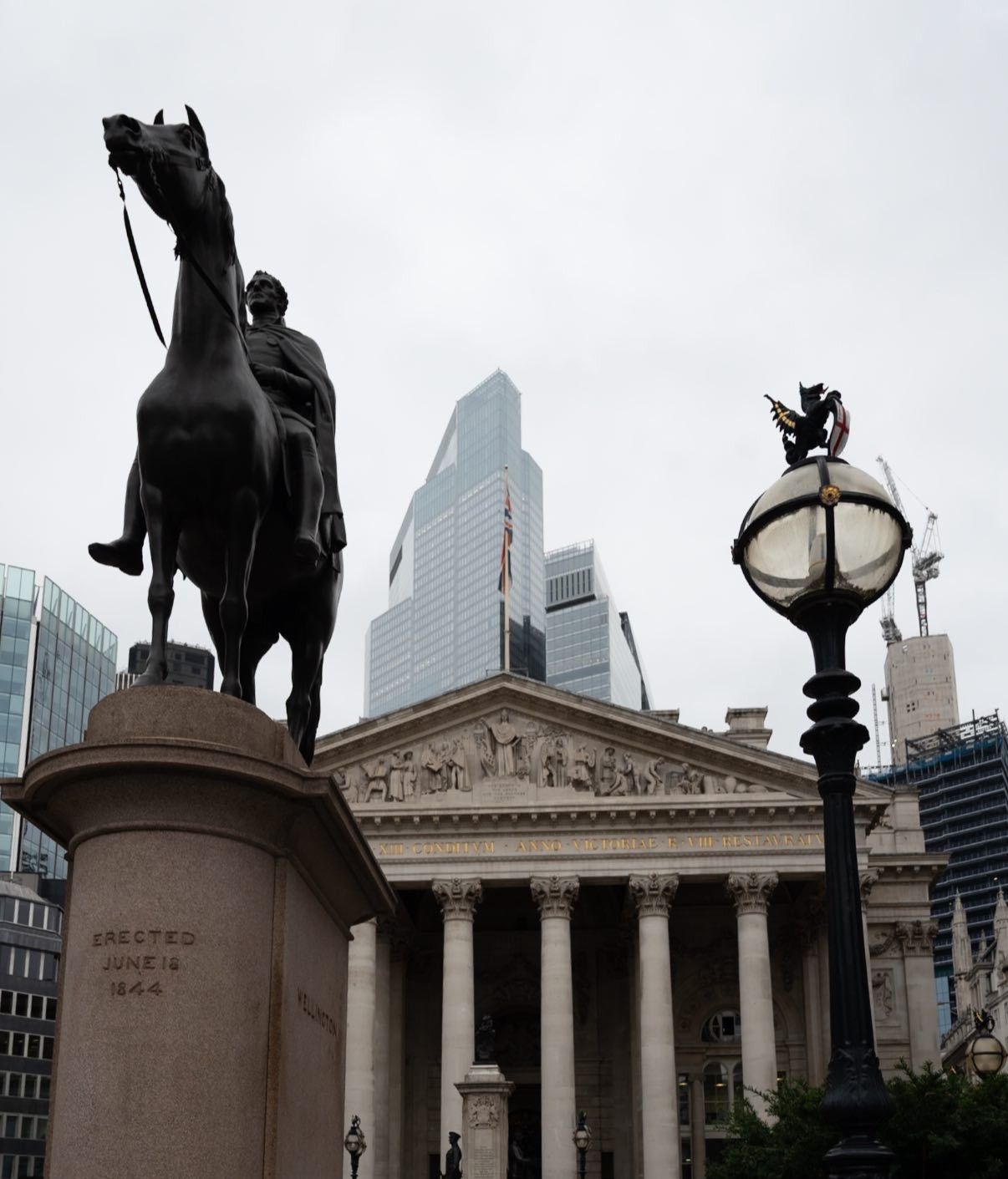
The official Royal Exchange building shops : https://www.theroyalexchange.co.uk/
The London tourist office on the Royal Exchange : https://www.visitlondon.com/things-to-do/place/58586-royal-exchange
Covent Garden is a district in London, on the eastern fringes of the West End, between St Martin’s Lane and Drury Lane , It is associated with the former fruit-and-vegetable market in the central square, now a popular shopping and tourist site, and with the Royal Opera House, itself known as Covent Garden, The area was fields until briefly settled in the 7C when it became the heart of the Anglo-Saxon trading town of Lundenwic, then abandoned at the end of the 9C after which it returned to fields , By 1654, a small open-air fruit-and-vegetable market had developed on the south side of the fashionable square. By the 18C it had become notorious for its abundance of brothels. An act of Parliament was drawn up to control the area, and Charles Fowler’s neo-classical building was erected in 1830 to cover and help organise the market. The market grew and further buildings were added: the Floral Hall, Charter Market, and in 1904 the Jubilee Market. By the end of the 1960s traffic congestion was causing problems, and in 1974 the market relocated to the New Covent Garden Market about three miles (5 km) at Nine Elms. The central building re-opened as a shopping centre in 1980 and is now a tourist location containing cafes, pubs, small shops, and a craft market called the Apple Market, along with another market held in the Jubilee Hall. Covent Garden falls within the London boroughs of Westminster and Camden and the parliamentary constituencies of Cities of London and Westminster and Holborn and St Pancras. The area has been served by the Piccadilly line at Covent Garden tube station since 1907; the 300-yard (270 m) journey from Leicester Square tube station is the shortest in London.The side of Covent Garden that lies in the City of Westminster is a district of Westminster.
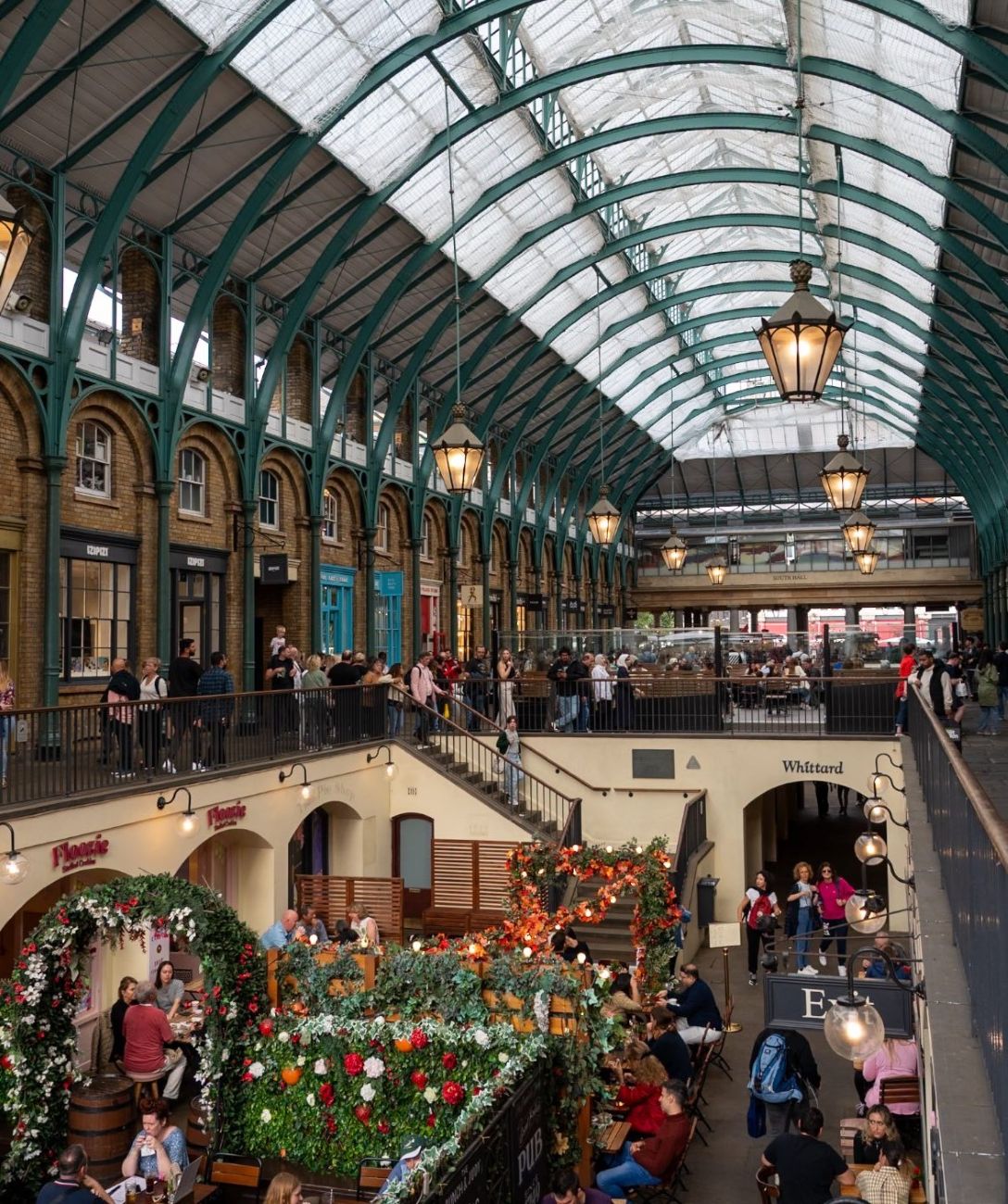
The official Covent Garden shops : https://www.coventgarden.london/
The London tourist office on Covent Garden : https://www.visitlondon.com/things-to-do/place/4358212-covent-garden
The London Eye, aka the Millennium Wheel, is a Ferris wheel erected in London for the 2000 celebrations. It was first called the British Airways London Eye, then the Merlin Entertainments London Eye, then the EDF Energy London Eye from 20 January 2011, following a three-year partnership with EDF Energy as sponsor, between mid-January 2015 and early 2020, the Coca-Cola London Eye. Finally, since the end of January 2020, it has become the London Eye. The wheel carries 32 air-conditioned, sealed passenger cabins attached to its outer circumference, each cabin representing one of London’s boroughs. However, the cabins are numbered from 1 to 33, omitting 13 for reasons of superstition. The capsules weigh 10 tonnes each and each cabin can hold 25 people. Although seats are present, passengers are free to walk inside the capsule. The London Eye is located close to Waterloo (Jubilee, Bakerloo and Northern lines). Charing Cross (Bakerloo and Northern lines), Westminster (Circle, District and Jubilee lines) and Embankment (Circle, District, Northern and Bakerloo lines) are also a short walk away. Waterloo railway and underground stations. Embankment and Westminster stations are also nearby.
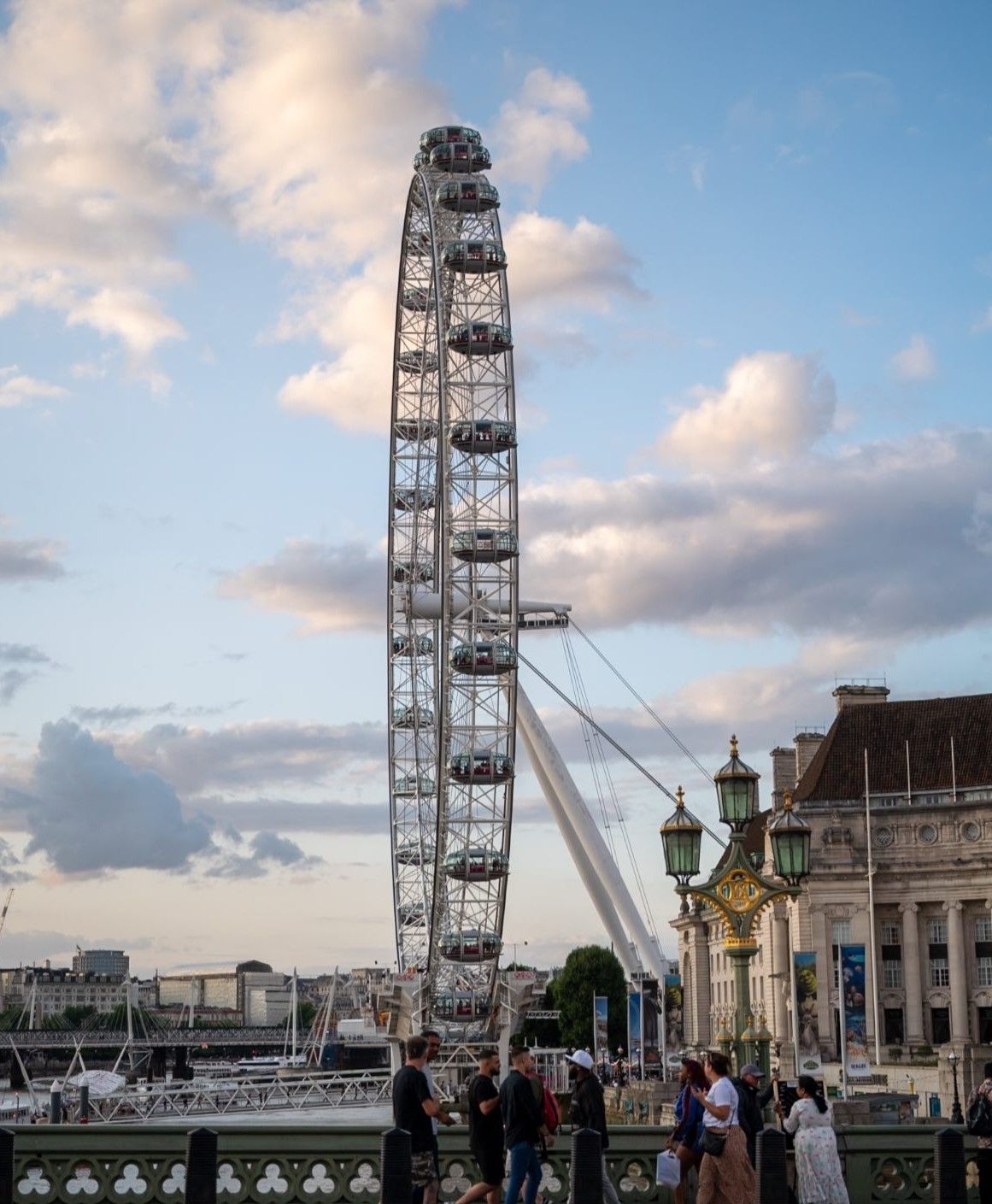
The official London Eye : https://www.londoneye.com/fr/
The London tourist office on the London Eye : https://www.visitlondon.com/things-to-do/place/282783-london-eye
Piccadilly Circus is a crossroads and pedestrianized square in London’s Westminster district The square, once considered the center of the British Empire, is still one of London’s nerve centers today and famous for its plethora of shops lights that surround it. It also has several tourist attractions such as the Criterion Theatre, the London Pavilion and several famous shops. Piccadilly Circus is at the crossroads of five major West End thoroughfares: Piccadilly, Regent Street, Glasshouse Street, Shaftesbury Avenue and Coventry Street. The square is also at the crossroads of the aristocratic district of Mayfair, that of the theaters of the West End and those devoted to nightlife, Soho and Leicester Square
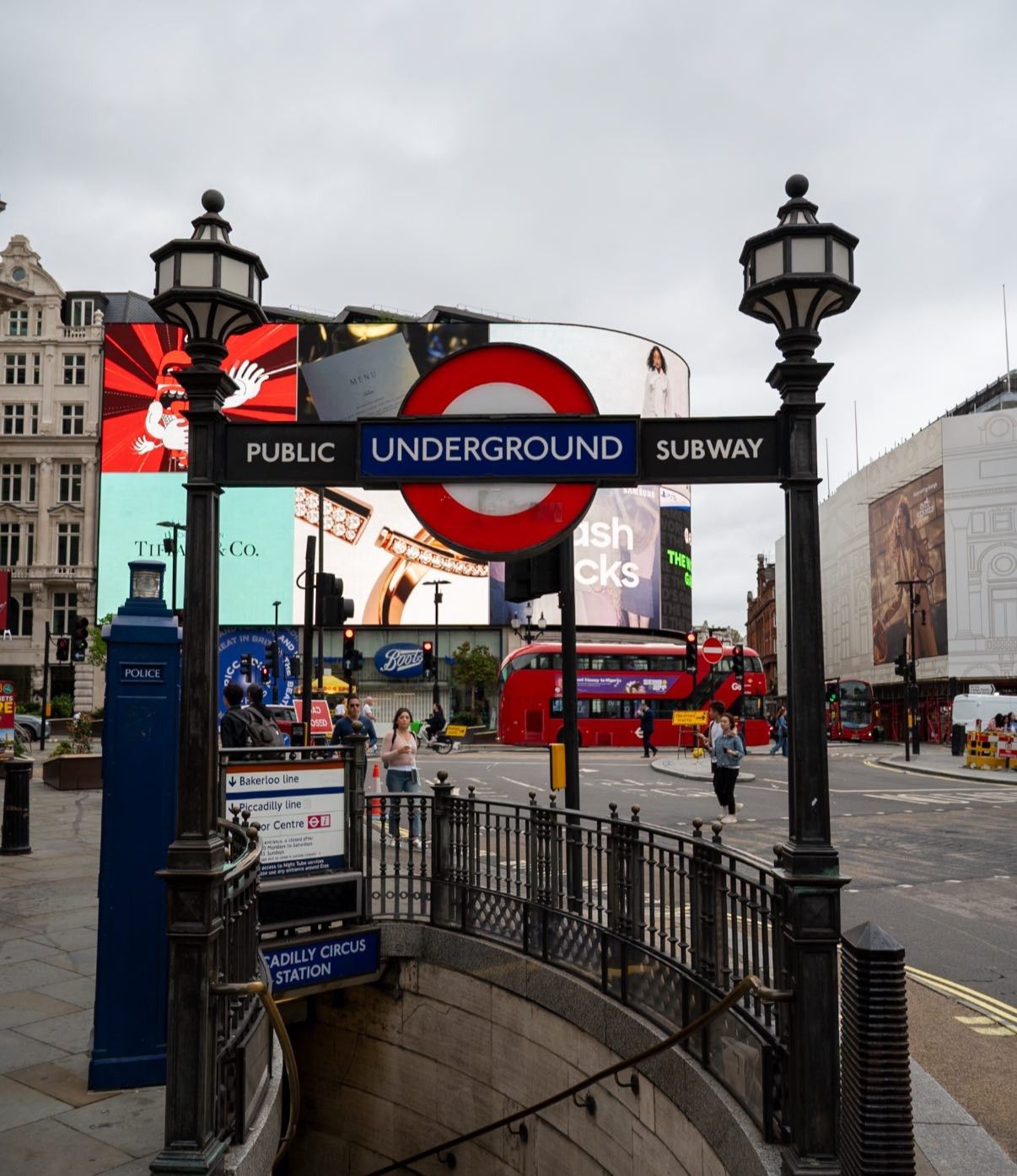
The official London tourist office on Piccadilly underground/metro/subway station : https://www.visitlondon.com/traveller-information/place/284411-piccadilly-circus-underground-station
Shaftesbury Avenue is a major road in the West End of London, named after the 7th Earl of Shaftesbury. It runs north-easterly from Piccadily Circus to New Oxford Street crossing Charing Cross Road at Cambridge Circus. From Piccadilly Circus to Cambridge Circus, it is in the city of Westminster, and from Cambridge Circus to New Oxford Street, it is in the London Borough of Camden. Shaftesbury Avenue was built between 1877 and 1886 The avenue is generally considered the heart of London’s West End Theatre district, with the Lyric, Apollo, Gielgud and Sondheim theatres clustered together on the west side of the road between Piccadilly Circus and Charing Cross Road. At the intersection of Shaftesbury Avenue and Charing Cross Road is the large Palace Theatre. Finally, the north-eastern end of the road has another large theatre, the Shaftesbury Theatre. Also on Shaftesbury Avenue is the former Saville Theatre, which became a cinema in 1970 Another cinema, the Soho Curzon is located about halfway along the street. Between 1899 and 1902, no. 67 Shaftesbury Avenue was the location of the Bartitsu School of Arms and Physical Culture, which is the first commercial Asian martial arts training school in the Western world For my boys it was always Forbidden Planet 179 Shaftesbury Avenue Browse a huge range of science fiction merchandise find comics, graphic novels, action figures, toys, games and collectibles all under one roof.
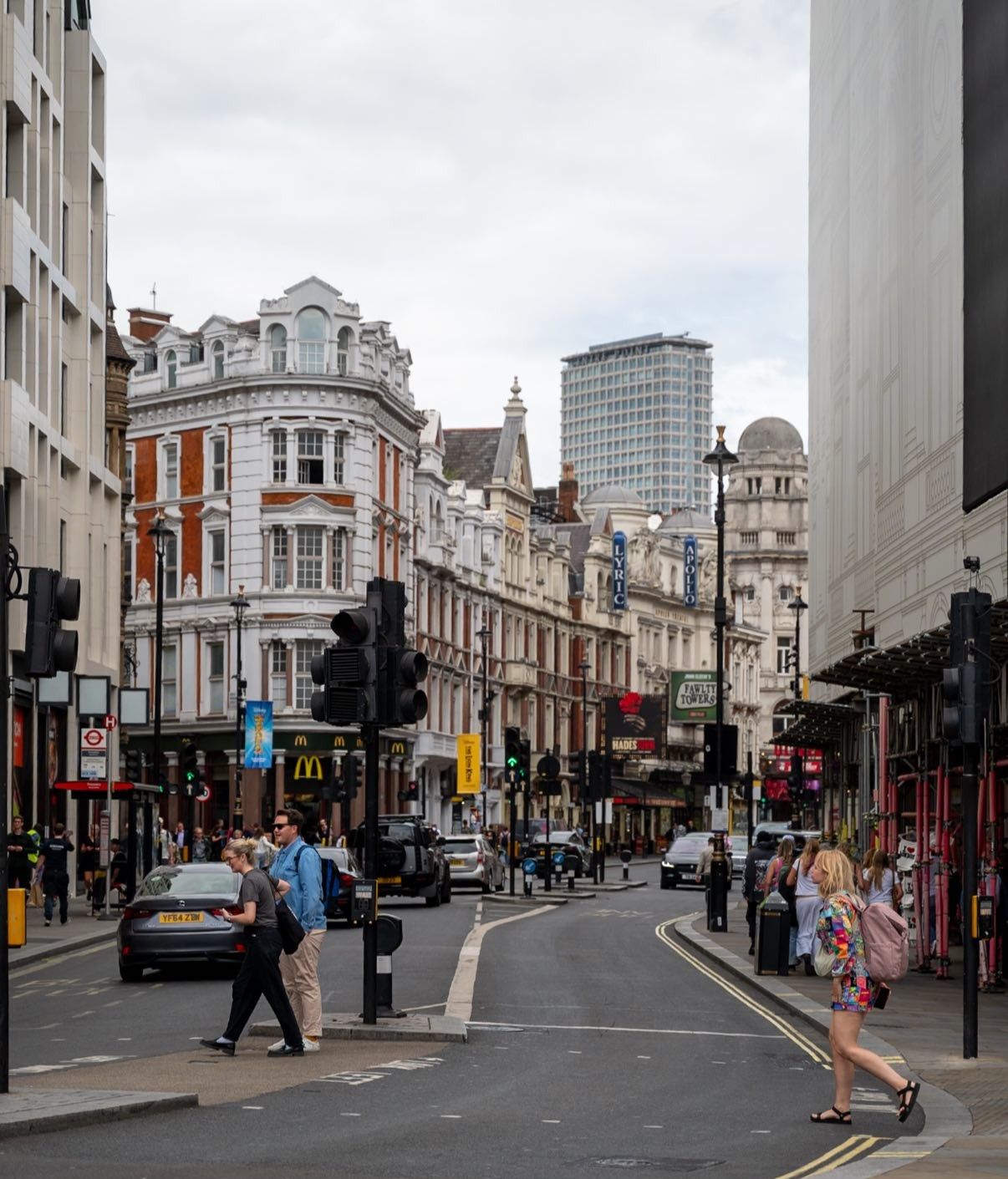
The London tourist office on Forbidden Planet : https://www.visitlondon.com/things-to-do/place/171460-forbidden-planet
The London tourist office on what is around Shaftesbury : https://www.visitlondon.com/search?keywords=Shaftesbury
There you go folks, as many knows, this is one of the main cities in all of Europe, and must to visit, me think, London is it !. Again, hope you enjoy the post on curiosities of London, part IV !!! as I.
And remember, happy travels, good health, and many cheers to all !!!

 Paris1972-Versailles2003
Going to London in May! Hope for good weather!
LikeLiked by 1 person
Enjoy it me going next week. Thanks ⁶for stopping by Cheers
LikeLiked by 1 person
Enyou you too!
LikeLiked by 1 person
Thanks
LikeLiked by 1 person