
I like to bring you back to a wonderful cosmopolitan city I like. I have come here on business trips and one family trip that was very memorable as my French-American boys really like it and still do have their room decorated as London. I was looking at my blog and found several pictures in my cd rom vaults that should be in my blog for you and me, This is a City that needs to be back for it, eventually, Therefore, here is my take on curiosities of London, part III !!! Hope you enjoy it as I.
Buckingham Palace is both the venue for events in relation to the Royal family, the home of many visiting heads of State, and an important tourist attraction. Built for John Sheffield, Duke of Buckingham and Normandy (yep you know it), in 1703, it is the place of residence of the British monarchy. It was enlarged during the 19C for King George IV. In the middle ages, the site of Buckingham Palace formed part of the Manor of Ebury. It had several Royal occupants since Édward the Confessor and was the subject of numerous speculations about its owner: a flaw in the lease of Charles I of England allowed the land to return to the Royal lap in the 18C.
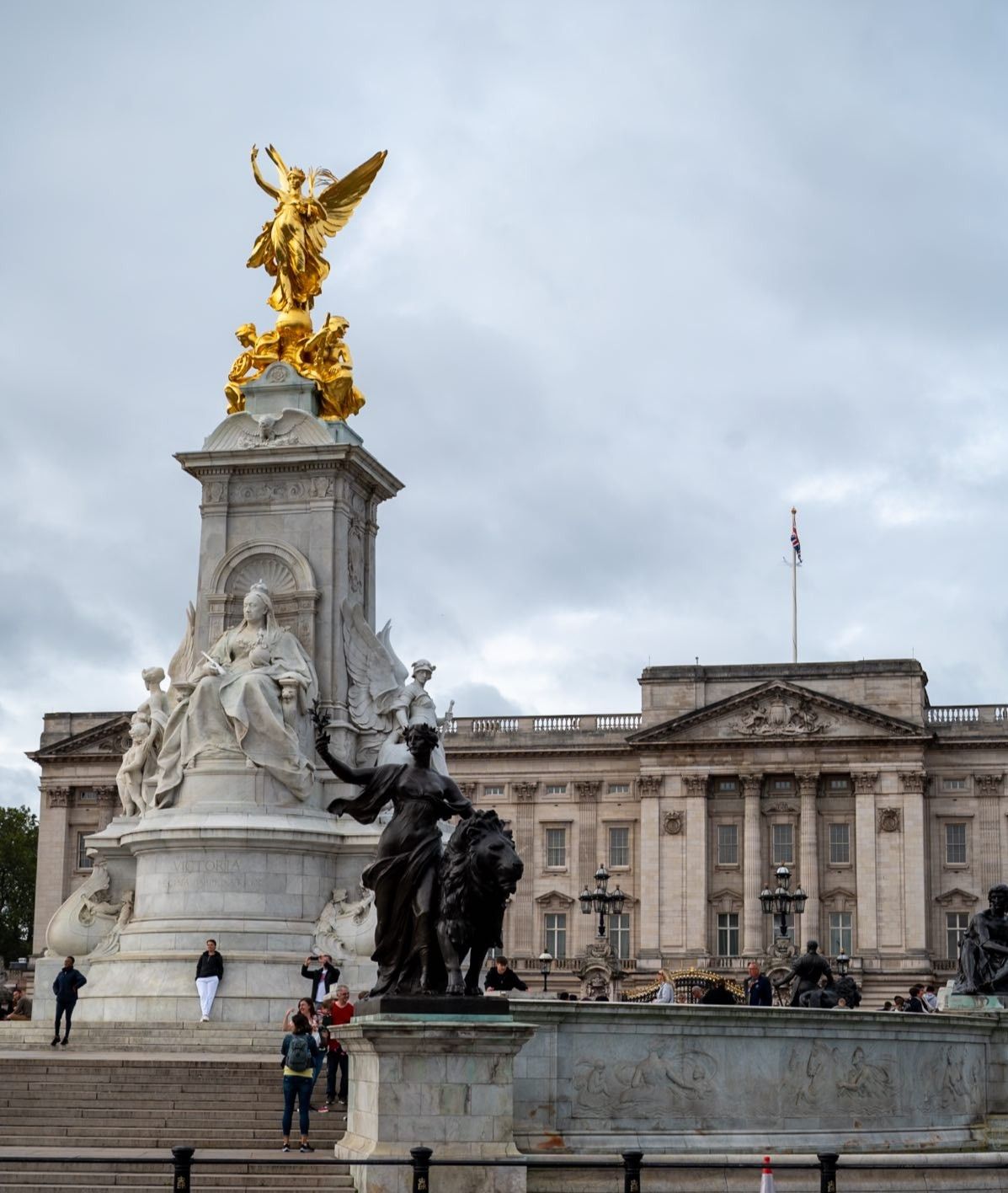
The London tourist office on the palace :https://www.visitlondon.com/things-to-do/place/427311-buckingham-palace
The Burlington House is located on Piccadilly in Mayfair. It was originally a private English Baroque and then Neo-Palladian mansion owned by the Earls of Burlington. It was significantly expanded in the mid-19C after being purchased by the British government. The house was one of the earliest of a number of very large private residences built on the north side of Piccadilly, previously a country lane, from the 1660s onwards. The first version was begun in about 1664, The Royal Academy of Arts took over the main block in 1867, The former east and west service wings on either side of the courtyard and the wall and gate to Piccadilly were replaced by much more voluminous wings. These were completed in 1873, and the three societies moved into these. In 1874, they were joined by the Geological Society of London, the Royal Astronomical Society and the Society of Antiquaries. This arrangement lasted until 1968, when the Royal Society moved to new premises in Carlton House Terrace, and its apartments were split between the Royal Society of Chemistry and the British Academy. The British Academy also moved to Carlton House Terrace in 1998, and the Royal Society of Chemistry took over the rest of the east wing. Burlington House is most familiar to the general public as the venue for art exhibitions from the Royal Academy of Arts. The academy is housed in the main building at the northern end of the courtyard. Five learned societies occupy the two wings on the east and west sides of the courtyard and the Piccadilly wing at the southern end. Collectively known as the Courtyard Societies, these societies are: Geological Society of London (Piccadilly/east wing) ; Linnean Society of London (Piccadilly/west wing) ; Royal Astronomical Society (west wing) ; Society of Antiquaries of London (west wing) ; and Royal Society of Chemistry (east wing)
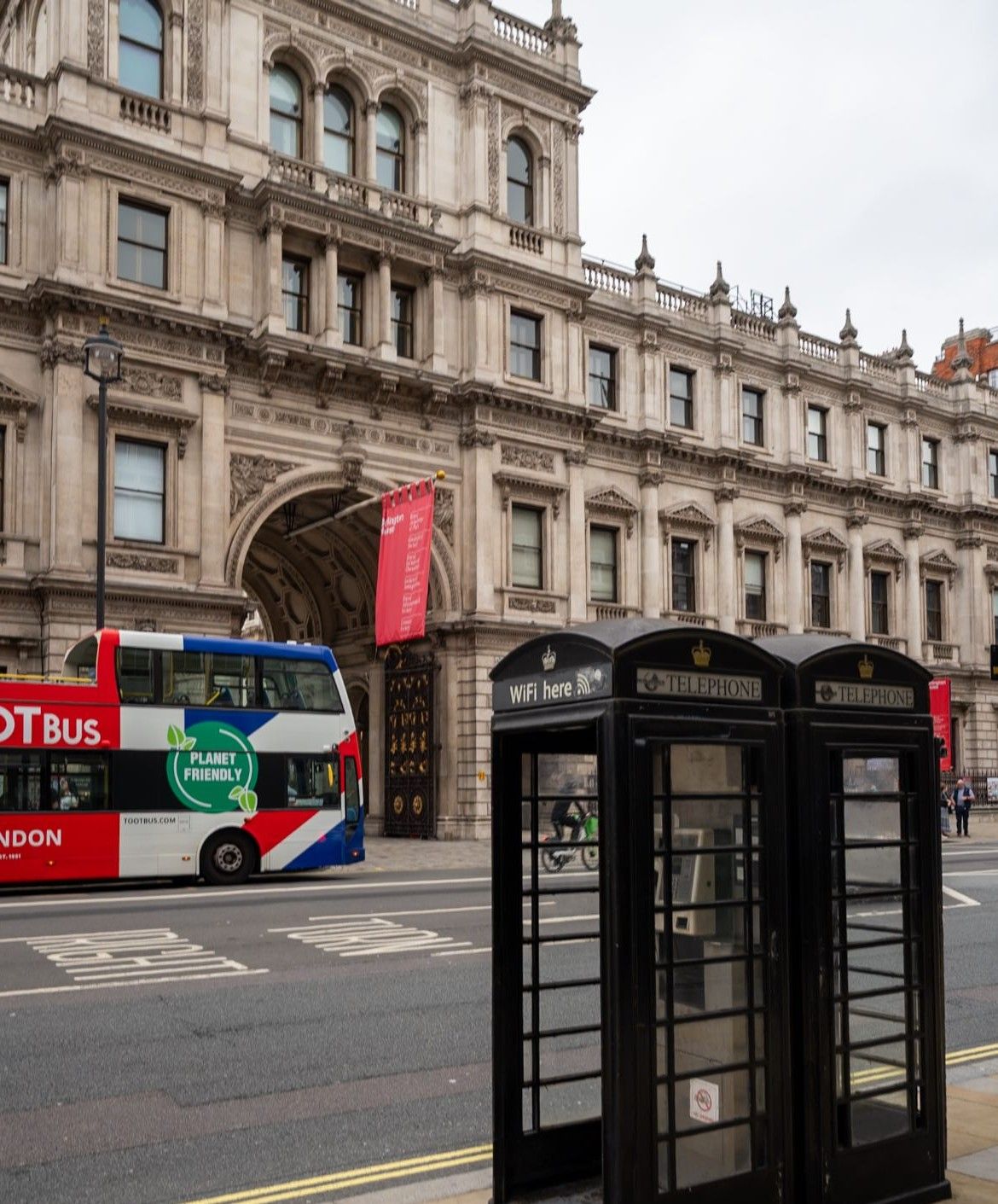
The London tourist office on the Royal Acadamie of Arts (Burlington house) : https://www.visitlondon.com/things-to-do/place/58822-royal-academy-of-arts
Westminster Abbey is one of the most famous religious buildings in London or the UK for that matter. Its construction dates mainly from the 13C, under king Henry III. It is the burial place of most of the kings and queens of England and also of famous men and women. The Poets’ Corner honors the writers of the kingdom. Almost all of the coronations of English monarchs took place in this abbey. The abbey’s real name is St Peter’s Collegiate Church. Westminster means West Abbey because it was located west of the City as opposed to Eastminster, a Cistercian monastery which was to the east, beyond the Tower of London, (see post) on the site of the current Royal Mint. In ancient French, Westminster Abbey was called Ouestmoustier or Latin, monasterium.(Monastery).
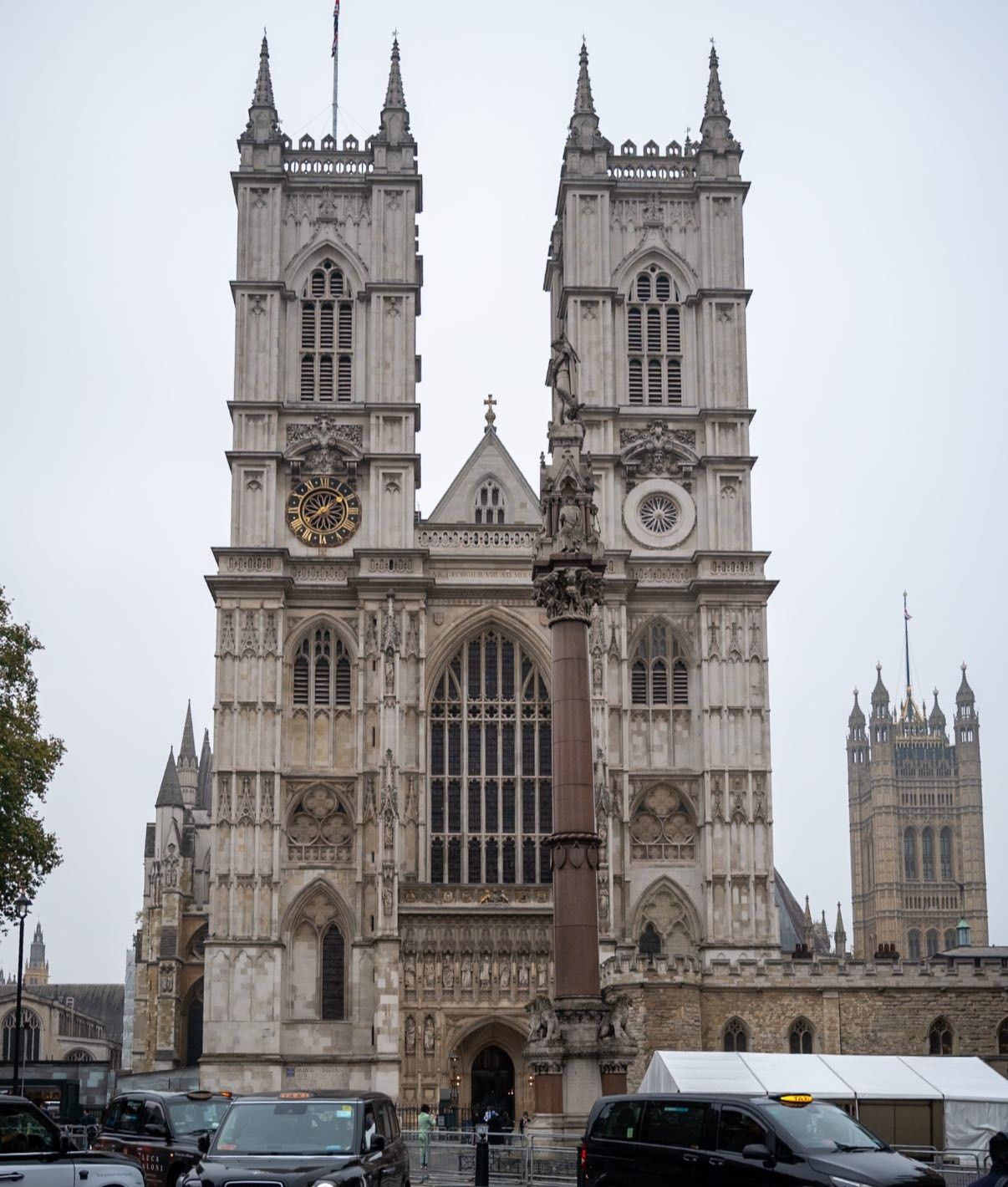
The London tourist office on Westminster Abbey : https://www.visitlondon.com/things-to-do/place/610825-westminster-abbey
The St. Paul’s Cathedral is the cathedral of the Diocese of London of the Church of England. It was built after the destruction of the old church during the Great Fire of London in 1666. It crowns Ludgate Hill, a site which housed four shrines before the current cathedral and is located in the City of London, the historic heart of the city that has become today the main business district. It is considered to be the masterpiece of the famous English architect, Sir Christopher Wren. The Dean of Saint Paul is the head of the chapter of Saint Paul Cathedral. He is an important dignitary of the Anglican Church. The St Paul’s Cathedral is a blend of classical and baroque architecture. Its dome, with a total weight of 65,000 tons, was made up of three interlocking envelopes, and its bell towers designed to dominate the entire city. The top of the dome, reached by climbing 528 steps, is about 111 meters high , Featuring a gigantic nave 150 meters long and 36 meters wide, the interior is striking with the altar topped by an impressive canopy as the focal point. The very protruding transept reaches 76 meters from one facade to the other.
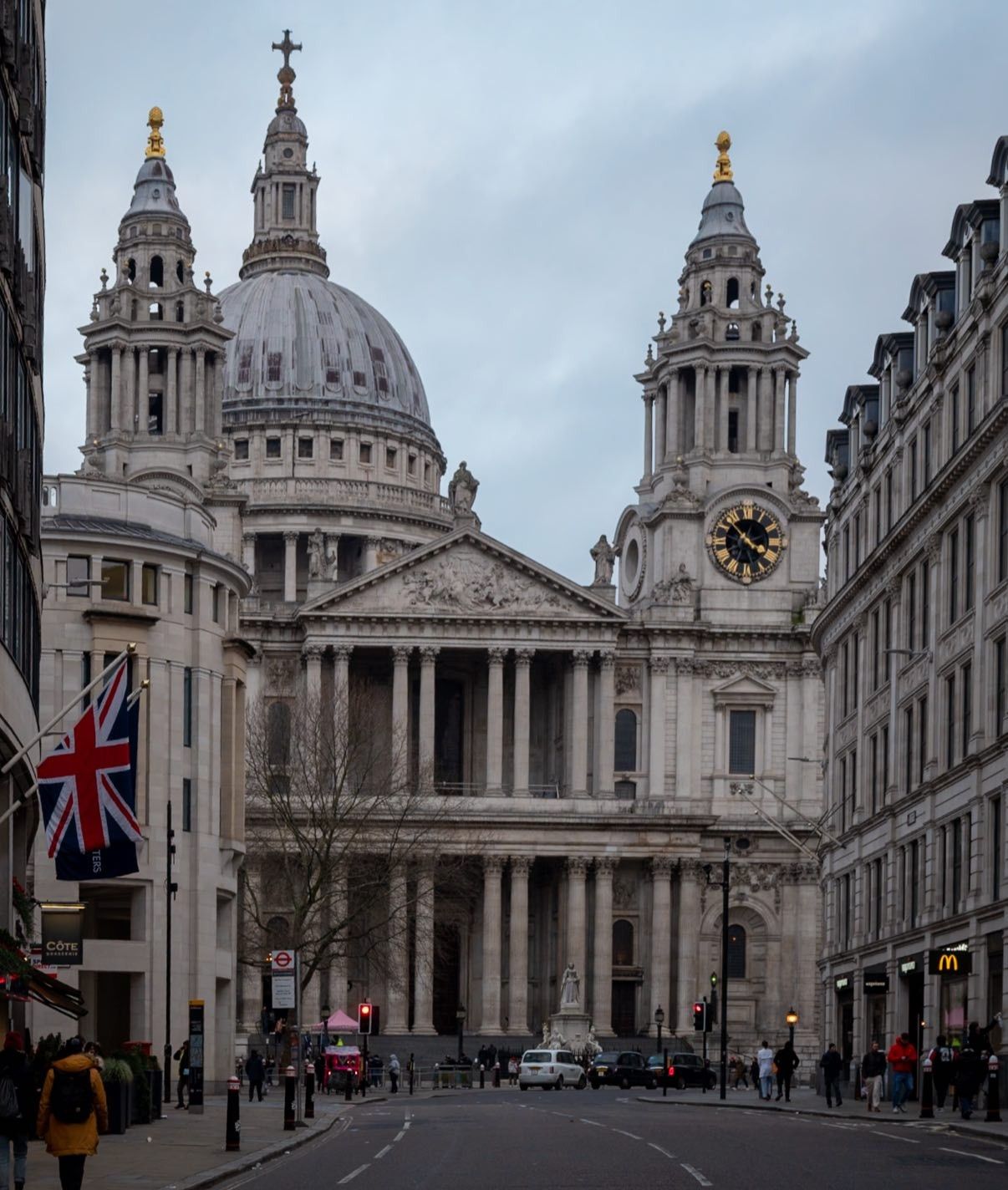
The London tourist office on St Paul’s Cathedral : https://www.visitlondon.com/things-to-do/place/284990-st-pauls-cathedral
Big Ben is the nickname for the 13.5-ton large bell on top of the Elizabeth Tower, the clock tower of the Palace of Westminster, which is the seat of the Houses of Parliament. It is a symbol of the city of London. Only people who live in the UK can visit the clock tower after obtaining permission (so was told never tried to go up). The building faces the Thames, between Westminster Bridge and Westminster Abbey . Initially, the name of this bell was the Great Bell. The origin of the name Big Ben is uncertain. The Westminster tube/metro/subway station with the stops Circle and District,as well as Jubilee On the Circle and District lines the station is between St James’s Park and Embankment stations, and on the Jubilee line it is between Green Park and Waterloo stations. It is in Travelcard Zone 1, The station is located at the corner of Bridge Street and Victoria Embankment and is close to the Houses of Parliament, Big Ben, Westminster Abbey, Parliament Square, Whitehall, Westminster Bridge, and the London Eye. Also close by are Downing Street, the Cenotaph, Westminster Millennium Pier, the Treasury, the Foreign and Commonwealth Office, and the Supreme Court.
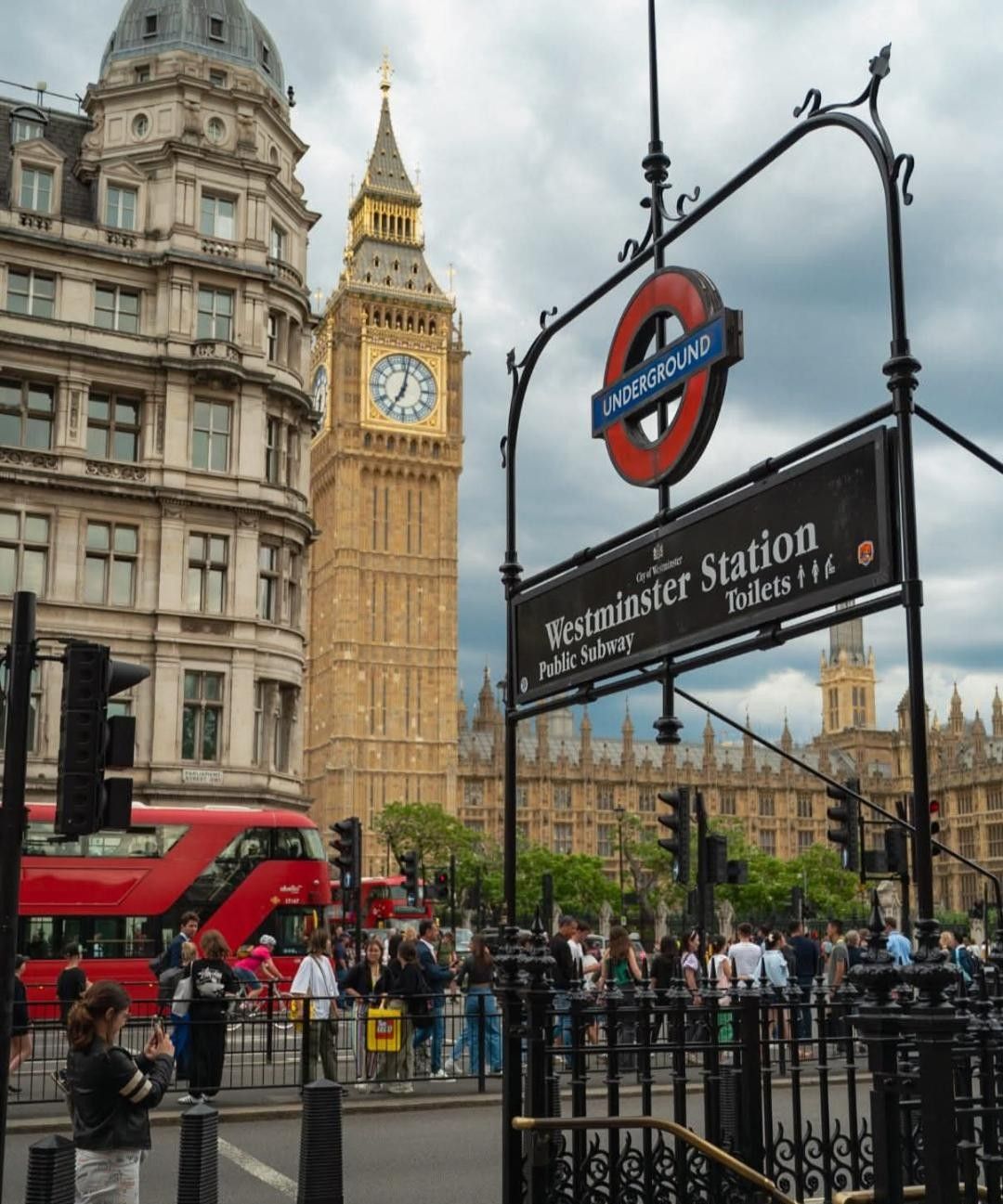
The London tourist office on Big Ben: https://www.visitlondon.com/things-to-do/sightseeing/london-attraction/big-ben
The London tourist office on taking the Tube/metro/subway in London : https://www.visitlondon.com/traveller-information/getting-around-london/london-tube
The Tower Bridge is a bascule bridge, located in London and in particular allowing the passage of the Thames river to motorized vehicles. It belongs to the class of suspension bridges and is composed of granite for its facade, steel for its structure and concrete for its foundations. It is located between the boroughs of Southwark and Tower Hamlets, near the Tower of London from which it takes its name. At the time of its construction, the Tower Bridge is the largest with 246 meters in length and 65 meters in height ; and the most sophisticated of the bascule bridges ever built. The bridge was officially opened on June 30, 1894 by the Prince of Wales, future King Edward VII and his wife, the Princess of Wales, Alexandra of Denmark.
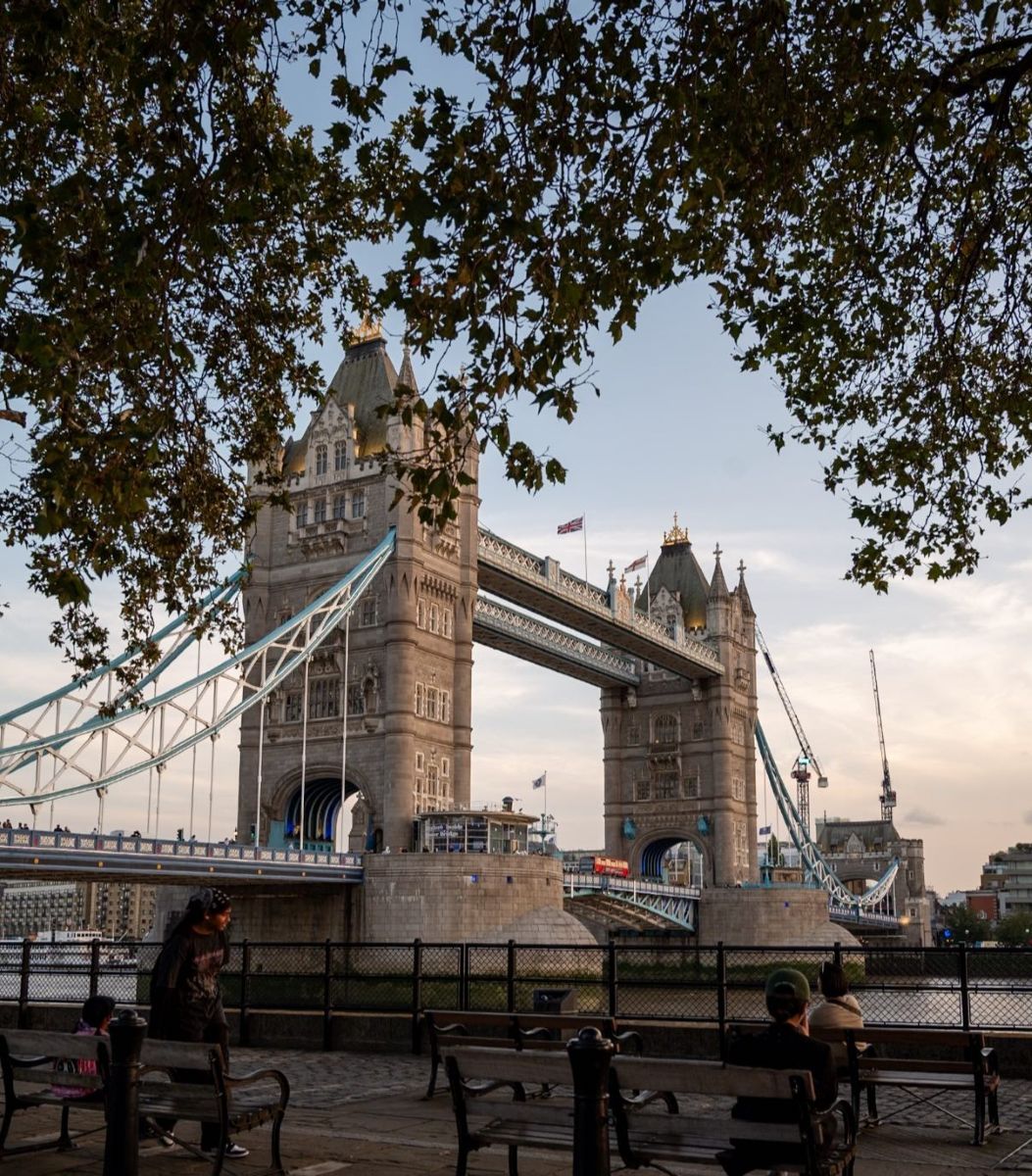
The London tourist office on the Tower Bridge: https://www.visitlondon.com/things-to-do/place/3901803-tower-bridge
There you go folks, as many knows, this is one of the main cities in all of Europe, and must to visit, me think, London is it !. Again, hope you enjoy the post on curiosities of London, part III !!! as I.
And remember, happy travels, good health, and many cheers to all !!!

 Paris1972-Versailles2003