
This again a find in my vault of older paper pictures and they should be in my blog for you and me. Many memories of going here as a child and my parents before me. It was a family tradition that continue until we left the island many years ago. Today, these pictures brings a lot of nostalgia of my parents taken me to Guamà. Therefore, let me bring these precious pictures to live and tell you of this is Guamà in Matanzas province of Cuba !!! Hope you enjoy the post as I,
Guamá is the most important wetland in Cuba and the entire Caribbean, located halfway between Jagüey Grande and the Bay of Pigs. This is in the province of Matanzas, western Cuba, Its name comes from the Taino indian chief Guamá. It is located approximately 150 km from Havana , and 117 km from Varadero,. My family and I has always came here by car.
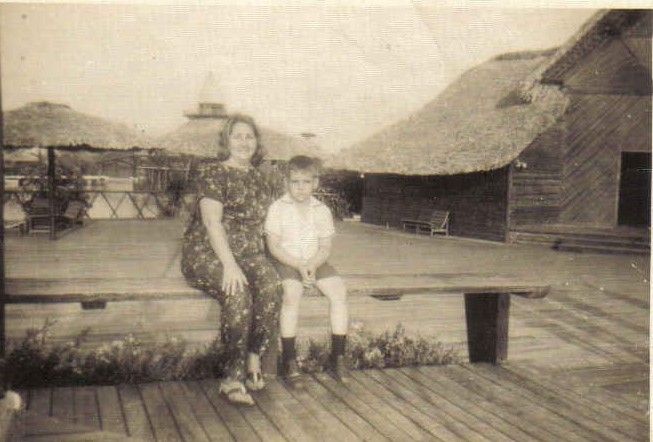
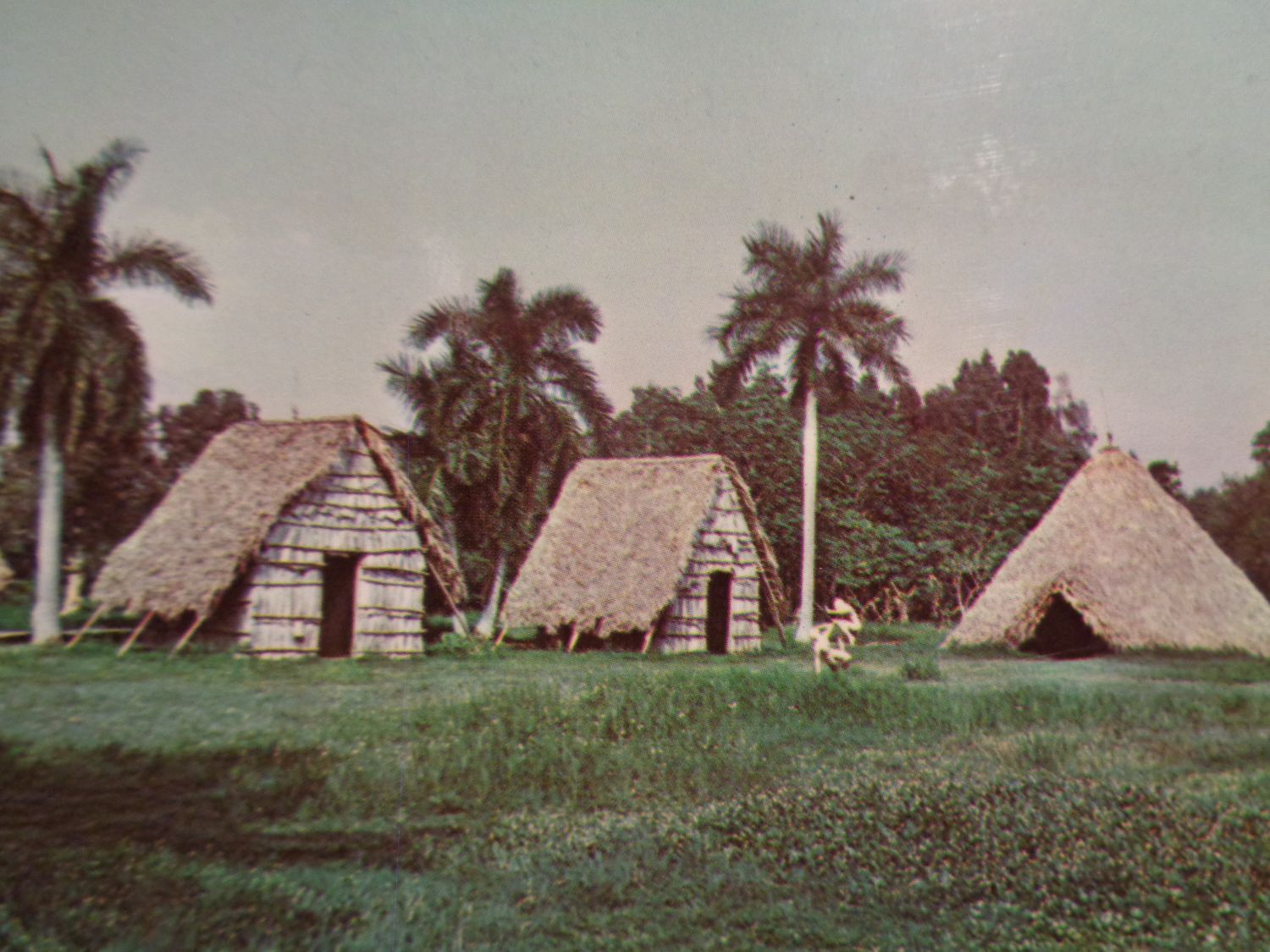
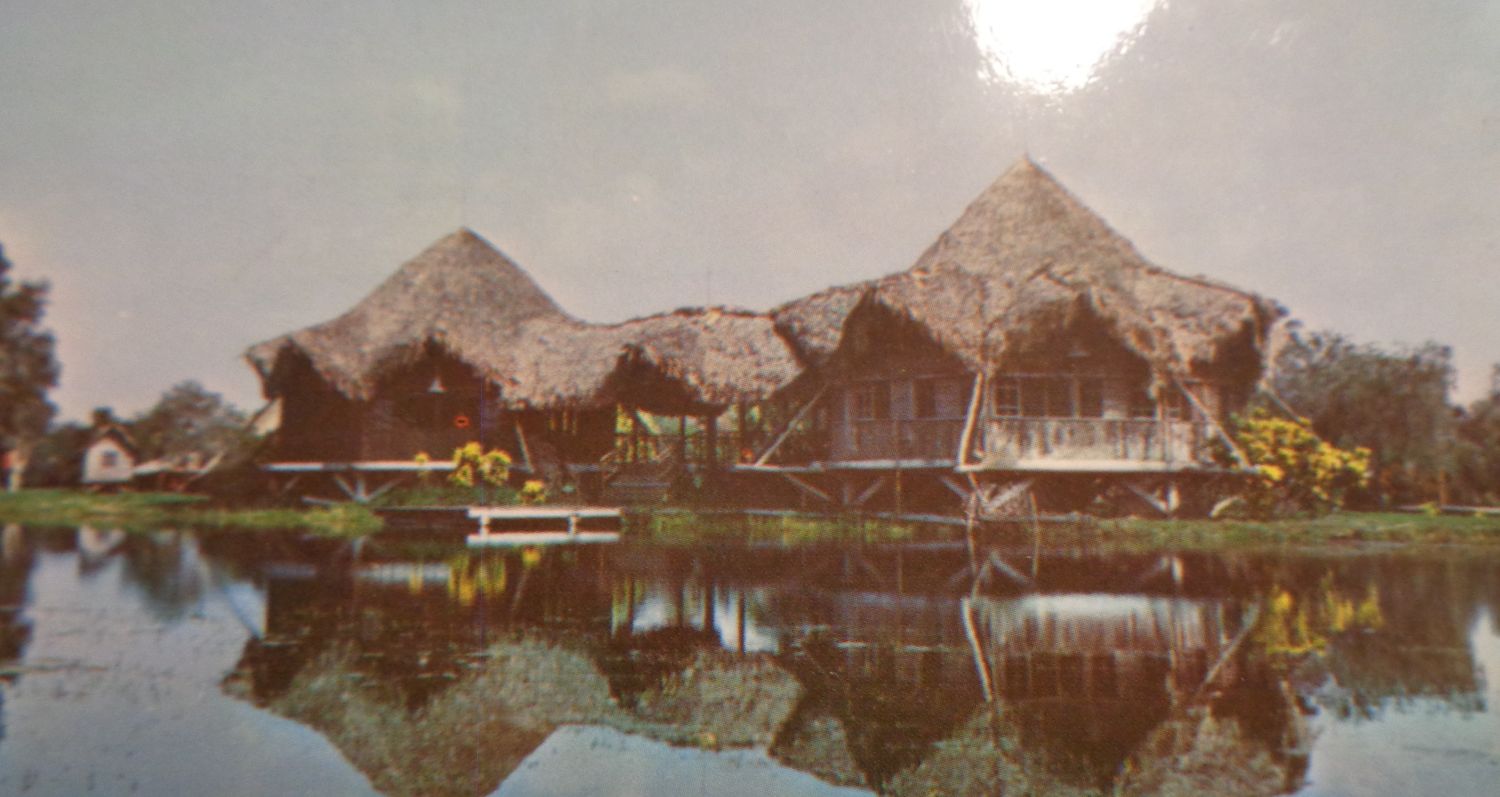
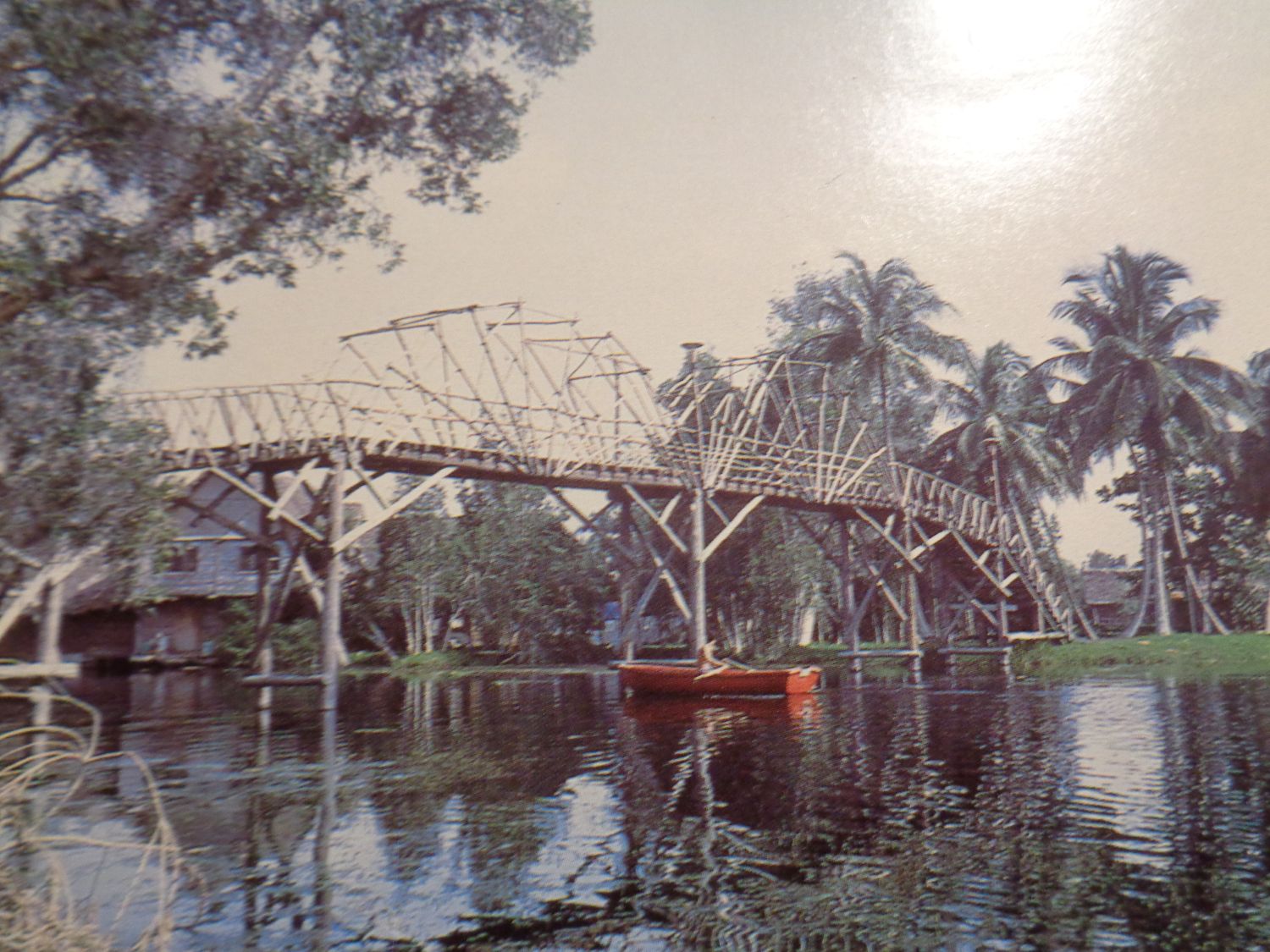
The Guamá Taíno Village is one of the most interesting places to visit in Cuba. A network of islands composed of forty-seven bohíos, life-size huts, make up the village. Located within the Boca de Guamá tourist complex, this site, founded in 1962, recreates the way of life of the indigenous people who inhabited this region. The village was built on the Laguna del Tesoro, (treasure lagoon) These are small islands connected by bridges, on which huts with wooden walls and guano (palm leaf) roofs are built, following the architectural style of the ancient indigenous villages. My dear Mom and me, many years ago here !! Memories forever !
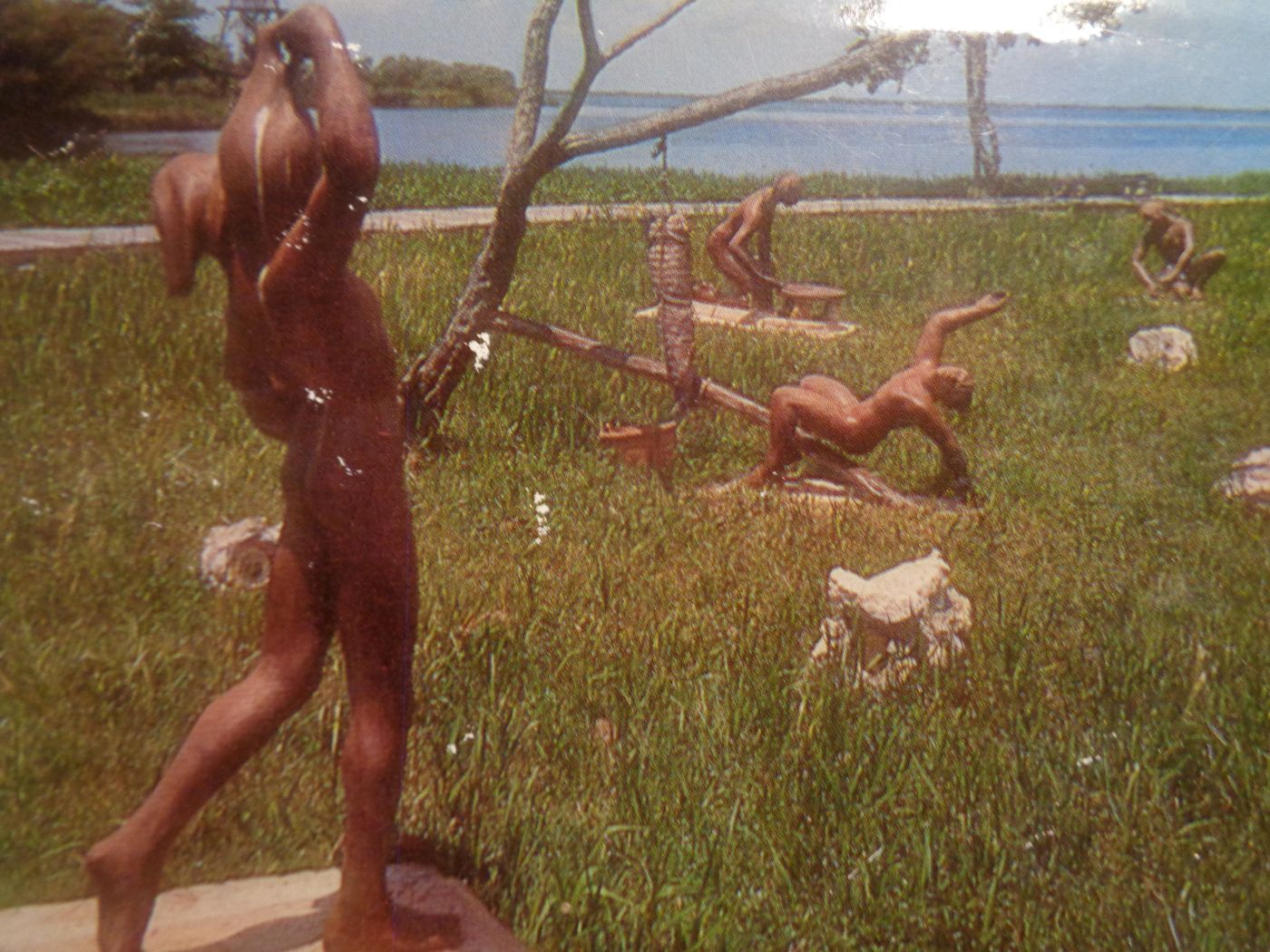
While sailing in the lagoon, you can see a sculptural ensemble of 25 pieces. The sculptures were made on a life-size scale from cast stone, a construction material composed of sand, cement, and marble dust. The sculptural works, which are highly realistic, depict men, women, and children engaged in activities such as hunting, fishing, agriculture, pottery, celebrations, and religious rites. The instruments used by this ancient Cuban people have also been recreated in stone.
In the surroundings of the village you can observe a diversity of terrestrial and aquatic animals. It is located in the Zapata Swamp of the Zapata Peninsula National Park . A marshy ecosystem that is also a biosphere reserve and constitutes the largest wetland in the Caribbean islands with approximately 300,000 hectares. On site, it is possible to visit a crocodile farm that is home to more than 10,000 specimens.
Speedboat rides through the Laguna del Tesoro lagoon, considered the largest in the country with 16 km² of surface area. This lagoon stands out not only for its beauty, but also for the legend it represents. It is said that the natives of the region threw their riches into these waters so as not to hand them over to the Spaniards who, in the 16C, conquered these lands, The Laguna del Tesoro, or treasure lagoon just way south of Varadero, You have to take a boat to cross the Canal de la Laguna and thus arrive at the lagoon. This is very near Playa Larga a bigger nicer resort at the point north of the famous Bay of Pigs.
In the province of Matanzas see the Cuevas de Bellamar (caves) ; Mansión Xanadú, Delfinario at Punta Hicacos Natural Park , and the Ambrosio Cave housing 47 pre-Columbian paintings within its 300 meters. The best preserved are in the Hall of the Claraboyas, the most representative. The Yumurí Valley is a natural landscape covering a total area of 9,666 hectares and is home to the island’s flora and fauna. It is crossed by the Yumurí and Bacunayagua rivers, which flow into the northern coast of Matanzas, The puente de Bacunayagua bridge allows the Vía Blanca highway to cross the Yumuri Valley. With a total span of more than 313.5 meters, an arch span of 114 meters, and an altitude of 103.5 meters above sea level and a width of 16 meters, it is considered one of the seven wonders of Cuban civil engineering.
The original official name of the City of Matanzas is San Carlos and San Severino de Matanzas , capital of the province of the same name. It was founded in October 1693 between the mouths of the Yumurí, San Juan, and Canímar rivers. Several names define it, such as “Sleeping Beauty”, “The Cuban Venice” for its bridges, or the “Athens of Cuba”, land of poets. Matanzas is also known as “The City of Bridges”, as it has more than twenty of them, due to the three rivers that cross it through almost its entire territory. It is 102 km from Havana and 40 km from the Hicacos Peninsula where the seaside resort of Varadero is located, You can see here Pharmaceutical Museum (Museo Farmacéutico), established in 1882, The Museo de Historia Provincial de Matanzas (Museo Historico Provincial de Matanzas). This is an exceptional example of a 19C house. Teatro Sauto opened in 1863, the theater offers plays, operas, ballets, and symphony concerts. It is a national monument of Cuba and a symbol of the city. The Cathedral of San Carlos de Borromeo , Completed in 1750, it is considered a beautiful church with elegant frescoes on the walls, ceilings, and in the great dome. However, after years of neglect due to lack of funding, the decline seems irreparable. Its necropolis is very famous. The Castle of San Severino served as a prison until the 1970s, before becoming the Museo de la Ruta de los Esclavos ,The castle and its large courtyard offer a superb panorama of Matanzas Bay., Church of Monserrate.
There you go folks, another dandy of my old Cuba , memories forever, even if today they are becoming blurred and far away in my mind. Guamà still an attracting place even if the crowds are different and the conditions worse; life goes on in this sad forgotten island of the powers to be . Again, hope you enjoy the post on this is Guamà in Matanzas province of Cuba !!! as I.
And remember, happy travels, good health, and many cheers to all !!!

 Paris1972-Versailles2003