
We were back to my dear Spain again !! love it !! We came by car of course and took time to see new areas and old repeat with some of them as introduction to my sons and our dog Rex ! I rented a small house in a off the beaten path country town that was just perfect ! I like to continue the saga of our new road warrior experiences even if now with less in our family, This post is on my latest road warrior tour of wonderful sublime Spain. Therefore, let me tell you about curiosities of Ávila , part III !!! Hope you enjoy the post as I.
The City of Ávila is the capital of the province of Avila in the Autonomous Community of Castilla y León in the kingdom of Spain. It is located 105 km from Salamanca, 70 km from Segovia, 115 km from Madrid, and 126 km from our house rental in Velliza, All on the A62, A6 and N403 to City center.
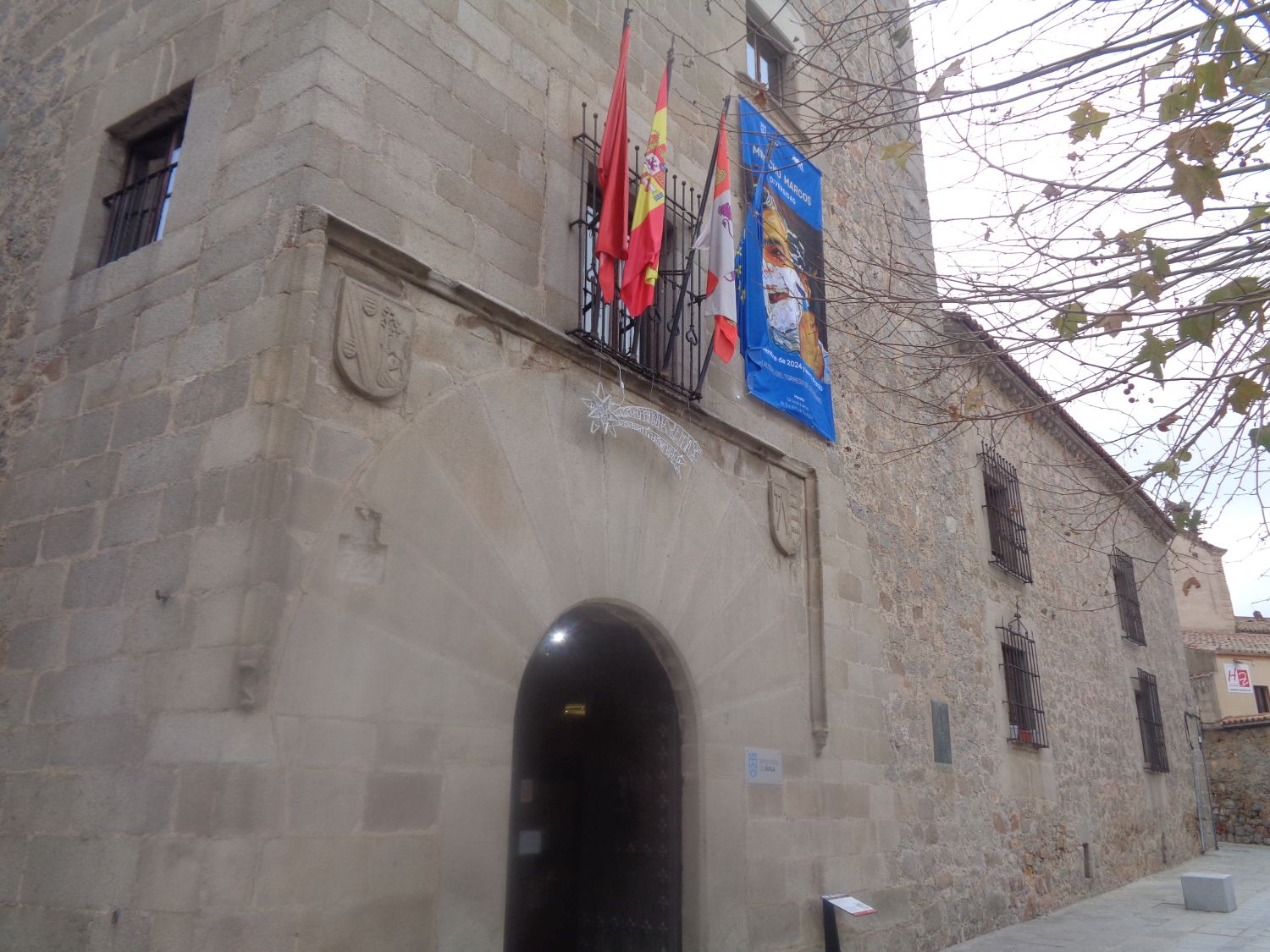
The Torreón de los Guzmanes is a Renaissance building was built in 1513 by order of Garcibáñez de Mújica, on another construction that previously belonged to Sancho del Águila. In 1878, King Alfonso XII, during a visit to the city occupied this palace to stay. denoting its defensive character. The double gallery portico patio on the ground floor has gallery with stubborn arches and cornices on which rosettes and large shields are arranged. The whole set is supported by 12 columns of Doric Tuscan order. The Torreón basements were restored as an exhibition hall. Today permanent headquarters of an exhibition on the pre -Roman verraco stone culture, although it also hosts temporary exhibitions in its central room.
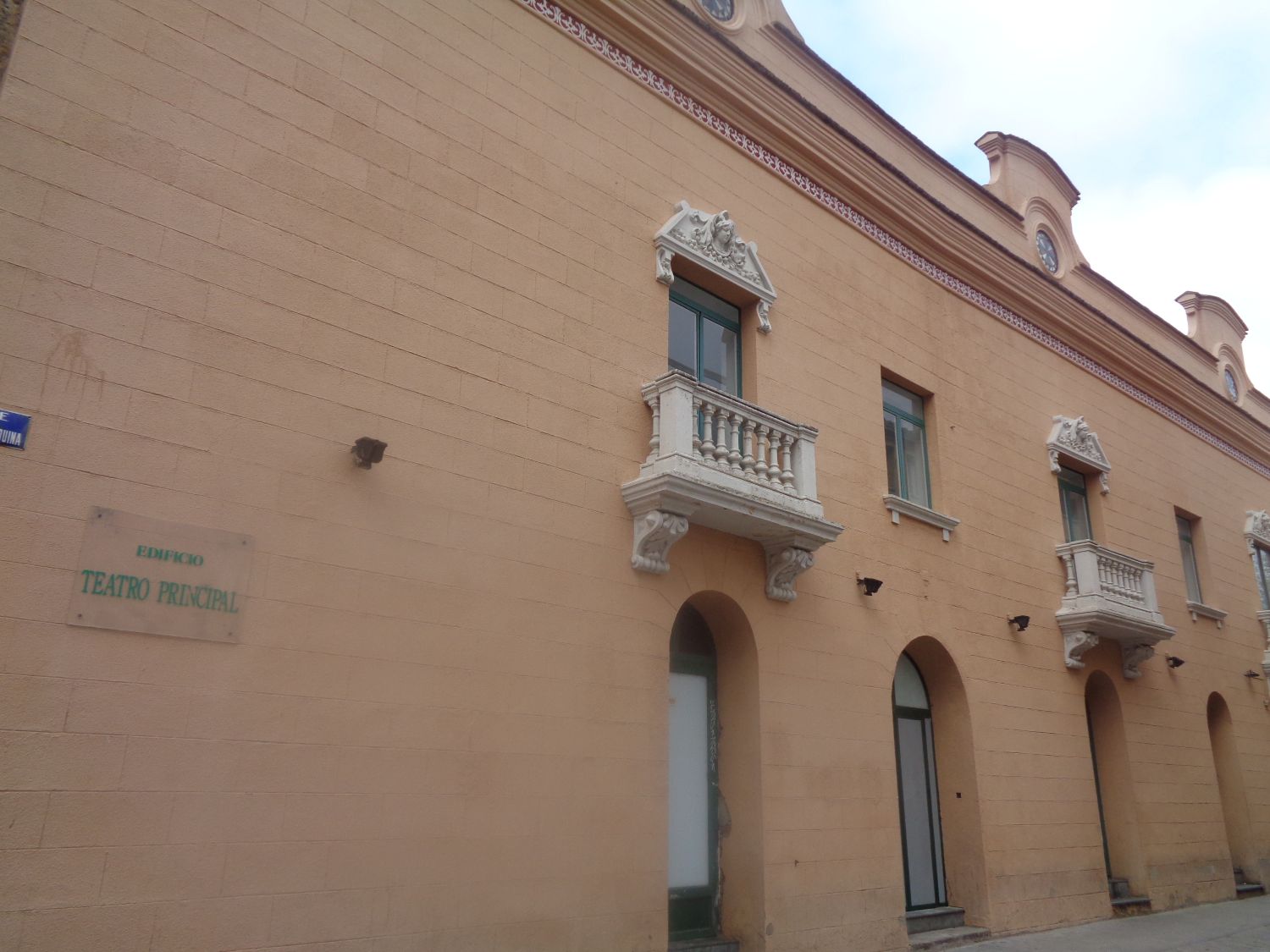
The former Teatro Principal of Ávila located at Calle de Eduardo Marquina, 1, There was a time when this was the most important coliseum in the province. The theater settled in the remains of an old temple, the church of San Joaquín. It was the year 1818 and, until then, Ávila had stayed for several years orphan of theaters, not only the Teatro Principal or main theater was bought, but expanded and reformed , making it one of the most attractive scenarios of the old Castile. In 1923 Joaquín Fernández presented to his neighbors a brand new and refined coliseum, equipped with heating and the splendid decorative paintings that disappeared many years ago. Many adventure films and the stellar performance of Antonio Machín (well -known singer born in Cuba) were also screened in the main theater, because no one talked about something else for weeks. That building was restored and houses several offices and a bar with a disco today.
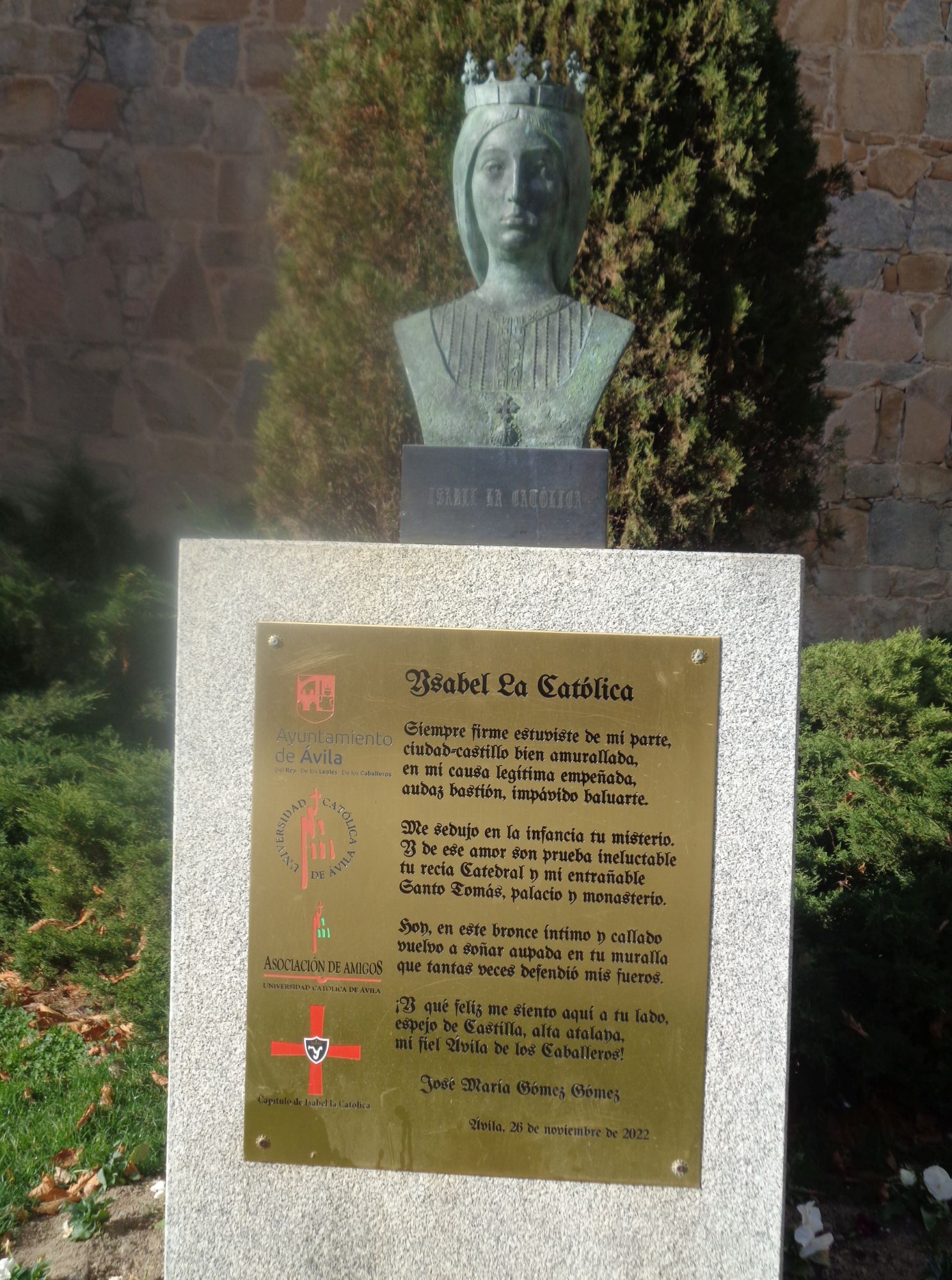
The Puerta del Alcázar or gate (see post) is located on Calle San Segundo and belongs to the Wall of Ávila, It was the first to be built, along with San Vicente, and retains its Romanesque execution. Its name comes from the Alcazar that was by there until 1927, when it was destroyed to create the building of the Catholic Monarchs. The small opening covered by a semicircular arc is flanked by two huge towers more than 20 meters high united in its upper part by a half -point arc bridge, to surprise from the top and by the rear to any attacker. Its current appearance comes from the reconstruction made in 1596 by Felipe II. The monument to queen Isabel I the Catholic was an effort of the Catholic University of Ávila (UCAV), through its chair “Isabel la Católica”, held the II Academic Day on Isabel la Católica “The political thought of Queen Elizabeth”, in the Palacio de Los Serrano (see post). The final brooch will be put by the inauguration of Queen Isabel’s bust next to the old Alcázar on .Calle de Nuestra Señora de Sonsoles, on the commemoration of the 550 years of linking of the Catholic Monarchs, germ of the territorial unity of Spain. The bronze bust has been elaborated by the sculptor José Luis Fernández Fernández, who has designed sculptures such as the Goya Awards, with the foundation technique of the lost wax.
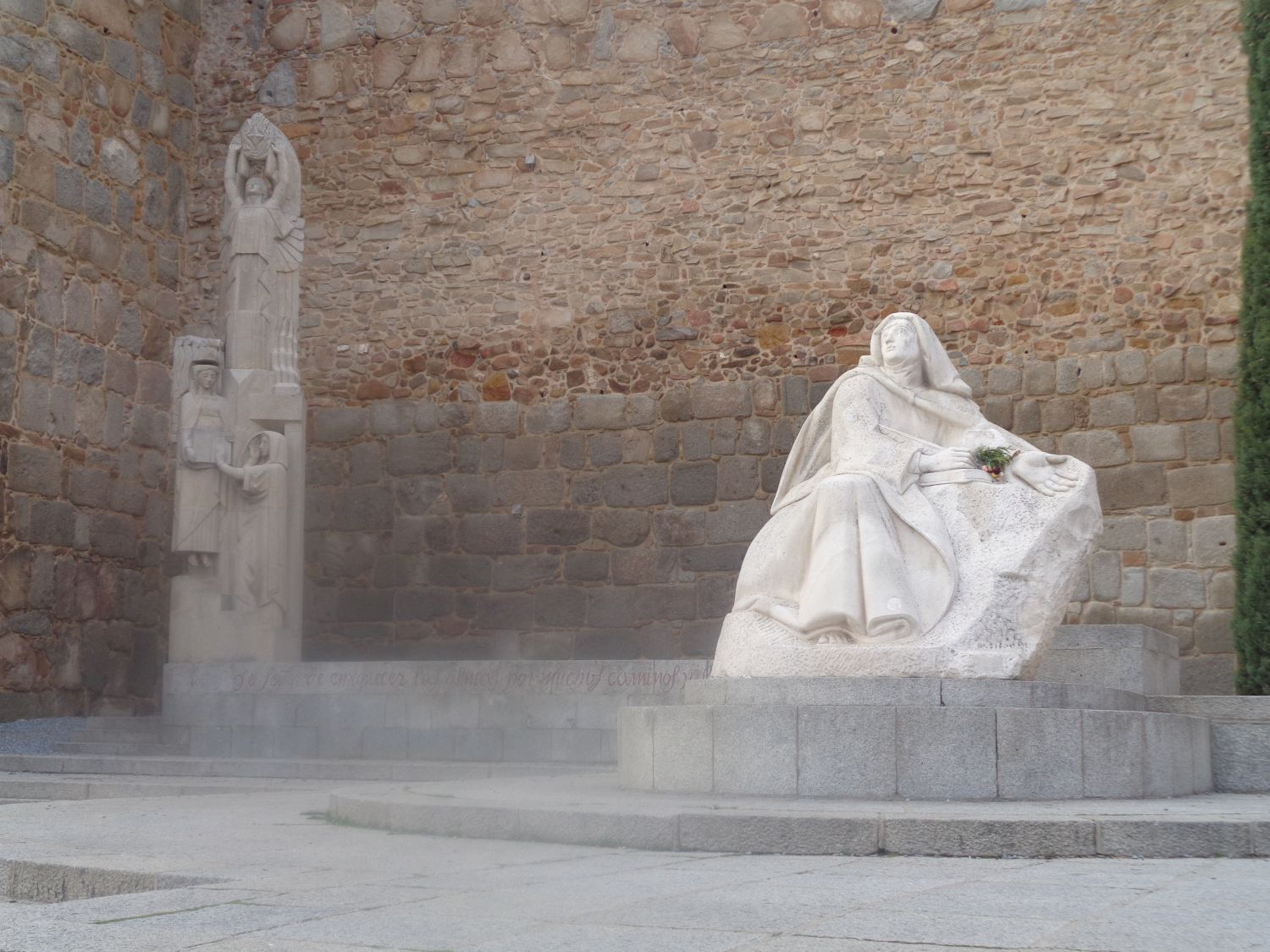
The monument to Teresa de Jesús located at Plaza del Mercado Grande is a sculptural set by Juan Luis Vassallo. The work consists of a sculpture of the saint and a sculptural group that alludes to their writings composed of the figures of 3 angels and an inscription. The work was carried out in 1982 as part of the preparations for the visit that Pope John Paul II would make that year to Ávila, The main figure of the monument, Santa Teresa, appears holding a pen as allusion to her status as a writer. Next to this piece a stone bank shows a phrase from the writer recorded with calligraphic letters. The set is completed with a lateral sculptural group, composed of three angels with whom it was intended to express the Teresian idea of the will to raise souls towards God.
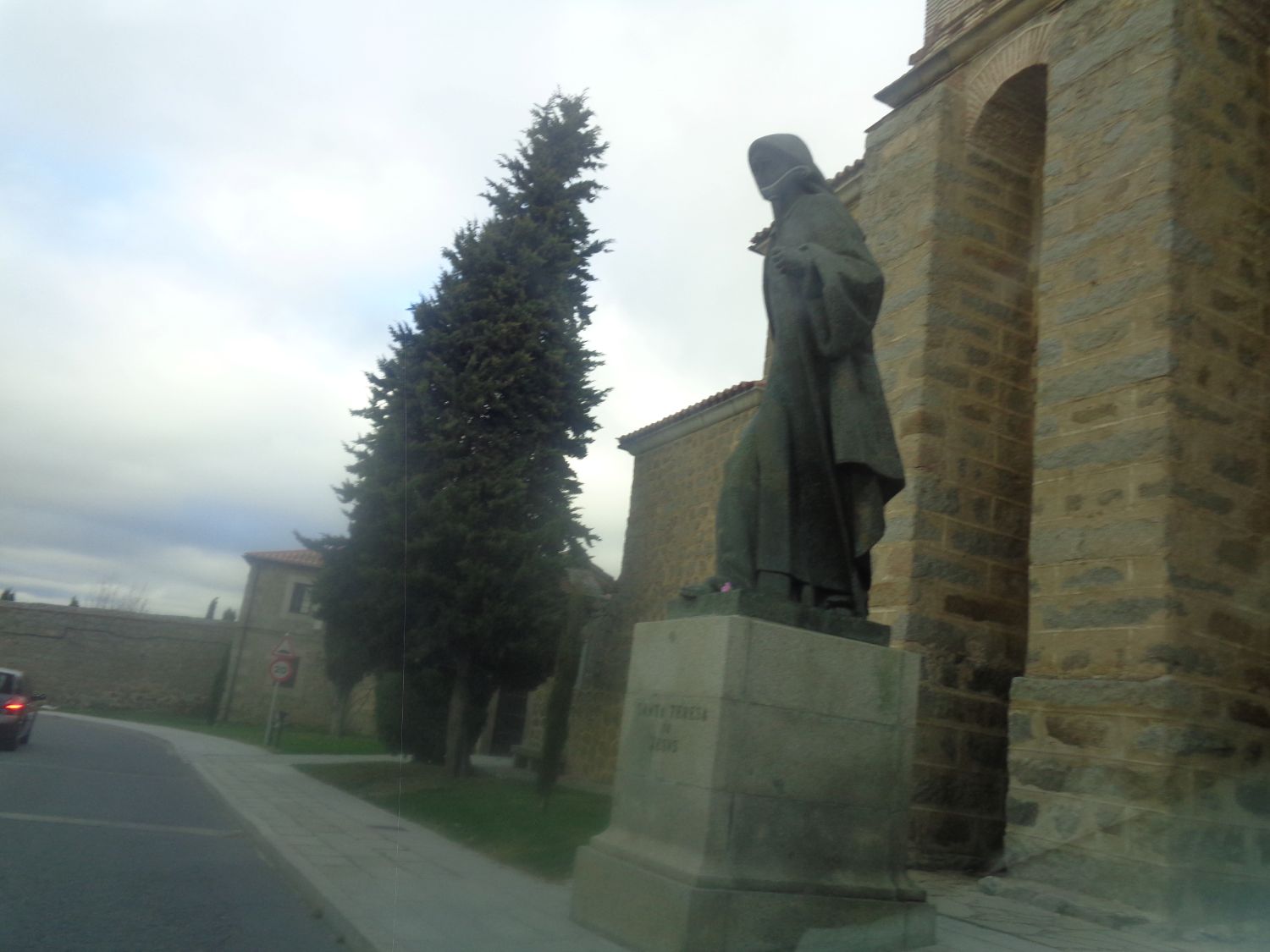
This modern bronze statue of 3.60 meters high that shows the figure of Santa Teresa de Ávila holding the fell with its left hand, holding the habit with the right and in an attitude of walking, is in front of the facade of the Monasterio de la Encarnacion (see post) or Incarnation, and it was made in 1968 by the sculptor Fernando Cruz Solís.
The Castilla y Léon regional tourist office on the heritage of Avila : https://www.turismocastillayleon.com/en/heritage-culture/avila
The Avila tourist office on its heritage : https://www.avilaturismo.com/en/what-to-see
There you go folks , another wonderful nostalgic, sentimental trip to my dear Spain, Do not know when we will be back, we sure will have this trip in our hearts forever, Again, hope you enjoy this post on curiosities of Ávila, part III !!! as I
And remember, happy travels, good health, and many cheers to all !!!

 Paris1972-Versailles2003