
We were back to my dear Spain again !! love it !! We came by car of course and took time to see new areas and old repeat with some of them as introduction to my sons and our dog Rex ! I rented a small house in a off the beaten path country town that was just perfect ! I like to continue the saga of our new road warrior experiences even if now with less in our family, This post is on my latest road warrior tour of wonderful sublime Spain. Therefore, let me tell you about curiosities of Ávila , part II !!! Hope you enjoy the post as I.
The City of Ávila is the capital of the province of Avila in the Autonomous Community of Castilla y León in the kingdom of Spain. It is located 105 km from Salamanca, 70 km from Segovia, 115 km from Madrid, and 126 km from our house rental in Velliza, All on the A62, A6 and N403 to City center.
The Palacio de los Almarza is located within the walled enclosure, along with other buildings of prominent artistic and historical value, Its construction is located at the end of the 15C and early 16C, the building consists of two floors with Torreón de Tres heights in one of its ends. On the facade, severe and granite masonry, the main cover is opened, similar to that of the evening mansion, Renaissance with medieval reminiscences. It has a remarkable half -point arc with large dovelas framed by an alfiz -shaped molding that extends to house an arquitrabada window and with a conopial arc. They decorate this set are shields and a fine Greca that runs through the inside of the alfiz. Access to the interior of the building is done through a wide zaguán with three doors: the main and access to the chapel and the current convent. The floors , low and main, communicate by a double ladder. The patio, with very small proportions and with poor enenclosure, It is as I write closed.
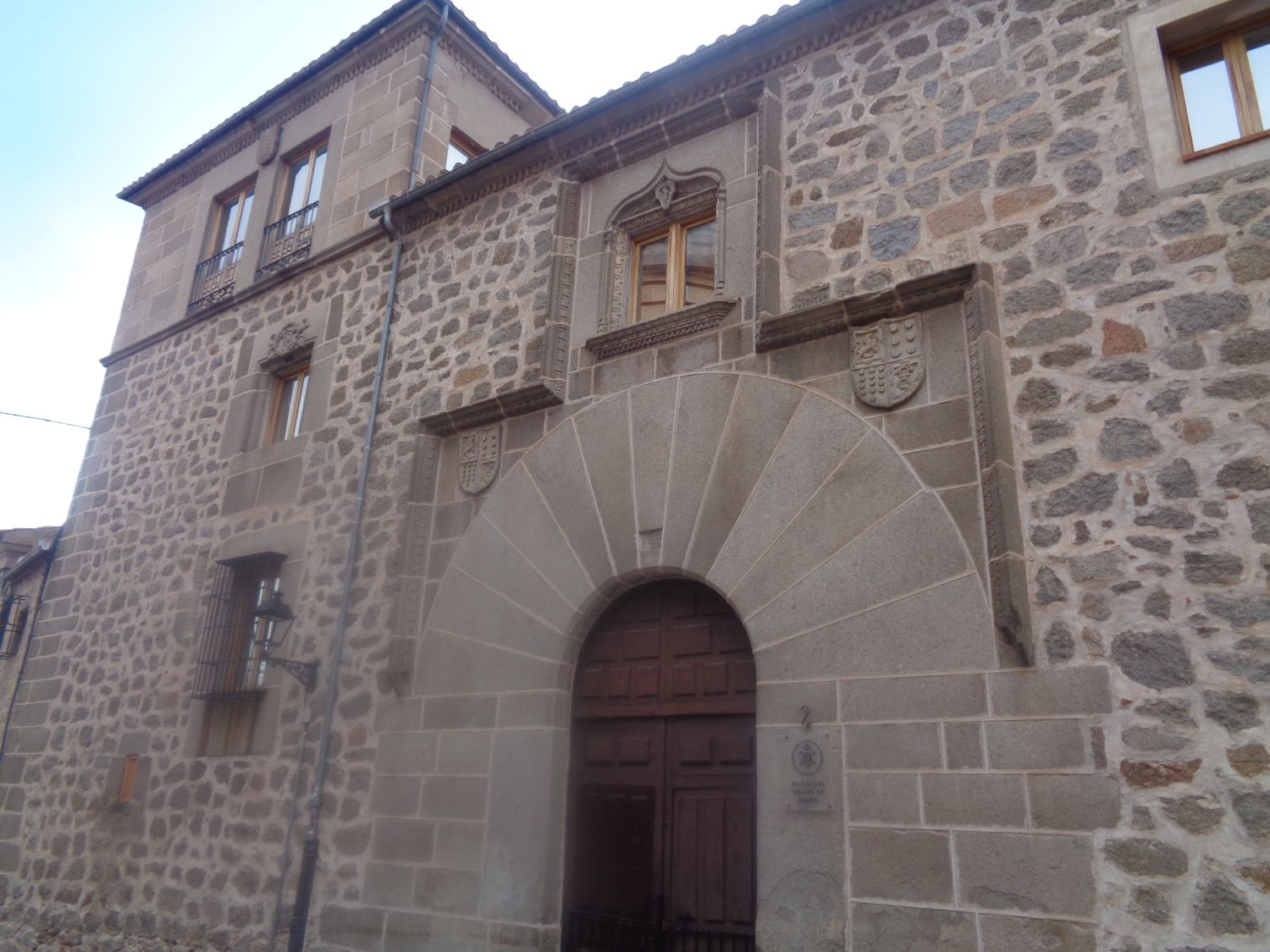
The Avila tourist office on the Palacio de los Almarza : https://www.avilaturismo.com/en/palace-of-los-almarza
The Castilla y Léon regional tourist office on the Palacio de los Almarza : https://www.turismocastillayleon.com/en/heritage-culture/palaces/palace-almarza
The Palacio de los Abrantes, or Palacio de los Dávila this palace is actually formed by four stately residences. Two Gothic buildings of the 14C, adorned with shields give to the Plaza de Pedro Dávila. The other two, which give to the Plaza del Rastro, belong to the Episcopal Palace. This majestic palace, in addition to being a defensive medieval fortress, is home to mysterious sculptures known as the verracos and a secret door that was built on the wall. Raised in the 13C, the palace shows elements added to the 16C, and is built in the same material as the Muralla or wall of Avila: granite stone. Its western facade presents geminated windows on the upper floor and an ojival gothic facade and another adintelada, dated in the 14C. The Matacanes and Merlones of their northern facade give an idea of their defensive character. The palace mansion is attach to the muralla of Avila with its oldest part the Puerta del Rastro.
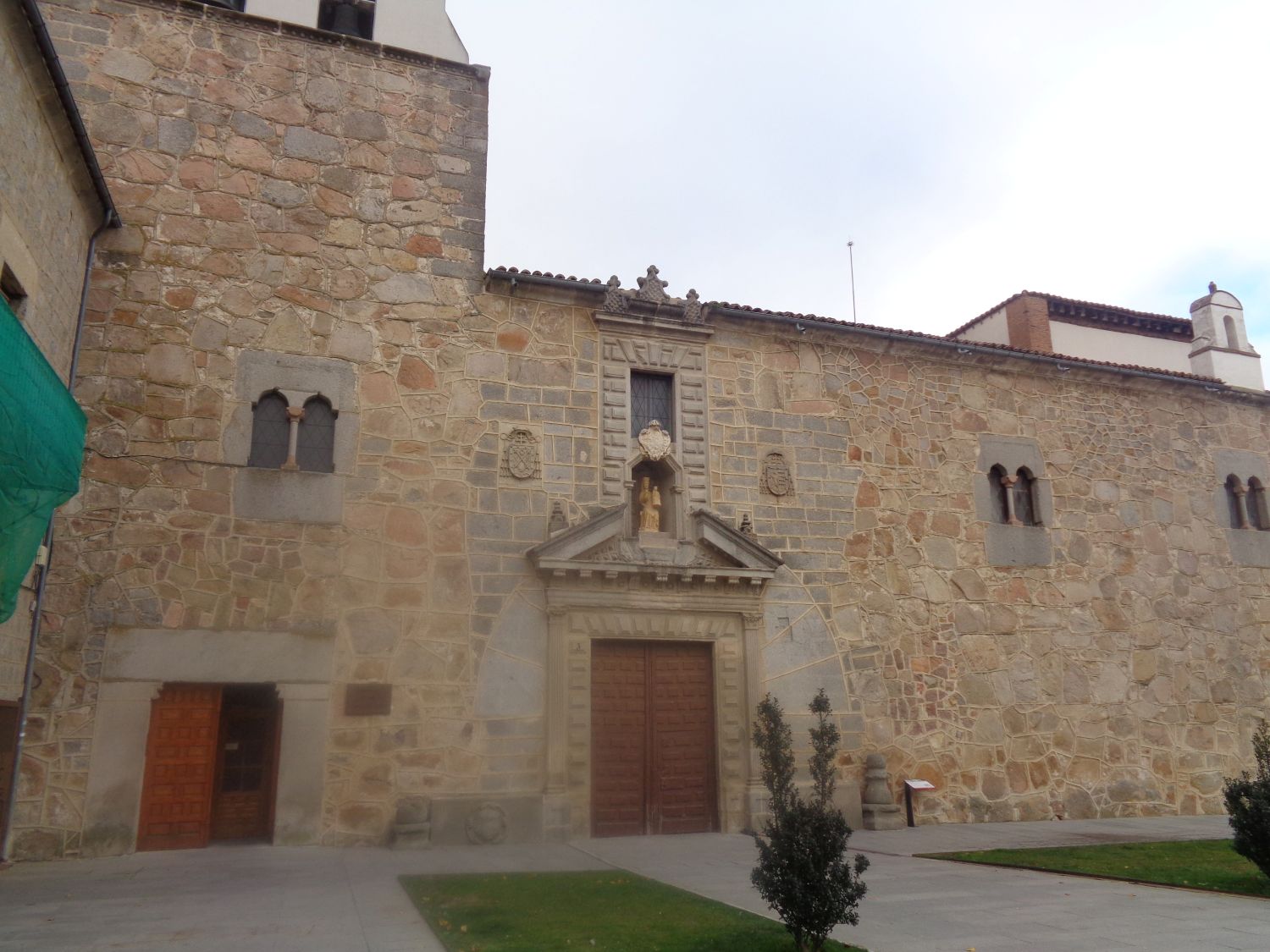
The Avila tourist office on the Palacio de los Dàvila : https://www.avilaturismo.com/en/palace-of-davila
The Castilla y Léon regional tourist office on the Palacio de los Dàvila : https://www.turismocastillayleon.com/en/heritage-culture/palaces/palace-davila-palace-abrantes
The Palacio de los Serrano aka Palacio de los Serranos was built in 1557 by mandate of Pedro Álvarez Serrano, councilor of Ávila and his wife Leonor Zapata, as recorded in the registration of the facade. It constitutes one of the most interesting civil buildings of the City of Ávila. Renaissance style, it is a construction in granite stone, with masonry on the facade and stalls in vain, facade, and corners. It has had different uses over time, such as activities of the Headquarters Provincial of the Movement of the Women’s Section, headquarters of the Civil Government, was one of the first venues of the Savings and Monte de Piedad de Ávila bank, headquarters of the Diputación de Ávila, and since 2003 it houses a cultural-library center called Library Palacio Los Serrano, which is managed by the Caja de Ávila savings bank.
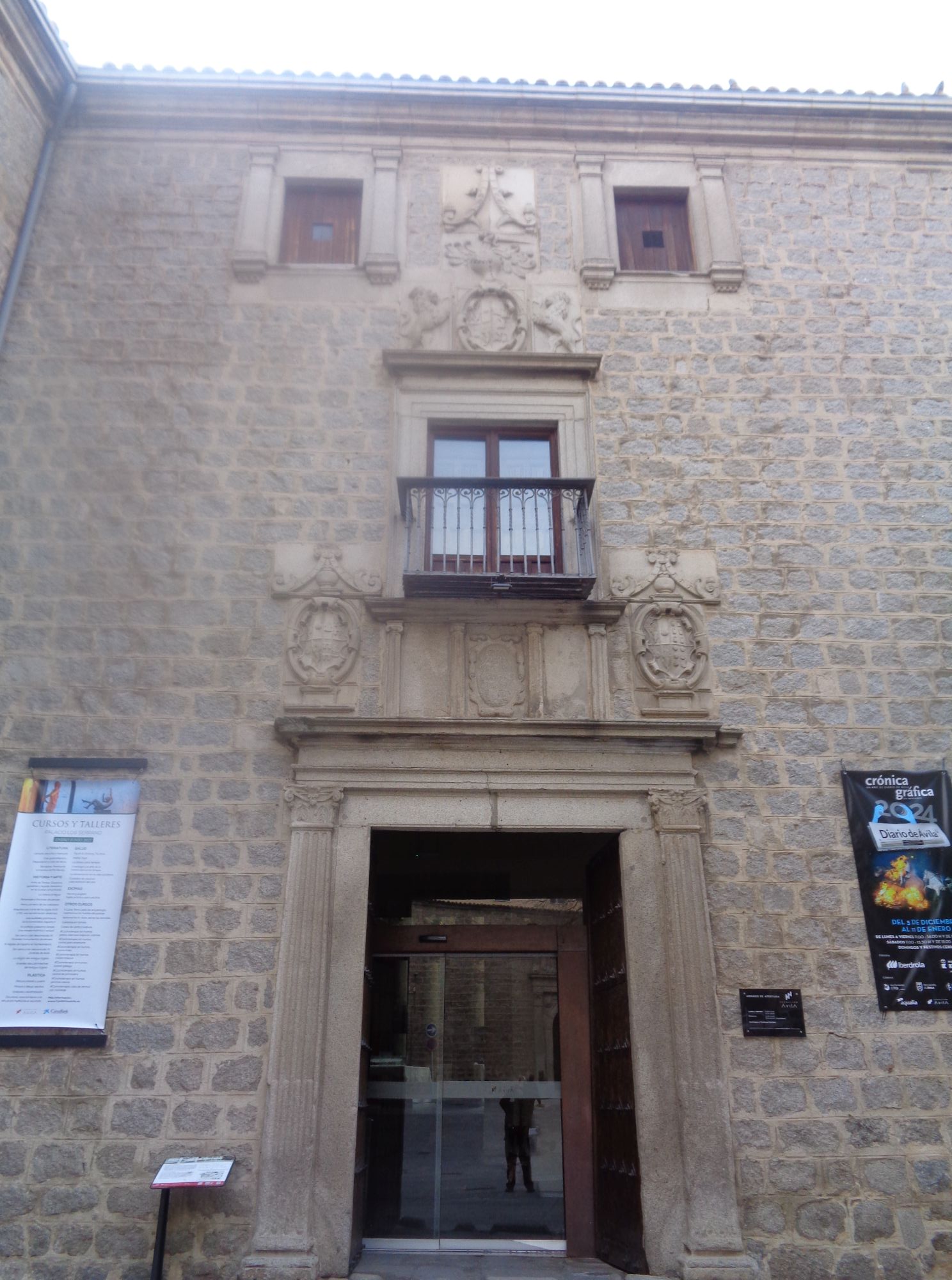
The Avila tourist office on the Palacio de los Serrano : https://www.avilaturismo.com/en/palace-of-los-serrano-2
The Castilla y Léon regional tourist office on the Palacio de los Serrano : https://www.turismocastillayleon.com/en/heritage-culture/palaces/palace-serrano
The Palacio de los Superunda is located within the walled enclosure, near the Puerta del Matadero (slaughterhouse) and the Puerta del Rastro (market), along with other buildings of prominent artistic and historical value. The Italian palace, was built in the 16C despite the fact that its first resident was Ochoa de Aguirre, owes its name to the Count of Superunda and Marqués de Bermudo, which had the possibility of inheriting it in the 19C, it is about a Renaissance building with beautiful proportions and square plant. It consists of a semi -basement, two floors and two towers at the ends of the main facade that break its horizontal character. The openings into three balconies in the upper part and under them, two small tangled windows and the main door and a window in each tower; On the side facade the same pace of windows is followed. The decoration of the main facade is reduced to simple moldings in the holes and shields, finishing off the windows of the second floor. Inwardly it has a central courtyard around which the different units are available. It is square with two closed wings and two other arquitrabadas open and with Doric columns. From the courtyard, the claustral staircase starts and it is accessed by a large zaguán with the access doors decentralized, In 1916 the Italian painter Guido Caprotti acquired this palace and resided in it for many of the years he lived in Ávila. Currently, a large part of the paintings that Caprotti dedicated to the daily life of the walled city and its people are exposed. Thus, the Palace houses an extensive collection of paintings by Guido Caprotti, as well as some sculptures of his son Óscar, portrait of Sorolla or paintings of Ávila from the friend of Caprotti, López Mosquita. In addition, as was the painter’s residence, you can contemplate the part of the museum dedicated to the house, when the part of the house that is integrated into the museum is respected.
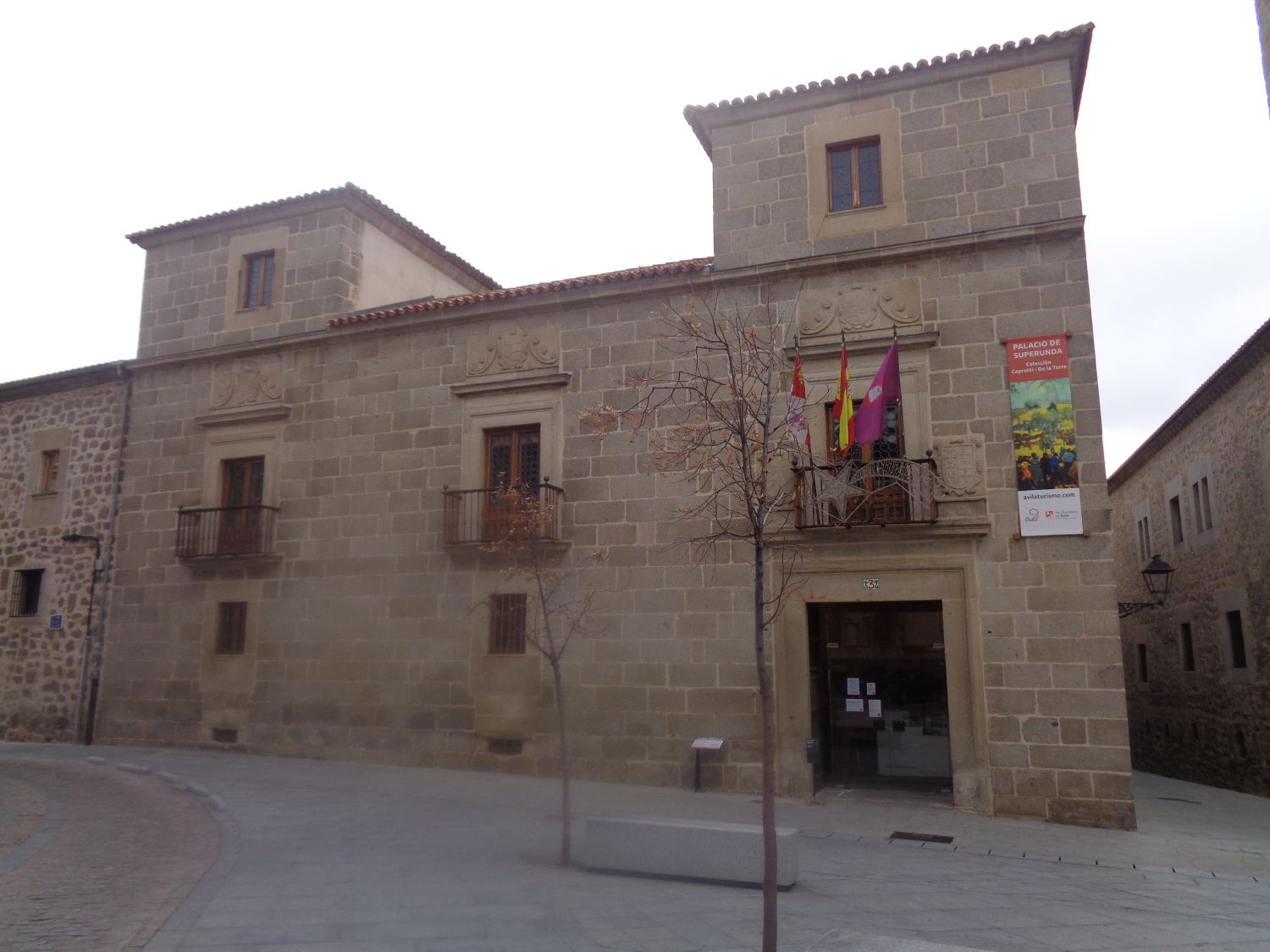
The Avila tourist office on the Palacio de Superunda : https://www.avilaturismo.com/en/palace-of-los-superunda
The Castilla y Léon regional tourist office on the Palacio de Superunda : https://www.turismocastillayleon.com/en/heritage-culture/palaces/palace-superunda
The palacio de Valderrábanos, aka casa de Gonzálo Dávila is a 14C building, located in the Plaza de la Cathedral de Ávila. On the main façade, from the initial construction, a relief above the entrance, sustained by a maiden, under a trilobed arch. In this relief the helmet with a plume and a Moorish banner with crescent is shown. It is surrounded by a tape with the following registration in Latin: “Non Nobis Domine, Non Nobis. Be nomini tuo da Gloriam “:” No to us Lord, not us; but the glory for your name. ” It comes from Psalm 113: 9 that San Bernardo de Claraval imposed on the order of the Knights Templar as motto. It belonged to Gonzalo Dávila de Ágreda, a gentleman who was Master Server of the Catholics kings, governor of the teacher of Calatrava and Corregidor de Jerez. The Palace was renovated and is currently used as a hotel, wood roofs and the alfarje of the former Palace are exhibited in the Avila Museum. The first client of the remodeled Palacio de Valderrábanos, converted into a hotel, was Adolfo Suárez, who stayed in room 126 in 1971. First President of democratic Spain between 1976 to 1981. He left us on March 23, 2014 in Madrid.
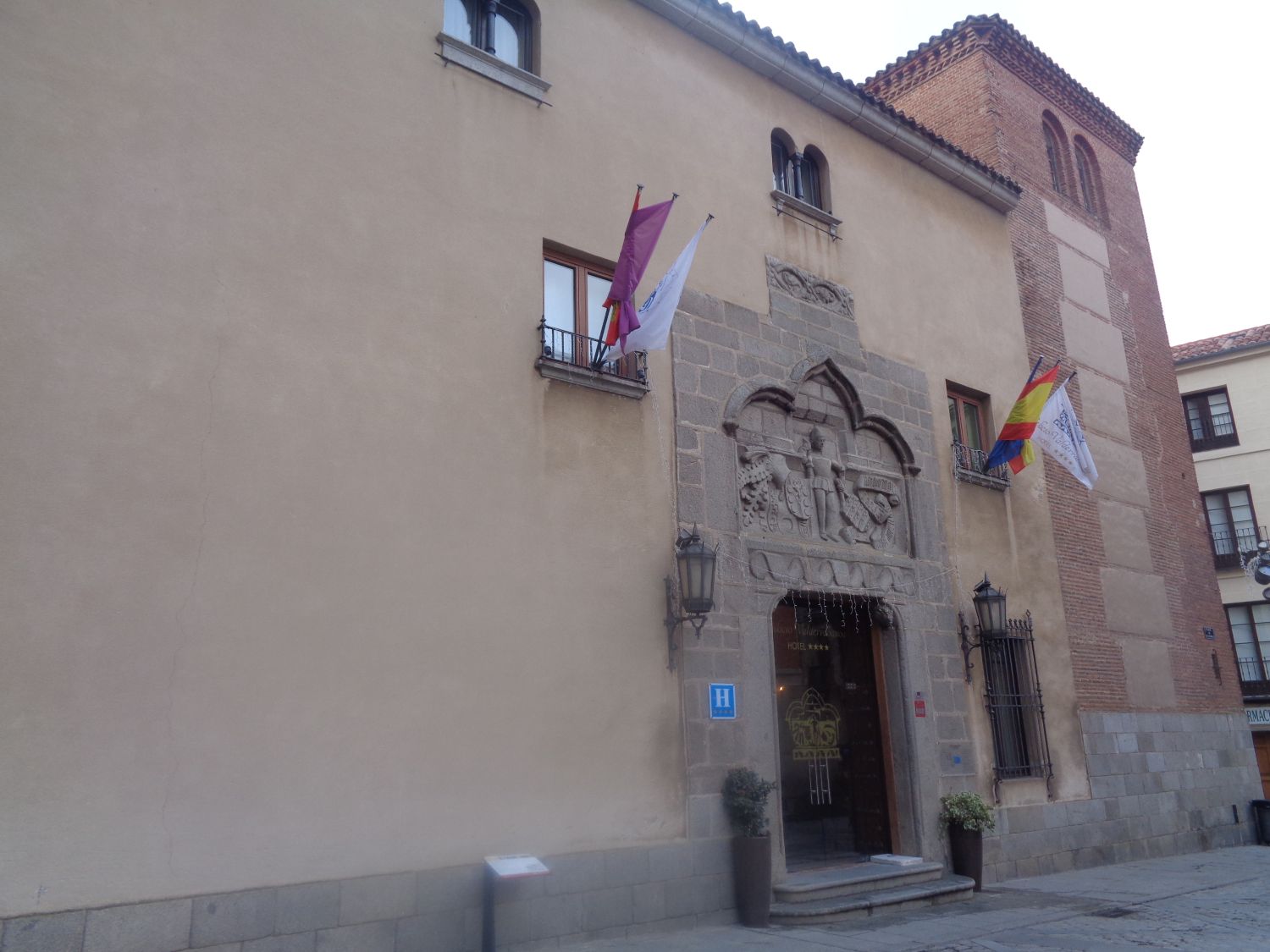
The Avila tourist office on the Palacio de Valderràbanos : https://www.avilaturismo.com/en/palace-of-valderrabanos-2
The official Hotel Valderràbanos : https://www.hotelpalaciovalderrabanos.com/en/
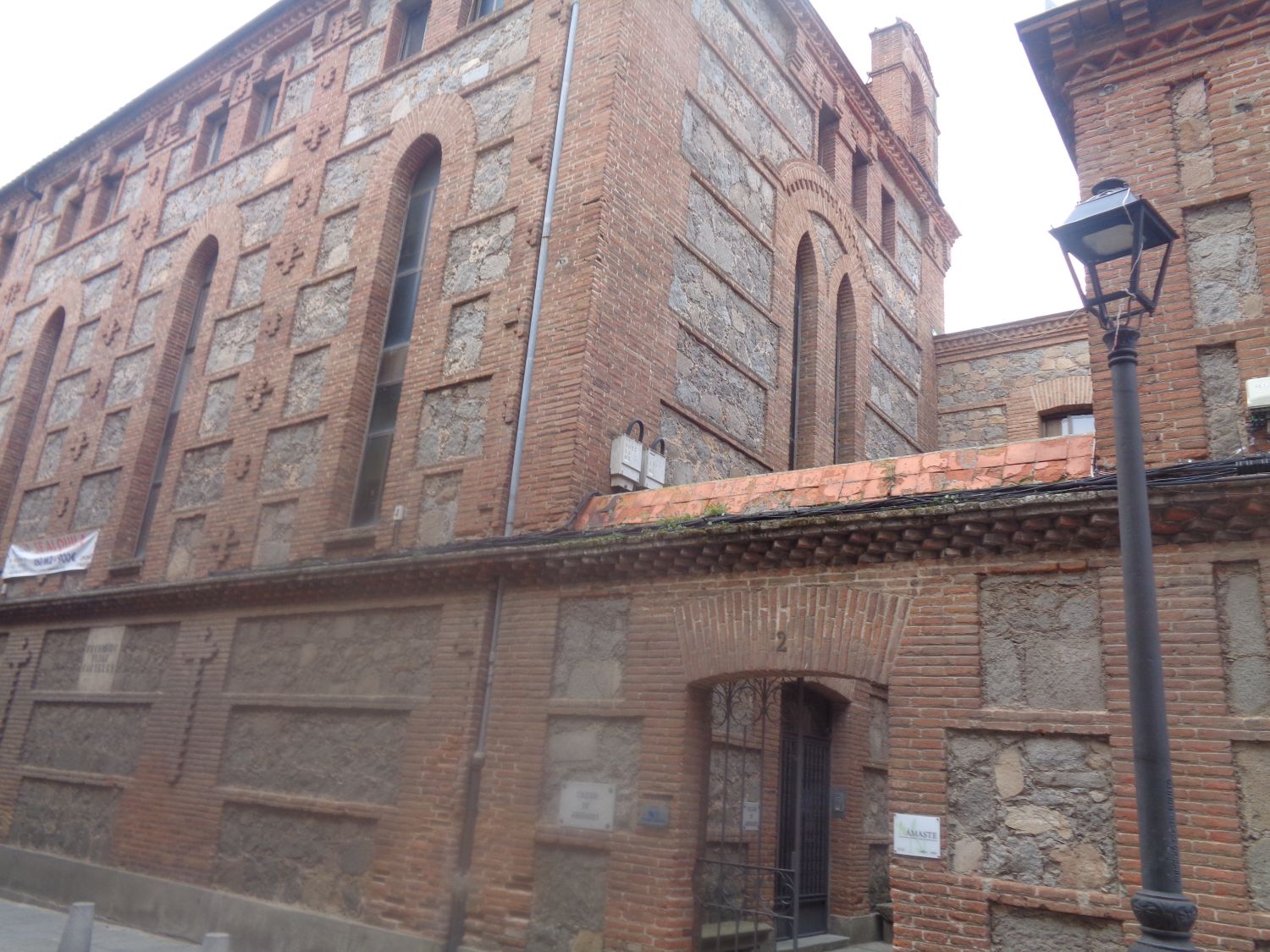
Of course, not to go in gladly do not need it but the architecture was nice enough for me of a picture and to show in my blog, The history of the Colegio de Abogados (Bar Association of Avila) must start from a few historical notes. In 1883 it was installed in the Casa Ravenga, as the Palacio de los Serranos was known, the Audience of the Criminal court, until the precarious and insufficient dependencies were verified. On May 30, 1897, a visit was made to the building of Los Marqueses de la Laguna and Dukes de la Roca, in the Plaza de la Santa 1, and the last major reform was achieved since the audience was created in 1882 It finally was between 1947 and 1948 in the Renaissance Palace of Viceroy Blasco Núñez de Vela to the creation of the headquarters of the Bar Association in 1991,at its current location, Calle del Rastro ,2.
The Unesco world heritage site on the old town and intramuros churches of Avila : https://whc.unesco.org/en/list/348/
There you go folks , another wonderful nostalgic, sentimental trip to my dear Spain, Do not know when we will be back, we sure will have this trip in our hearts forever, Again, hope you enjoy this post on curiosities of Ávila, part II !!! as I
And remember, happy travels, good health, and many cheers to all !!!

 Paris1972-Versailles2003