
We were back to my dear Spain again !! love it !! We came by car of course and took time to see new areas and old repeat with some of them as introduction to my sons and our dog Rex ! I rented a small house in a off the beaten path country town that was just perfect ! I like to continue the saga of our new road warrior experiences even if now with less in our family, This post is on my latest road warrior tour of wonderful sublime Spain. Therefore, let me tell you about curiosities of Ávila , part I !!! Hope you enjoy the post as I.
The City of Ávila is the capital of the province of Avila in the Autonomous Community of Castilla y León in the kingdom of Spain. It is located 105 km from Salamanca, 70 km from Segovia, 115 km from Madrid, and 126 km from our house rental in Velliza, All on the A62, A6 and N403 to City center.
The convento de Nuestra Señora de Gracia or the convent of Our Lady of Grace founded in the 16C, welcomed nuns of the Order of San Agustín. A woman from Ávila named Mencía López obtained a bull of Pope Julius II of September 28, 1508 authorizing her to found a convent and had a pension where the young embroidery and religious practices were taught, while they were waiting to marry in 1514 , As a nun María de Briceño, who went on to take care of the novices and students at the request of her father, Teresa de Ávila entered as a student in July 1531. The influence of María de Briceño was very positive for Teresa to learned about prayer and spiritual life. She spent 18 months in this convent.
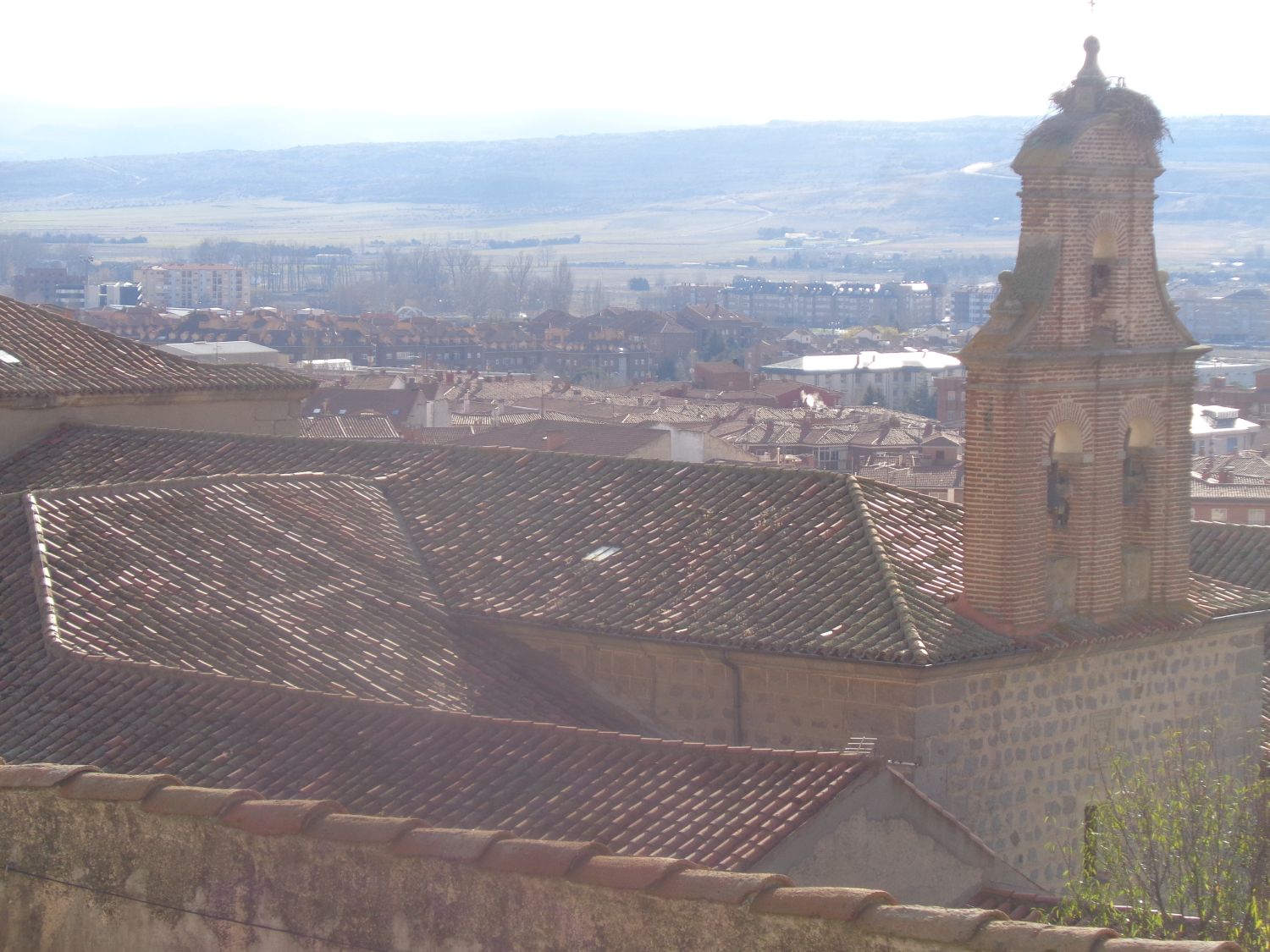
The Avila tourist office on the Convent Ntra Sra de Gracia : https://www.avilaturismo.com/en/convent-of-nuestra-senora-de-gracia
The Convent of the Incarnation emerged as Beaterío in a different location for later, in 1513, to move to the current site at that time a Jewish cemetery becoming a monastery of religious with votes. In the 17C it suffered reforms in the vault and the dome, It is located at Paseo de la Encarnación, 1 The convento de la Encarnación or the convent of the incarnation is a closing convent of nuns Carmelitas, This convent became known because in it entered Santa Teresa de Jesús in 1535, where she was first nun and then Mother Priore, before beginning the foundations of convents of her new religious order : The Order of the Barefoot Carmelites. The Church was built on the plot that occupied the family housing and the convent of San José. The Renaissance style facade contrasts with the swords that was added in the 18C. It consists of four two -story naves. The central courtyard was surrounded by a two -high cloister. It suffered various restorations in the 18C. A chapel in 1630 was built over the room of Santa Teresa The Monastery Museum retains historical testimonies of Santa Teresa and pieces of art such as drawings or paintings and a drawing of San Juan de la Cruz that represents Christ crucified from an elevated vision. The original announcers where Santa Teresa received personalities during her stay in the convent are also visitable and witnessed moments of mysticism.
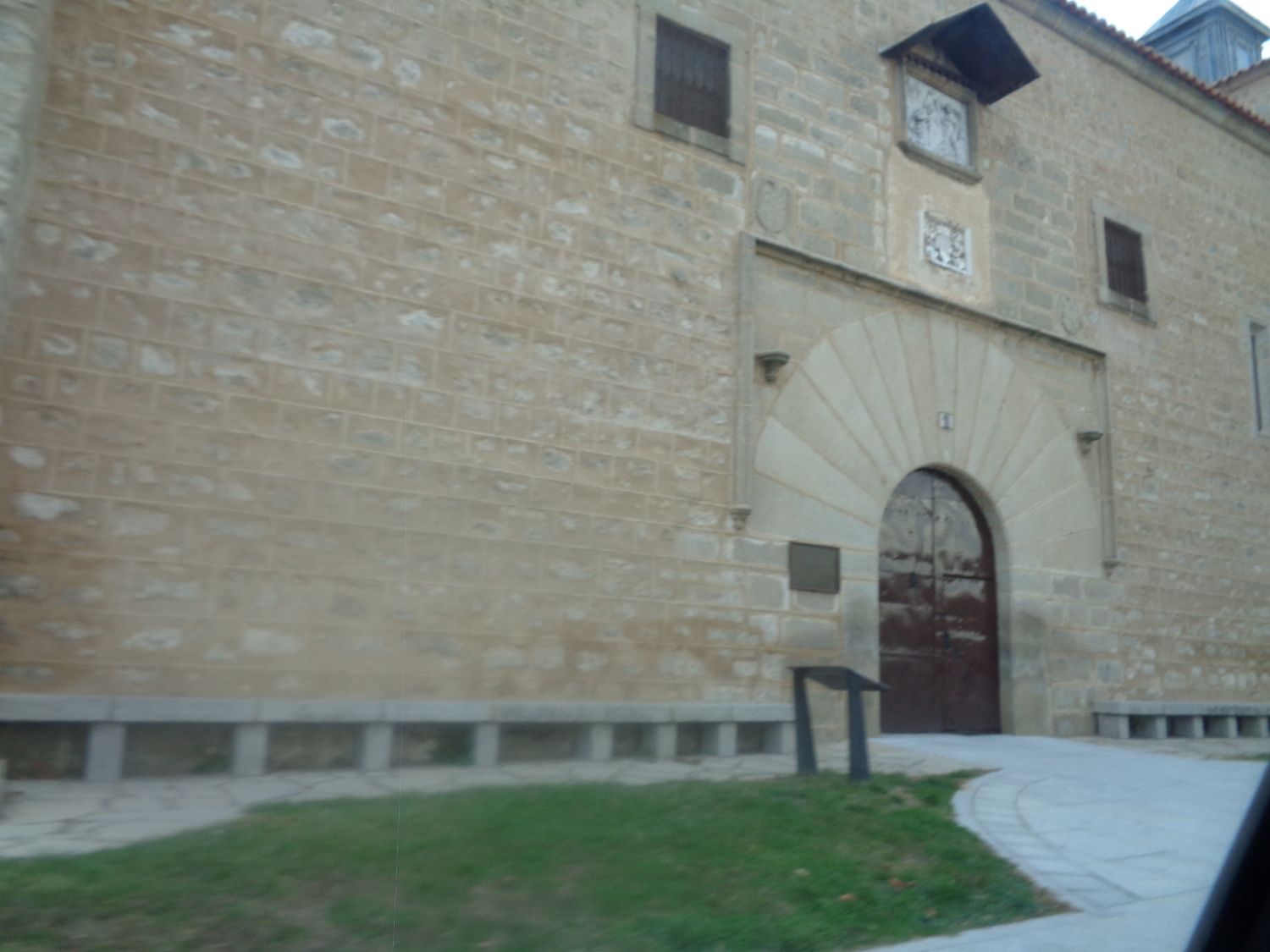
The Avila tourist office on the Convento de la Encarnacion : https://www.avilaturismo.com/en/monatery-of-la-encarnacion
The Castilla y Léon regional tourist office on the Convento de la Encarnacion :https://www.turismocastillayleon.com/en/heritage-culture/monastery-encarnacion
The Church of San Ignacio de Loyola or Santo Tomé “El Nuevo” and Episcopal Palace. Located in the Plaza del Teniente Arévalo. In the 17C, the Jesuits acquired the former Palace of the Navamorcuende, of the14C, and adapted it as housing and church. You can still observe its walls with windows, matacanes and battlements that denote its palatial origin. Since the expulsion of the Jesuits, the bishopric moved its headquarters to the building, continuing today with said function of Episcopal Palace. Ignacio de Loyola was a Spanish soldier and priest founding the Society of Jesus, of which he was the first general. In this order, the usual votes of poverty, chastity and obedience are professed in addition to another special obedience to the Pope.
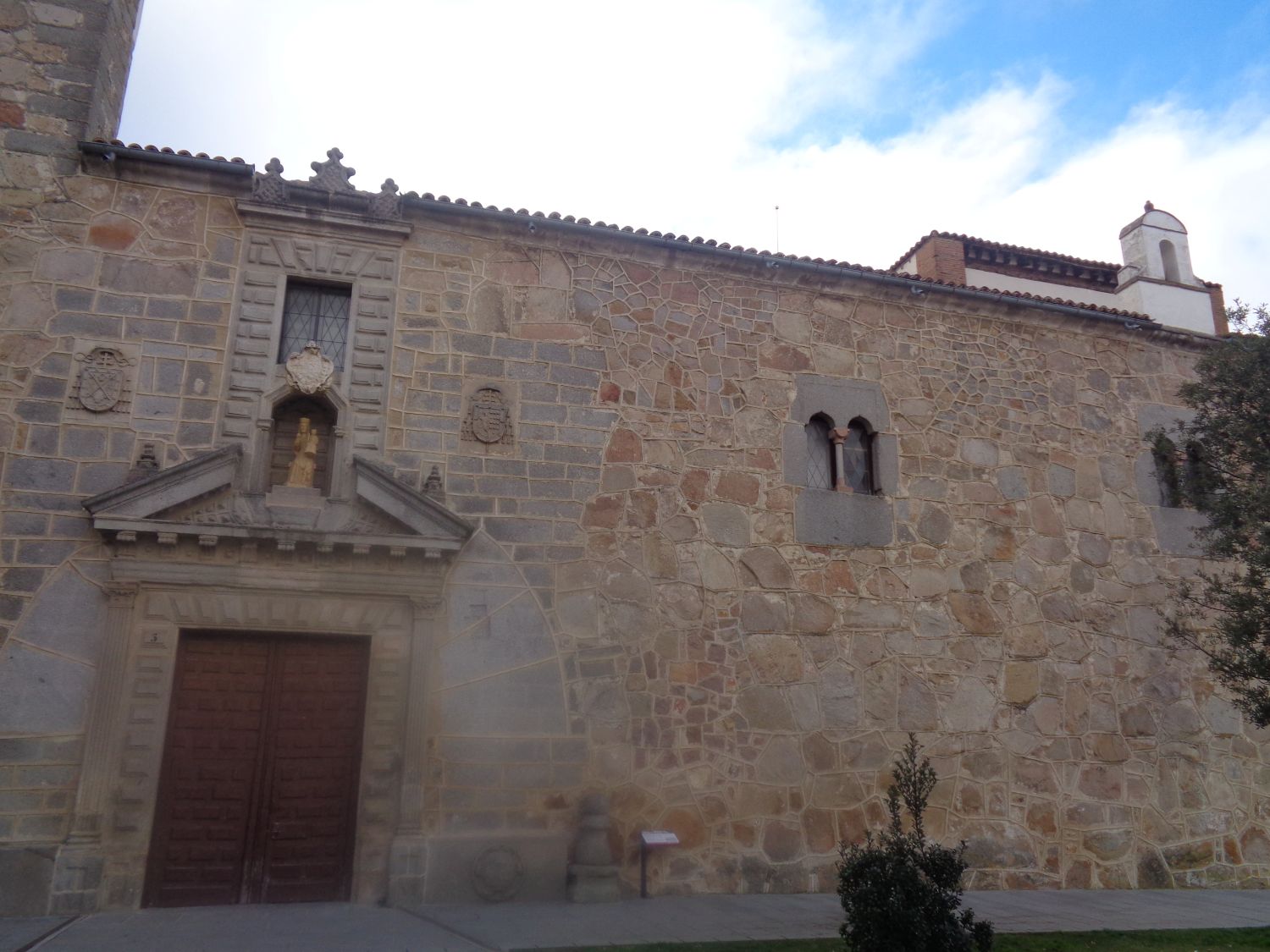
The Avila tourist office on the Church San Ignacio de Loyola : https://www.avilaturismo.com/en/san-ignacio-de-loyola-2
The Church Monasterly Santa Maria La Antigua, traditionally, is considered that this Benedictine monastery would have its origin in the Visigothic era with a date of 687, when it was a double monastery with male and female communities. It would have been lost in Islamic era and later recovered as Benedictine house depending on the monastery of Valvanera (La Rioja). It would have been rebuilt in 1649. It is located in the Plaza de Claudio Sánchez Albornoz.
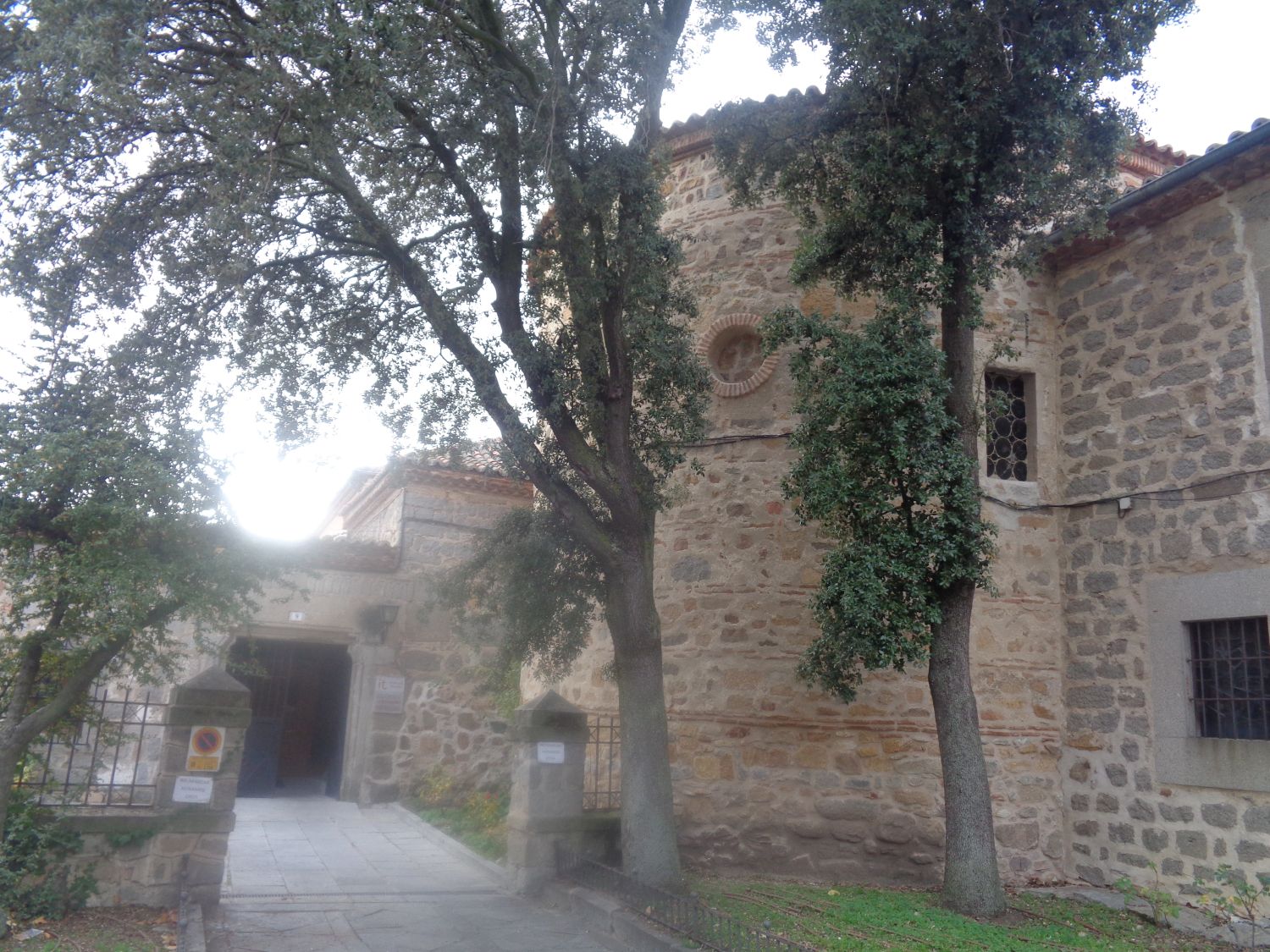
The Ermita de Nuestra Señora de las Nieves or Hermitage of Our Lady of the Snow would have been founded by María Dávila. It is located at a central and busy point of the City, at calle Reyes Católicos next to the chapel were the houses that served as a dwelling to the Franciscas nuns since they left their primitive convent of Villa Dei on the mount of Las Gordillas until they settled in a convent built in the city.
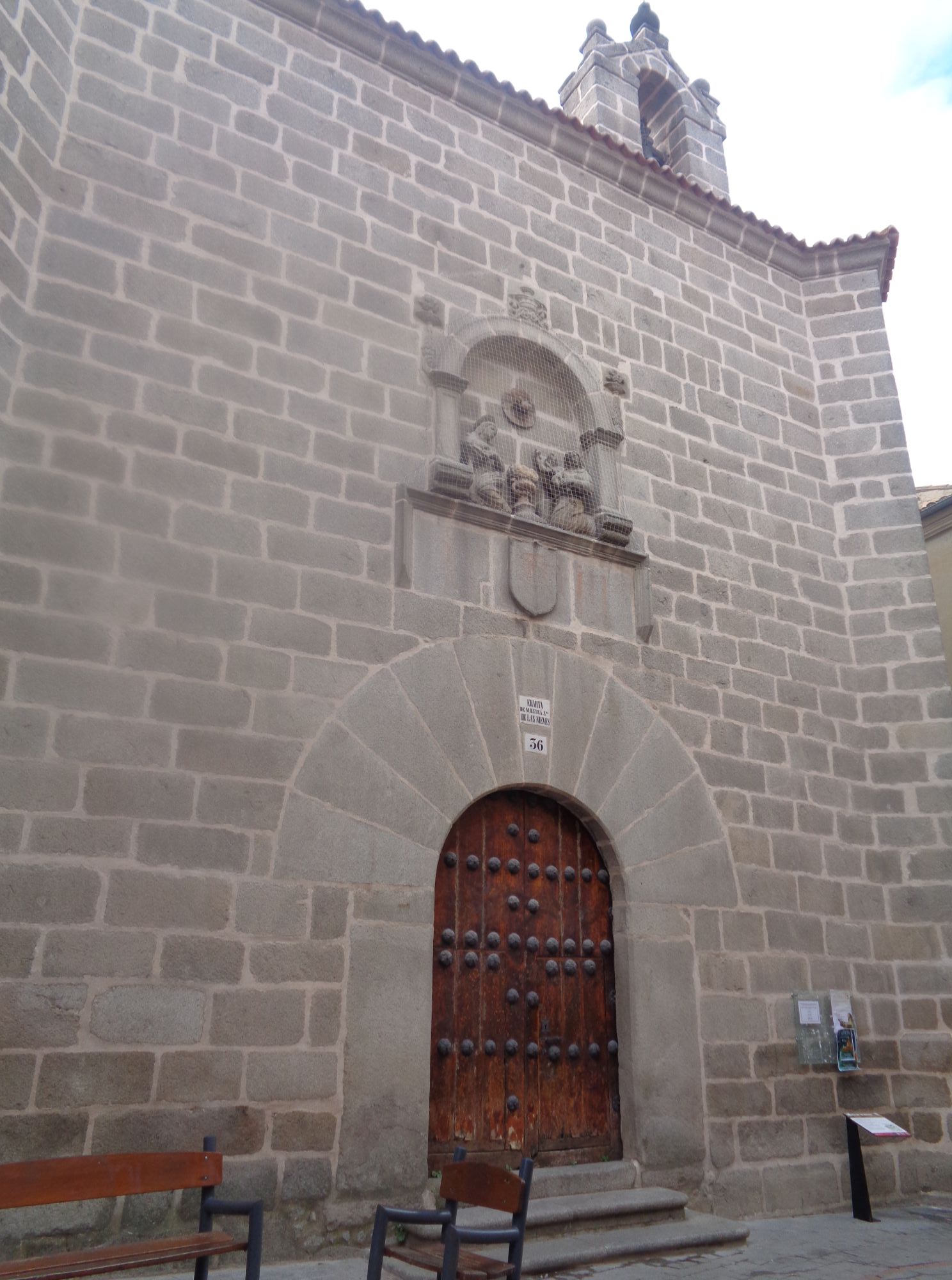
The Avila tourist office on the Ermita de Ntra Sra de las Nieves: https://www.avilaturismo.com/en/chapel-of-las-nieves
The Castilla y Léon regional tourist office on the Ermita Ntra Sra de las Nieves: https://www.turismocastillayleon.com/en/heritage-culture/churches-chapels/chapel-nuestra-senora-de-las-nieves
The iglesia parroquial de Santiago or the parish Church of Santiago, the main architectural style that the church is today with octagonal plant, probably from the 14C. The altarpiece of the church constitutes a notable example of the presence of Jacobeum elements in the temples located on the Camino de Santiago.
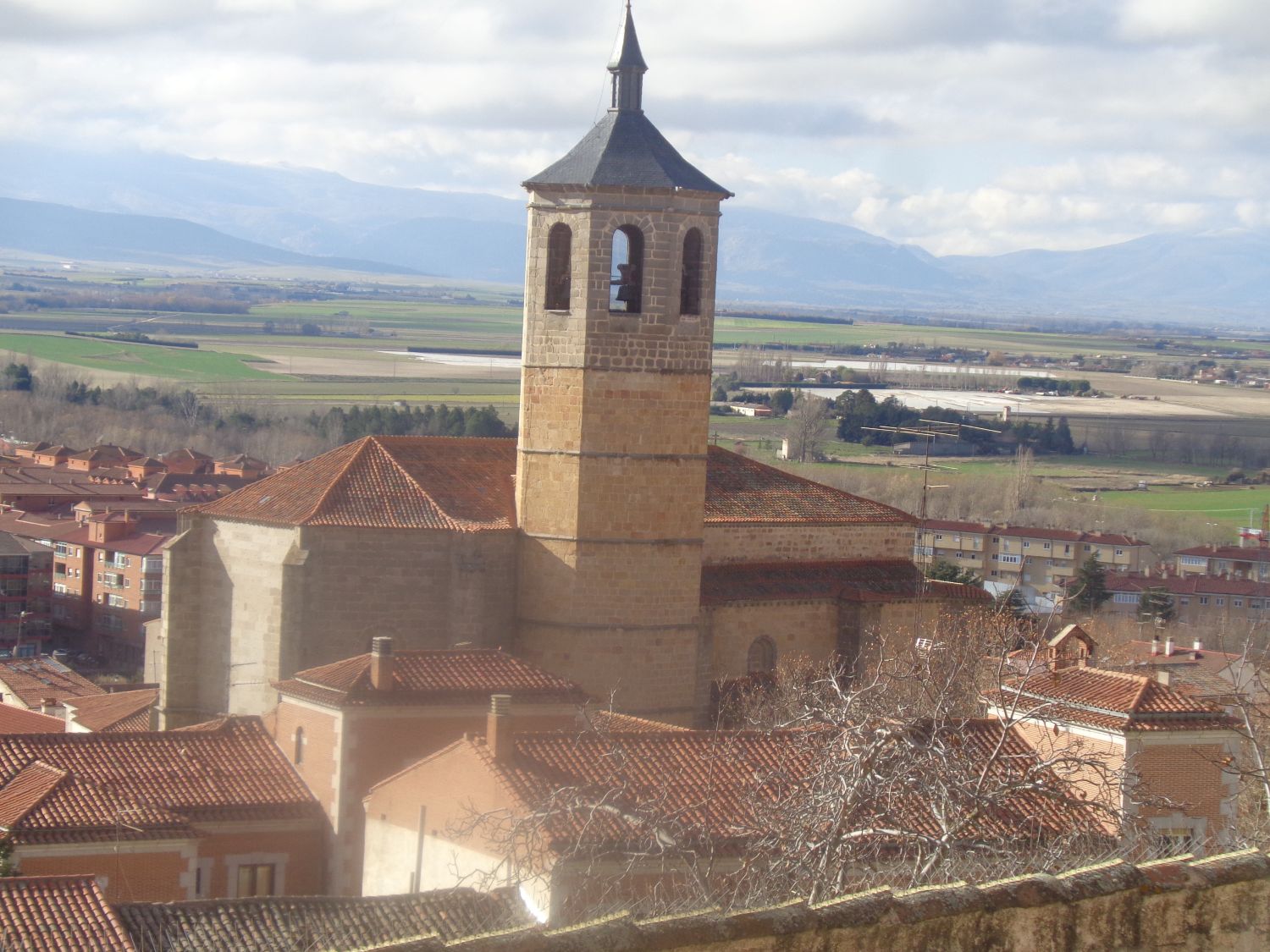
The Avila tourist office on the Parish Church of Santiago : https://www.avilaturismo.com/en/the-episcopio
The Castilla y Léon regional tourist office on the Parish Church of Santiago : https://www.turismocastillayleon.com/en/heritage-culture/churches-chapels/parish-church-santiago
The Seminario Diocesano de Ávila, aka Seminario Mayor San Juan de la Cruz y Santa Teresa is a study center that welcomes the candidates to the priesthood of the diocese of Ávila. It is November 24, 1568, when Bishop Álvaro de Mendoza (collaborator of Santa Teresa de Jesús), signed in Olmedo the decree that the seminar was erected. He obtained approval from Pope Gregory XII through the bull “AD Apostolicae Dignitatis”, of August 1, 1573. The Diocesan Seminary of Avila was entrusted to San Juan de la Cruz, and Santa Teresa de Ávila (or Jesus), Spanish saints who played an important role in the counterreform and in the recast of the order of Carmelites (or Carmel).
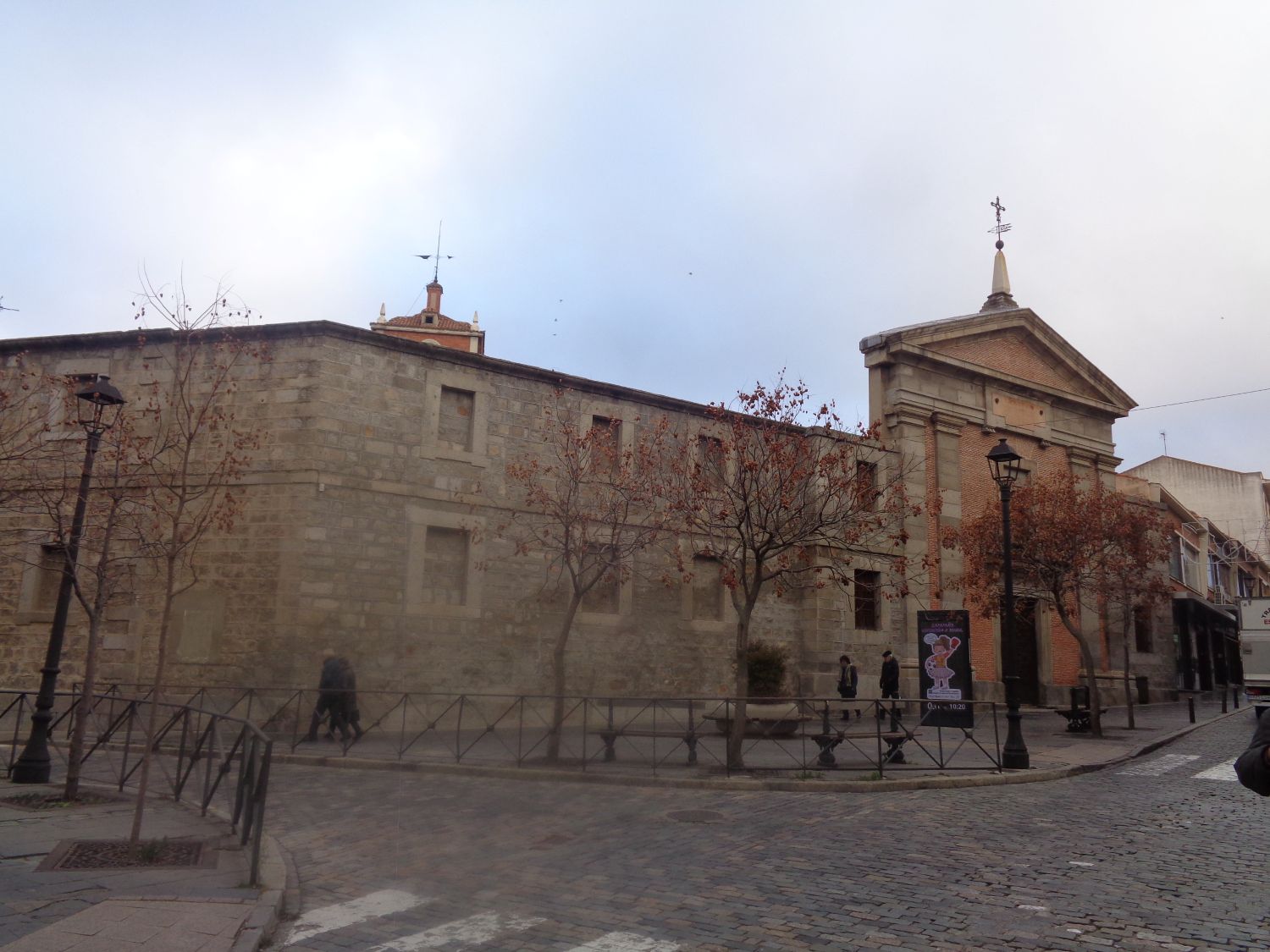
The official Seminario Diocesano de Avila on its history : https://seminarioavila.blogspot.com/2012/02/historia.html
The Unesco world heritage site on the old town and intramuros churches of Avila : https://whc.unesco.org/en/list/348/
There you go folks , another wonderful nostalgic, sentimental trip to my dear Spain, Do not know when we will be back, we sure will have this trip in our hearts forever, Again, hope you enjoy this post on curiosities of Ávila, part I !!! as I
And remember, happy travels, good health, and many cheers to all !!!

 Paris1972-Versailles2003