
We were back to my dear Spain again !! love it !! We came by car of course and took time to see new areas and old repeat with some of them as introduction to my sons and our dog Rex ! I rented a small house in a off the beaten path country town that was just perfect ! I like to continue the saga of our new road warrior experiences even if now with less in our family, This post is on my latest road warrior tour of wonderful sublime Spain. Therefore, let me tell you about the Convent-Church of Santa Teresa de Jesùs of Ávila !!! Hope you enjoy the post as I.
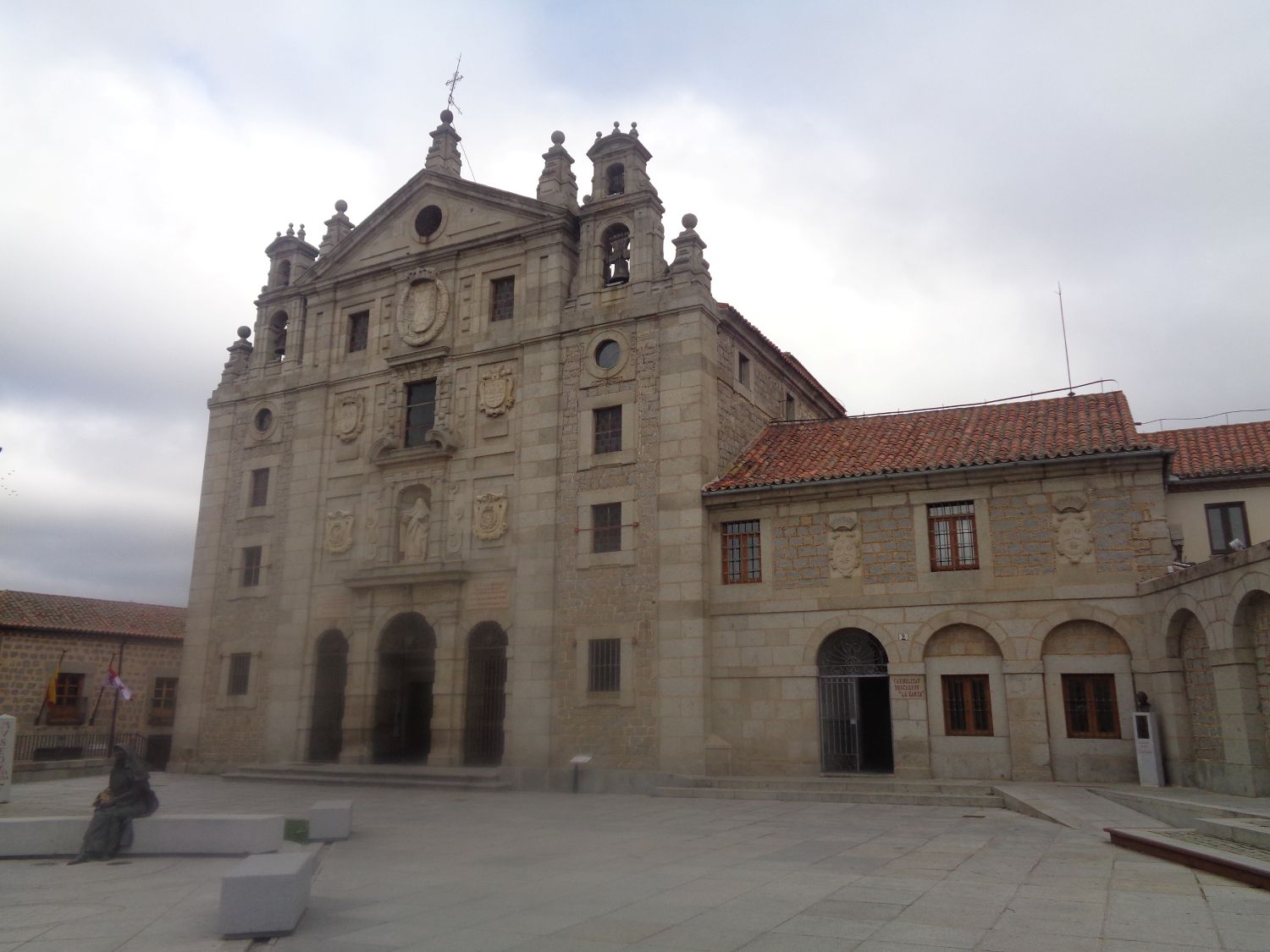
The City of Ávila is the capital of the province of Avila in the Autonomous Community of Castilla y León in the kingdom of Spain. It is located 105 km from Salamanca, 70 km from Segovia, 115 km from Madrid, and 126 km from our house rental in Velliza, All on the A62, A6 and N403 to City center.
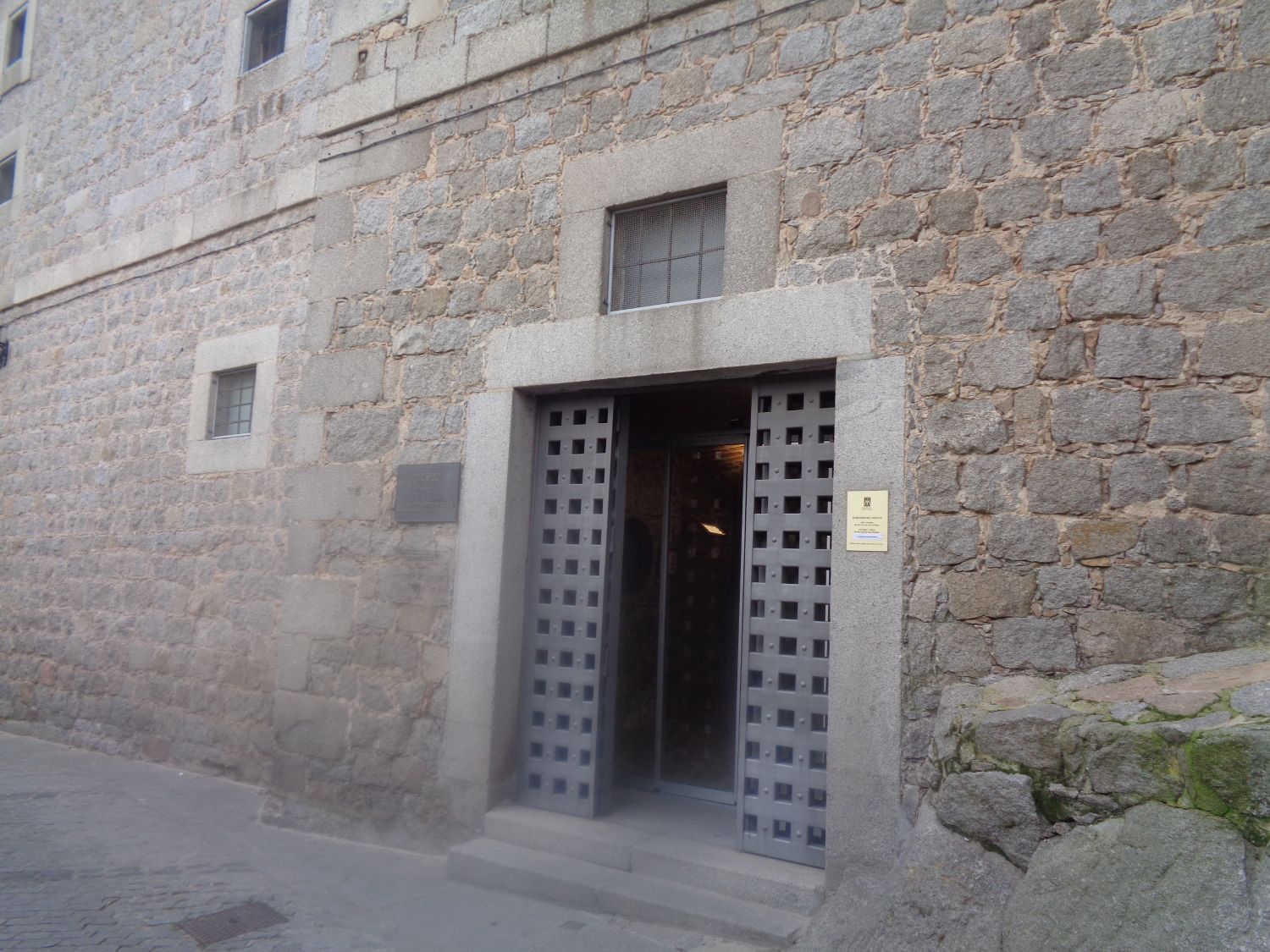
The Church-Convent of Santa Teresa was built in the early 17C-supposedly on the house of Santa Teresa de Jesús under the invocation of the order of the barefoot Carmelites, the disposition of the convent is somewhat strange, since it has a particular purpose : Its orientation is towards the north (and not to the east, as usual), since it intends to place the head of the temple in the bedroom of Santa Teresa. Therefore, the cloister and monastic units are located to the north. In the crypt of the convent of Santa Teresa is located Museo de Santa Teresa, which exposes the work and life of the saint, as well as various pieces of religious art Church-Convent of Santa Teresa supposedly on the house of Santa Teresa de Jesús Museo de Santa Teresa Plaza la Santa, Nº 2.
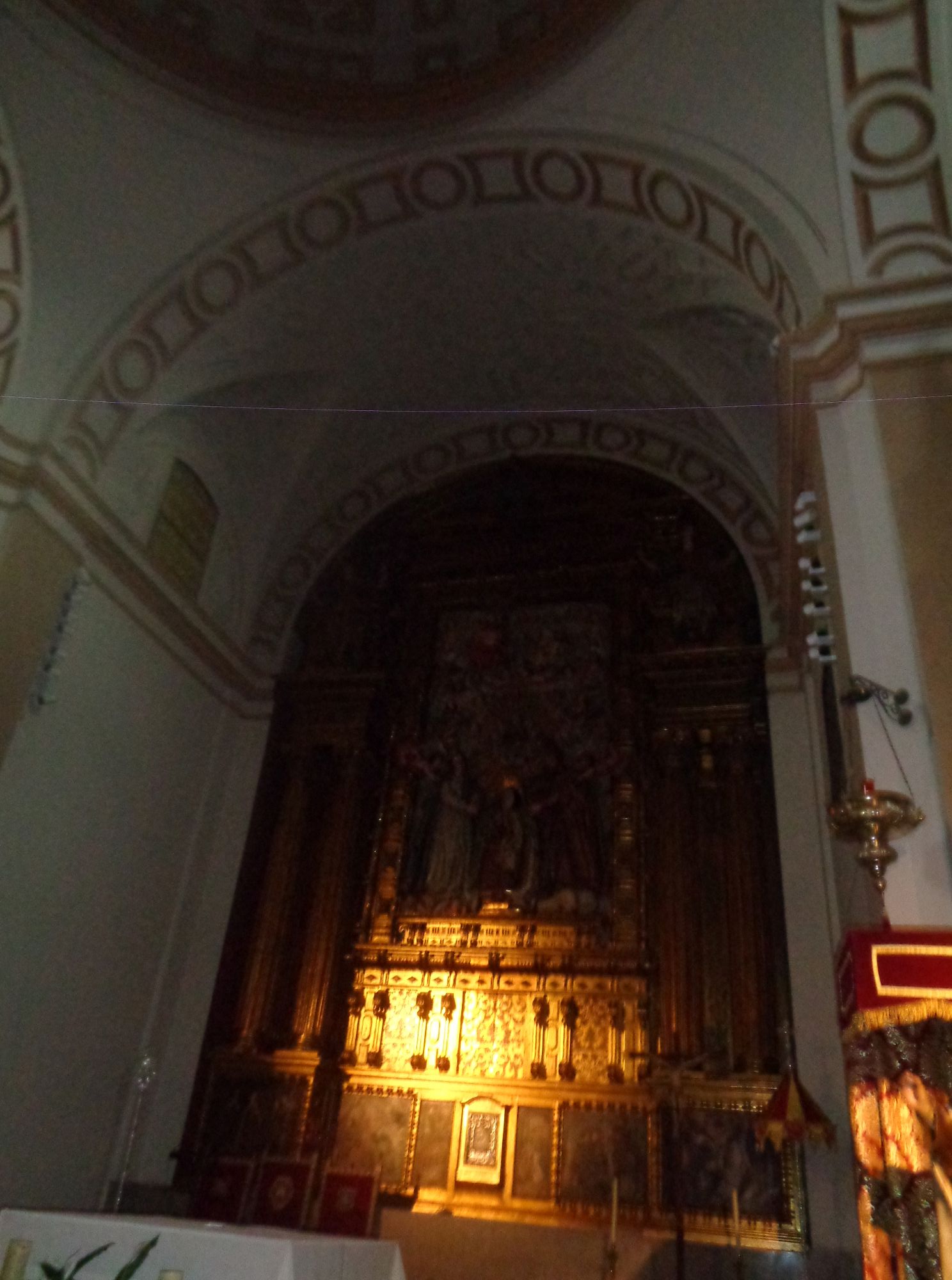
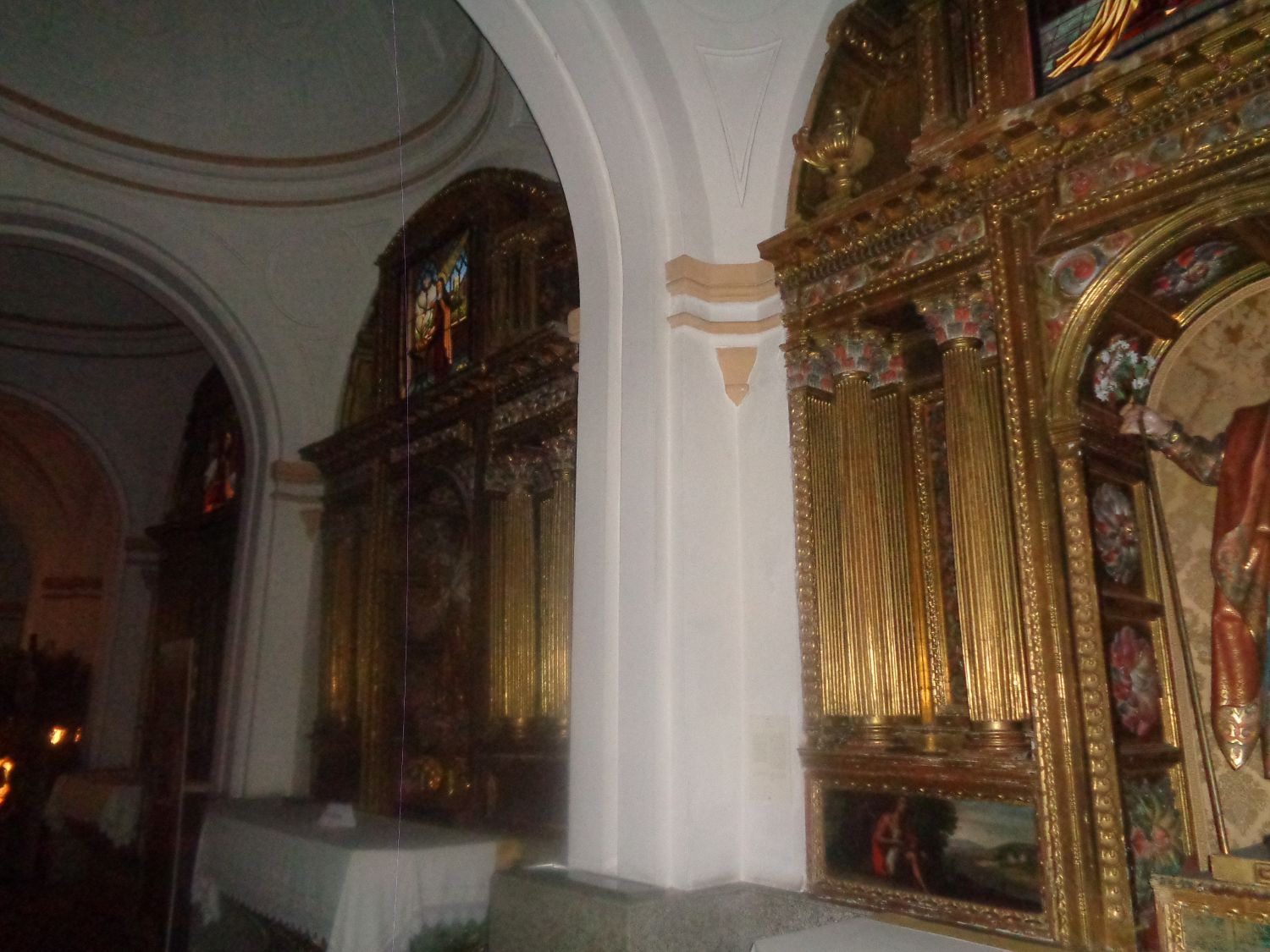
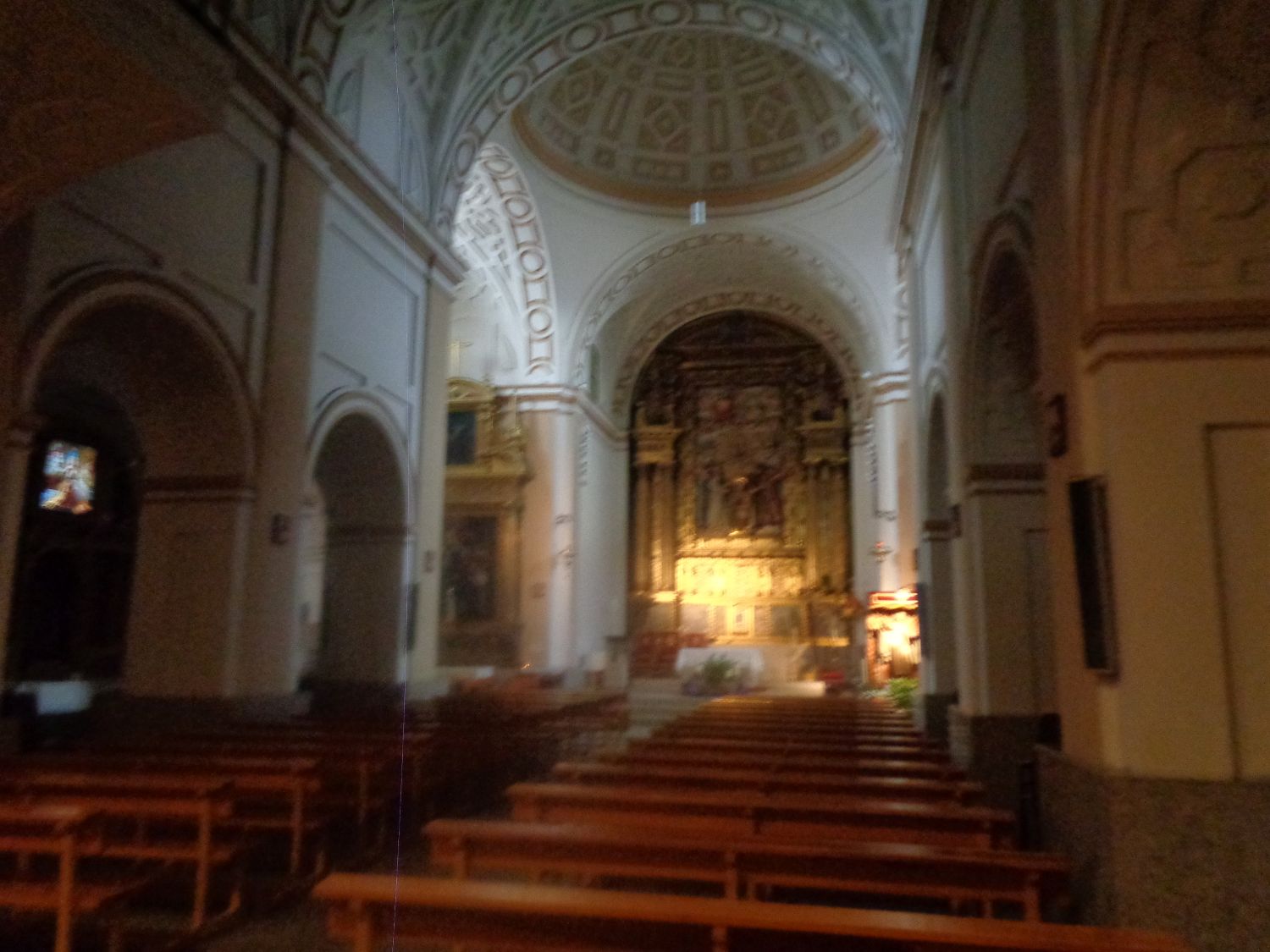
The Church-Convent of Santa Teresa has suffered two restorations, which began to be carried out in 1888 and 1982 respectively. As for the Church, it is within the Baroque style, following the principles of the Carmelite order, similar to those that the Jesuit order had previously used: a single nave plant, with side chapels on both sides. As for the facade, it follows the rigorous principles of the first third of the 17C, We can see an altarpiece that belongs to the second third of the 17C.
The convent was inaugurated on October 15, 1636, feast of Santa Teresa de Jesús. For two periods, the Carmelite parents were in need of abandoning the convent (1809-1814 and 1836-1876) due to religious exclaustration, the government assigning the building to the people of Ávila, being used as an institute.
The main facade of the Church-Convent of Santa Teresa de Jesùs is baroque style. It consists of four overlapping floors, finding us in the first with three arches, with their corresponding iron bars, and the one in the center of larger than the sides. They highlight on the facade a sculpture of Santa Teresa (in niche) and the shields of the Military Intendance Corps, that of the Doctorate of Santa Teresa, that of the Cepeda y Ahumada family, the Carmen Descalzo and the upper part the coat of arms of the Count Duke of Olivares.
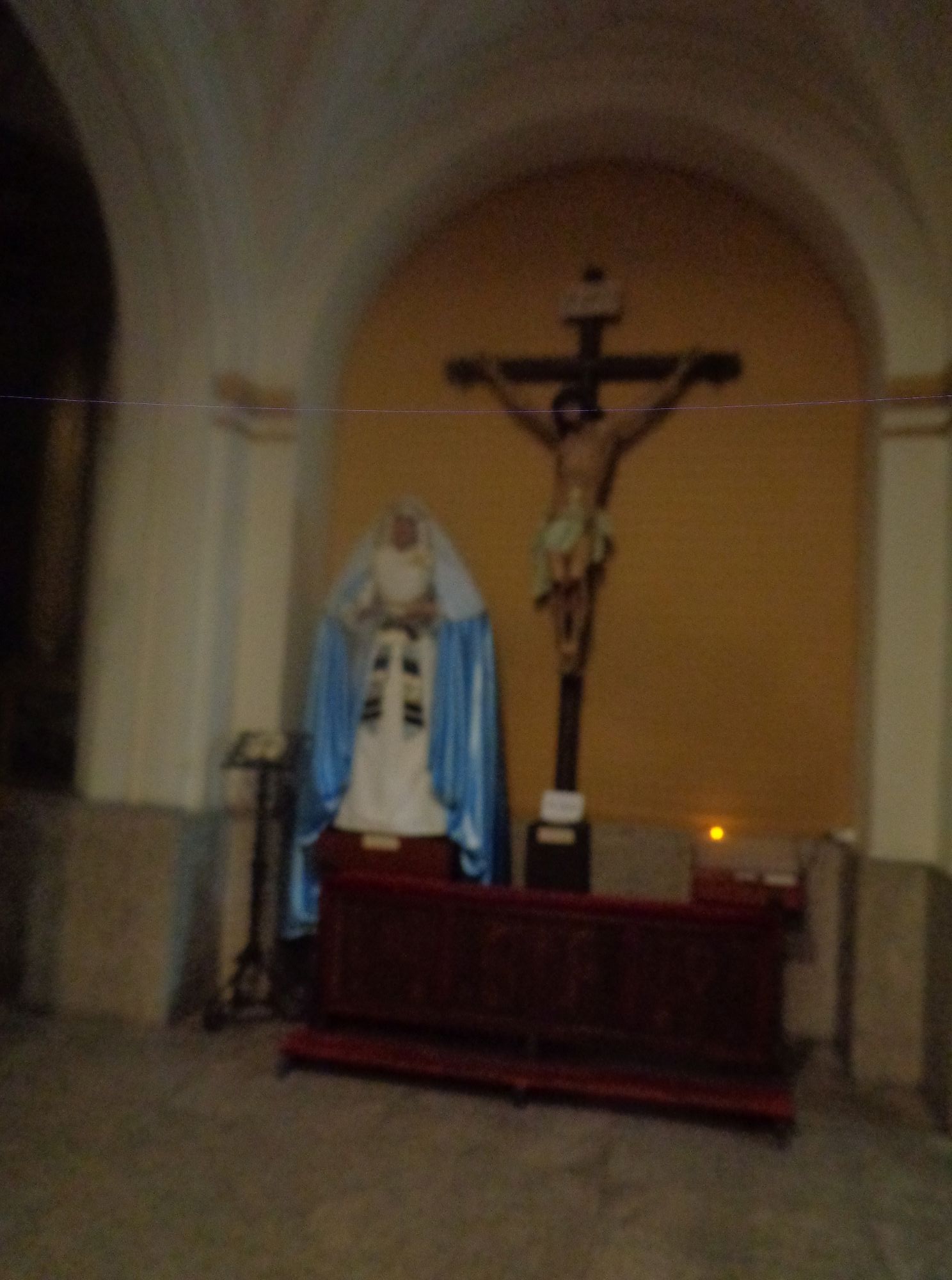
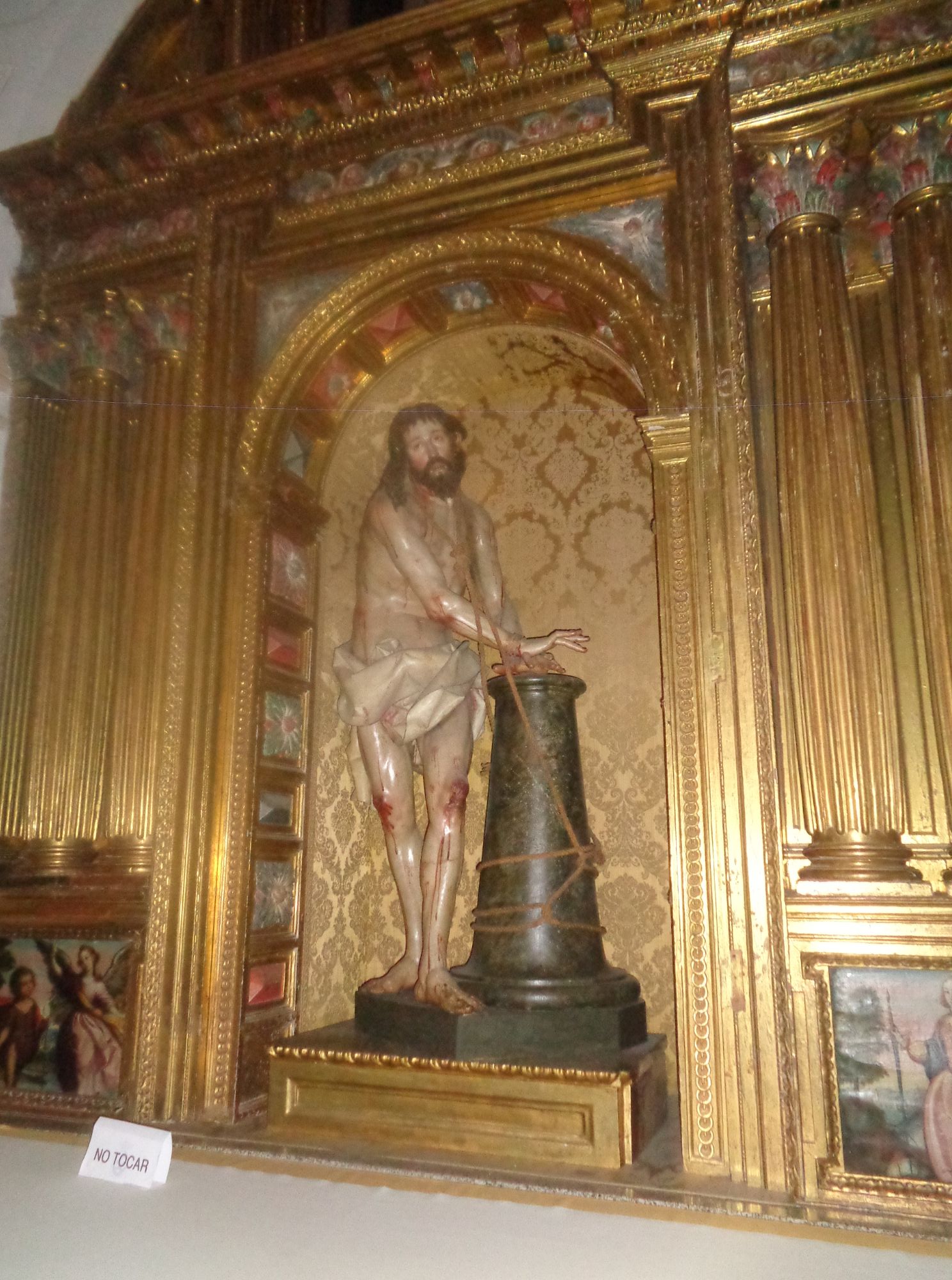
For many years, the Church-Convent of Santa Teresa, hosted the brotherhood of the Honor Guard of the Sacred Heart of Jesus, which between 1950 and 1970 accompanied in the processions of the Holy Week with the image of Christ tied to the Column, who is located in one of the side chapels of the church. The image does not currently participate in Holy Week processions. Since the year 2000, the brotherhood of the Blessed Christ of the Afflicted and Santa Maria Consuelo of the Afflicted, created in honor of the Christ of the same name and to the one who worships in the left nave of the church. Only the image of the Blessed Christ of the Afflicted is found.
And a bit on the wonderful history on Santa Teresa de Jesùs, tell us that her body is buried in Alba de Tormes (province of Salamanca), although she received three burials since her death in 1582: the first took place one day after her death in the same town where her remains continue today, Nine months later, the tomb opened because part of it had yielded, and it was discovered that the body of Teresa de Jesus remained incorrupt !. Father Jerónimo Gracián cut her left hand and took her to the Carmelite Mothers of the Convent of San José of Ávila, but kept her little finger for him. In 1585, the Order of the Barefoot Carmelites decided to transfer the incorrupt body of Santa Teresa to Ávila. The remains were exhumed on November 25, although an arm remained in Alba de Tormes as a form of compensation for loss. The body of Santa Teresa remained in Avila until the Dukes of Alba annoying with the decision of the Carmelites, used their influence to ensure that Pope Sixto V approved a new and definitive transfer of the remains of Teresa de Jesús to Alba de Tormes. The truth is that not the whole body rests in Alba de Tormes, since some relics are preserved in different places such as Rome, Lisbon, Belgium or Spain. Although it may seem unbelievable, the incorrupt body of SantaTeresa de Jesus is in the chapel of the Annunciation in Alba de Tormes protected by nine keys to avoid the theft of relics.The sepulcher of Santa Teresa cannot open until all the keys meet. As we have said, in Alba de Tormes most of her body is preserved, including the left arm and heart, which are exposed in the museum. In the Convent of Santa María Della Scala of Rome is the right foot and the jaw, while in San Pancracio, also in Rome , some skull fragments and teeth are preserved . In Portugal is her left hand, more specifically in Lisbon. The hand that was cut a year after her death, in 1583, by Father Gracián, who appropriated the little finger of the Santa, but the rest gave it to the nuns of San José. Today Santa Teresa’s left hand is guarded by the Barefoot Carmelites of Lisbon. The Carmelites of Madrid, as well as the Carmelitas of Malagón and Valladolid, venerate a bit of heart -shaped, next to the scapular. There are also relics of wet cloth pieces in blood, which the nuns took when they venerated the body of a wound on the back. In addition, there are teeth and teeth relics, such as in Toledo, Santiago de Compostela and City of Puebla in Mexico.
The official Convento Iglesia Santa Teresa of Avila : https://www.teresadejesus.com/rutas-teresianas/
The Avila tourist office on the Convent of Santa Teresa : https://www.avilaturismo.com/en/church-and-convent-os-st-teresa
The Castilla y Léon regional tourist office on the Convent of Santa Teresa: https://www.turismocastillayleon.com/en/heritage-culture/convent-santa-teresa-church
The Castilla y Léon regional tourist office on the Convent museum Santa Teresa : https://www.turismocastillayleon.com/en/heritage-culture/convent-santa-teresa-museum
The Unesco world heritage site on the old town and intramuros churches of Avila : https://whc.unesco.org/en/list/348/
There you go folks , another wonderful nostalgic, sentimental trip to my dear Spain, Do not know when we will be back, we sure will have this trip in our hearts forever, Again, hope you enjoy this post on the Convent-Church of Santa Teresa de Jesùs of Ávila !!! as I
And remember, happy travels, good health, and many cheers to all !!!

 Paris1972-Versailles2003