
We were back to my dear Spain again !! love it !! We came by car of course and took time to see new areas and old repeat with some of them as introduction to my sons and our dog Rex ! I rented a small house in a off the beaten path country town that was just perfect ! I like to continue the saga of our new road warrior experiences even if now with less in our family, This post is on my latest road warrior tour of wonderful sublime Spain. Therefore, let me tell you about this is Toro !!! Hope you enjoy the post as I.
The town of Toro is in the province of Zamora, Autonomous Community of Castilla y León in the kingdom of Spain, It is located 46 km from our rental house in Velliza, 62 km from Valladolid , 79 km from Salamanca, 148 km from Avila and 221 km from Madrid. The town stands at 722 meters above sea level. The town is crossed by the roads we took, the Autovia del Duero (A-11) that links Zamora provincial capital with Tordesillas. And the national road N-122 the alternative to the above highway, and more local.
The town of Toro is a historic and monumental town. It is a reflection of its remarkable historical role, of special relevance between the 12C and 16C, in which it was hosted and place of celebration of the Cortes or parliaments. Its historic center welcomes authentic monumental jewels, with land mainly covered with vineyards, with which a high quality wine culture has been generated that has been protected with the name of DO Toro. The name of Toro origin of this wine was spoken from medieval times but of pre -Roman origin, referenced in innumerable literary works,
We came from Salamanca on the A66 highway and before entering Zamora we meet up with the N122 road and following the course around the city entering the Plaza de San Agustin,Upon arriving Toro, I had planned to park at parking San Agustín Plaza San Agustín, 21 but we found an on street parking just before which was easier in and out of the City, This was at Calle Puerta San Roman. Even if the parking at the square was also free.
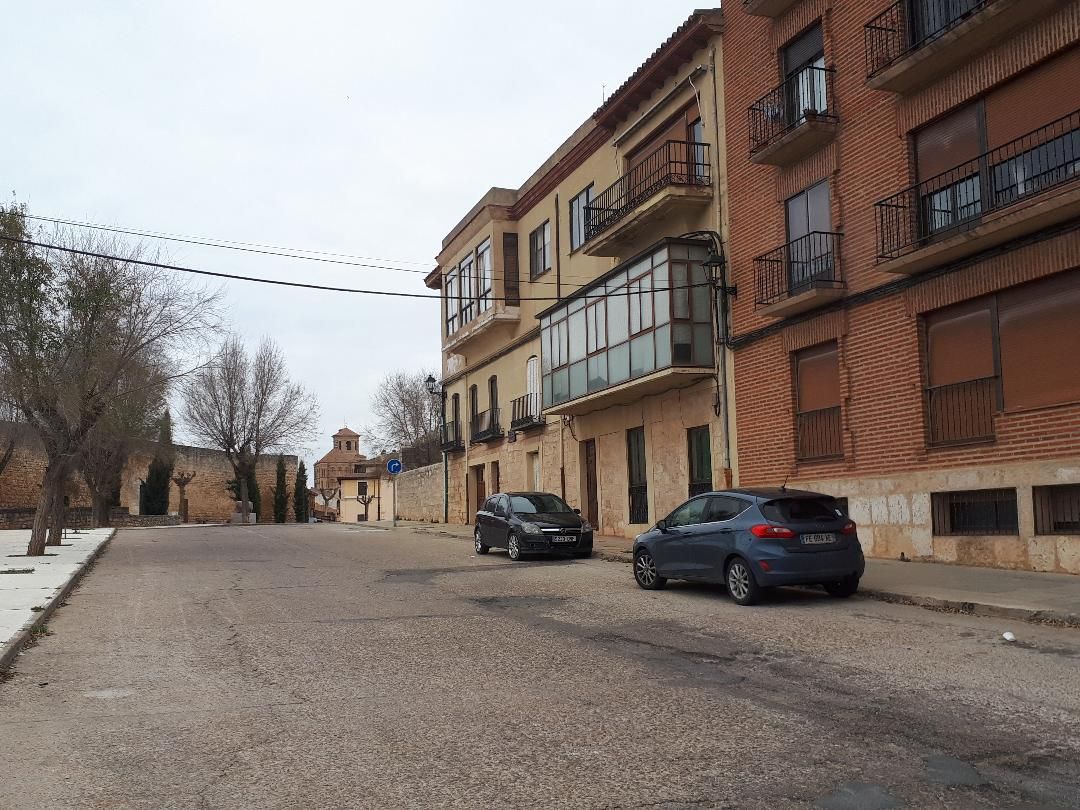
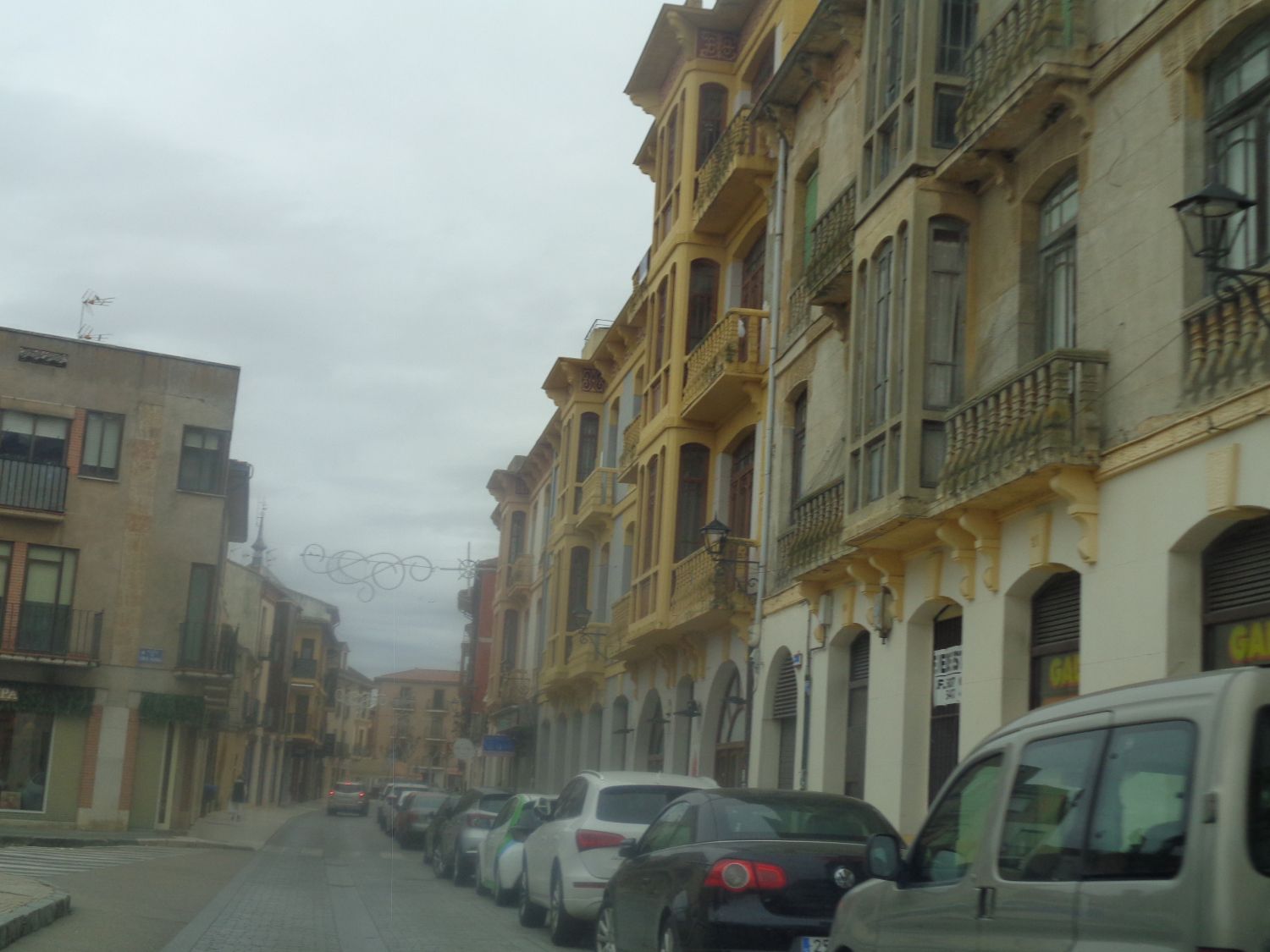
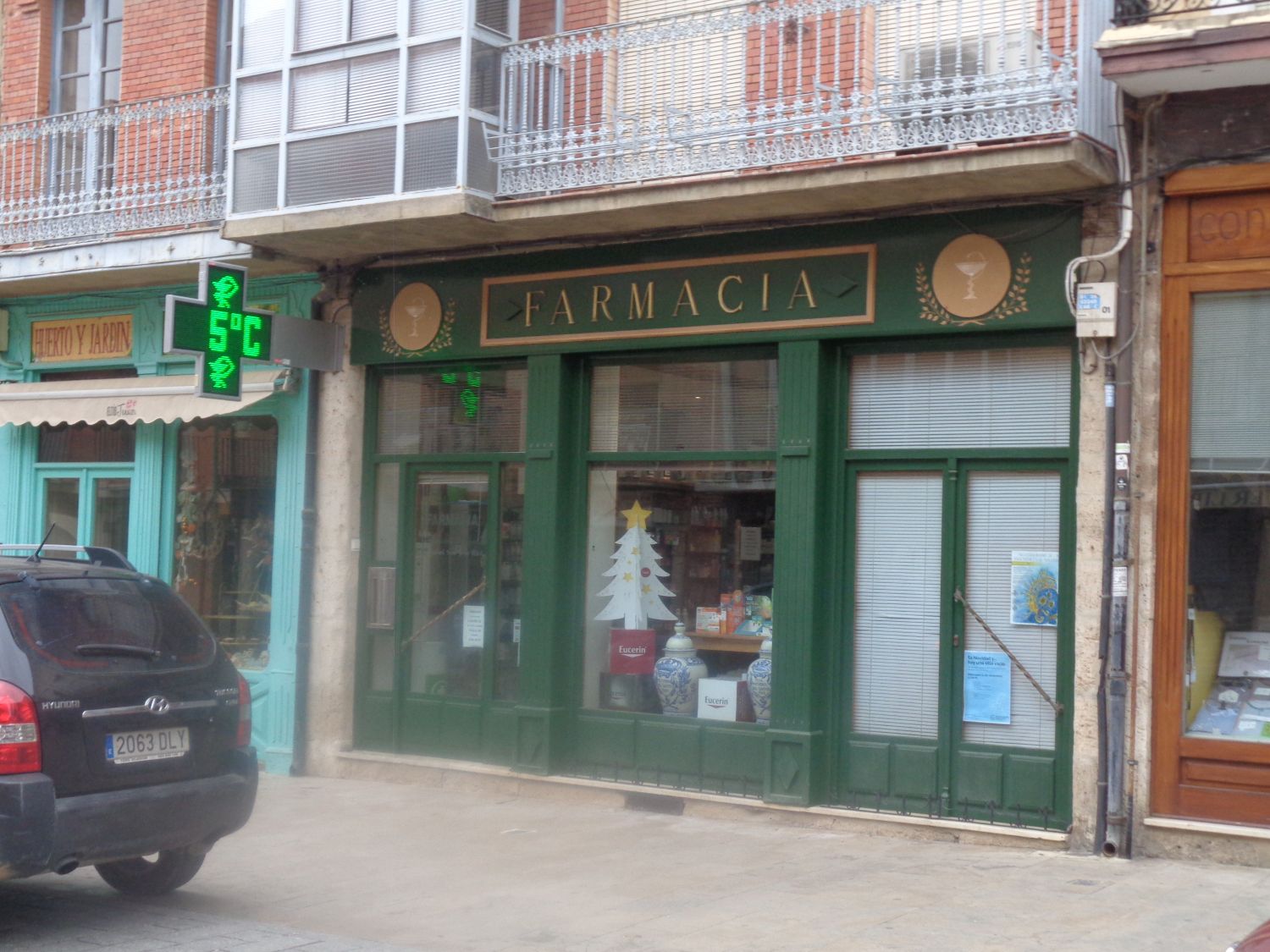
The picturesque Calle Sol has a length of 106 meters, it goes from the Plaza de la Marina to the Plaza Delhy Tejero, it is very commercial with stores and restaurants,a nice relaxing walk! Before, hitting lunch! However, before I stop by the Farmacia San Jose Riol CB pl del Mercado for some medicine for sore throat and was nicely serve.
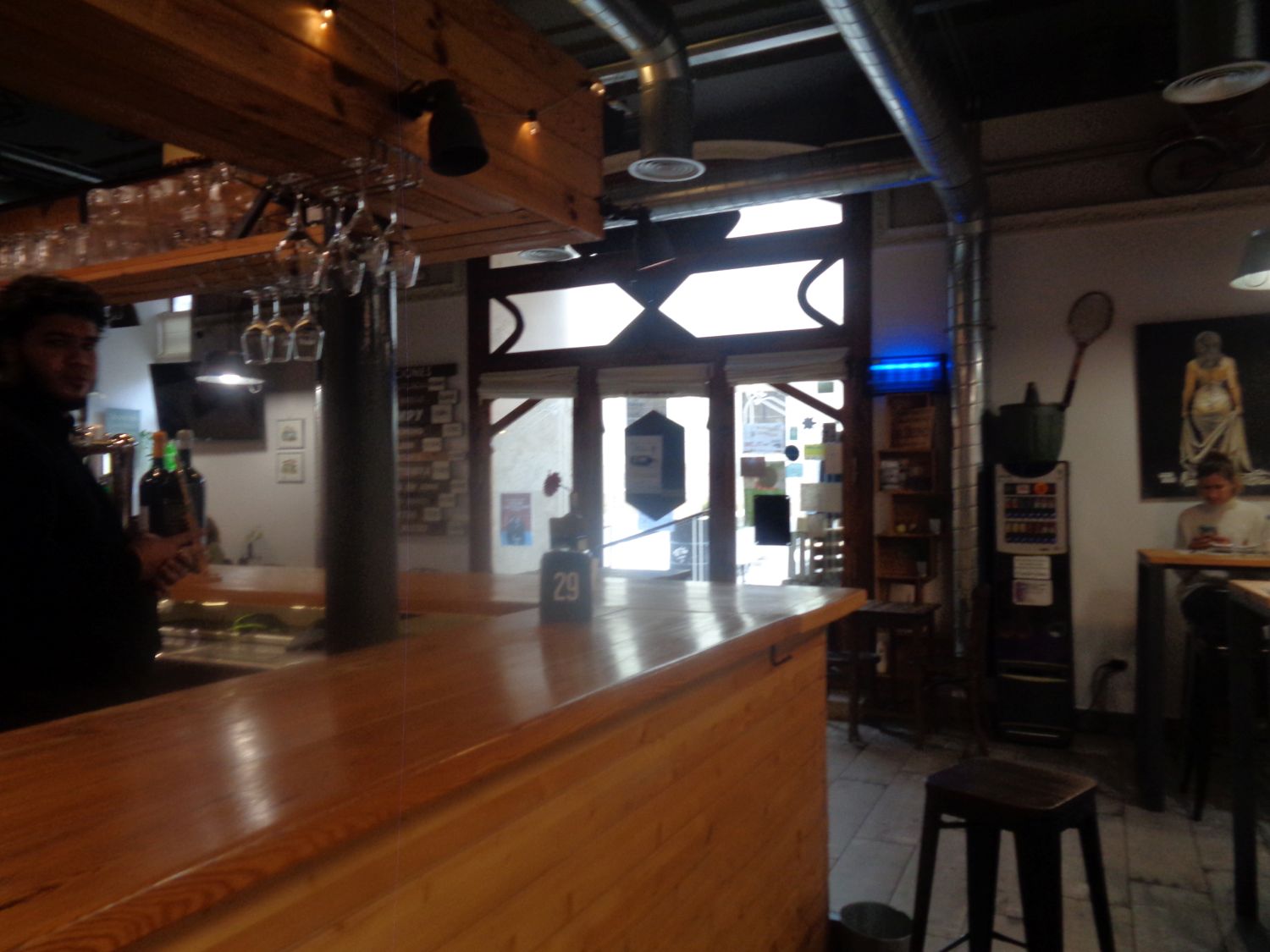
This was at the fine Bar Restaurante La Tinta Plaza Mayor Nº2, Bajo, was our stop for lunch,after parking the car; and it was superbe, looking forward to be back here! We had the usual tapas mix and red/rose wine of Bodega Fariña which I know way back, all excellent, the welcome, service, food ,prices all superbe, I will give you their presentation from a local newspaper,

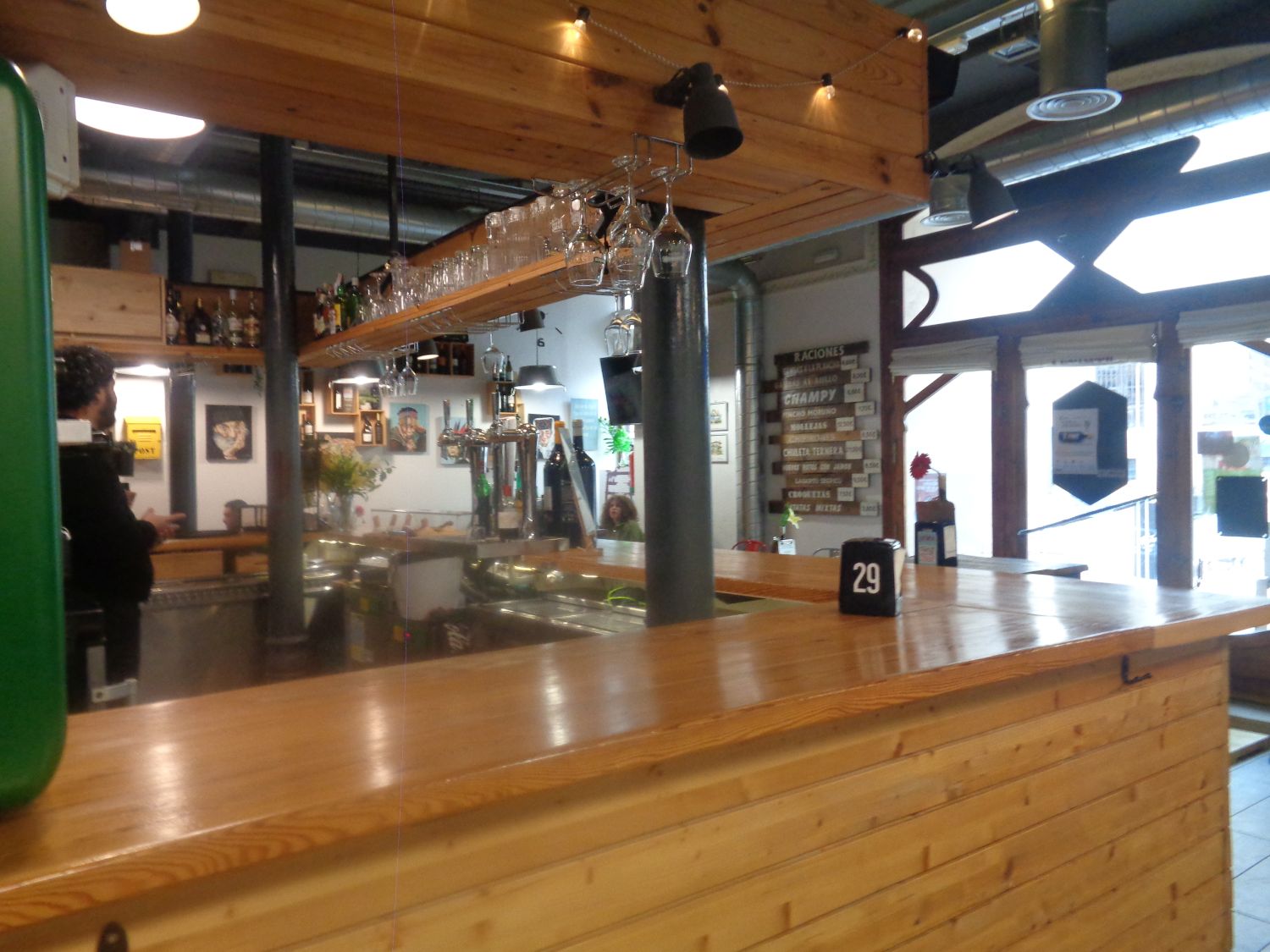
In La Plazuela (small square) in the shadow of the city/town hall,on Plaza Mayor, one of the sides of it that delimits the Casino building and beyond the church of the Holy Sepulcher, the Bar Restaurant La Tinta opens its doors and its arms to anyone who wants enter the traditional gastronomy of the land with a touch of innovation, in addition to knowing the famous wines of the area, the heart and engine of the Toresana region. Located in a beautiful local and endowed with a wide terrace, the establishment opened its doors in 2016 by Verónica del Palacio Cuevas and Dino Jorge have worked hard and gone beyond a mere establishment to make it a place full of life where the customer service is essential. Tastings, and activities focus their calendar throughout the year, in addition to the programming of its summer terrace, with concerts and outdoor activities that encourage the rich cultural life of Toro. La Tinta (Ink or female word for tinto red wine) has also scheduled showcooking days with outstanding guest chefs, which show their expertise before the stove in a constant exchange of experiences.
Their Facebook page: https://www.facebook.com/barlatinta/?locale=es_ES
The RestaurantGuru reviews on La Tinta: https://restaurantguru.com/Bar-Latinta-Toro
A bit of history I like brief because its long tell us that Leovigildo, king of the Visigoths, organized in 573 a campaign against the Suevos, in which the latter were defeated on successive occasions. The final result was the submission of the king looked at the Visigothic supremacy, becoming a federated of his crown. In addition, some authors indicate that the Visigoth king also founded “Villa Gothorum”, the current town of Toro, in order to use it as a bulwark against the Suevos and as a shuttle of the occupation of what was called “Campi Gothorum” (land of fields), The year 899 is known in the history of Toro as that of the repopulation of the city the re -foundation, already with the name of Toro, carried out with people of diverse origin, among which groups of Mozarabes from the South with them participated northern people, mainly Asturian, Basques and Navarrese. By 974, already in the reign of Ramiro III de León, Toro was considered as the head of his region, the “field of Taurus” from the 12C the town became a center of political, religious and military power. In this sense, military power was articulated around the Plaza del Alcázar, the municipal civil power in the Plaza Mayor and the religious built from 1160 , The 13C was the stage of greatest splendor of the town of Toro , in the that civil society focused on commercial activity, progressively abandoning the military. It is considered that the trigger for this trend was the promulgation of the first village, granted in 1222 by Alfonso IX de León, which made it part of the group of eighteen towns that could send procurers entitled to vote in the Courts of Castile, status that was germ of the subsequent province of Toro. The beginning of the 16C was convulsed, being a clear example the armed uprising of the community members and the consequent war of the communities of Castile. During this conflict ,Toro joined the commoners ranks, although without incident as in other places, The town maintained a continuous growth , which highlights the numerous religious foundations, caused by the arrival of Carmelites, mercenaries barefooted, Agustinians or the regular canons of San Antonio Abad, which would be completed during the next century with the arrival of new orders such as the Capuchins and the Barefoot Franciscans. The economic bonanza is truncated in the early 19C, especially after the territorial division of Spain in 1833, in which Toro loses the provincial capital and becomes integrated as one more town in the province of Zamora, within the Leonese region The loss of functionalities of the historic center entails its last transformation, adapting it to a role more associated with that of tourist and commercial resource.
The Toro tourist office on its heritage: https://www.turismotoro.com/index.php/es/toro-monumental
The Castilla y Léon regional tourist office on Toro: https://www.turismocastillayleon.com/en/heritage-culture/toro
There you go folks , another wonderful nostalgic, sentimental trip to my dear Spain, Do not know when we will be back, we sure will have this trip in our hearts forever, Again, hope you enjoy this post on this is Toro !!! as I
And remember, happy travels, good health, and many cheers to all !!!

 Paris1972-Versailles2003