
I like to tell you again about my road warrior trails in my dear Spain. Again, found me an older paper picture of quant village of Argandoña in the Basque country, glad I did find it and will need to show it to the world, I like to do justice to the place and give you an introduction, Therefore, here is my take on the Santuario de Nuestra Señora de Estíbaliz !!! Hope you enjoy the post as I.
Argandoña is a hamlet near 8 km of the City of Vitoria-Gasteiz, in Álava province, Basque Country,of Spain, The Santuario de Nuestra Señora de Estíbaliz or sanctuary of Notre Dame of Estibaliz, Nuestra Señora de Estibaliz is the Patron Saint of the province of Alava, The village is in the Basque country of Spain,right on the A132 road going to Navarra and Mues, It is 105 km from San Sebastian, 91 km from Pamplona, 62 km from Logroño , and 370 km from Madrid,
The Santuario de Nuestra Señora de Estibaliz has in its south part the Puerta Speciosa which has a different stile and details , The facade decoration is pointillist and lush , The angel and the Virgin are located on top of a little column in the front door. Both the characters seem to be walking transmitting the lightness of the moment. Its simple plant crowned by three apses, its columns embellished by curious historical capitals, the baptismal font and its stone front of the altar of the Christ hold details that in the opinion of some make their construction to the Visigothic era. The gate is called Puerta Speciosa, or beautiful door, for the reliefs and sculptures that adorn.
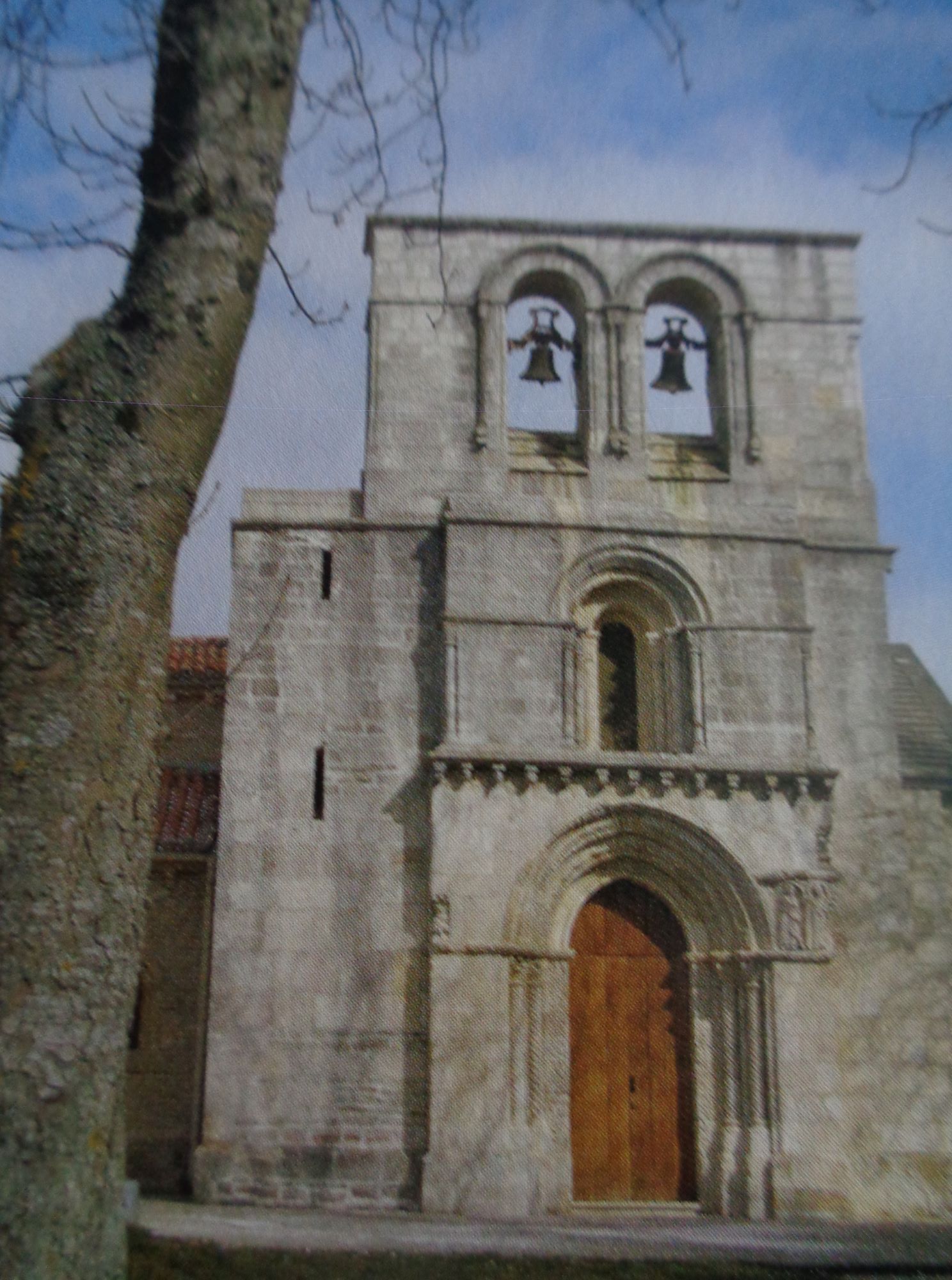
The site and the Notre Dame of Estibaliz are first attested on a 962 Navarrese royal charter. The present-day sanctuary was built in the 11C, and it is a true jewel of Romanesque art. In 1138 it was donated to the benedictine monks of Nájera, who preserved it until 1431 when they sold it to lord Fernán Pérez de Ayala, son of the famous King Enrique de Castilla’s chancellor, lord Pedro López de Ayala. Later, the sanctuary was donated to Santiago’s hospital in the city of Vitoria-Gasteiz. In 1542, the donator’s inheritor ordered its restoration. The new parts of the sanctuary, most of them restored, were built between the 12C and 13C. During the 20C, many young pupils received instruction here with a special focus on religious vocation. Bearing witness to its gone heyday, a Basque-Navarrese Railway line had its terminus in the sanctuary, nowadays dismantled.
In 1923, the current Bishop of Vitoria commissioned the Benedictines to take over the sanctuary. That same year, specifically on May 6, 1923, the canonical coronation of the Virgin of Estíbaliz was held. The Benedictine community remained in the Sanctuary one hundred years (1923-2023). The again current Bishop of Vitoria, commissioned in 2023 to the community of the pilgrim sisters of the Eucharist, popularly known as ‘pilgrims’, which will deal with the sanctuary. Fifteen pilgrim nuns settled in the convent on May 1, 2023
The official Sanctuary of Notre Dame of Estibaliz : https://santuariodeestibaliz.peregrinosdelaeucaristia.org/
The Basque country (Euskadi) tourist office on the Sanctuary : https://tourism.euskadi.eus/en/cultural-heritage/sanctuary-of-nuestra-senora-de-estibaliz/webtur00-content/en/
The Cultural site of the Alava province on the sanctuary : https://alavamedieval.com/the-sanctuary-of-estibaliz/
The Vitoria-Gasteiz tourist office on the sanctuary : https://www.vitoria-gasteiz.org/wb021/was/contenidoAction.do?idioma=en&uid=enti_5109
There you go folks, another wonderful spot in my road warrior trails of my dear Spain, This is architecture, history and just a quant, gem of Argandoña, worth the detour , me think, Again, hope you enjoy this unique post on the Santuario de Nuestra Señora de Estíbaliz !!! as I
And remember, happy travels , good health and many cheers to all !!!

 Paris1972-Versailles2003