
We are back to my dear Spain again !! love it !! We came by car of course and took time to see new areas and old repeat as could not be in Spain without stopping in my Madrid! I came again with my boys and dog Rex, and it was a thrill as usual! I like to tell you more of Madrid to heaven and a hole in the sky to look down on it everyday !!! Let me take you to some of the usual curiosities of Madrid, part V !!! Sit back and enjoy with me the next several posts ; and hope you enjoy it as I,
The city of Madrid is the capital of the kingdom of Spain, and located in the Comunidad de Madrid region From my latest escapes it is 211 km from Valladolid City , 198 km from our rental house in Velliza, 183 km from Tordesillas, 172 km from Rueda, 159 km from Medina del Campo, 199 km from Simancas, We made long walks all over the City , and took the metro when necessary, three times. I love to tell you of our latest escape to the wonderful City, for the memories of always and return, eventually.
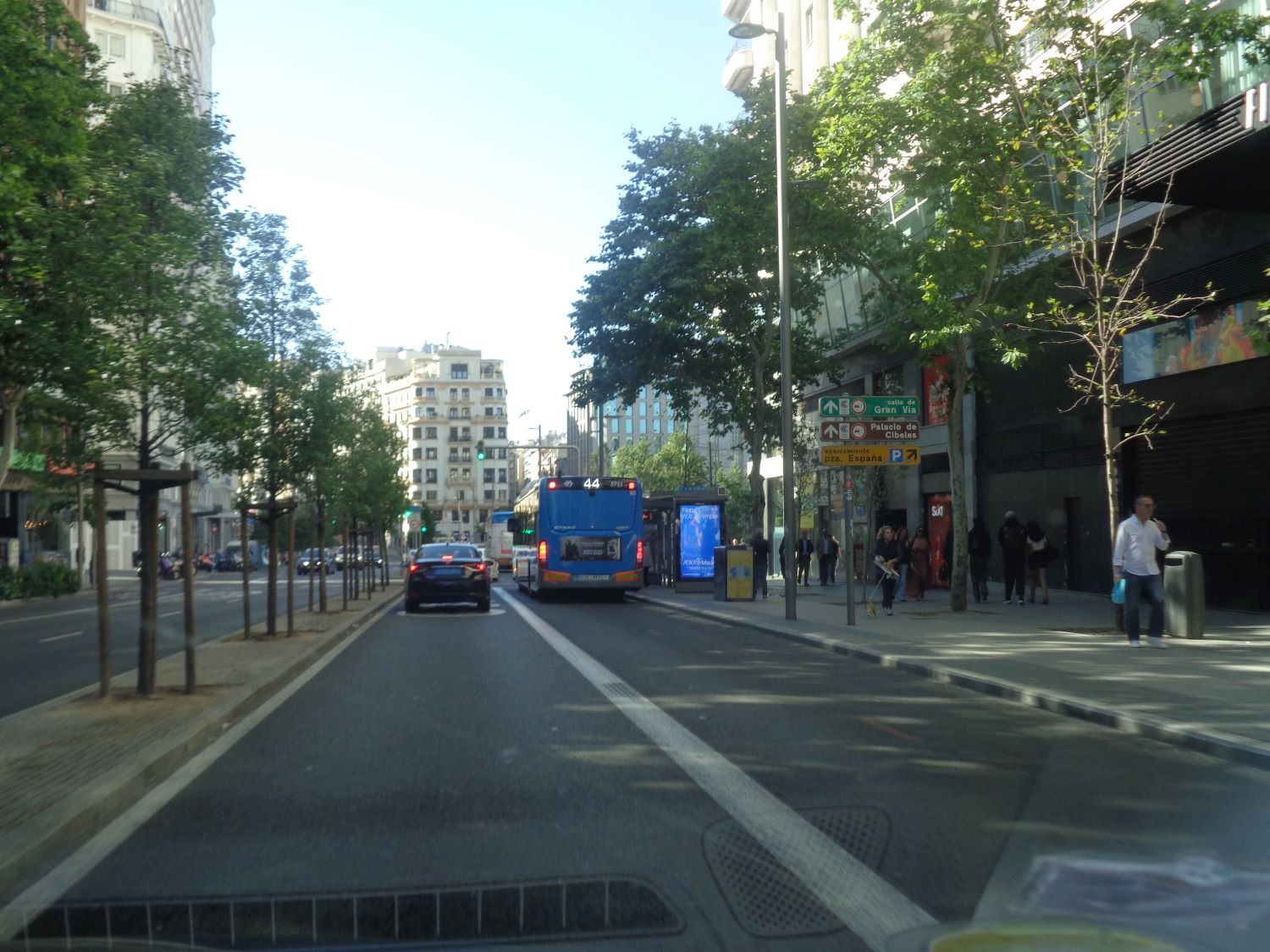
We came straight down on the A6 highway/motorway into Calle Princesa by Moncloa on one trip and by the M30 to Paseo de la Reina Cristina on the other day, Our first parking was on the Opera Palacio de los Duques on Cuesta Santo Domingo, 5 paying about 20 euros for the whole day, Our second parking was on Paseo de la Reina Cristina, 24 paying 20 euros for the whole day.
The Tùnel de Guadarrama or tunnel is located on the Autovia del Noroeste or Northwest Highway (A6 that we came in initially) , It crosses the Sierra de Guadarrama between the Community of Madrid (town Guadarrama) and the Province of Segovia (town of San Rafael). It consists of three tubes, excavated at different times from 1962 to 2007. Two of the tubes correspond to the senses of the march. The third is reversible depending on traffic conditions. The total length of the sum of the three tunnels is 9358 meters, being the longest of 3340 meters, This is a paying toll 14,30 euros each way but on the return we took the free old road N VI that passes by town center San Rafael amongst others, Now refer as N6 that becomes the A6,
We took the metro as said, about 3 times mostly going by Gran Via (lines 1 and 5) , Puerta del Sol (lines 1,2,3) , Principe de Vergara (lines 2 and 9) ,and Quintana (my old apart with my Mom) on line 5,


The Banco Bilbao Vizcaya (BBVA) located at Calle de Alcalá, 16, has quadrigas dragged by four horses, whose leg stands out from the facade, flying over the sidewalk. The quadrigas were made in an alloy of bronze, lead and iron, with a golden brass coat and each of them weighs 12.5 tons and is four meters high, The drivers are not found inside the quadriga, but rather they appear standing, in a pedestal located on the carriage, so that they can be seen from the street.

The Calle de la Princesa or Calle Princesa for the locals is a street the continuation of the Autovia del Noroeste or Northwest highway,or the A6 as we took initially, It is a dividing line between the Centro and Moncloa-Aravaca districts, The street received its name-which dates from 1865 to honor the Infanta Isabel de Borbón y Borbon.
The Faro de Moncloa with its 92 meters and the panoramic elevators climb will lead visitors to the Grand Mirador or grand lookout, which stands in the heart of the Ciudad Universitaria of Madrid. It is a former lighthouse 110 meters high, built in 1992, the year the city was designated European capital of culture. Right next to it you have the Museo de las Americas or Museum of the Americas is this interesting museum which houses an impressive collection of pre -Columbian, ethnographic and colonial pieces, which can be cited in particular by the Treasury of the Quimbayas, the most complete American goldsmith sample that is preserved. Worth the detour, see post, The Arco de la Victoria better politically correct known as Puerta de la Moncloa, built between 1950 and 1956. It is a commemorative work of the victory of the Nationalist side over the Republican side in the Spanish Civil War, It is located in one of the main entries of Madrid, that of the La Coruña road, (A6 we took in ) In the center of the so-called Avenida de la Memoria or Memory Avenue of the District of Moncloa-Aravaca.
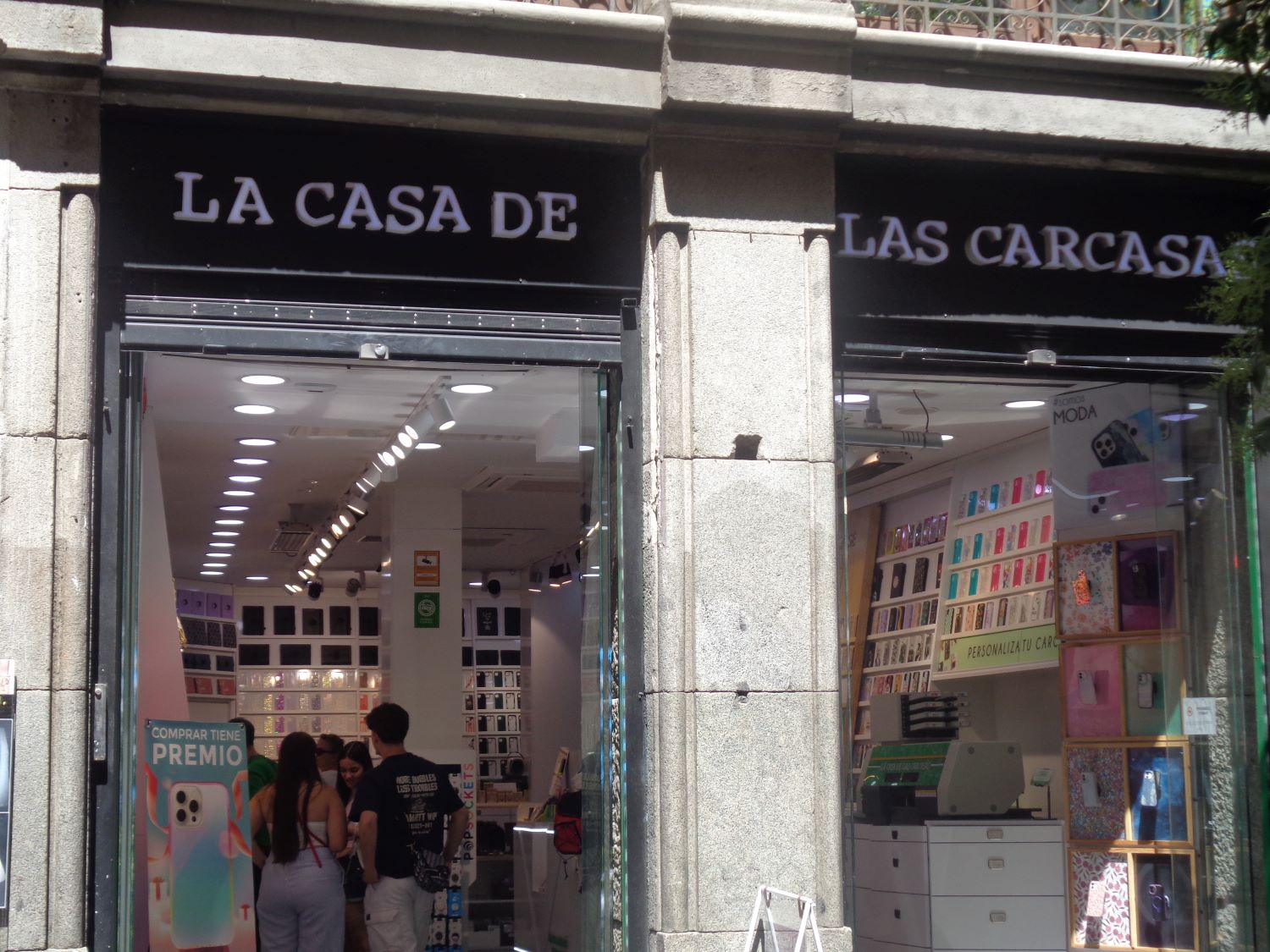
The Calle Fuencarral is a commercial street in Madrid that runs from South to North between the neighborhoods of Chueca and Malasaña, from the Gran Vía to the roundabout of Quevedo, in the districts of Centro and Chamberí. It takes the name for being one of the roads that communicated with the village of Fuencarral. The City/town hall of Madrid adapted part of its route as a pedestrian zone , See at No 78, occupying the noblest part of the former Royal Hospice of San Fernando, the Museum of History of Madrid, created in 1929 and turned into a museum of history of Madrid in 2007, The anecdote here is my twins boy purchase their Iphone covers with designs I cannot describe lol !! This was at La Casa de las Cascasas no 9.
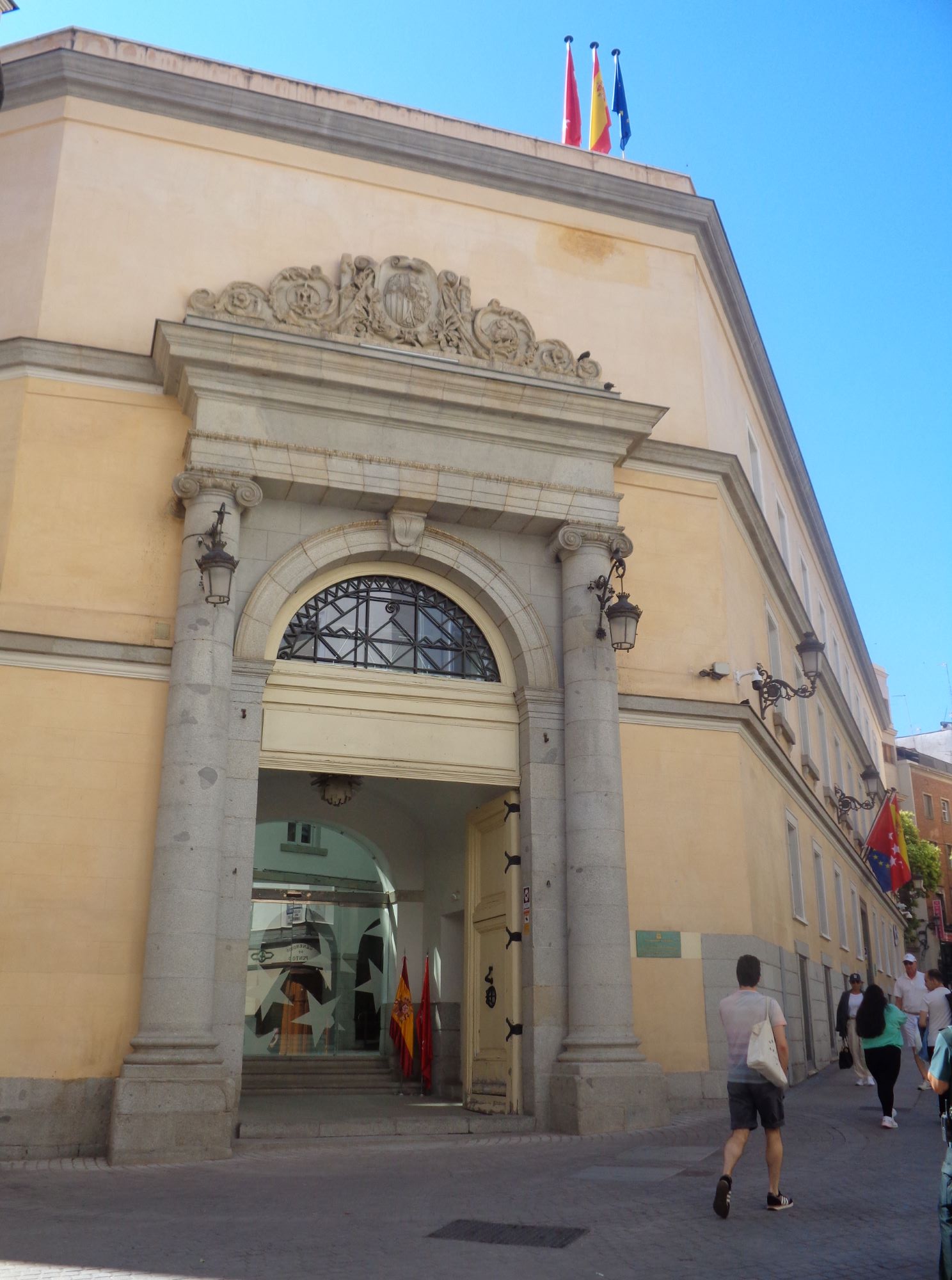
Neoclassical in style, the Real Casa de Postas palace was designed in 1795 during the reign of Carlos IV, and it was initially used for the postal service horses to rest and change over. That is why it was built behind the Real Casa del Correo (see below) on Puerta del Sol, This administrative building, located between Calle de la Paz, Calle Pontejos and Calle Correos, was home for some years to the telegraph service and offices of the National Police force, under the name Quartel de Zaragoza, until it was bought by Madrid’s Regional Government in 1985.
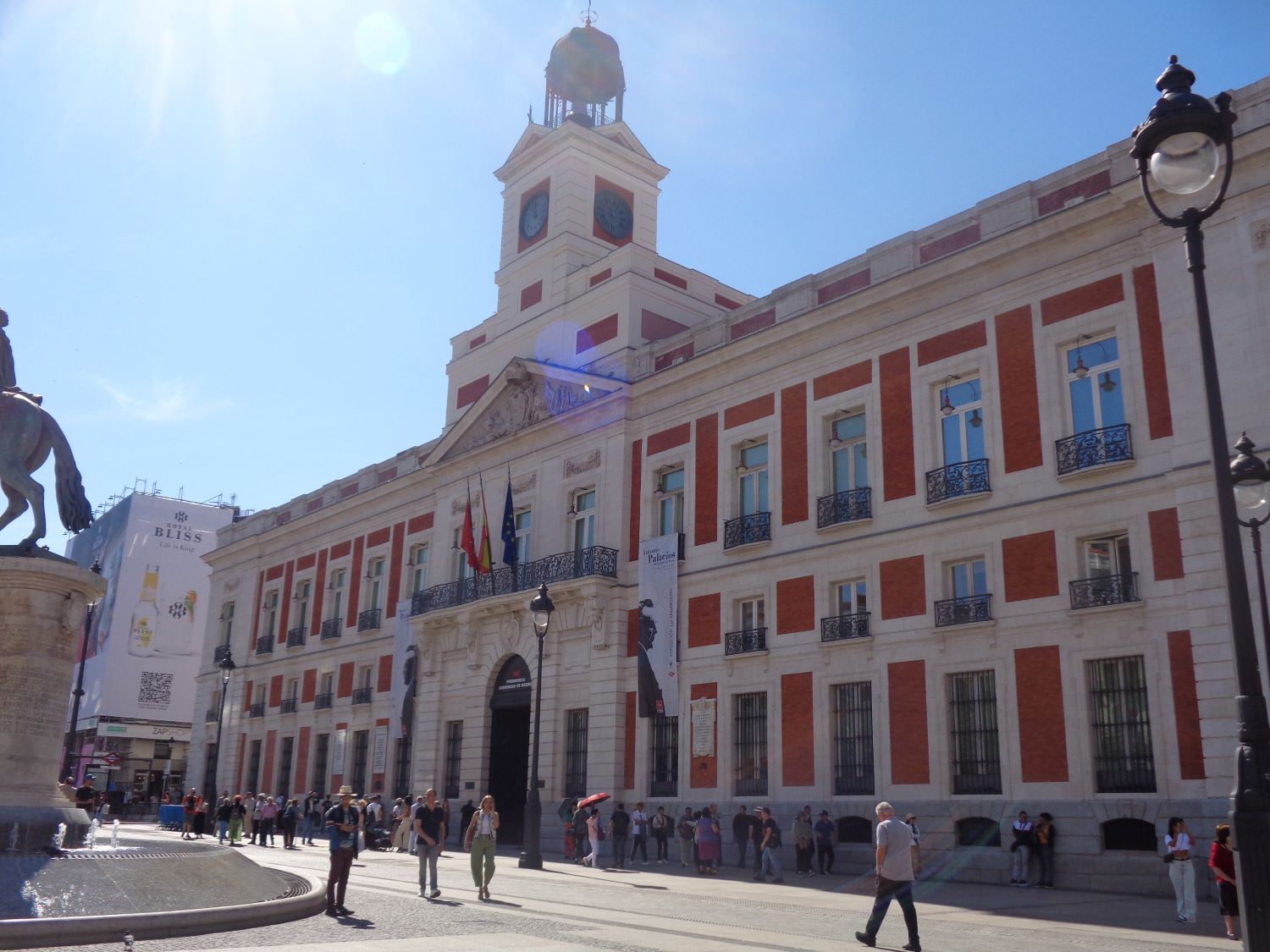
The Real Casa de Correos was built between 1760 and 1768 in the middle of Puerta del Sol to be headquarters of the postal service and did so in the baroque style of the time ; the building has a rectangular plant and is articulated around two small interior square courtyards. The clock turret dates from the 19C, and every December 31, the clock of the Real Casa de Correos or Royal House of the Post Office is the one who marks the end of the year for the Madrid and, broadcast on television, to all of Spain. Since 1985 it is owned by the Community of Madrid, placing in it the headquarters of the Presidency.
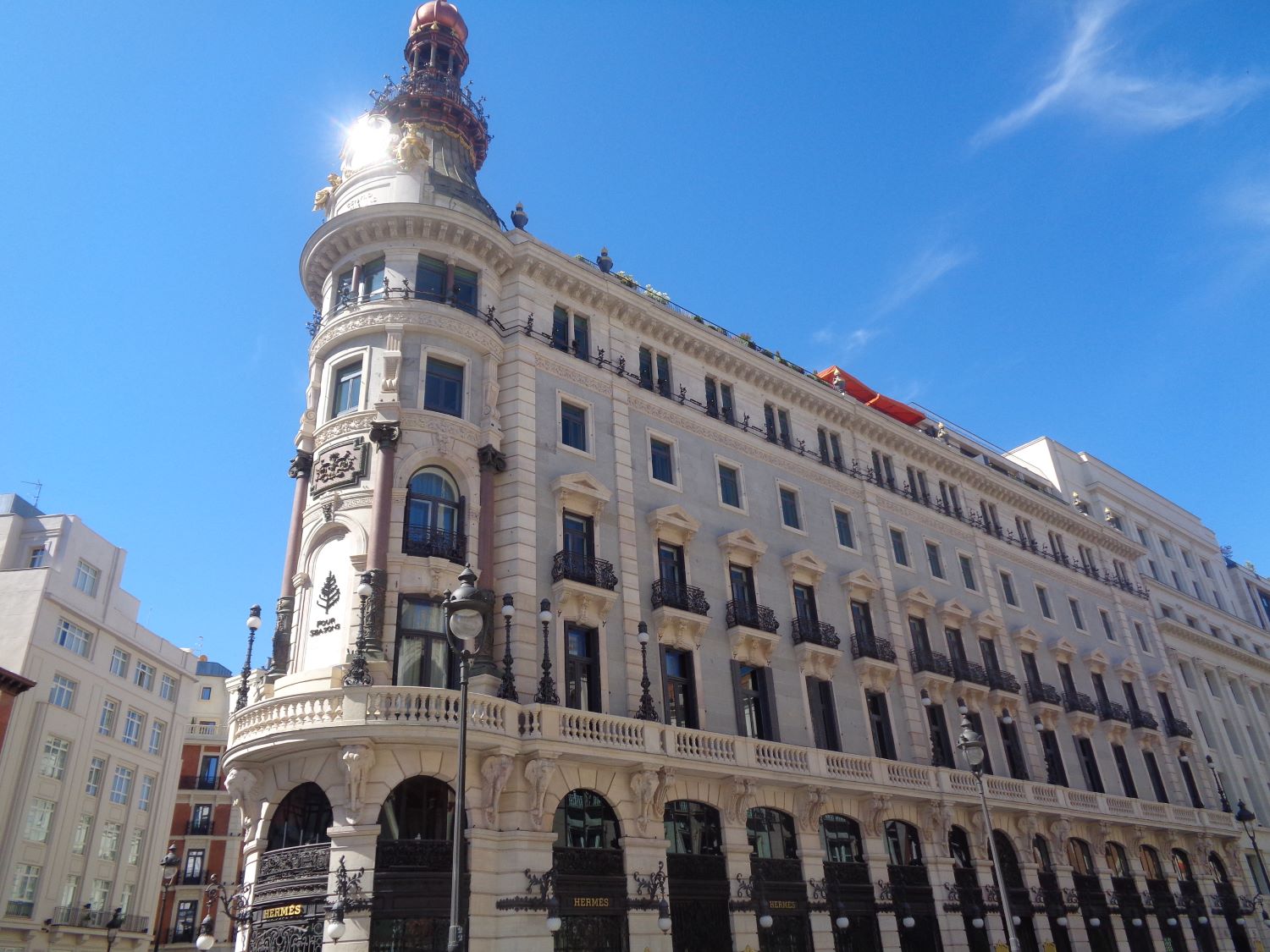
A peek of wonderful architecture at least is the Four Seasons Hotel opened in September 2020. The 200-room hotel is one of the largest and most expensive hotel in Madrid’s history, It is located steps away from the Puerta del Sol, The building was originally constructed from 1887 to 1891 as the headquarters of La Equitativa insurance company, and was known as the Palace of La Equitativa. From 1920 to 2004 was the headquarters of Banesto , a bank
The Madrid tourist office: https://www.esmadrid.com/en
The Comunidad de Madrid tourist office on its heritage : https://turismomadrid.es/en/discover/villas.html
There you go folks , another wonderful nostalgic, sentimental trip to my dear Spain, Madrid is always nostalgic sentimental words cannot describe it ! This is a vibrant cosmopolitan cities of friendly faces and smiles to share in long conversations about life and more ; I love it, We will be back ,eventually!, Again, hope you enjoy this post on the curiosities of Madrid, part V !!! as I
And remember, happy travels, good health, and many cheers to all !!!

 Paris1972-Versailles2003