
We are back to my dear Spain again !! love it !! We came by car of course and took time to see new areas and old repeat with some of them as introduction to my sons and our dog Rex ! I came into Medina del Campo after several years and it was sublime ! I like to continue my road warrior stories this time in Medina del Campo, Therefore, here is my take on the curiosities of Medina del Campo !!! part II. Hope you enjoy the post as I.
The City of Medina del Campo is located in the province of Valladolid and the autonomous community of Castilla y Léon in the kingdom of Spain, It is 54 km from Valladolid City , 42 km from our rental house in Velliza, and 160 km from Madrid, We walked a lot in the city ,and saw many wonderful monument ,buildings you name it. I like to keep them in my blog for the memories of always and return, eventually.
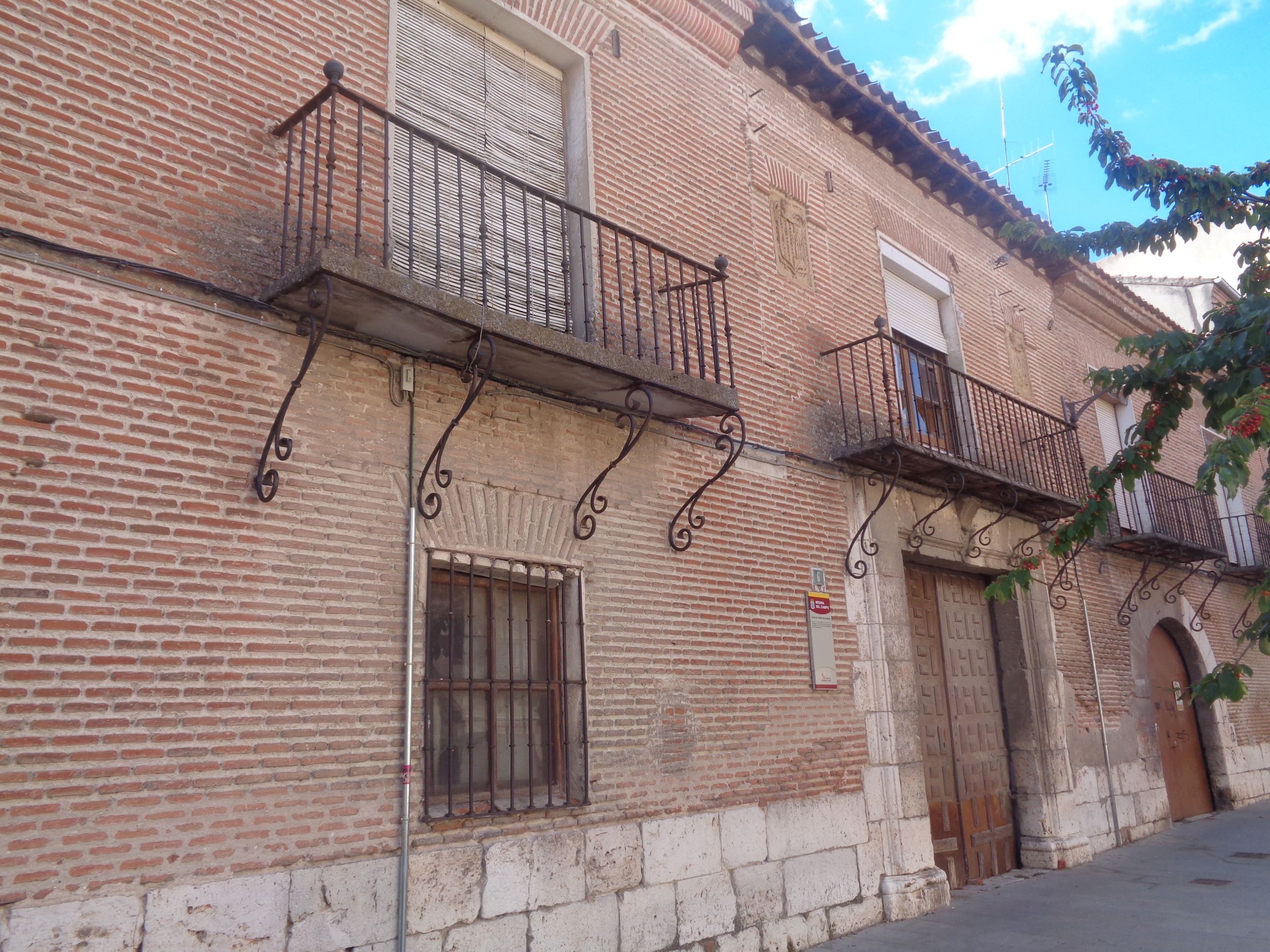
The Casa del Conde Adanero is a large building with heraldic motifs on its facade and two stone access covers, an adintelada with moldings and another with a half -point arch. The old patio can barely be intuited in the columns that are embedded on the walls of an open sky stay, which is accessed through the primitive hallway. On the street dedicated to Alonso de Quintanilla, this house of great proportions stands. This family belonged to the Great Solar Casona holder of the Marquises of Castroserna missing in the first half of the century. There are two shields with the weapons of the owners of the property, surely corresponding to one of the lineages connected with this influential family, possessing important properties. On the upper floor, balconies show that shown balaustres topped in balls and slender clamping pieces, all of the first half of the 18C. After the entrance hall there is a recoleto patio in which they can be seen, today stuffed in enclosure partitions, the columns that formed the porches of the same.
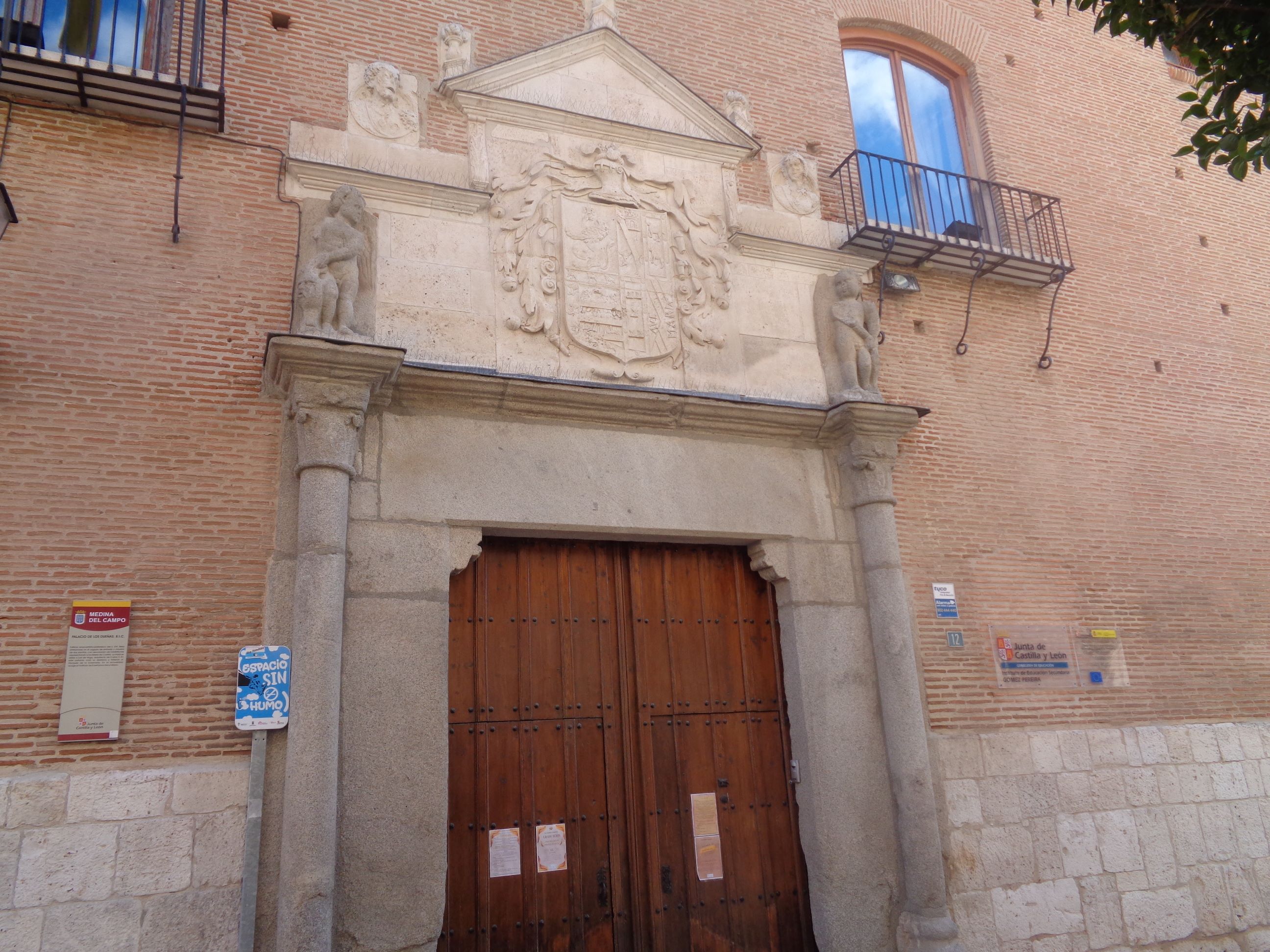
The Palacio de los Dueñas was Diego de Beltrán, Minister of the Indies, who commissioned this palace to the architect Luís de Vega in the 16C. The project follows Renaissance models. It is square with a tower at one of its angles. Through the hallway, it is accessed to the patio, which is a rectangular space with columns and has two floors. In this palace the emperor Carlos V was housed when he headed to his retirement in Yuste and the Marquis de la Ensenada. It is an excellent example of the urban palace whose main element is the splendid portico patio in which the medallions stand out representing kings and queens of Castile. It currently serves as a teaching center.
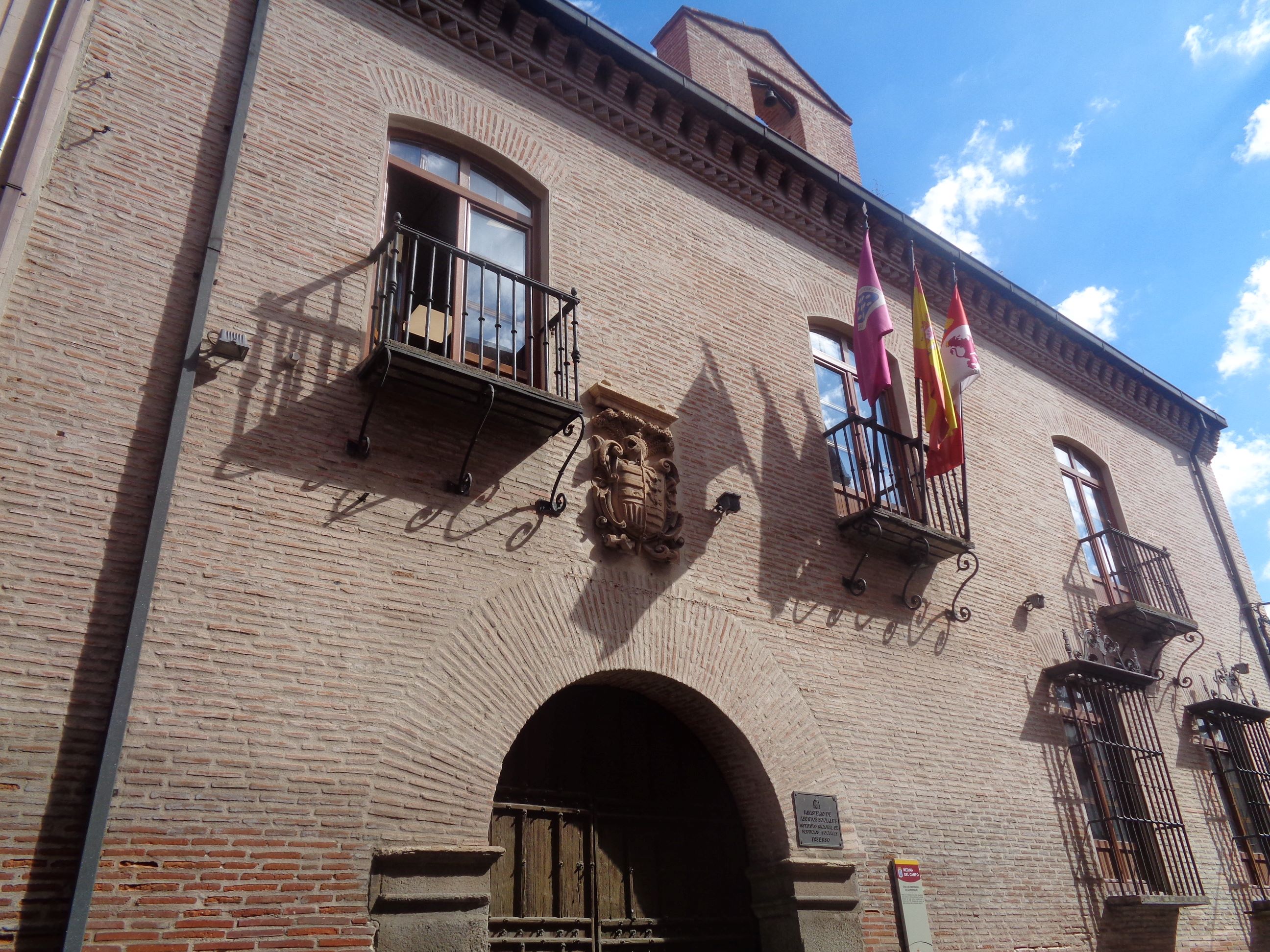
The Casona del Mayorazgo de los Montalvo was built in the mid -16C by the local lineage of the Montalvo. Inside, the ancient portico patio of columns of very long shafts with shoes is still fragmentary and modified. Between 1903 and 1928 ,it was an asylum of elders for whose chapel the small bell that appears on the facade was lifted. Later Municipal School was rehabilitated for a house of retirees.
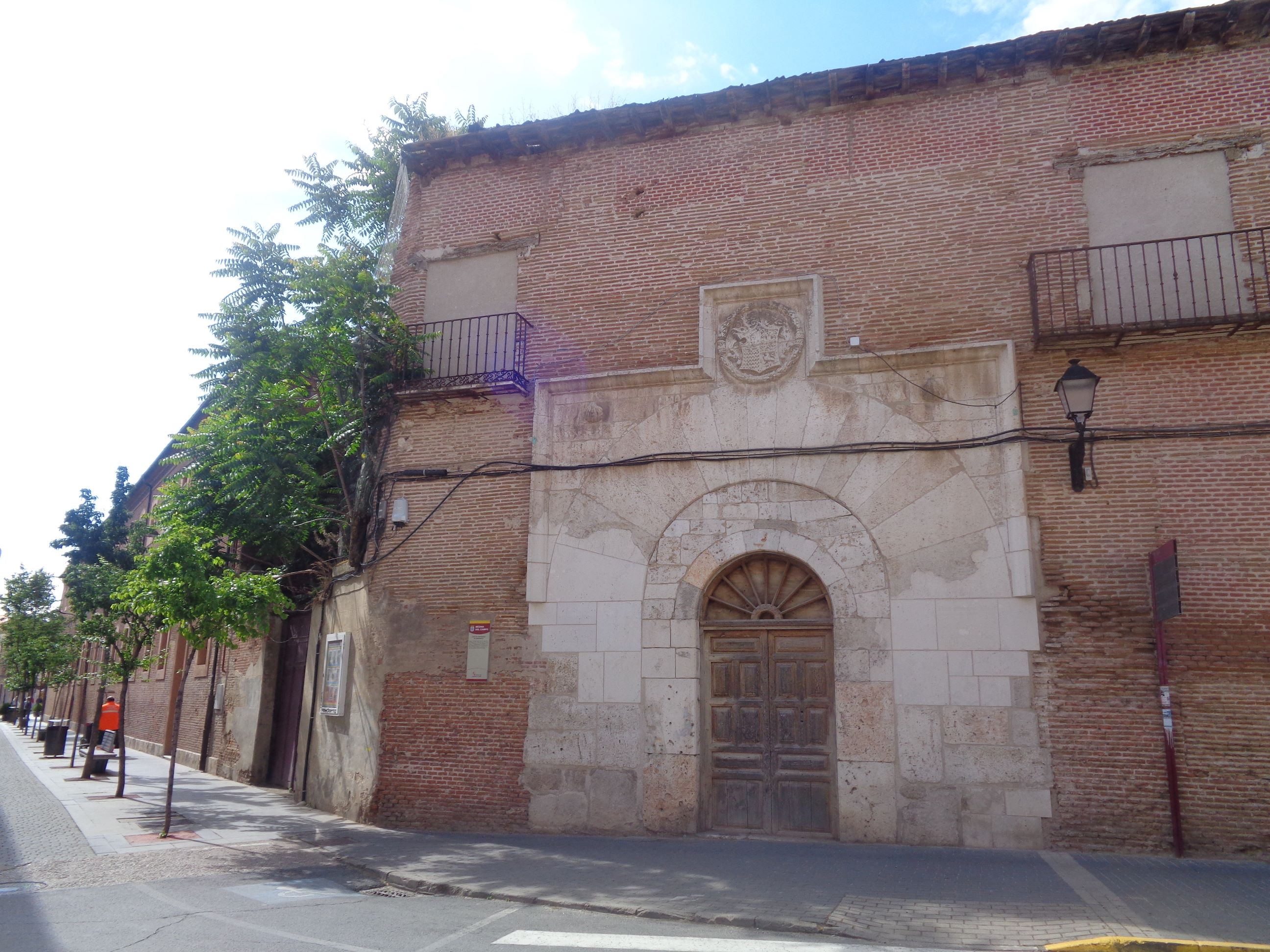
The Palacio de los Quintanilla built by the successors of the accountant of the Catholic Monarchs Alonso de Quintanilla. On closer dates it served as the Civil Guard barracks. This building will be rehabilitated as an extension of the Museo de las Ferias (see post)
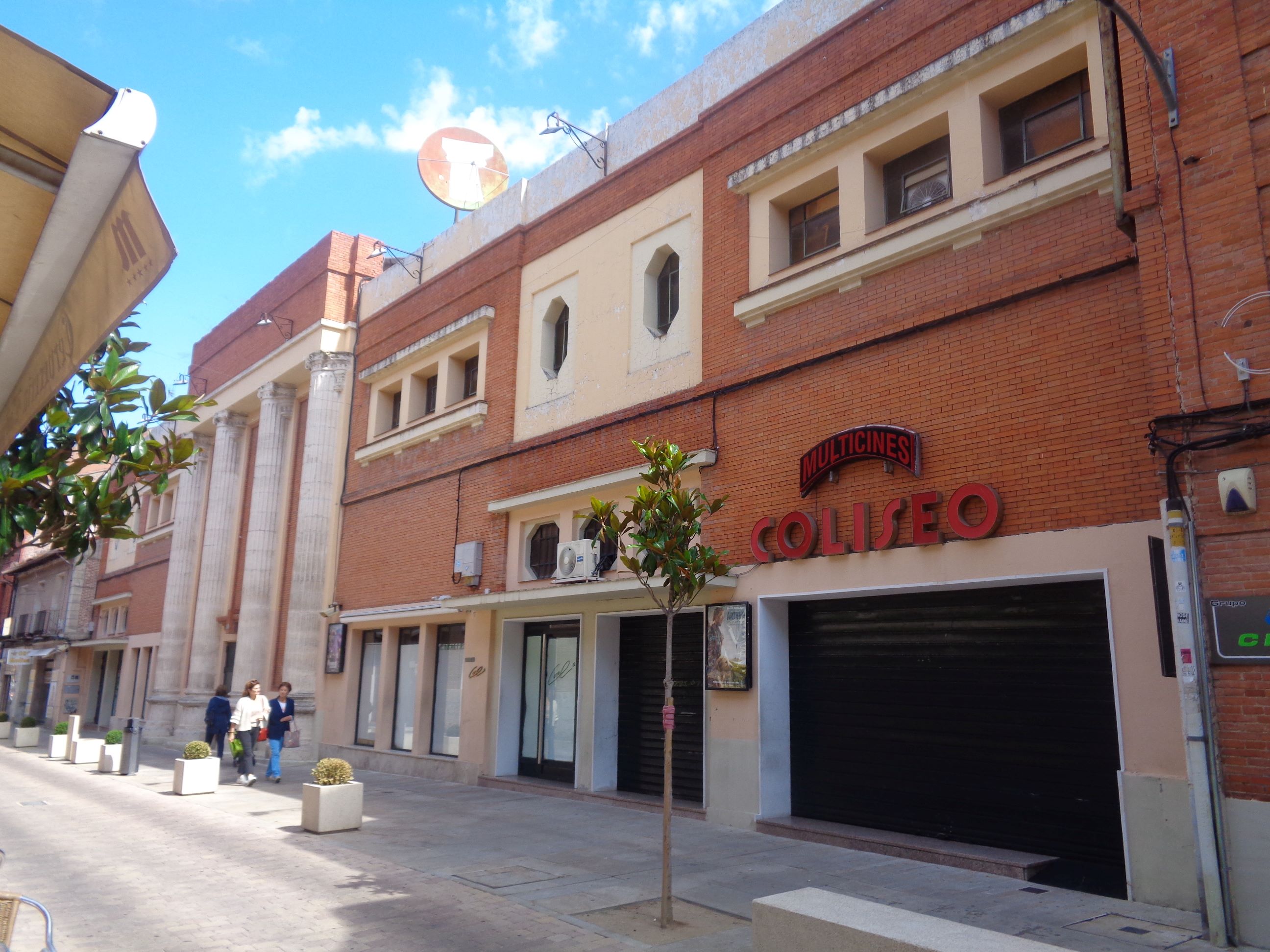
The Palacio del Marqués de Falces is a magnificent building built by the Peralta, Marquises de Falces, a lineage that in Medina del Campo starts with Luis de Peralta, gentleman of Carlos V, who married the local Catalina de Pedrosa; Of their offspring, numerous men of arms highlighted. For almost a century ;since September 1896 it becomes the daughters school of Jesus. It is subsequently bought by the city and rehabilitated. Since 1993 it works as a culture house, in which the municipal archival and library services, exhibition hall, etc .are offered.
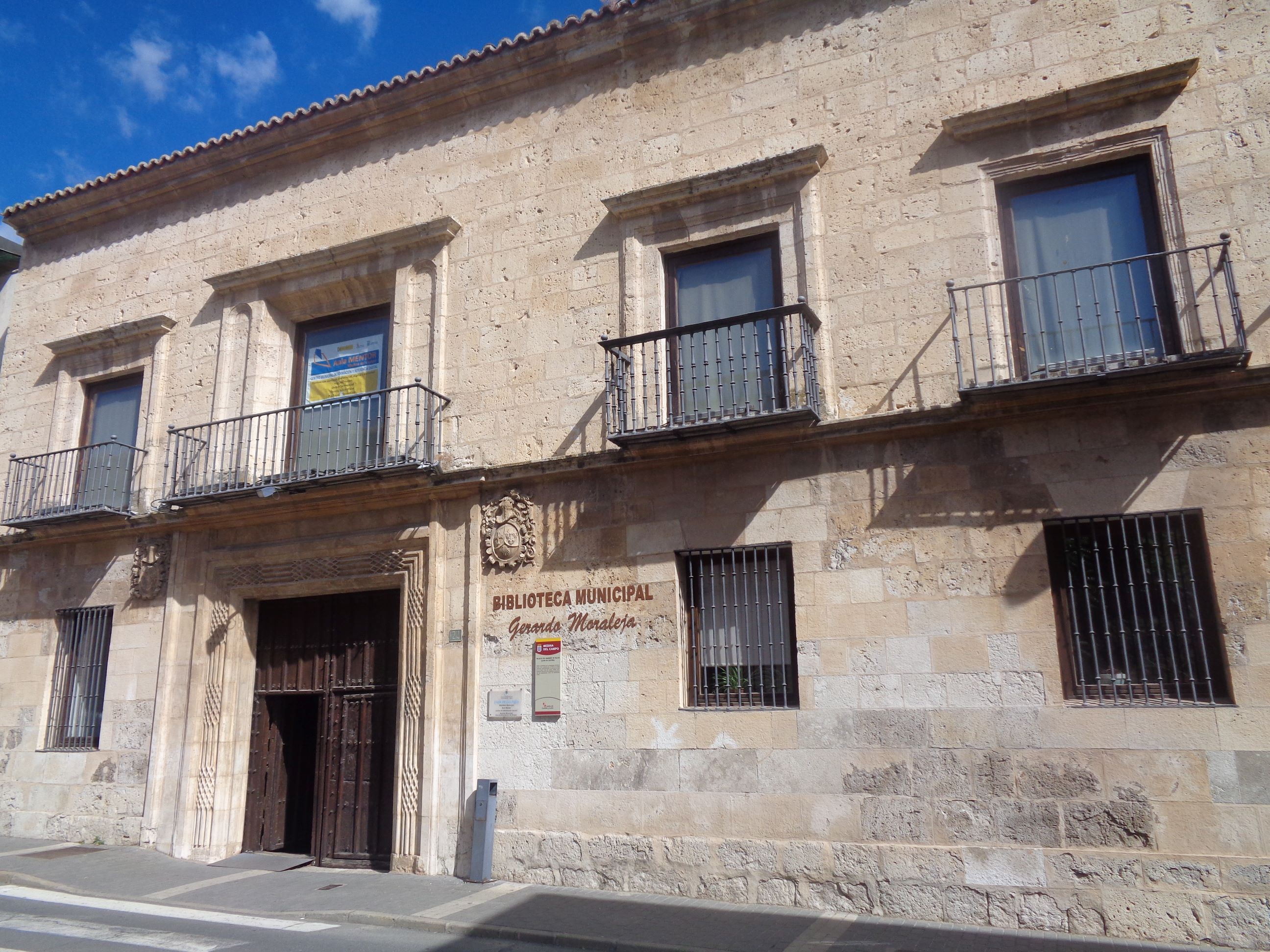
Monument to Isabel La Catolica on the Plaza Mayor, opposite the Maison du Peso. This is one of the many monuments that there is at Medina del Campo dedicated to Isabelle the Catholic. The statue is erected on a granite base and this bronze figure of the Queen of Castille on the occasion of the centenary vet of her death.
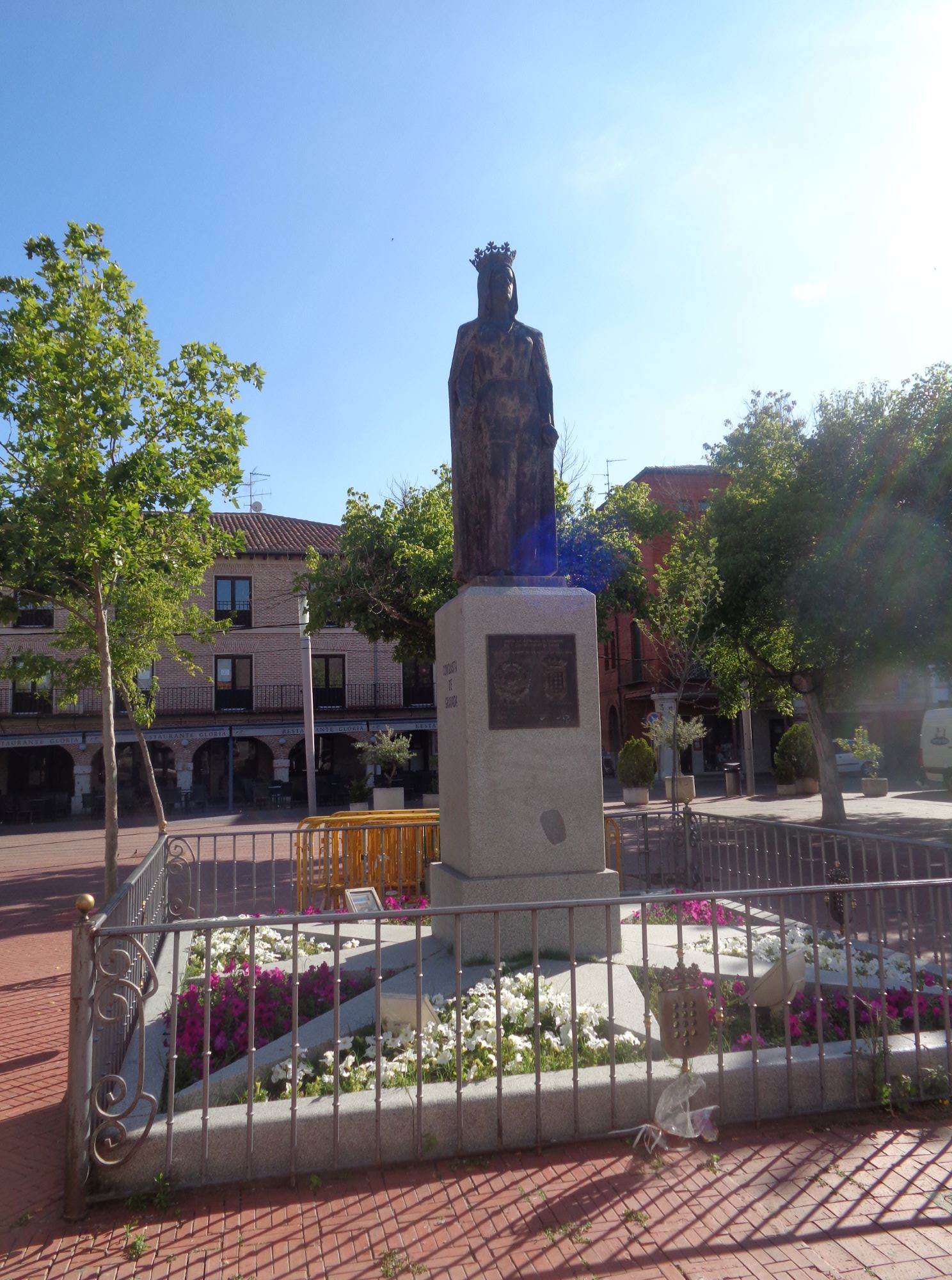
The Puente de San Miguel crossing the Zapardiel River, tributary of the Duero, born in Avila ,Its channel has been practically completely dried, except when there are large torrential rains, Medina del Campo has four bridges since the end of the 15C. The bridge of San Martín or the Cadenas (chains) is the most significant, since it is the only built in stone that allowed the passage of carriages and goods, and served as a direct access between the new houses and the new street to the Plaza Mayor.
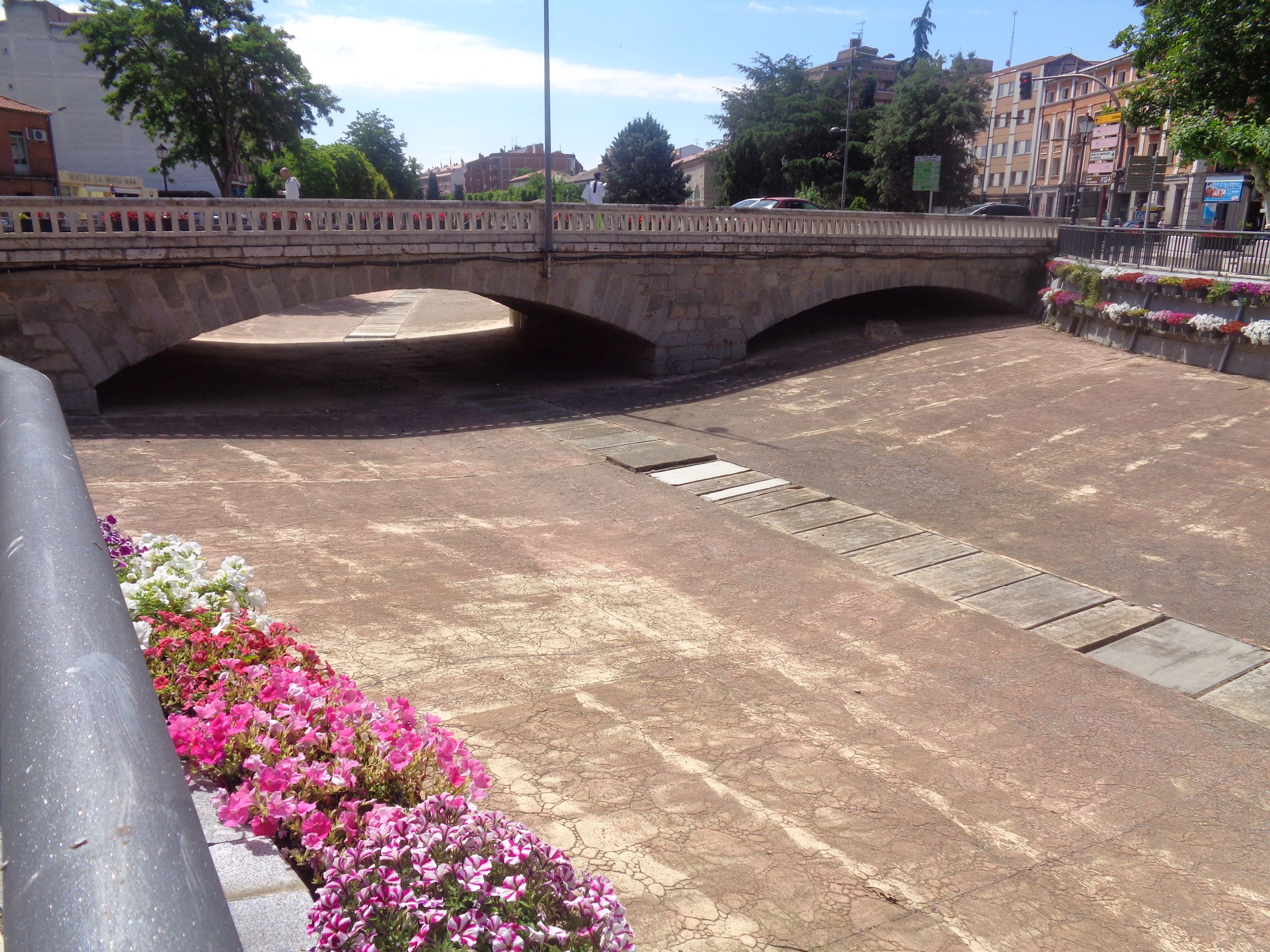
Multicines Coliseo at Calle Simón Ruiz, 9 has four rooms and cinema since 1996 , At first it was the San Facundo church, then it was a cinema, Cine Coliseo, later a disco, Coliseo , and today it has once again a cinema, Multicines Coliseo. The Coliseo discotheque had a a lot of prestige and success among the people, it opened from 19h to 23h, four times a week: Thursday, Friday, Saturday and Sunday. In it great artists such as El Fari, Bertin Osborne, Los Chichos, Chiquetete, Alejandro Sanz came! Nice,.The official Multicines Coliseo of Medina del Campo: https://multicinescoliseo.com/
The city of Medina del Campo: http://www.ayto-medinadelcampo.es/
The province of Valladolid on Medina del Campo: https://www.provinciadevalladolid.com/en/-/medina-del-campo-1
The Castilla y Léon tourist office on Medina del Campo: https://www.turismocastillayleon.com/turismocyl/en/art-culture-heritage/historic-sites/medina-del-campo
There you go folks , another wonderful nostalgic, sentimental trip to my dear Spain, Medina del Campo was a pleasant surprise , nice,quant, historical I like, We will be back ,eventually, we love it !, Again, hope you enjoy this post on the curiosities of Medina del Campo !!! part II as I
And remember, happy travels, good health, and many cheers to all !!!

 Paris1972-Versailles2003
🇪🇸
LikeLiked by 1 person