
We are back to my dear Spain again !! love it !! We came by car of course and took time to see new areas and old repeat with some of them as introduction to my sons and our dog Rex ! I came into Valladolid after several years and it was sublime ! I like to continue my road warrior stories with Valladolid, Therefore, here is my take on the Cathedral Notre Dame de l’Assumption of Valladolid !!! Hope you enjoy the post as I.
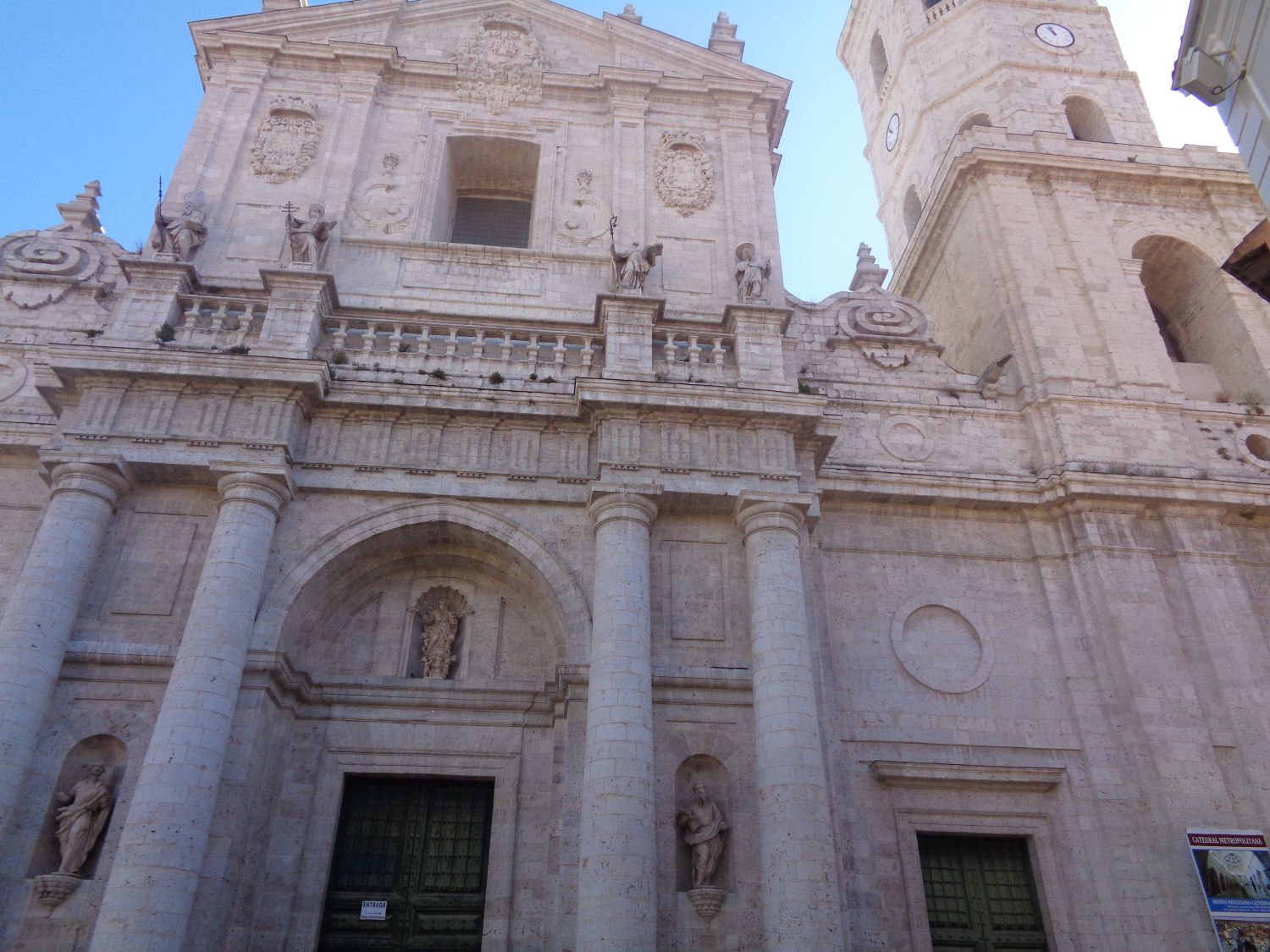
The town of Valladolid is in the province of Valladolid, in the Autonomous Community of Castilla y Léon, only 202 km from from Madrid. We arrived by the Plaza Mayor (see post) and came right away into this marvelous cathedral. Let me tell you on it in a condense manner as usual by me.
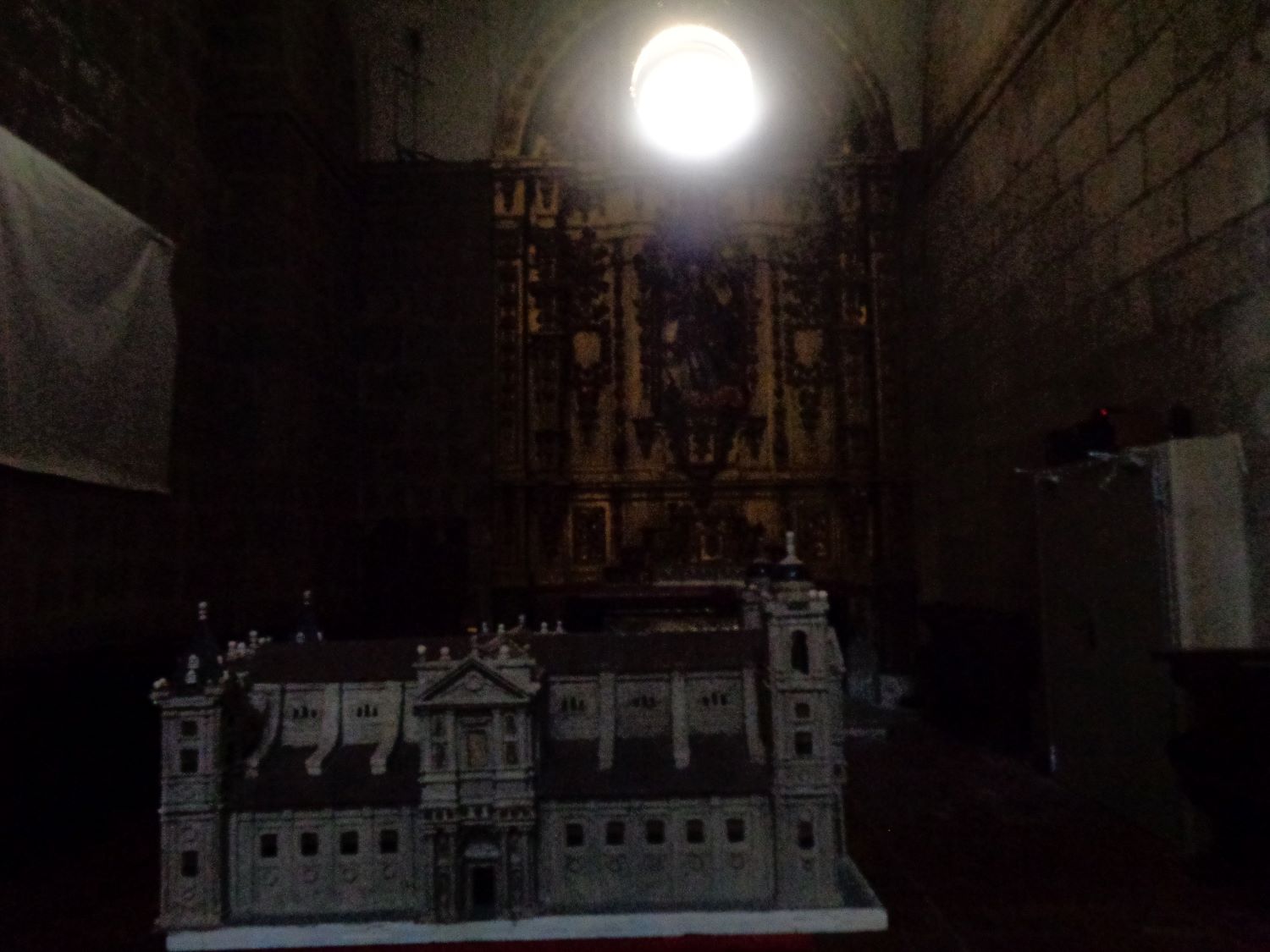
The Notre-Dame-de-l’Assumption Cathedral has its origin from a Gothic collegiate church of the 15C. Before being temporarily capital of the unified kingdom of Spain, Valladolid was not the seat of a bishopric, and thus there was the need to build a cathedral The cathedral was only completed during the 18C with the addition of the main facade. The altarpiece of the polychrome wooden altar was produced by Jean de Joigny (Franco Spanish sculptor born in France died in Valladolid), The project of a large three -nave church with the crossroads and the choir. In black, the parts built, in light gray striped, the parts that have not been. A dotted line shows the three temporary excision of the 17C which is currently closing the cathedral. The cathedral door, sold in 1956, which is currently in New York, in the Metropolitan Museum of Art. The facade of the crossroads built between 1962 and 1964. The cathedral is of the Herrerian style with added Barroco. Only built in about 40-45%, due to the lack of resources for a project of such magnitude and the expenses caused by the difficult foundation of the temple, located in an area with a large slope in the field.
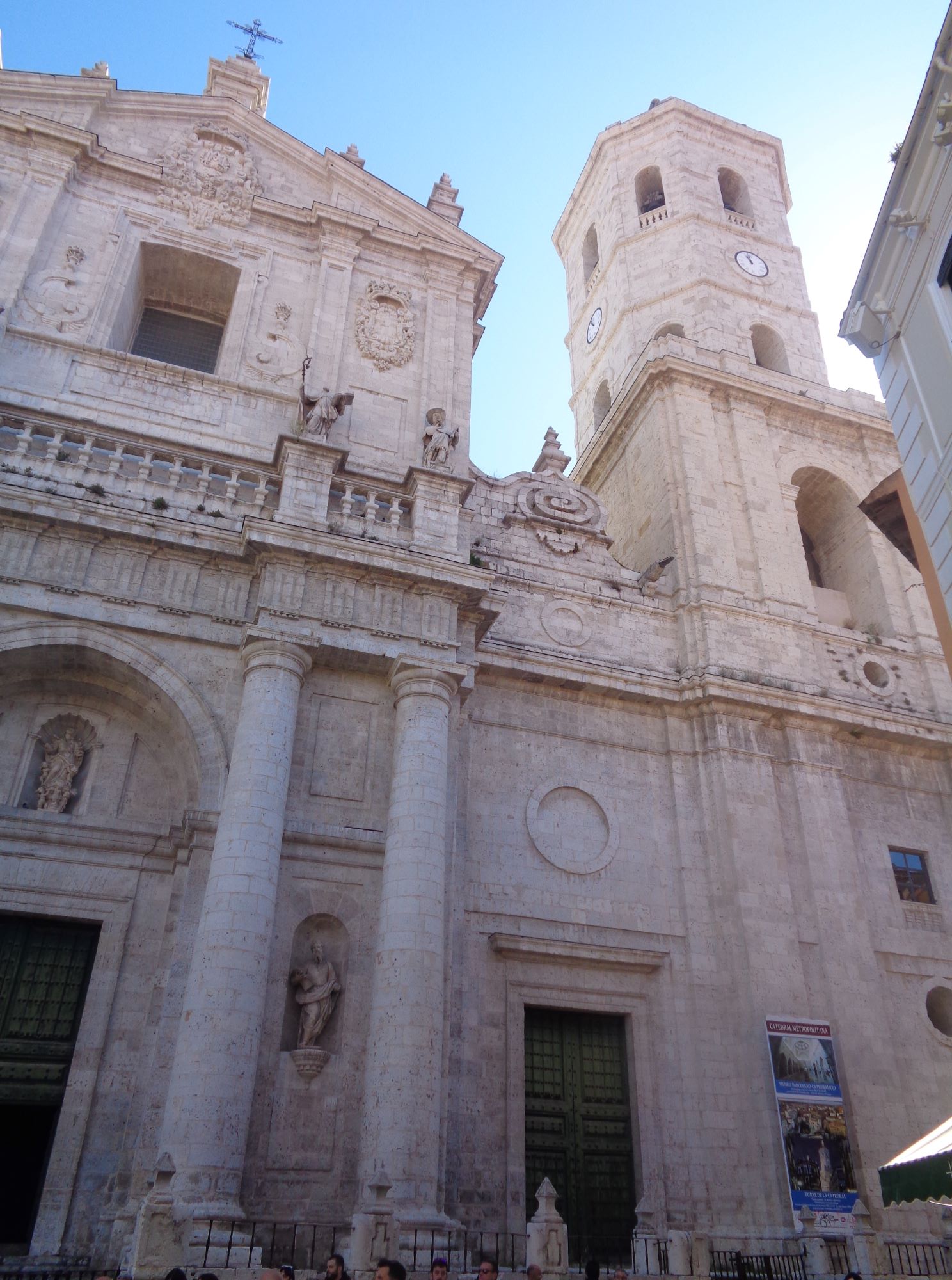
The Count Ansurez created the first collegiate with the intention of being a church or temple, a point of reference for the development of the town and that highlighted until the mid -12C. On its ruins, in the time of Fernando III the Saint was built the second, between the years 1219 and 1230 of the most of life and that remained until the 17C, when the cult moved to the current cathedral, which is its heiress, to the which has also been called the fourth collegiate. The third collegiate, the foundations were thrown that same year of 1527 until it stopped in 1577 that it was a failed attempt of a more ambitious temple and whose works were frozen due to lack of money, it was built perpendicularly to the second; From this third collegiate only the vestige of the foundations remains. The fourth began to be built on May 13, 1582 at the request of Felipe II and after the bull issued by Pope Clemente VIII, the Collegiate under construction took the title of cathedral in 1595.
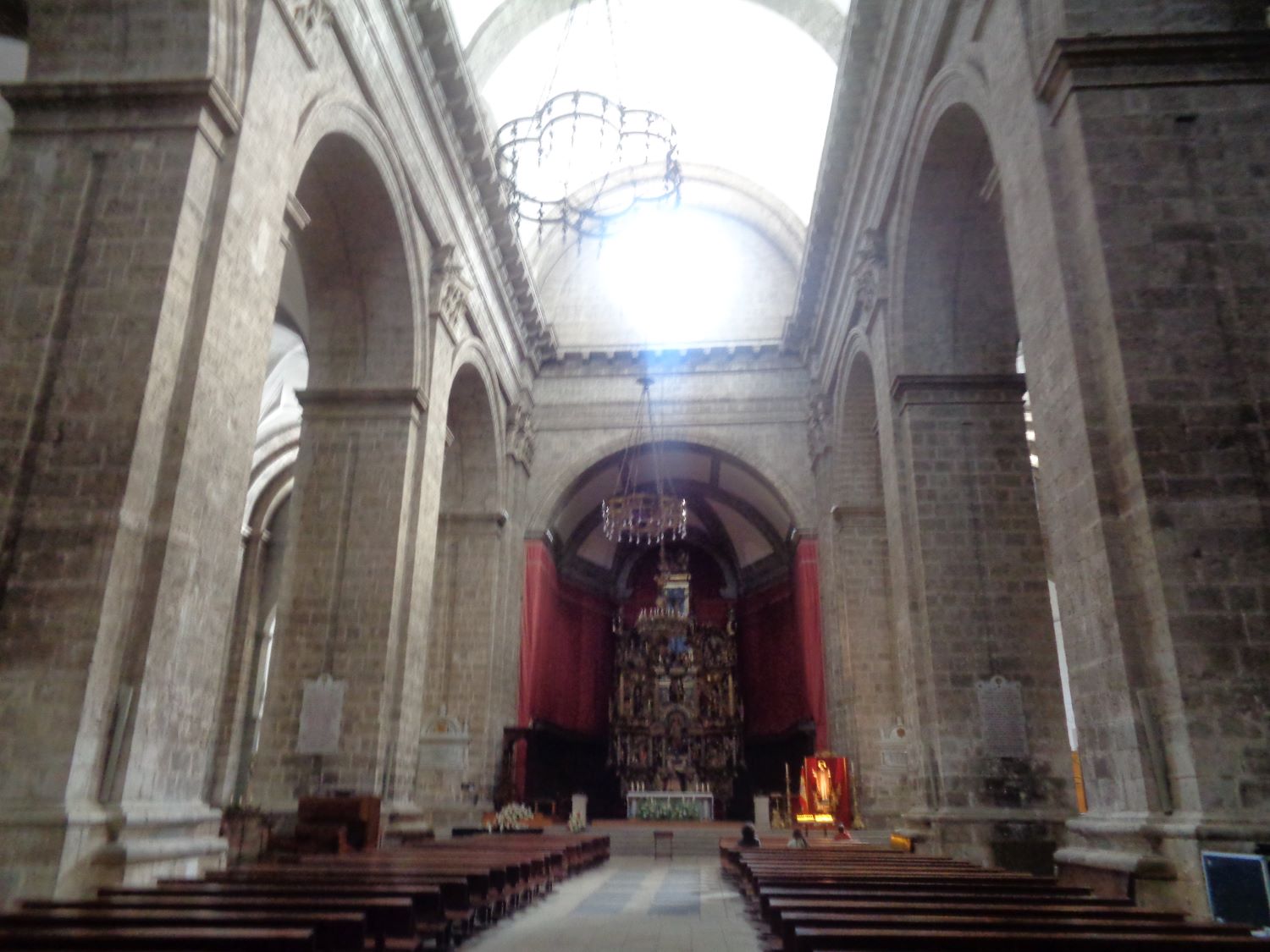
The tower that had risen at the beginning of the 18C, sank in 1841, causing damage to the cathedral that had to be repaired, although the tower never rose again. At the beginning of the year 1880, the construction of the tower on the side of the epistle began, which ended in 1890, except for the current auction of the dome and the sculpture of the Sacred Heart of Jesus that were added in 1923, In 1965 the chapels were restored from the former collegiate, saved from demolition because the works of the cathedral did not prosper. In these chapels was the Diocesan Museum of the Cathedral.Therefore, the building today presents three naves, separated with large square pillars that hold large semicircular arches on the sides of the three naves there are eight nick chapels (four on each side) closed with bars, which, which they keep baroque, rococós and neoclassical altarpieces, in addition to some sample of funeral sculpture.
The fourth collegiate that ended up being a cathedral began to be built by the feet, that is, for its southern facade the first body, it presents four columns and two images of Saint Peter and Saint Paul located in two niches excavated in the intercolumns. In the timpano of the arc is an image of the Virgen de la Asunción, head of the cathedral. The sculptures of Saint Peter, Saint Paul and that of the Virgin were made in 1841. Although from the outside it cannot be seen, this part of the cathedral is a mixture between the ruins of the collegiate and areas of what could be Herrera’s nave. Juan de Herrera had conceived for the cathedral the construction of four towers, two in the corners of the facade of the feet and two lower in the corners of the head. These last two never were built and from the other two only the west chapel was raised in the presbytery, in the central apse. Its walls are upholstered with crimson damask and contains the main altarpiece, the main chapel has had three different altarpieces throughout its history. The first was placed in 1670, the second in 1865 and the third in 1922, the choir stalls is not placed in the nave, but in the presbytery, unlike many Spanish cathedrals, while the organ is found in a high tribune at the feet. The cathedral treasures a very valuable musical file. In it are handwritten and printed works ranging from the 15C to the 20C.
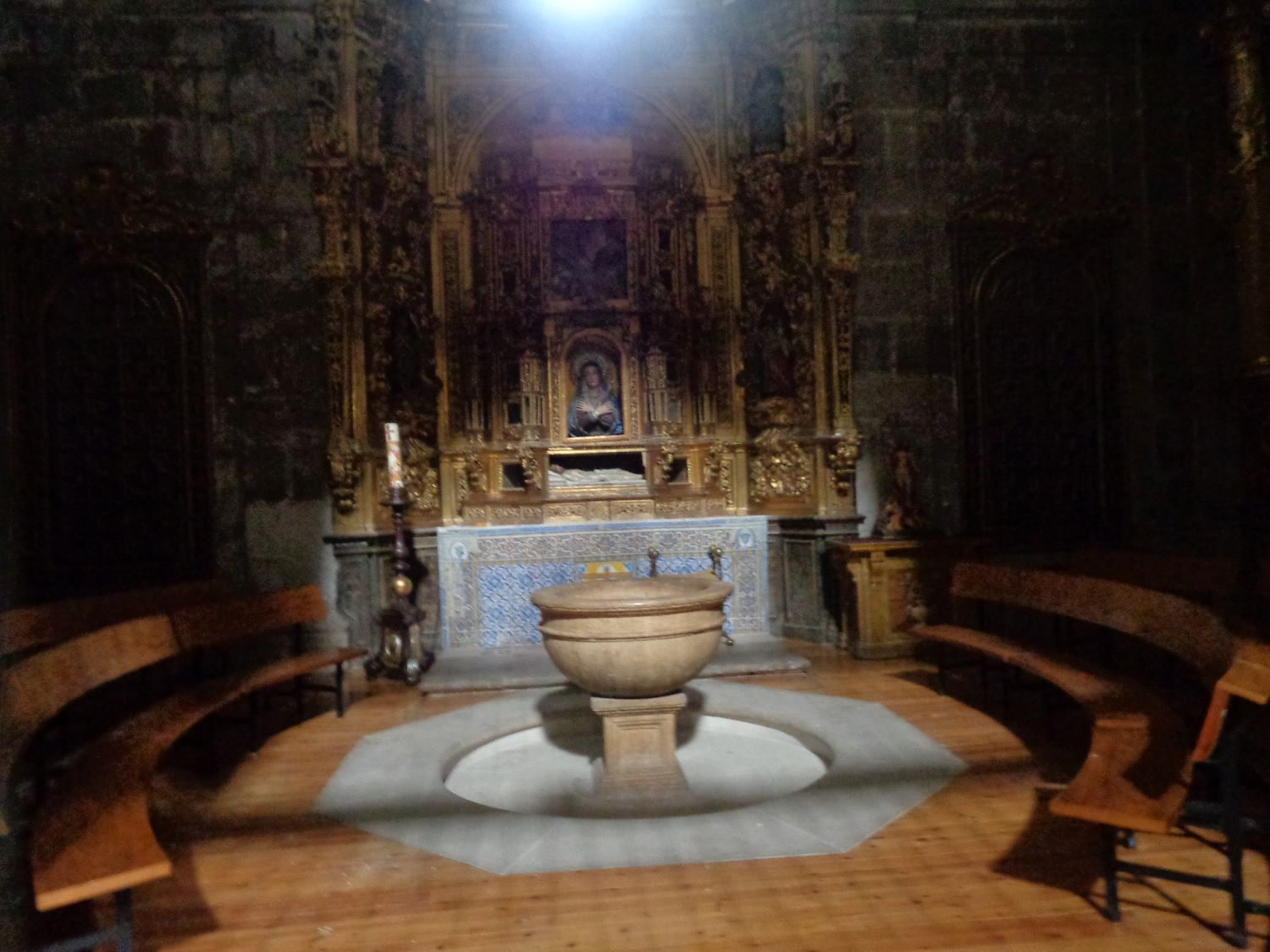
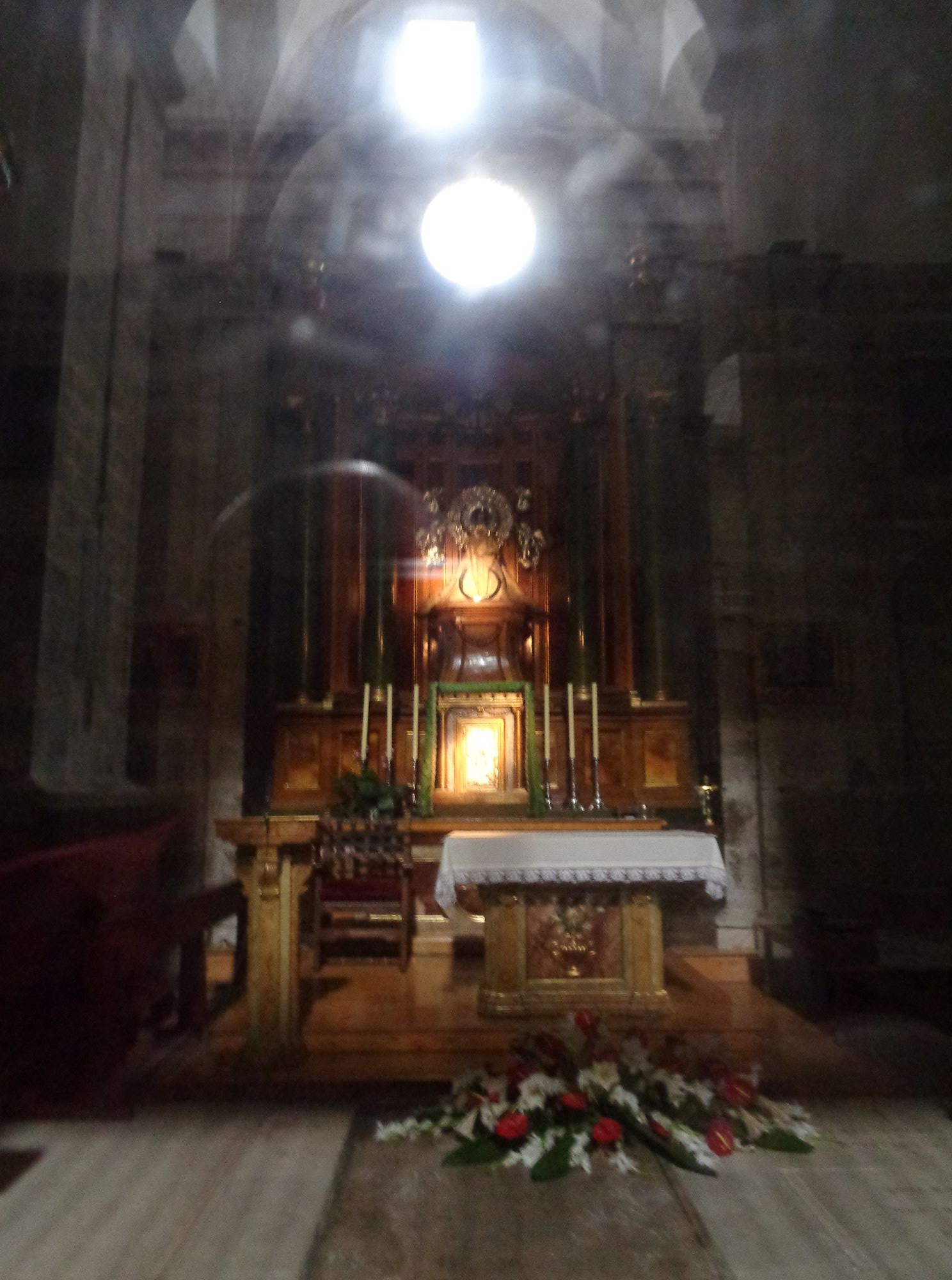
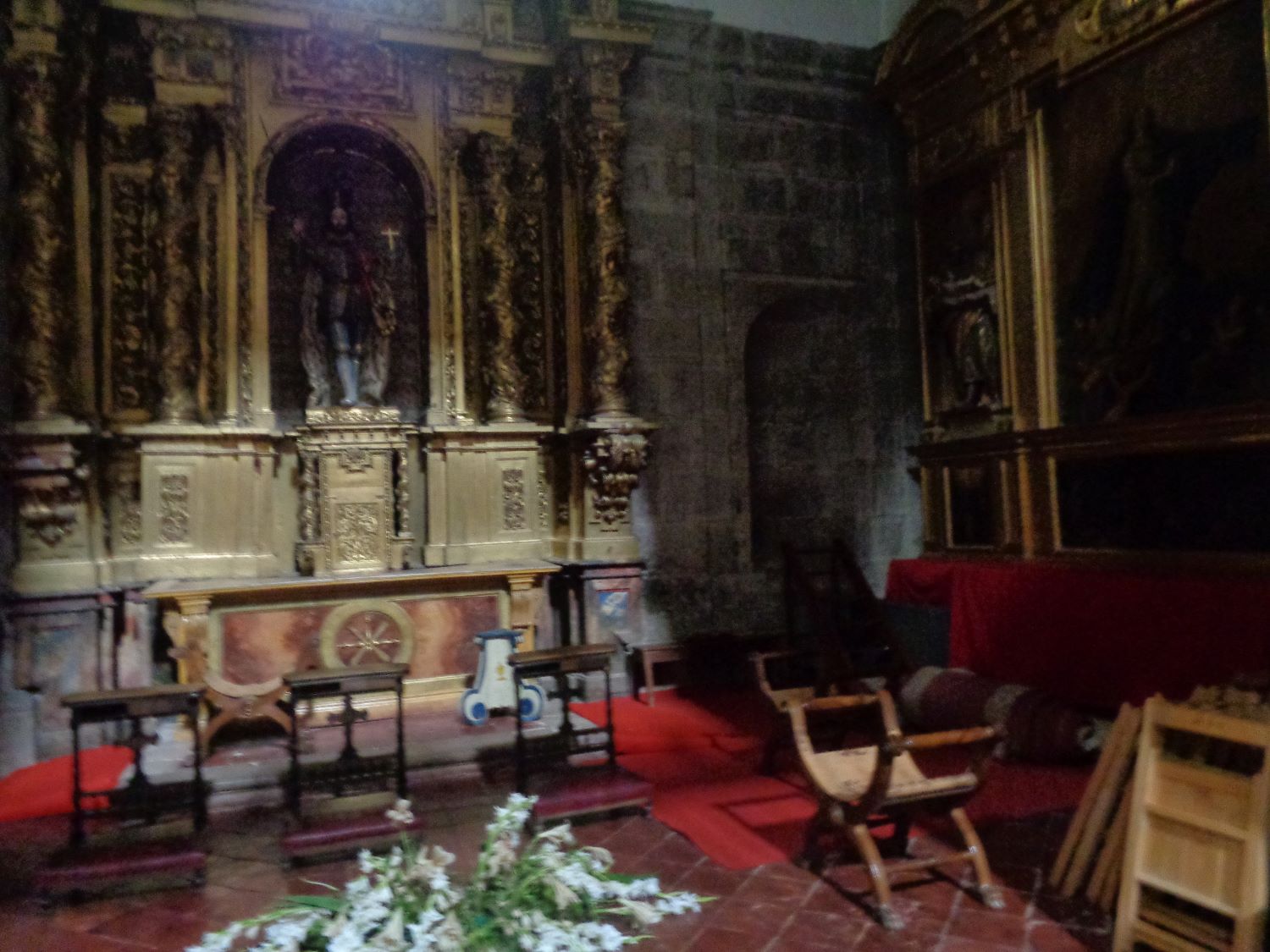
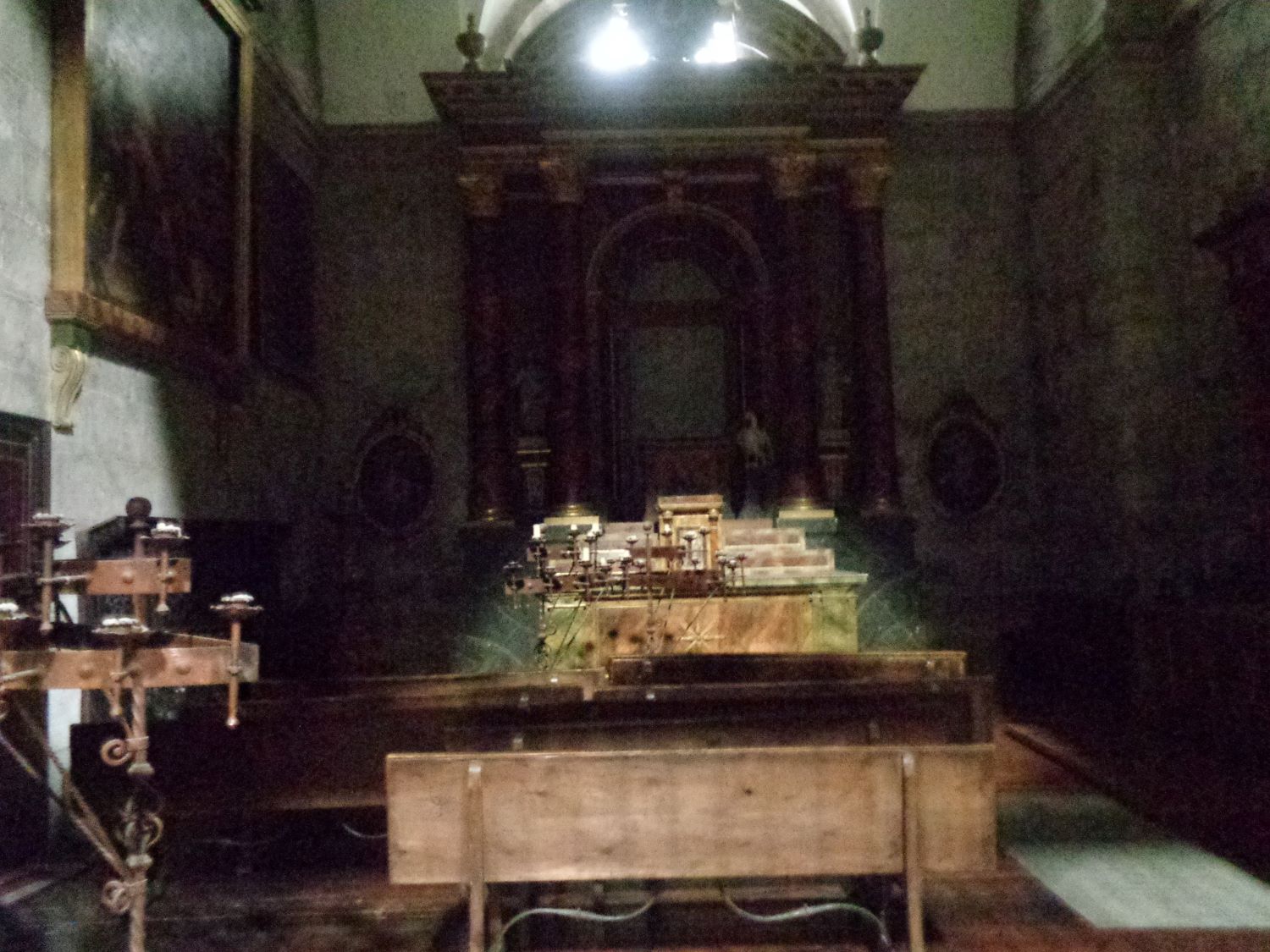
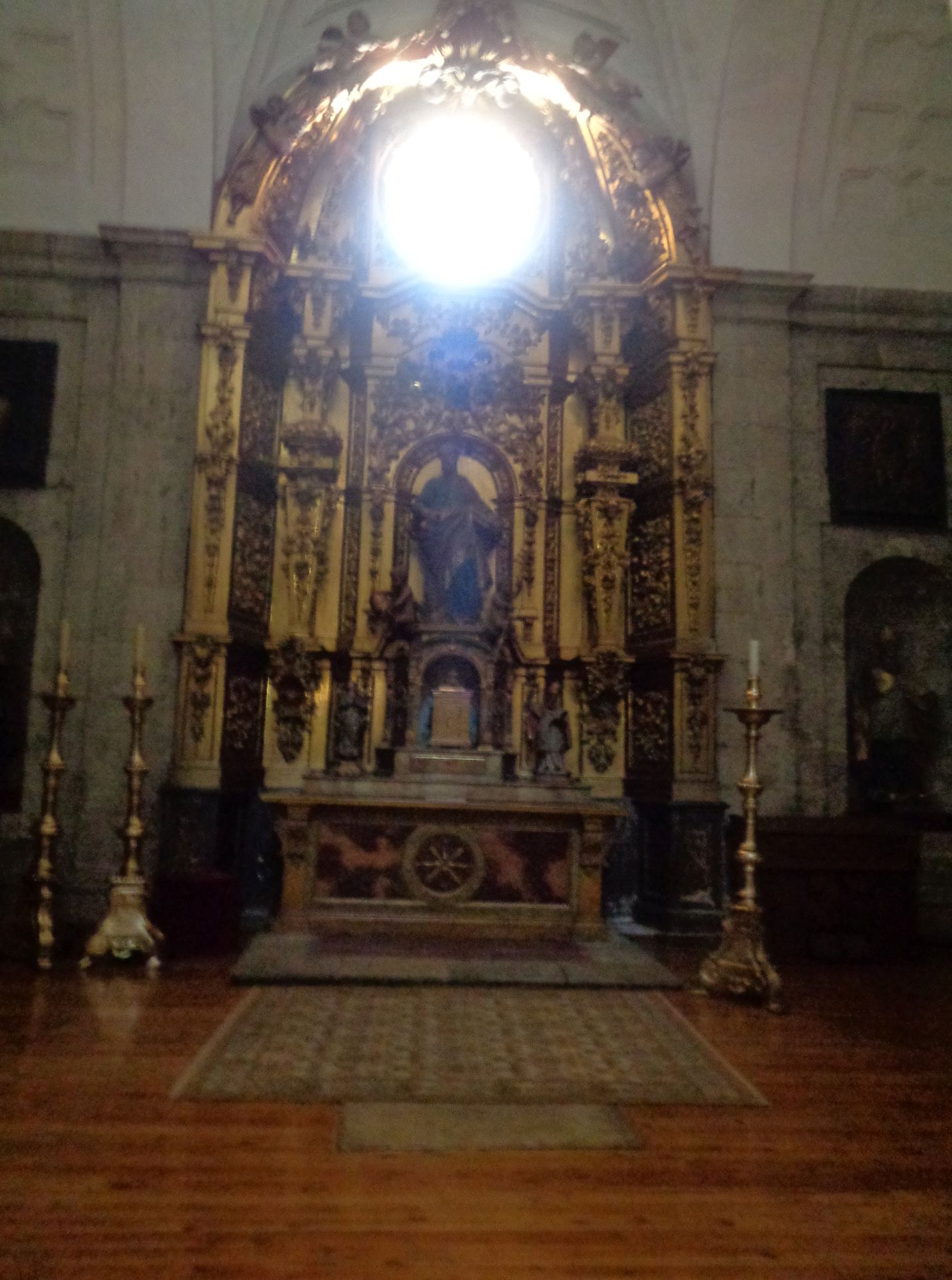
The chapels of the Gospel are on the left, as you look at the altar. They are the following: Chapel of San Juan Evangelista, Chapel of Our Lady of Dolores, Chapel of Our Lady of the Tabernacle and Chapel of San Fernando , The Chapel of the Abside cover the nave of the Gospel and remarkably lower than it. It was built in the 17C in this chapel, is the counter where the tickets are dispatched to enter the Diocesan and Cathedral museum; They are also, in addition to the sepulcher of Count Ansúrez, some works of art such as the neoclassical altarpiece done in the 16C , a table with the theme of crucifixion, The
chapels of the nave of the Epistle that are on the right, as you look at the altar. They are the following: Chapel of San Miguel, Chapel of San Pedro Regalado, Chapel of San José, Chapel of San Pedro Apostle and the Absidal Chapel. The sacristy of the cathedral was the ancient chapel of the Immaculate, the only built of the head of the header after the nave. It was enabled in 1960 as a sacristy. It was built in 1655, and two years later is its fence. It contains a series of original paintings and copies, several tables with copper pieces and a neoclassical altarpiece with a picture of the announcement, The Chapter Room is integrated into the Diocesan and Cathedral Museum, accessing it from a side of the San Lorenzo Chapel. It was built in the 17C, using part of a collegial cloister break.
The official Cathedral of Valladolid : https://www.catedral-valladolid.com/
The Valladolid tourist office on the Cathedral: https://www.info.valladolid.es/en/detalle-monumento/-/asset_publisher/YazOkPDbnVzD/content/lugares-monumentos-catedral
The regional Castilla y Léon tourist office on Valladolid: https://www.turismocastillayleon.com/turismocyl/en/art-culture-heritage/provincial-capitals/valladolid
There you go folks , another wonderful nostalgic, sentimental trip to my dear Spain, Valladolid is nice, awesome will say back after so many years it seems all for the first time, and love it ! We will be back, eventually, Again, hope you enjoy this post on the Cathedral Notre Dame de la Asuncion of Valladolid as I
And remember, happy travels, good health, and many cheers to all !!!

 Paris1972-Versailles2003