
I am on a nostalgic run, and found me an older picture that need to be in my blog, I think of my Florida. Not the glitzy marketing spots but the real living in gorgeous Ormond Beach, Volusia County. I have written briefly on it in previous posts but rather do one in one post. Therefore, here is my take and official sites on the Tomoka ,and Bulow Creek State Parks of Ormond Beach !!! Hope you enjoy it as I.
The Tomoka State Park is an 2,000-acre (8 km2) Florida State Park located along the Tomoka River, 3 miles (5 km) north of Ormond Beach at 2999 North Beach Street. From Interstate 95 at SR 40 in Ormond Beach, follow SR 40 east into the old downtown, crossing US 1, and make a left at the light onto N. Beach Street just before the Granada bridge over the Intracoastal Waterway (Halifax river). Follow this canopied road (Beach st) through the residential area along the waterway. When you reach the woods, you’re in the park. The park entrance is on the right just before a left curve. Well posted.
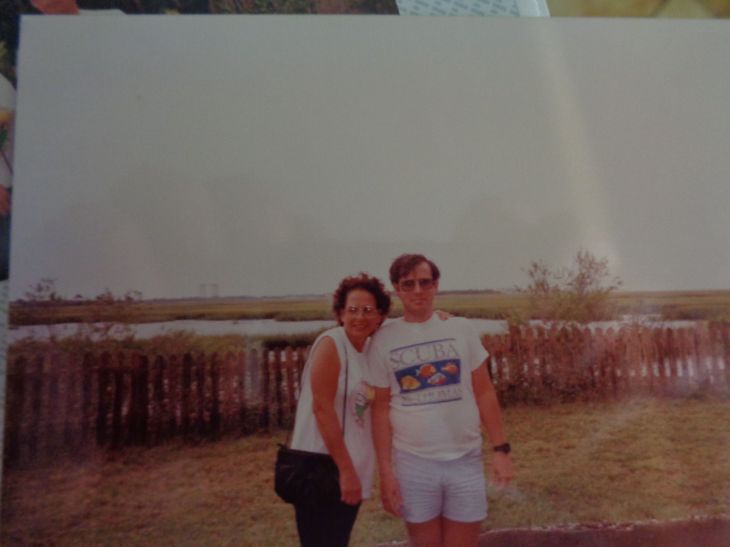
Tomoka State Park is a bird-watcher’s paradise, with over 160 species sighted, especially during the spring and fall migrations At the time of the first European visit to the Tomoka mount in 1605, the land was a maritime hammock (hammock is a Seminole word meaning shady place). As you walk the trail you can still see crooked salt-pruned maritime oak trees. Valuable indigo was the only source of blue dye, and Europeans of high status coveted blue-dyed clothes. Indigo plants can be seen throughout Tomoka and especially in the southern end of the trail. Native wild coffee plants thrive in the shady areas under the trees. The plant produces small red berries that contain two seeds, and birds in the area feed on those seeds. Wild coffee berries were once brewed into coffee by early settlers; however, the berries do not contain caffeine.If you look at the shaded branches of the oaks in the hammock, you will see ferns growing in their bark. These are known as resurrection ferns. They become dry and brown during drought conditions and green in the rainy season.During the winter you often can see American bald eagles perched in the pine trees. There are three eagle nests within 3 miles of the trail, as the eagles are attracted to Tomoka mount and tip for access to fish and as a great vantage point to the entire area. The pic is on a visit by my father’s side Aunt Juana c1990
Activities include canoeing, boating, and fishing, as well as hiking, camping, picnicking, and wildlife viewing. Other amenities include a one-half mile nature trail, a paved 1 mile multiuse trail, a boat ramp, five picnic areas, ample areas for fishing, and one hundred campsites. There is a boating providing access to the Tomoka River. All of the water surrounding the park is designated manatee sanctuary. Canoeing rentals are available in the park through the concessions. The marshes and tidal creeks offer a beautiful place to observe bird and marine life along a 13-mile canoe trail. Fishing with 90 different species of fish have been identified in the Tomoka River, including such important game fish as redfish, black drum, sheepshead, spotted seatrout, snook and tarpon. Picnicking areas with covered pavilions and grills are in five locations. Camping campground is in a shady hammock. Total vehicle length is limited to 34 feet (about 10 meters) . A primitive youth camping area is also available for organized groups. It can be reserved by calling the park. Cycling enthusiasts can enjoy a 1.5-mile paved loop, suitable for all skill levels. Helmets are strongly recommended.For more adventurous riders, there’s an off-road trail that winds through the park’s diverse habitats; caution is advised due to uneven terrain and potential wildlife encounters. Bicycles rentals aren’t available within the area so visitors must bring their own equipment if they wish to cycle around it
The Tomoka Outpost is the perfect stop for souvenirs, camping supplies, snacks, and hot and cold beverages. The official webpage : https://tomokaoutpost.com/index.html
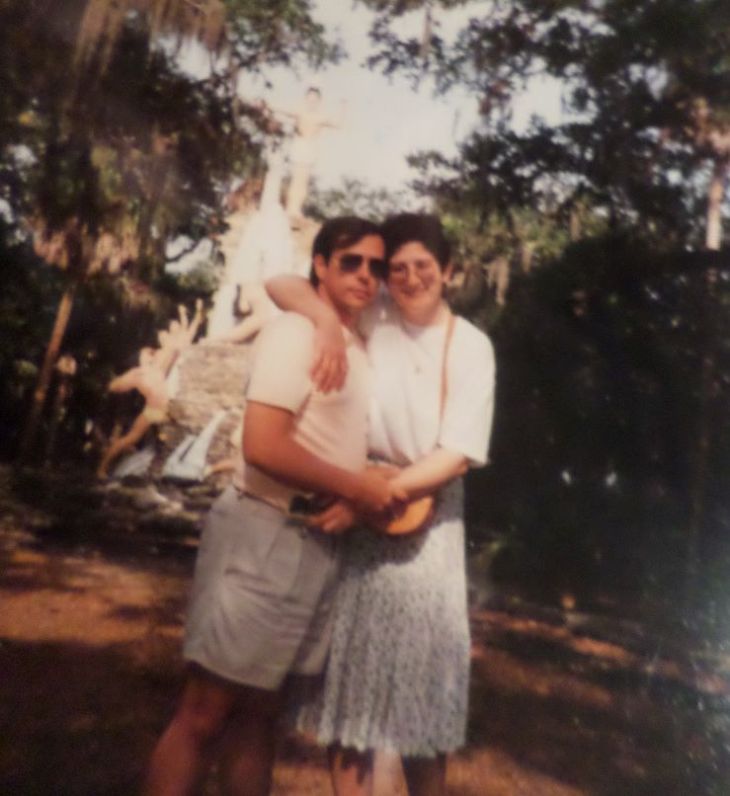
The long-vanished Timucua are commemorated with an huge public art installation from 1957 by Fredrick Dana Marsh. Called “Legend of Tomokie,” it features Chief Tomokie at the top of a wall of warriors. While there is no historical evidence of a real Chief Tomokie, the monument is a reminder that this area was once populated by Native Americans who lived and fished these waters for centuries before Europeans arrived. Within the park is the site of the Timucuan indian village of Nocoroco, which occupied the village in the 16C, located on the Tomoka River. Researchers suggest that the land containing the Tomoka mound just south of the Nocoroco village site was occupied as early as 5000 B.C. It was also the location of a plantation owned by Richard Oswald, a wealthy Scottish merchant, who owned the plantation throughout the British rule of Florida, this spot is known as the Mount Oswald , It became a state park in 1945, On May 7, 1973, it was added to the U.S. National Register of Historic Places. The village was first visited by Spanish explorers led by Alvaro Mexia in the early 1600s. The explorer wrote that the Timucua were “of goodly stature and covered in many tattoos.” The Timucuans lived throughout northeast and central Florida, making them the predominant Native American group in the area.Nocoroco was one of the largest villages visited by the invading colonizers in Florida. By the late 1700s, it is likely that the Timucua people were completely gone. Pic taking my dear wife Martine!!
The Tomoka River and the Halifax River (the Intracoastal Waterway) meet at the north end of the park forming a natural peninsula The sister park, Bulow Creek State Park, 3351 Old Dixie Hwy , a bit north bearing left after N Beach St ; make up over 8 miles of the scenic drive known as the “loop.” This is a wonderful ride by car but even better on a bicycle as did several times ,needs to be in good shape ! The loop offers a view of the way Florida was hundreds of years ago with oak trees that arch over the road creating a tunnel effect. Everyone is welcome to enjoy the view and the history of Tomoka Basin State Parks. Containing one of the largest stands of southern live oak remaining on the east coast of Florida, the park’s “star” is the Fairchild Oak. Over four centuries old, it is among the largest of its kind in the southern United States. Among the wildlife of the park are white-tailed deer, barred owls and raccoons. Activities include hiking, canoeing, picnicking , wildlife viewing and primitive camping. Amenities include nature trails, a picnic pavilion and a primitive campsite. The Bulow Woods Trail, more than 6 miles (10 km) long, leads to Bulow Plantation Ruins Historic State Park. The Wahlin Trail bridge offers shady views of a seepage stream that meanders near the historic 500-year-old Fairchild Oak Tree. The Fairchild Oak parking area at Bulow Creek State Park is a favorite stopping place for patrons who wish to connect with nature by touching the furrowed bark of the ancient and majestic Fairchild Oak. The one-way trail is a favorite of hikers who wish to find an extended hike away from the hustle and bustle of city life. A famous visitor was naturalist John Audubon. Audubon roamed these woods during his stay at Bulow Plantation in January 1832 while working on his book “Birds of America.” Audubon traveled the trail’s southernmost section on his way to visit the McRae plantation located near the Tomoka Basin.
The City of Ormond Beach on the Tomoka State Park: https://www.ormondbeach.org/facilities/facility/details/tomokastatepark-stateofflorida-62
The City of Ormond Beach on Bulow Creek Park : https://www.ormondbeach.org/facilities/facility/details/bulowcreekstatepark-19
The Florida State Parks on Tomoka : https://www.floridastateparks.org/Tomoka
The Florida State Parks on Bulow Creek : https://www.floridastateparks.org/parks-and-trails/bulow-creek-state-park
The State of Florida tourist office on Ormond Beach : https://www.visitflorida.com/places-to-go/central-east/ormond-beach/
There you go folks, I feel much better to have given the full credit it deserves to this wonderful spot in my life. I say the real Florida most folks don’t come to see and they should, As said, many wonderful memories of Ormond Beach and surrounding areas , not to ever forget them. This area was the foundation of my family with my dear late wife Martine and our oldest boy born here, never to be forgotten. Again, hope you enjoy the post on the Tomoka and Bulow Creek State Parks of Ormond Beach !!!as I.
And remember, happy travels, good health, and many cheers to all !!!

 Paris1972-Versailles2003